LUIS POULSEN Victory over trademark infringement lawsuit for Pendant Lamp Shade

On December 27, 2018, the Tokyo District Court sided with Luis Poulsen A/S, a Danish company, in a lawsuit for trademark infringement against R&M Japan Co., Ltd. who imported into Japan and sold lighting apparatus allegedly identical with or confusingly similar to a registered 3D mark in the shape of unique pendant lamp shade well-known for “PH5” and awarded damages of 4.4 million JPY. [Case no. Heisei 29(Wa)22543]


Luis Poulsen “PH-5”

Luis Poulsen A/S has manufactured and sold lighting apparatus with a unique lamp shape well-known for “PH-5” in Japan past four decades. The shape was successfully registered as a 3D mark by the JPO in 2016 as a result of demonstrating acquired distinctiveness of the shape as a source indicator in connection with goods of ramp shade in class 11 (see below) [Trademark registration no. 5825191].
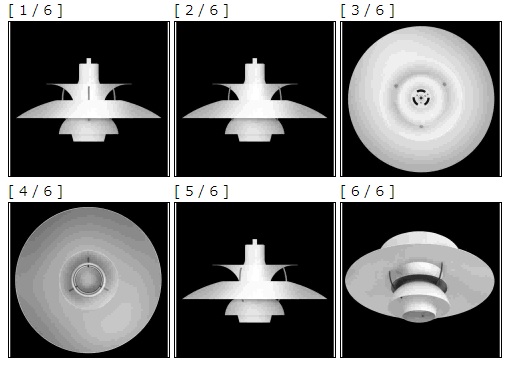
 

Infringing product

R&M Japan, Defendant, imported into Japan and sold lighting apparatus which apparently looks identical with the shape of PH-5 (see below).
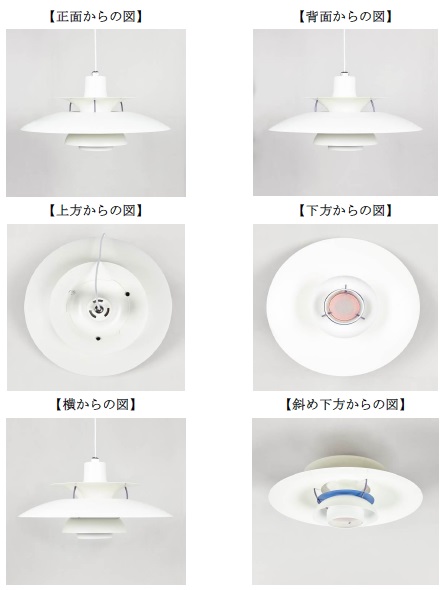
Defendant argued that the Court should dismiss the complaint in its entirely.

According to the court decision, defendant admitted to reproducing a design which has terminated its exclusive right after the lapse of statutory period and thus became public domain.

Defendant also disputed there happened no damages to plaintiff on the grounds that the company put consumers on notice to offer replica designer lighting or free generic design items in the marketplace. There exists a remarkable price gap between genuine PH-5 and defendant product. If so, claimed damages shall not be linked to defendant’s act.


Court decision

The Tokyo District Court ruled in favor of Luis Poulsen by stating that:

  1. It is unquestionable that infringing product constitutes trademark infringement given the same shape with registered 3D mark representing “PH-5” owned by plaintiff.
  2. Provided that the 3D shape of “PH-5” has been successfully registered as a trademark in Japan, expiration of design right shall not prevent the owner from enforcing trademark right against the shape once registered as design right.
  3. Even if infringing product was offered to sell on notice of replica designer lighting or free generic design items at a lower price than genuine PH-5, it shall not deny a fact that infringing product is likely to compete with plaintiff.

Based on the foregoing, the Court ruled that R&M Japan committed a trademark infringement and awarded Luis Poulsen 4.4 million JPYen for damages.

R&M Japan once challenged validity of trademark registration for the 3D mark of PH-5, but resulted in vain. click here.

Lee unsuccessful in removing Leeao from trademark registration

The Japan Patent Office dismissed a trademark opposition claimed by the second largest manufacturer of jeans in the United States, The H.D. Lee Company, Inc. (LEE) against trademark registration no. 5990967 for the Leeao logo mark in class 25 by finding less likelihood of confusion with “Lee” because of remarkable dissimilarity between the marks.
[Opposition case no. 2017-900381]


Leeao

Opposed mark “Leeao” (see below) was filed by a Japanese business entity on April 28, 2017 by designating clothing and clothes for sports in class 25.

Going through substantive examination, the JPO admitted registration on September 29, 2017 and published for registration on November 21, 2017.

LEE’s Opposition

To oppose against registration, LEE filed an opposition on December 20, 2017.
In the opposition brief, LEE asserted the opposed mark shall be cancelled in violation of Article 4(1)(xi) of the Japan Trademark Law given a high reputation and popularity of opponent mark “Lee” in the business field of jeans having longer history than LEVIS and similarity of opposed mark with its owned senior trademark registration no. 1059991 for the “Lee” logo mark (see below) over clothing in class 25 effective since 1974.

LEE argued opposed mark gives rise to a pronunciation of ‘liː’ from the first three letters, allegedly a prominent portion of opposed mark, since remaining elements are rarely perceived as letters of “ao” from its appearance.

Article 4(1)(xi) is a provision to refrain from registering a junior mark which is deemed identical with, or similar to, any senior registered mark.

Where opposed mark is considered similar to opponent mark and designated goods of opposed mark is identical with or similar to that of opponent mark, opposed mark shall be retroactively cancelled in violation of Article 4(1)(xi). In this regard, since LEE’s senior registration covers clothing in class 25, similarity of goods is indisputable in the case.


Board Decision

The Opposition Board, based on the fact-finding that Lee jeans has been distributed in Japan for five decades and its frequent appearance in media, admitted a high degree of popularity and reputation of “LEE” logo as a source indicator of opponent jeans among general consumers.

In the meantime, the Board completely denied similarity between the marks on the grounds that:

  1. Opposed mark, from appearance, shall not be seen as a combination of “lee” and “ao” unless “ao” does clearly give rise to a descriptive meaning. If so, opposed mark shall constitute one word as a whole and be deemed sufficiently distinctive in concept as well.
  2. In the meantime, relevant consumers of goods in question shall conceive opponent mark as a source indicator of famous “Lee” jeans.
  3. If so, both marks are completely distinguishable from three aspects of appearance, sound, and concept.

Accordingly, JPO sided with opposed mark and decided it shall not be cancelled based on Article 4(1)(xi) in relation to opponent mark.