On December 28, 2022, the JPO Opposition Board dismissed the opposition claimed by German car giant Volkswagen AG against TM Reg no. 6512258 for the wordmark “Qolo” by finding dissimilarity to, and the unlikelihood of confusion with VW’s famous car model name “Polo” even when used in relation to automobiles.
[Opposition Case no. 2022-900157]Opposed mark
Qolo Inc., a Japanese start-up company, filed a trademark application for the wordmark “Qolo” for various goods and services in classes 9, 10, 12, 20, 37, 42, and 44 including automobiles and repair, maintenance, and rental of cars on September 7, 2021.
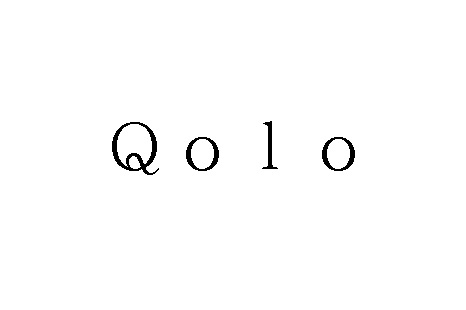
The JPO granted protection of the opposed mark on February 10, 2022, and published it for registration on February 21, 2022.
Opposition by VW
Volkswagen AG filed an opposition against the opposed mark on April 19, 2022, before the lapse of a two-month statutory period counting from the publication date and claimed the opposed mark shall be canceled in contravention of Article 4(1)(xi) and (xv) of the Japan Trademark Law by citing VW’s earlier TM Reg no. 600030-2 for wordmark “POLO” on automobiles in class 12.
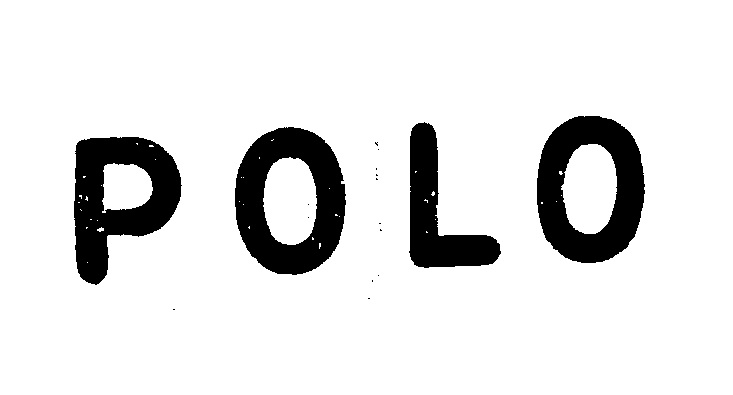
VW argued the opposed mark “Qolo” is deemed similar to “POLO” from visual and phonetical points of view. The opposed mark designates “electric vehicles; automobiles” in class 12, “repair and maintenance of automobiles; vehicle battery charging” in class 37, and “rental of automobiles, vehicles” in class 39 that are deemed identical or similar to automobiles.
In view of the remarkable reputation of VW POLO cars and the close resemblance between “Qolo” and “POLO”, it is highly likely that relevant consumers confuse a source of goods and services of the opposed mark when used on automobiles and its related services.
JPO decision
The Board admitted the famousness of the “POLO” mark as a source indicator of VW cars based on the facts that the Volkswagen Polo has been continuously imported to Japan since 1996 and ranked in the top 7 of imported automobiles for the past two decades.
However, the Board found “POLO” and “Qolo” are dissimilar in appearance and sound.
The difference in the first letter consisting of four letters in total would be anything but visually negligible. Likewise, the different pronunciation in the 1st sound consisting of two sounds in total gives rise to a distinctive impression.
By taking into consideration a lower degree of similarity between the marks and lack of originality for the term “POLO”, which means a game played on horseback between two teams, each of four players, the Board negated a likelihood of confusion between “POLO” and “Qolo” even when the opposed mark is used on goods and services in question.
Based on the foregoing, the Board dismissed the opposition entirely and decided that the opposed mark “Qolo” shall remain valid as the status quo.