HERMES Unsuccessful in Trademark Opposition against HERDES

The Japan Patent Office (JPO) did not side with Hermes International in opposition against TM Reg no. 6552637 for the wordmark “HARDES” in classes 14 and 18 by finding dissimilarity to the famous fashion brand “HERMES”.

[Opposition case no. 2022-900287, decided on May 25, 2023]

Opposed mark

RARELEAK Co, Ltd. applied the wordmark “HARDES” in a plain letter (see below) for use on personal ornaments, earrings, bracelets, ankle bracelets, necklaces, rings, watchbands, cuffs, necktie pins, pendants, pins, brooches, watches, key chains in class 18 and leather, bags and pouches, handbags, shoulder bags, suitcases, trunks, wallets, card cases, key cases, and others in class 18 with the JPO on November 5, 2021 (TM App no. 2021-144521).

The JPO examiner granted protection of the mark on April 1, 2022, and published it for post-grant opposition on May 17, 2022.


Opposition by HERMES

Before the lapse of a two-month statutory period counting from the publication date, Hermes International filed an opposition against the opposed mark on July 13, 2022.

Hermes argued the opposed mark shall be canceled in contravention of Article 4(1)(xi) of the Japan Trademark Law in relation to all goods designated by the opposed mark due to a high degree of similarity between “HERDES” and earlier trademark registration nos. 6179160 and 4467434 for the wordmark “HERMES”.

To bolster the argument for similarity, Hermes cited precedent JPO decisions that affirmed similarity between “NEBROS” and “NEGUROSU” (Appeal case no. 2002-22788), “RELARIS” and “ILARIS” (Opposition case no. 2008-900309).


JPO decision

The JPO Opposition Board found both marks are dissimilar by stating:

Visually, there is a difference in the fourth letter, “D” and “M”, between the opposed mark and cited mark “HERMES”. The difference in the fourth letter of marks both consisting of six letters gives the impression that two marks, as a whole, indicate different words. In this respect, both marks are distinguishable in appearance.

Aurally, a difference of the first three sounds would be anything but negligible and cause a substantial impact on the overall pronunciation given a short sound structure (four sounds). Therefore, the Board has a reason to believe relevant consumers can easily distinguish these sounds without confusion.

Conceptually, the opposed mark does not have a specific conception. Meanwhile, the cited mark gives rise to the meaning of “Hermes, and the god of trade, thieves, travelers, and sport”. It is obvious that both marks are unlikely to be confused in terms of conception.

Based on the foregoing, the Board dismissed the entire allegations and decided the opposed mark shall remain valid as the status quo.

Champion loses trademark opposition over “C” logo

The Japan Patent Office (JPO) dismissed an opposition filed by HBI Branded Apparel Enterprises, LLC against TM Reg no. 6560200 for the C device mark due to dissimilarity to and the unlikelihood of confusion with the iconic “C” emblem of Champion.

[Opposition case no. 2022-900315, decided on May 22, 2023]

Opposed mark

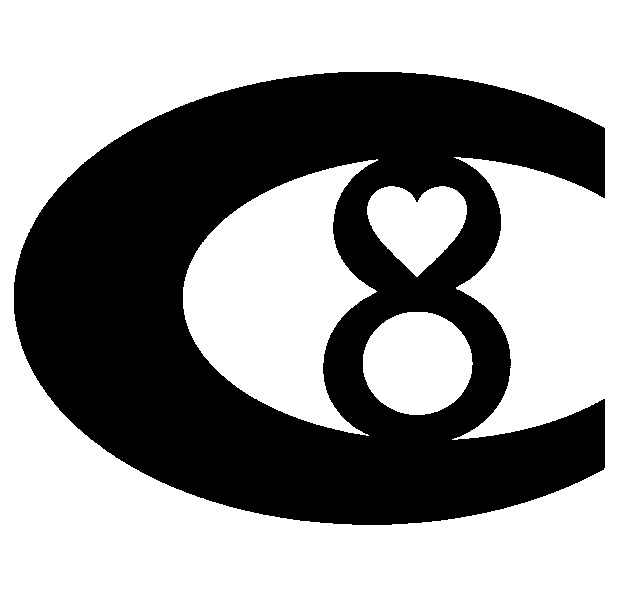
DAIEI TRADING CO., LTD. a Japanese company, applied a device mark consisting of the “C” curved line and a heart & circle placed vertically inside of the line (see below) for use on apparel, footwear, sports shoes, and sportswear in class 25 with the JPO on December 8, 2021.

The JPO examiner did not raise any objection to the mark at all in the course of the substantive examination.

Accordingly, the mark was registered on May 23, 2022, and published for post-grant opposition on May 31, 2022.


Opposition by Champion

HBI Branded Apparel Enterprises, LLC filed an opposition against the opposed mark on August 2, 2022.

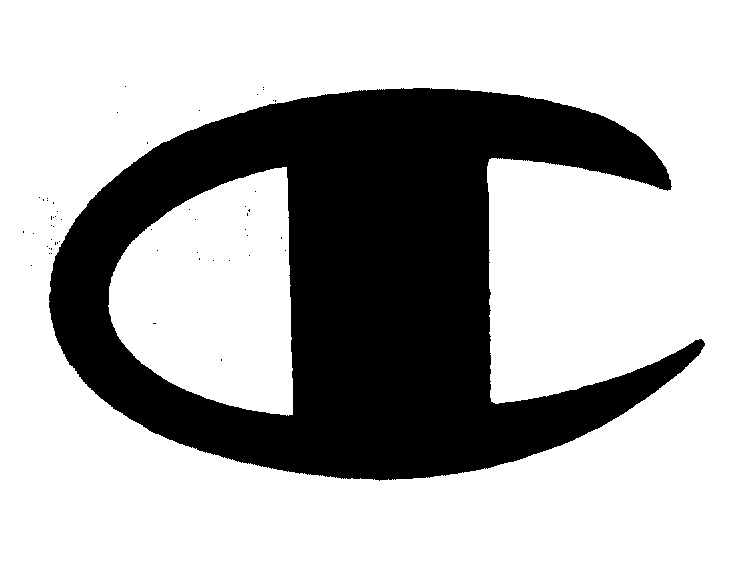
HBI argued the opposed mark shall be canceled in contravention of Article 4(1)(vii), (x), (xi), (xv), and (xix) of the Japan Trademark Law on the grounds that a high degree of similarity between the opposed mark and the iconic “C” emblem (see below) becoming famous as a source indicator of the Champion brand in connection with casual wear, sportswear, and other related goods would inevitably cause confusion among relevant consumers when the opposed mark is used on goods in question.


JPO decision

The JPO Opposition Board admitted that the “C” emblem has acquired a high degree of reputation as a result of substantial use in Japan for more than four decades and become famous as a source indicator of the opponent.

In the meantime, the Board negated the similarity between the marks by stating that:

From the appearance, both marks contain a curved line that looks like a “C” letter; however, the respective line looks totally different by means of a wide difference in line thickness. Besides, there is a clear difference between figurative elements depicted inside of the line (a heart & circle device placed vertically in the opposed mark, a thick vertical line in the cited mark). Therefore, the two marks are visually distinguishable.

Conceptually, the opposed mark does not give rise to any specific meaning. Meanwhile, the cited mark has the meaning of ‘famous brand of the opponent.’ If so, both marks are dissimilar in concept.

Based on the foregoing, the Board has a reason to believe that the opposed mark is dissimilar to the cited mark, even if they cannot be compared in terms of pronunciation.

In a global assessment of the likelihood of confusion, the Board found:

Even if the cited mark is widely recognized among consumers in Japan as a source indicator of the Champion’s business, given the low degree of similarity to the opposed mark, it would be unlikely that relevant traders and consumers at the sight of the opposed mark used on goods in question immediately associate or recall the cited mark or the opponent business.

If so, it is reasonable to consider that relevant consumers are unlikely to confuse the source of the goods bearing the opposed mark with Champion or another entity systematically or economically connected with the opponent.

Based on the foregoing, the JPO dismissed the entire allegations and decided the opposed mark shall remain valid as the status quo.

Trademark dispute: iTunes vs HiTune

On May 1, 2023, the Japan Patent Office (JPO) dismissed an opposition filed by Apple Inc. against TM Reg no. 6536066 for the wordmark “HiTune” by finding dissimilarity to and an unlikelihood of confusion with “iTunes”.

[Opposition case no. 2022-900242]

Opposed mark

UGREEN GROUP LIMITED, a Chinese company, filed the wordmark “HiTune” (see below) for use on computer peripheral devices, data processors, earphones, headphones, microphones, sound transmitting apparatus, and other goods in class 9 with the JPO on November 10, 2021.

The mark was registered on March 29, 2022, without receiving any refusal in the course of the substantive examination taken place by the JPO.

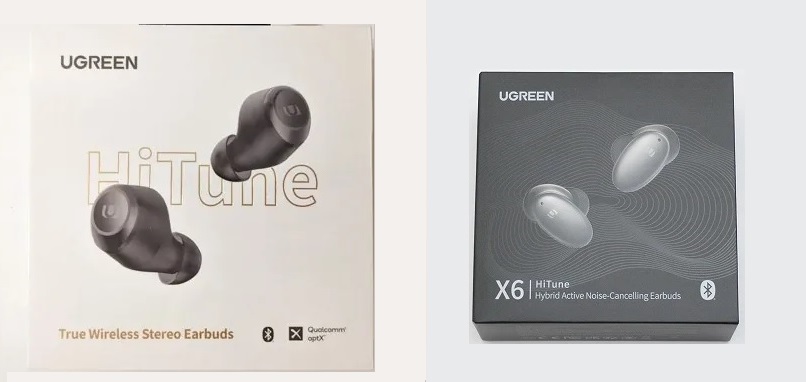
UGREEN has promoted wireless stereo earphones/earbuds bearing the mark.


Opposition by Apple Inc.

On June 6, 2022, Apple Inc. filed an opposition to “HiTune” and contended that the opposed mark shall be canceled in contravention of Article 4(1)(xi) and (xv) of the Japan Trademark Law by citing earlier trademark registration nos. 4570713 “iTUNE”, 4610312 “ITUNES”, 5155781 “iTunes”, IR943547 “ITUNES” in class 9.

Article 4(1)(xi) is a provision to prohibit the registration of a junior mark that is identical with, or similar to, any senior registered mark.

Article 4(1)(xv) provides that a mark shall not be registered where it is likely to cause confusion with other business entities’ well-known goods or services.

Apple Inc. argued that the mark “iTunes” has been famous as a source indicator of the opponent in relation to application software and multi-content distribution service. In view of the remarkable similarity between “HiTune” and “iTunes” by representing the second letter “i” in lower case and the third letter “T” in upper case, relevant consumers would associate the opposed mark with the opponent when used on goods of class 9 in question.


JPO decision

To my surprise, the JPO Opposition Board admitted a certain level of recognition of the mark “iTunes” as a source indicator of Apple Inc. in connection with application software enabling to download music or movies and to manage the contents among consumers of music distribution service, however, denied a substantial level of reputation and popularity of the opponent mark due to a lack of objective evidence produced to the Board.

In assessing the similarity of marks, the Board stated:

Differences such as the presence or absence of “H” at the beginning of the word, the difference between upper- and lower-case letters, and the presence or absence of “s” at the end of the word have a significant impact on the overall visual impression of both marks, which consist of relatively short letters. Therefore, the marks are clearly distinguishable from appearance.

There are distinctions between the sound “ha” and “a” at the beginning of a word, and the presence or absence of the sound “z” at the end of a word. These differences have a material effect on overall sounds given the relatively short sound structure. Therefore, there is less risk of mishearing each other when pronounced.

Since both marks do not give rise to any specific meanings, there is no room to cause confusion in concept.

If so, the Board has a reason to believe both marks are distinctively dissimilar.

Bearing in mind the Board finds that the opponent mark “iTunes” has not become famous among relevant consumers in Japan and has a low degree of similarity to the opposed mark “HiTune”, it is unlikely that the consumers confuse or misunderstand a source of goods in question bearing the opposed mark with Apple Inc. from the totality of the circumstances.

Based on the foregoing, the JPO decided the opposed mark shall not be canceled and dismissed the opposition entirely.

FURLA vs FURNA

Italian heritage label Furla lost a trademark opposition in Japan against TM Reg no. 6501195 for the wordmark “FURNA” in class 25 as a result of the JPO’s decision finding no likelihood of confusion with “FURLA”.

[Opposition case no. 2022-900128, decided on April 6, 2023]

FURNA

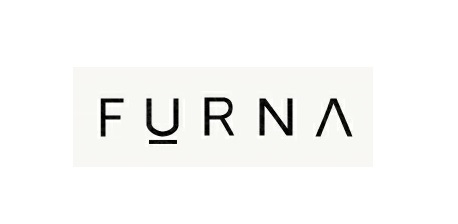
The opposed mark, consisting of the wordmark “FURNA” in standard character, was filed for use on clothing, dresses, footwear, garters, waistbands, belts [clothing] and other goods in class 25 with the JPO by URBAN TEX Co., Ltd., a Japanese company on November 1, 2021.

The company opens an online shop for wedding dresses under the trade name “FURNA” on Rakuten online shopping platform.

In accordance with a request for accelerated examination from the company based on the actual use of the mark on any one of the designated goods, the JPO carried out a substantive examination and granted protection on January 14, 2022. Subsequently, the mark was published for post-grant opposition on January 27, 2022.


Opposition by FURLA

Italian luxury retailer FURLA S.P.A. filed an opposition on May 28, 2022, and claimed the opposed mark shall be canceled in contravention of Article 4(1)(xi), (xv), and (xix) of the Japan Trademark Law.

FURLA argued a mere difference of “N” and “L” in the fourth letter of the respective word would be trivial and thus inadequate to find a low degree of similarity in appearance and sound. Given a close association between the goods in question and the opponent goods covered by earlier registrations for the FURLA marks that have acquired a high level of recognition among relevant consumers in Japan, the consumers are likely to confuse a source of the goods bearing the opposed mark with Furla or mistakenly consider it from an entity systematically or economically connected with FURLA S.P.A.


JPO decision

The JPO Opposition Board admitted a high level of recognition of the mark “FURLA” in connection with bags among relevant consumers as a source indicator of the opponent.

In the meantime, the Board questioned if both marks are deemed similar in visual, aural, and conceptual points of view by stating:

Comparing the opposed mark and the opponent mark, “FURNA” and “FURLA” differ in appearance in the fourth letter of “N” and “L” but the difference in these letters in the short five-character composition has a substantial effect on the overall composition, and they are sufficiently distinguishable in appearance.

Pronunciation arising from “FURNA” and “FURLA” are different even when they are called in succession, and there is no risk of mishearing each other.

The opposed mark is conceptually distinguishable because it does not give rise to any specific meaning, whereas the opponent mark has been known as “Furla’s brand”.

Even if the “FURLA” mark is widely recognized among Japanese consumers as an indication of the opponent’s business, given the low degree of similarity between “FURNA” and “FURLA”, the Board has no reason to believe that the consumers having a glimpse of the opposed mark used on the goods in question would associate or recall the opponent mark.

Based on the foregoing, the JPO dismissed the opposition entirely and decided that the opposed mark “FURNA” shall remain valid as the status quo.

L’Oréal loses trademark fight against “NOREAL”

The Japan Patent Office (JPO) dismissed an opposition filed by L’Oréal against TM Reg no. 6520304 for the wordmark “NOREAL” in class 3 due to dissimilarity to the L’OREAL mark and unlikelihood of causing confusion with L’Oréal.

[Opposition case no. 2022-900195, decided on April 5, 2023]

NOREAL

The opposed mark, consisting of the wordmark “NOREAL” in standard character, for use on cosmetics, soaps, shampoos, perfumes, fragrances, and other goods in class 3 was filed by a Japanese individual with the JPO on May 20, 2021.

The JPO examiner, without raising any objection, granted protection of the opposed mark on January 7, 2022. Subsequently, the mark was published for post-grant opposition on March 9, 2022.


Opposition by L’Oréal

Global cosmetic giant L’Oréal filed an opposition on May 10, 2022, and claimed the opposed mark shall be canceled in contravention of Article 4(1)(xi) and (xv) of the Japan Trademark Law.

In the opposition brief, L’Oréal argued, given a close resemblance in appearance and sound between the world-famous mark “L’OREAL” and the opposed mark “NOREAL”, there is a high degree of similarity between the marks and thus relevant consumers of goods in question are likely to confuse a source of cosmetics bearing the opposed mark with L’Oréal or any entity economically or systematically connected with the opponent.


JPO decision

Astonishingly, the JPO Opposition Board found it unobvious from the produced evidence that the L’OREAL mark has been highly recognized as a source indicator of the opponent among a wide range of consumers.

On the assessment of the similarity of marks, the Opposition Board considered a difference between “N” and “L'” at the beginning of respective marks would play a significant role in distinguishing the appearance and sound of wordmark and have a substantial influence on the visual and aural impression of two marks, which consist of relatively few letters, as a whole. Therefore, the Board has a reason to believe that both marks are sufficiently distinguishable in appearance and sound. Since both marks do not give rise to any specific meaning, it is unable to assess the conceptual similarity of the two marks. Based on the above findings, the Board found both marks are dissimilar from visual, aural, and conceptual points of view.

Due to insufficient brand recognition of the L’OREAL mark and the low degree of similarity between the two marks, “NOREAL” and “L’OREAL”, the Board has a reason to believe relevant consumers are unlikely to confuse a source of cosmetics bearing the NOREAL mark with L’Oréal regardless of overlapping goods and consumers.

Based on the foregoing, the JPO did not side with L’Oréal and decided the validity of the opposed mark as the status quo.

Trademark case: Wilson vs Werwilson

The Japan Patent Office (JPO) dismissed an opposition filed by Wilson Sporting Goods Company against TM Reg no. 6520718 for the mark “Werwilson” with a device in class 25 by finding less likelihood of confusion with “Wilson”, the iconic American sporting goods brand when used on goods in class 25.

[Opposition case no. 2022-900124, decided on March 29, 2023]

Opposed mark

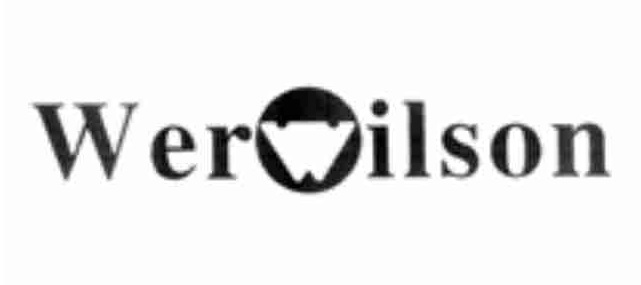
The opposed mark, consisting of two literal elements “Wer”, “wilson” and encircled “w” device placed in between them (see below), was sought registration by a Chinese company for use on apparel, footwear, and sports shoes in class 25 with the JPO on July 9, 2021.

The JPO granted protection of the opposed mark and registered on March 1, 2022, and published it for a post-grant opposition on March 9, 2022.


Opposition by Wilson

On March 28, 2022, Wilson Sporting Goods Company, originally known as the Ashland Manufacturing Company, created in 1913 in Chicago (US), a subsidiary of Amer Sports Corporation, opposed registration and claimed the opposed mark is confusingly similar to earlier registrations for their iconic mark “Wilson” (see below) and thus shall be canceled in contravention of Article 4(1)(xi), (xv) and (xix) of the Japan Trademark Law.

Wilson argued that visually the opposed mark can be conceived of as “We’re Wilson”. By virtue of a high level of brand recognition of “Wilson”, the opposed mark would give rise to a pronunciation and meaning of “Wilson” from its prominent portion. Given a close association of goods and consumers between the opposed mark and Wilson, relevant consumers are likely to confuse a source of the goods in question bearing the opposed mark with Wilson or another entity economically or systematically connected with the opponent.


JPO decision

The JPO Opposition Board admitted the famousness of the “Wilson” mark as a source indicator of the opponent in connection with tennis and sporting goods among relevant consumers in Japan.

However, the Board found that the opposed mark would not be conceived of as “We’re Wilson” from its configuration. Besides, the opposed mark does not give rise to the pronunciation and meaning of “Wilson” as a whole or in part.

If so, both marks are dissimilar from visual, phonetical, and conceptual points of view.

In view of the low degree of similarity of the marks, the Board has a reason to believe that relevant consumers with ordinary care are unlikely to confuse the source of goods in question using the opposed mark with Wilson.

Based on the foregoing, the JPO dismissed the entire allegations and decided that the opposed mark shall remain valid as the status quo.

Dolce & Gabbana Unsuccessful in Blocking Trademark “Ms. dolce”

The Japan Patent Office dismissed a trademark opposition claimed by the Italian luxury firm, Dolce & Gabbana against trademark registration no. 6506687 for the word mark “Ms. dolce” in class 25 by finding a less likelihood of confusion with “Dolce & Gabbana.”

[Opposition case no. 2022-900141, decided on March 23, 2023]

“Ms. dolce”

The opposed mark, consisting of the word “Ms. dolce”, was filed by a Japanese company, BEANS Co., Ltd. for use on footwear in class 25 with the JPO on May 31, 2021 (TM Application no. 2021-066636).

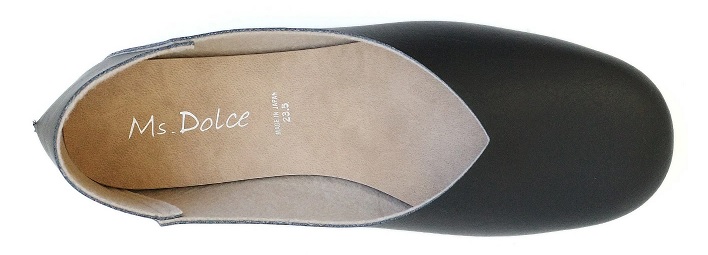
The company promotes women’s pumps bearing the mark “Ms. Dolce” via the Internet.

A capture from Rakuten “AmiAmi” online shop

The JPO admitted registration on January 31, 2022, and published it for post-grant opposition on February 8, 2022.


Opposition by Dolce & Gabbana

Dolce & Gabbana filed an opposition on April 6, 2022, and argued the opposed mark “Ms. dolce” shall be canceled in contravention of Article 4(1)(viii) and (xv) of the Japan Trademark Law since relevant consumes are likely to confuse the source of footwear bearing the opposed mark with Dolce & Gabbana because of a close resemblance between “Ms. dolce” and the mark “Dolce” that has become famous per se as a source indicator of the opponent and been known for the abbreviation of Domenico Dolce, as an Italian fashion designer and a co-founder of Dolce & Gabbana.

Article 4(1)(xv) is a provision to prohibit registration of a trademark which is likely to cause confusion with the business of other entities.

Article 4(1)(viii) prohibits registration of trademarks that contain the representation or name of any person, famous pseudonym, professional name, or pen name of another person, or famous abbreviation thereof.


JPO decision

The JPO Opposition Board did not admit the term “Dolce” per se has become famous as a source indicator of Dolce & Gabbana by finding that given the famous brand “Dolce & Gabbana” has been represented adjacent to the term “Dolce” on their goods, the Board has a reasonable doubt if the term has acquired a certain degree of reputation as a source indicator of the opponent from the produced evidence. Besides, the Board questioned whether “Dolce” has been known as an abbreviation of “Dolce & Gabbana” due to the same reason.

The Board assessed both marks have a low degree of similarity from visual, phonetical, and conceptual points of view by stating:

  1. Relevant consumers are unlikely to confuse the marks in appearance because of the distinction of the letters and configuration that constitute respective marks.
  2. The consumers are clearly able to distinguish two sounds with or without “Ms.”
  3. The opposed mark gives rise to a meaning of a woman named “dolce”. Meanwhile, the cited mark has a meaning of ‘sweet; dessert’ in the Italian language.

If so, even though footwear is closely associated with the opponent business, the Board has no reason to believe that relevant consumers would confuse a source of footwear bearing the opposed mark with Dolce & Gabbana by taking into consideration a low degree of similarity of the marks and insufficient evidence to bolster famousness of the cited mark “Dolce”.

Based on the foregoing, the Board decided the opposed mark shall not be canceled in contravention of Article 4(1)(viii) and (xv).

Harvey Ball wins trademark opposition over the double-eyed smiley face

In a recent administrative decision, the Japan Patent Office (JPO) sided with Harvey Ball Smile Limited in opposition against TM Reg no. 6524017 due to a conflict with the Double-Eyed Smiley Face mark.

[Opposition case no. 2022-900202 decided on March 3, 2023]

Opposed mark

Capital Co., Ltd. filed a device mark (see below) for use on various goods including personal ornament, bags, pouches, and clothing in classes 14, 16, 18, and 25 with the JPO on September 30, 2021.

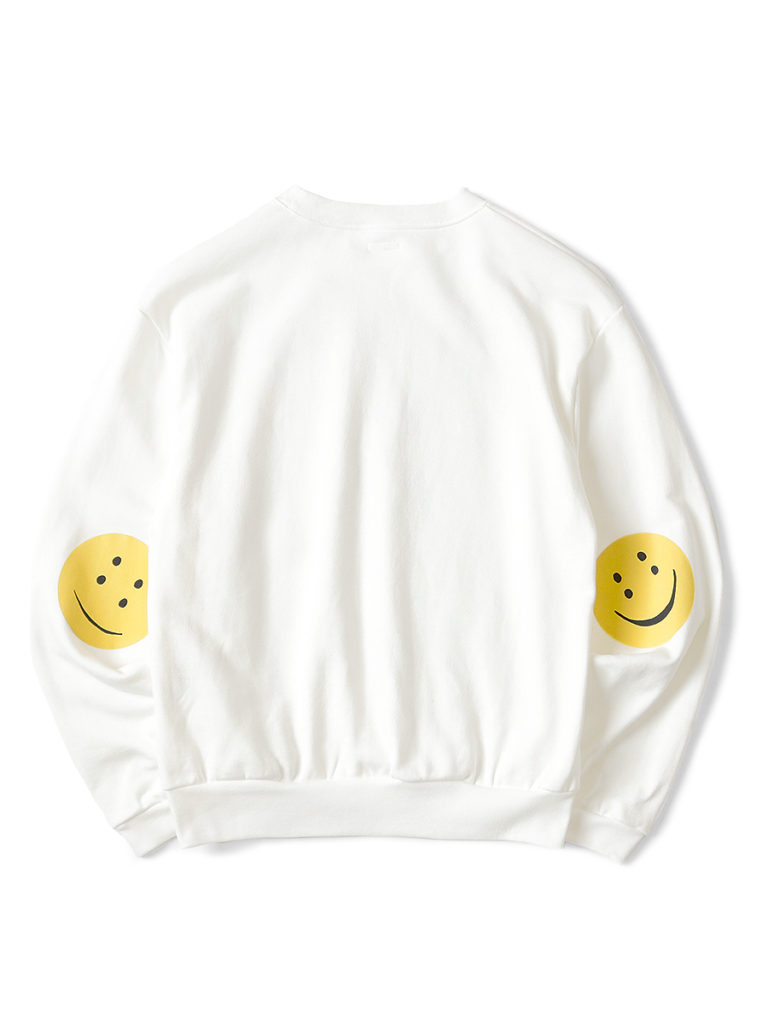
Apparently, the applicant promotes T-shirts, shoes, and bags bearing the opposed mark via the internet.

A screen capture of https://www.kapital-webshop.jp/category/MENSALL/EK1426.html

The JPO granted protection of the mark on March 7, 2022, and published it for opposition on March 15, 2022.


Opposition by Harvey Ball Smile Limited

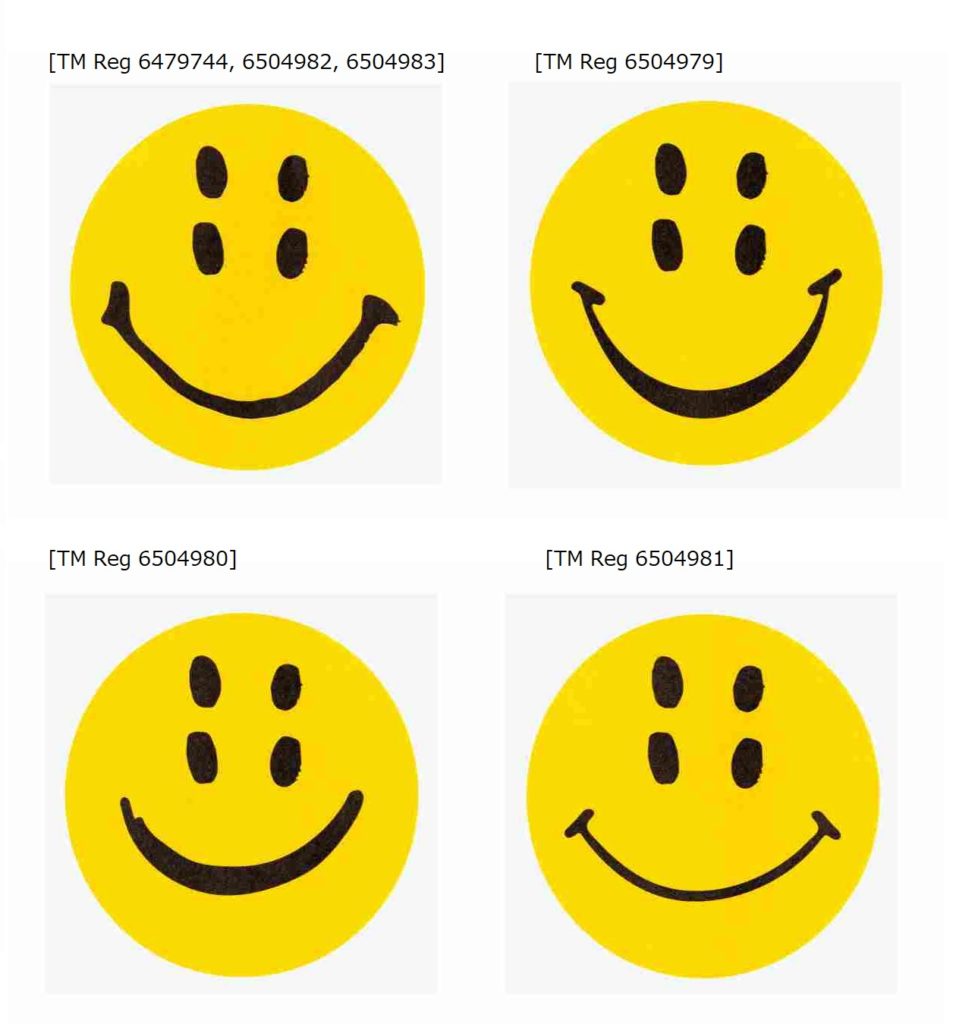
Harvey Ball Limited filed an opposition against May 16, 2022, and claimed cancellation of the opposed mark in contravention of Article 4(1)(xi) of the Japan Trademark Law by citing earlier TM Reg nos. 6479744, 6504979, 6504980, 6504981, 6504982, and 6504983 for the Double-eyed Smiley Face mark (see below).

Article 4(1)(xi) is a provision to prohibit registration of a junior mark that is identical with, or similar to, any senior registered mark.

The applicant argued against the opposition and alleged relevant consumers can distinguish two marks because of distinctive visual impressions arising from a different shape of the mouth.


JPO decision

The JPO Opposition Board found the opposed mark is similar to the Double-eyed Smiley Face mark by stating that:

“Comparing the opposed mark and the citations, from appearance, both marks represent a face in yellow with two sets of eyes. Although there are differences in details (such as the size of the dots, the thickness of the arc lines, the degree of opening, and the presence or absence of single lines at both ends of the arc lines) and facial expressions, these differences have less impact on the overall impression. If so, both marks have similar visual impressions as a whole.

Besides, since respective mark does not give rise to any specific sound and meaning, they are not comparable from phonetical and conceptual points of view.

Therefore, the Board has a reason to believe that both marks are likely to cause confusion when used on the personal ornament, bags, and pouches, clothing in classes 14, 18, and 25 that are deemed similar to the goods designated under the citations.”

Based on the foregoing, the JPO decided to partially cancel the opposed mark in relation to personal ornament, bags, and pouches, clothing in classes 14, 18, and 25 in contravention of Article 4(1)(xi).

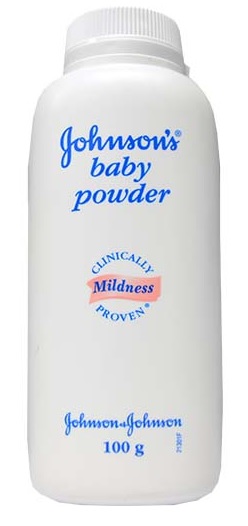
Johnson’s baby vs. JOHANSON bebis

The Japan Patent Office (JPO) did not side with Johnson & Johnson in trademark opposition who sought cancellation of TM Reg no. 6559102 for the “JOHANSON bebis” mark due to similarity to or likelihood of confusion with “Johnson’s baby”.

[Opposition case no. 2022-900314, decided on February 22, 2023]

JOHANSON bebis

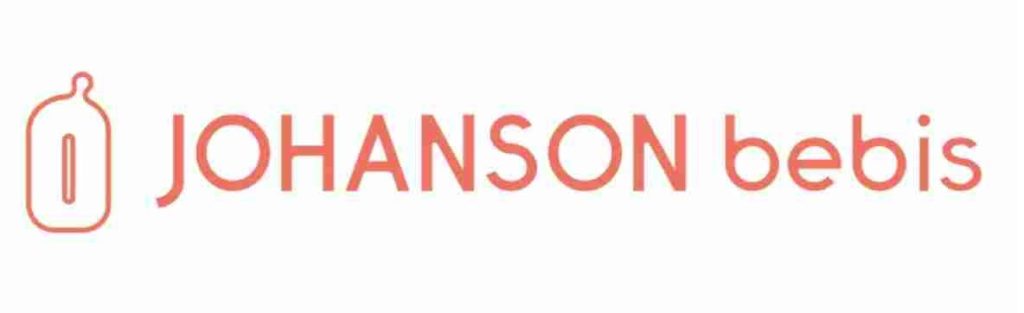
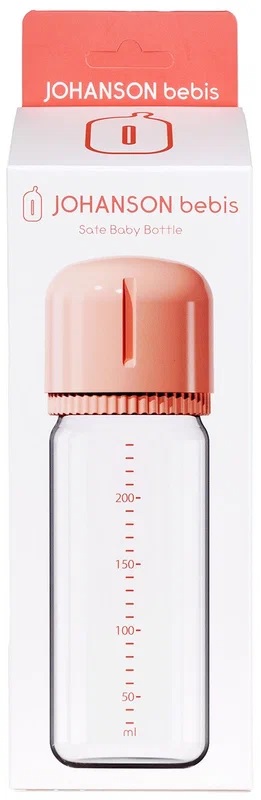
JOHANSON LIFE Co., Ltd., a Korean company, filed the “JOHANSON bebis” mark (see below) for use on babies’ bottles and nasal aspirators in class 10 with the JPO on June 28, 2021.

Apparently, the company promotes babies’ bottles bearing the applied mark.

The mark was registered by the JPO on May 20, 2022, and published for opposition on May 30, 2022.


Johnson’s baby

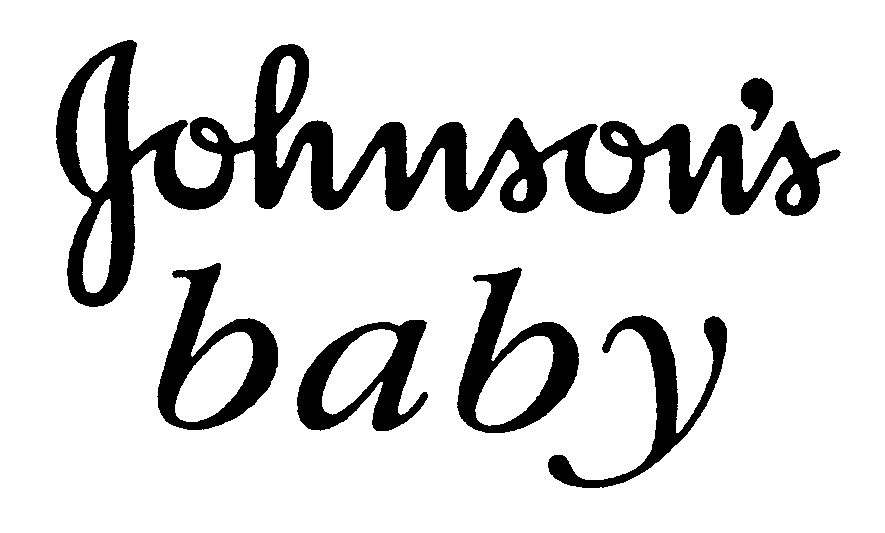
Johnson & Johnson, one of the oldest pharmaceutical companies in the US, has owned TM Reg no. 4032368 for the stylized word mark “Johnson’s baby” (see below) on baby bottles, nursing bottles, teats, feeding cups, and cotton swabs in class 10 since 1997.

Johnson & Johnson filed an opposition against the “JOHANSON bebis” mark on August 1, 2022, and argued the opposed mark shall be canceled in contravention of Article 4(1)(xi) and (xv) of the Japan Trademark Law due to visual and phonetical similarity and the likelihood of confusion between “JOHANSON bebis” and “Johnson’s baby” that has been famous for skin care products for baby when used on designated goods in class 10.


JPO Decision

The Opposition Board pointed out the produced evidence shows substantial use of the “Johnson’s” mark, however, none of them demonstrate actual use of the cited mark. If so, the Board has no reason to believe the cited mark has been well-recognized among relevant consumers in Japan.

As for the similarity of the mark, the Board found there is no risk of confusion between the opposed mark and the cited mark in appearance by means of the presence or absence of the device, and difference in the arrangement, composition, and number of alphabets.

Comparing the sound of “Johanson bebis” with “Johnson’s baby”, they are clearly distinguishable due to their different sound structures, and there is no risk of confusion in sound.  Besides, while the opposed mark does not have any specific concept, the cited mark gives rise to the meaning of “Johnson’s baby,” so there is no likelihood of confusion between the marks in the concept. If so, the opposed mark shall be dissimilar to the cited mark from visual, phonetical, and conceptual points of view.

Assuming that the cited mark has not been widely recognized as a source indicator of Johnson & Johnson and has a low degree of similarity to the opposed mark, it is unlikely that relevant consumers would confuse a source of goods in question bearing the opposed mark with Johnson & Johnson.

Based on the foregoing, the Board decided to dismiss the entire allegations and found the opposed mark shall not be canceled in contravention of Article 4(1)(xi) and (xv) in relation to the cited mark.

Failed trademark opposition by Volkswagen: POLO vs. QOLO

On December 28, 2022, the JPO Opposition Board dismissed the opposition claimed by German car giant Volkswagen AG against TM Reg no. 6512258 for the wordmark “Qolo” by finding dissimilarity to, and the unlikelihood of confusion with VW’s famous car model name “Polo” even when used in relation to automobiles.

[Opposition Case no. 2022-900157]

Opposed mark

Qolo Inc., a Japanese start-up company, filed a trademark application for the wordmark “Qolo” for various goods and services in classes 9, 10, 12, 20, 37, 42, and 44 including automobiles and repair, maintenance, and rental of cars on September 7, 2021.

The JPO granted protection of the opposed mark on February 10, 2022, and published it for registration on February 21, 2022.


Opposition by VW

Volkswagen AG filed an opposition against the opposed mark on April 19, 2022, before the lapse of a two-month statutory period counting from the publication date and claimed the opposed mark shall be canceled in contravention of Article 4(1)(xi) and (xv) of the Japan Trademark Law by citing VW’s earlier TM Reg no. 600030-2 for wordmark “POLO” on automobiles in class 12.

VW argued the opposed mark “Qolo” is deemed similar to “POLO” from visual and phonetical points of view. The opposed mark designates “electric vehicles; automobiles” in class 12, “repair and maintenance of automobiles; vehicle battery charging” in class 37, and “rental of automobiles, vehicles” in class 39 that are deemed identical or similar to automobiles.

In view of the remarkable reputation of VW POLO cars and the close resemblance between “Qolo” and “POLO”, it is highly likely that relevant consumers confuse a source of goods and services of the opposed mark when used on automobiles and its related services.


JPO decision

The Board admitted the famousness of the “POLO” mark as a source indicator of VW cars based on the facts that the Volkswagen Polo has been continuously imported to Japan since 1996 and ranked in the top 7 of imported automobiles for the past two decades.

However, the Board found “POLO” and “Qolo” are dissimilar in appearance and sound.

The difference in the first letter consisting of four letters in total would be anything but visually negligible. Likewise, the different pronunciation in the 1st sound consisting of two sounds in total gives rise to a distinctive impression.

By taking into consideration a lower degree of similarity between the marks and lack of originality for the term “POLO”, which means a game played on horseback between two teams, each of four players, the Board negated a likelihood of confusion between “POLO” and “Qolo” even when the opposed mark is used on goods and services in question.

Based on the foregoing, the Board dismissed the opposition entirely and decided that the opposed mark “Qolo” shall remain valid as the status quo.