KUMAMON triumphs over bear mascot trademark battle

The Japan Patent Office (JPO) sided with Kumamon and declared invalidation of trademark registration no. 5997141 for a bear-like design mark due to a likelihood of confusion with Kumamon.
[Invalidation case no. 2019-890004, Gazette issue date: February 28, 2020]

KUMAMON

Have you ever heard of “Kumamon”?

Nowadays, we are accustomed to see there are many organizations that create and use mascots to further their brands. Kumamon is a cuddly character with its pitch-black fur, red cheeks and white eyes designed as the official mascot (see below) of the Kumamoto Prefecture, a small prefecture in western Japan.

Kumamon made its debut in 2011 as part of a tourism promotion campaign for the Kyushu high-speed railway line. At the time a wave of local municipalities and companies sought to use ‘yuru-kyara’, or ‘relaxing characters’, to promote local products and attractions. Kumamon was hired as a part-time civil servant at Kumamoto before being elevated to sales manager. Such topics generated headlines and helped push Kumamon’s popularity beyond Kumamoto.
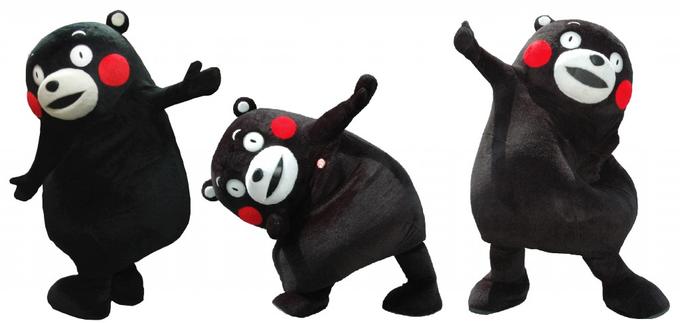
As an iconic symbol of ‘relaxing characters’, Kumamon has become a social and cultural phenomenon nationwide. Sales of goods using the Kumamon mascot topped 150 billion yen ($1.4 billion) in 2018.

To protect and promote the mascot, the Kumamoto Prefecture has registered its figurative image reproduced in 2D for various classed of goods and services in Japan as well as neighboring countries.

Disputed Mark

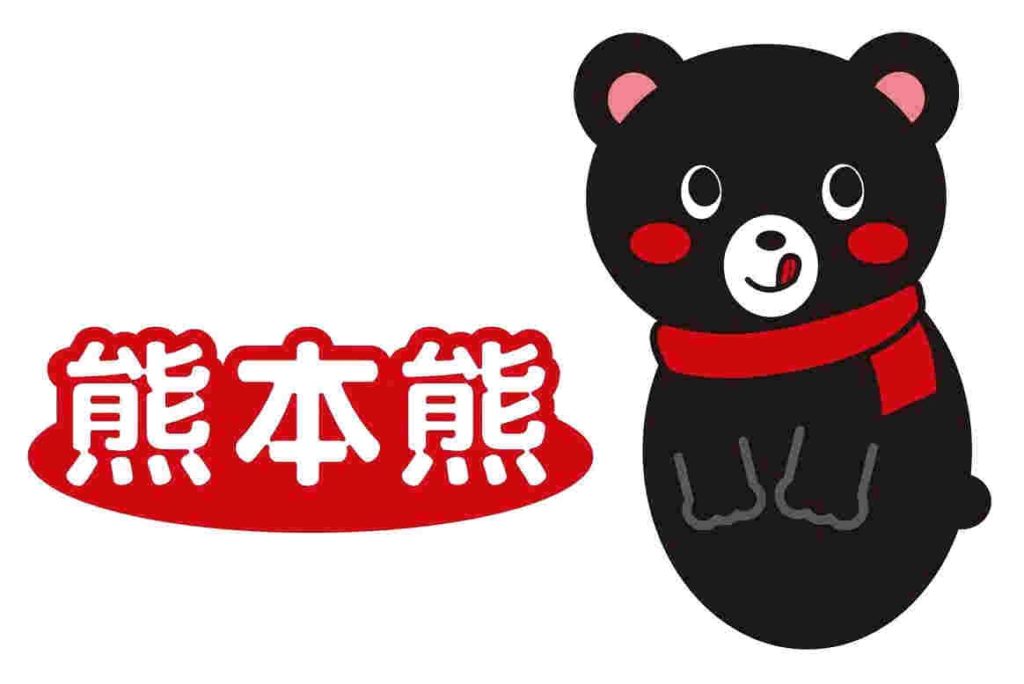
On March 21, 2017, Unique Design Company Limited (Belize) , sought to register the mark consisting of a bear-like design and three Chinese characters “熊本熊” which mean Kumamoto’s bear (see below) to be used on goods in class 11. The JPO granted protection of opposed mark on October 27, 2017.
Invalidation Trial

To challenge the validity of disputed mark, on January 25, 2019, the Kumamoto Prefecture filed an invalidation action to the JPO based on Article 4(1)(vi), (vii), (xi), (xv) and (xix) of the Japan Trademark Law. Kumamoto Prefecture argued that the figurative element of disputed mark closely resembles to the Kumamon character well-known for the official mascot of the Kumamoto Prefecture from appearance. Besides, the literal element of disputed mark gives rise to a similar meaning related to the Kumamoto Prefecture and Kumamon. If so, disputed mark as a whole shall be invalid due to a likelihood of confusion with Kumamon.

JPO Decision

The Invalidation Board of JPO found that:

  1. Unquestionably, Kumamon has acquired a remarkable degree of reputation and popularity nationwide as the official mascot of the Kumamoto Prefecture well before the filing date of disputed mark through continuous activities, promotions, and actual use on various goods since 2011. In addition, it becomes public among relevant consumers that the literal element of disputed mark “熊本熊” gets to be known as a Chinese name of Kumamon in China and neighboring countries.
  2. Since Kumamon has distinctive features visually different from wild bear, the mascot shall be deemed unique, creative, and impressive in itself.
  3. From appearance the bear-like design of disputed mark is confusingly similar to Kumamon. It gives rise to a similar meaning to Kumamon, the mascot originated from bear in the Kumamoto Prefecture. Likewise, the literal element of disputed mark gives rise to the same meaning. If so, both marks are considered highly similar.
  4. Due to free-use policy for brand promotion to domestic merchants (Kumamoto lets domestic companies use the character for free, but charges a license fee of a few percent on product sales by foreign companies), Kumamon mascot has been commercially used on wide range of goods over 10,000 items. 7-year cumulative sales exceed 510 billion JP-yen. If so, disputed goods in class 11, e.g. oil stoves, heaters, pocket warmers, electric foot warmers, shall be closely associated with the Kumamon goods in channels and consumers.

Based on the above findings, the Board concluded that relevant consumers and traders are likely to confuse disputed mark with Kumamon or misconceive a source from any entity systematically or economically connected with the Kumamoto Prefecture. Thus, disputed mark shall be invalidated in violation of Article 4(1)(xv) of the Trademark Law.
Trademark Battle – PUMA vs KUMA

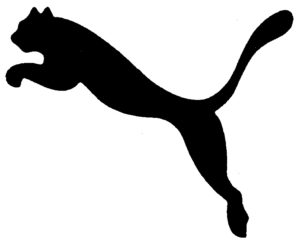
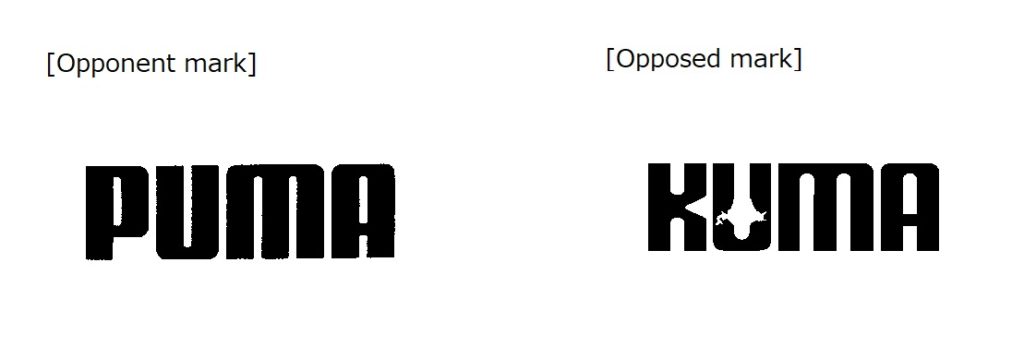
The Japan Patent Office (JPO) decided to invalidate trademark registration no. 5661816 for a stylized word “KUMA”, which means ‘bear’ in Japanese, due to similarity to, and a likelihood of confusion with a world-renowned sports brand, PUMA. [Invalidation case no. 2019-890021, Gazette issue date: January 31,2020]

KUMA mark

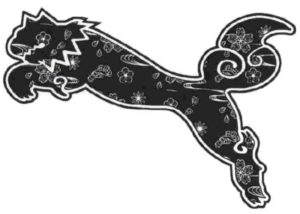
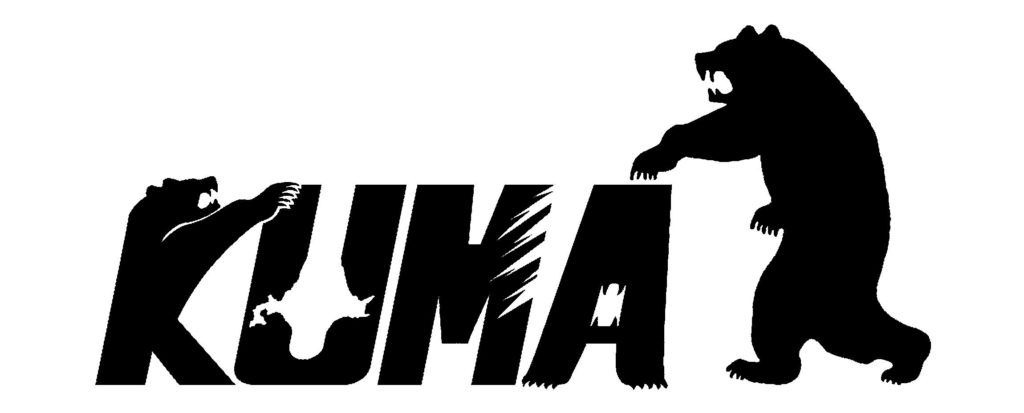
Disputed mark (see below),consisting of a stylized word “KUMA” with a partial island shape of Hokkaido, Japan’s most northerly main island, depicted on the inside of letter “U”, was filed on October 24, 2013 by a Japanese business entity having its principal place of business in Hokkaido over various goods in class 25 including sportswear and shoes.

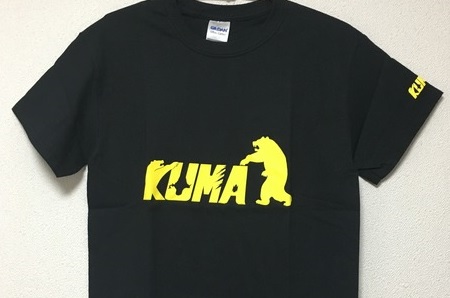
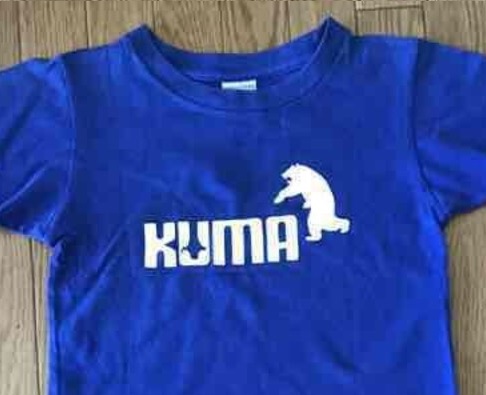
It was found Applicant has used the KUMA mark on T-shirts and other goods with a bear silhouette facing left in the upper right of the mark.

The JPO admitted registration on April 4, 2014 and published for opposition on May 13, 2014.

PUMA’s Opposition / Invalidation Trial

On June 13, 2014, PUMA SE filed an opposition against the KUMA mark based on Article 4(1)(vii) and 4(1)(xv) of the Trademark Law. PUMA argued relevant consumers or traders are likely to confuse or misconceive a source of disputed mark with PUMA when used on designated goods in class 25 because of a high reputation and close resemblance between PUMA word logo and the KUMA mark.

The Opposition Board admitted a high degree of popularity and reputation of PUMA word logo, however, Board dismissed the opposition entirely due to unlikelihood of confusion because of a low degree of similarity between the marks (Opposition case no. 2014-900177).

Subsequently, PUMA SE entrusted the case to us. On April 3, 2019, just one day before the lapse of five-year Statute of limitations, MARKS IP LAW FIRM on behalf of PUMA SE requested for an invalidation trial and challenged invalidating the KUMA mark based on Article 4(1)(vii), (xi), (xv) and (xix) of the Japanese Trademark Law.

Article 4(1)(vii) of the Trademark Law prohibits any mark likely to cause damage to public order or morality from registration.

Article 4(1)(xi) is a provision to refrain from registering a junior mark which is deemed identical with, or similar to, any senior registered mark on identical or similar goods/service.

Article 4(1)(xv) prohibits to register a trademark which is likely to cause confusion with a business of other entity.

Article 4(1)(xix) prohibits to register a trademark which is identical with, or similar to, other entity’s famous mark, if such trademark is aimed for unfair purposes, e.g. gaining unfair profits, or causing damage to the entity.

Invalidation Decision

The Invalidation Board reversed the opposition decision and decided in favor of PUMA on all grounds by finding that:

  1. PUMA word logo has been continuously well-known in Japan for a source indicator of PUMA in connection with sports shoes, sportswear and others among relevant consumers and traders.
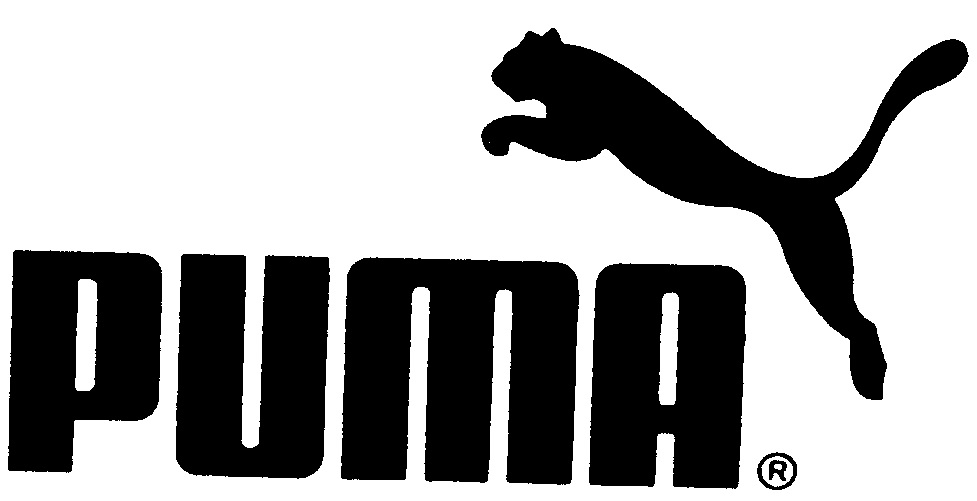
  2. A mere difference on initial letter of both marks and the Hokkaido island shape shall be insufficient to overturn an overall impression of the mark from visual and phonetic points of view. Conceptually, the KUMA mark, having a meaning of bears in Japanese, would give rise to a similar meaning with PUMA word logo, four-footed mammal. If so, by taking into consideration a high degree of reputation and popularity of PUMA word logo, both marks shall be deemed similar.
  3. Configuration of PUMA word logo looks unique, creative, and impressive in itself.
  4. Besides, given close association between designated goods in class 25 and PUMA’s business, relevant consumers of the goods in question with an ordinary care are likely to confuse its source with PUMA.
  5. It has good reasons to believe that the applicant of disputed mark did fraudulently apply the KUMA mark for registration with an aim to free-ride and dilute PUMA’s goodwill based on totality of the circumstances.
  6. If so, applicant must have filed disputed mark with a malicious intention to dilute or do harm to PUMA’s goodwill, which was impermissible to protect public order and morals

Based on the foregoing, the JPO decided to invalidate the KUMA mark based on Article 4(1)(vii), (xi), (xv) as well as 4(1)(xix) of the Japan Trademark Law.

PUMA’s Fight Against Logo Parody

On August 1, 2019, the Japan Patent Office (JPO) decided to invalidate trademark registration no. 5861923 for composite mark consisting of a word “KUMA”, which means ‘bear’ in Japanese, and the bear device by finding a likelihood of confusion with a world-renowned sports brand, PUMA and detrimental effect to public policy or morality.
[Invalidation case no. 2019-890001]

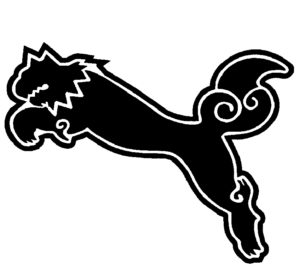
KUMA device mark

Disputed mark (see below) was filed on January 7, 2016 by a Japanese business entity in Hokkaido, Japan’s most northerly main island, an otherworldly volcanic land with eastern Asia’s highest concentration of brown bears, over various goods in class 25 including sportswear and shoes.

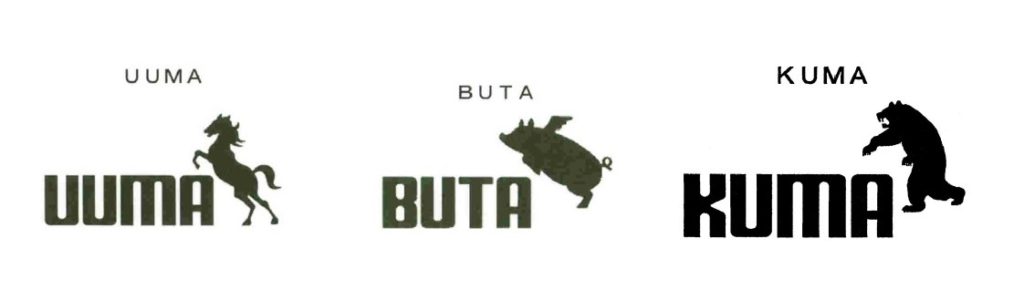
Precedently, applicant applied for registration of following trademarks, consist of four alphabets in bold font and an animal silhouette facing left depicted in the upper right of the alphabets, on goods in classes 9, 14, 16, 24, 25 and 28, but in vain.

“UUMA” means ‘horse’, “BUTA” means ‘pig’, “KUMA” means ‘bear’ in Japanese. It is obvious that both literal element and figurative element of respective mark give rise to a same meaning, which is the same for PUMA.

It is likely the applicant intended to use these marks on souvenirs from Hokkaido since we get accustomed to see scenes at a famous tourist spot that T-shirts and other small items displayed at gift shops parody famous brands by featuring local specialty to attract tourists for fun.

PUMA’s Opposition / Invalidation Trial

On September 26, 2016, PUMA SE filed an opposition against the KUMA mark based on Article 4(1)(vii) and 4(1)(xv) of the Trademark Law. PUMA argued relevant consumers or traders are likely to confuse or misconceive a source of disputed mark with PUMA when used on designated goods in class 25 because of a high reputation and close resemblance between PUMA logo and the KUMA mark.

The Opposition Board admitted a high degree of popularity and reputation of PUMA logo, however, the Board dismissed the opposition entirely due to unlikelihood of confusion as a result of low degree of similarity between the marks (Opposition case no. 2016-900308).

Subsequently, PUMA SE entrusted the case to MARKS IP LAW FIRM. On New Year’s Eve of 2018, MARKS IP LAW FIRM on behalf of PUMA SE requested for an invalidation trial and sought to annul the KUMA mark on the same grounds.

Invalidation Decision

The Invalidation Board reversed the opposition decision and decided in favor of PUMA by finding that:

  1. PUMA logo has been continuously famous as a source indicator of PUMA in connection with sports shoes, sportswear and others among relevant consumers and traders in Japan.
  2. Configuration of PUMA logo looks unique, creative, and impressive in itself.
  3. Regardless of visual difference in detail between the marks, overall impression of both marks is quite similar.
  4. Given close association between designated goods in class 25 and PUMA business, relevant consumers of the goods with an ordinary care are likely to confuse its source with PUMA
  5. Besides, it is presumed the current registrant of disputed mark was knowingly assigned a similar KUMA mark that applicant had a fraudulent intent to free-ride and dilute PUMA’s goodwill.
  6. If so, current registrant must have filed disputed mark with a fraudulent intention to dilute or do harm to PUMA’s goodwill given a close resemblance of between disputed mark and a rejected KUMA mark (see above right).

Based on the foregoing, the JPO decided to invalidate disputed marks based on Article 4(1)(xv) as well as 4(1)(vii) of the Japan Trademark Law.

Patagonia Victorious in Trademark Battle

The Trial Board of Japan Patent Office (JPO) recently upheld an invalidation petition by US outdoor apparel company, Patagonia Inc. against TM Reg. no. 6028801 for the “royalwest” mark in combination with figurative elements due to a likelihood of confusion with Patagonia logo.
[Invalidation case no. 2018-890048, Gazette issue date: June 28, 2019]

TM Registration no.6028801

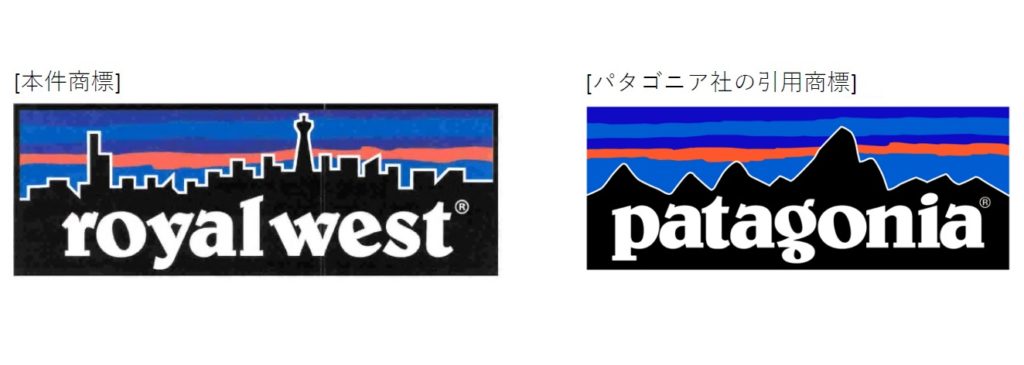
Disputed mark, consisting of a word “royalwest” and figurative elements (see below left), was applied for registration on April 13, 2017 in respect of apparels and other goods in class 25.

Without confronting with a refusal during substantive examination, disputed mark was registered on March 23, 2018.

Petition for invalidation

Japan Trademark Law provides a provision to retroactively invalidate trademark registration for certain restricted reasons specified under Article 46 (1).

US outdoor apparel company Patagonia Incorporated filed a petition for invalidation against disputed mark on June 29, 2018. Patagonia argued it shall be invalidated due to similarity to an owned senior trademark registration no. 5891980 for the Patagonia mark with figurative elements depicting mountain landscape and sky in blue, purple and orange color (see above right), and a likelihood of confusion with its famous brand when used on designated goods in class 25 based on Article 4(1)(xi) and (xv) of the Trademark Law.

Board decision

At the outset, the Board admitted the Patagonia logo has acquired a high degree of popularity and reputation as a source indicator of Patagonia Inc. among relevant consumers in connection with outdoor goods.

In assessing similarity of both marks, the Board found that a literal element of respective mark is unquestionably dissimilar. However, even if both marks give rise to a different pronunciation and concept, by taking account of similar factors: (1) coloring of the sky, (2) font design and size, (3) rectangular outline, (4) black silhouette with a white border line, (5) configuration and proportion of respective elements, and balancing them comprehensively, relevant consumers with an ordinary care at the sight of both marks would conceive a same impression from appearance and associate disputed mark with Patagonia. If so, it is obvious that visual similarity plays a key role in the assessment. A phonetical and conceptual difference arising from literal element is insufficient to negate similarity between the marks in its entirety.

Based on the foregoing, the Board concluded that, from totality of circumstances and evidences, relevant traders or consumers are likely to confuse or misconceive a source of disputed mark with Patagonia or any entity systematically or economically connected with the opponent when used on apparels and any other designated goods in class 25 and declared invalidation based on Article 4(1)(xi) and (xv).

Boeing Wins 777 Trademark Victory

The Trial Board of Japan Patent Office (JPO) recently upheld The Boeing Company’s invalidation petition against TM Reg. no. 5990529 for the “PACHINKO&SLOT AIRPORT 777” mark in respect of amusement services in class 41 due to a likelihood of confusion with Boeing’s famous jet airliner “777”.
[Invalidation case no. 2018-890054, Gazette issue date: May 31, 2019]

AIRPORT 777

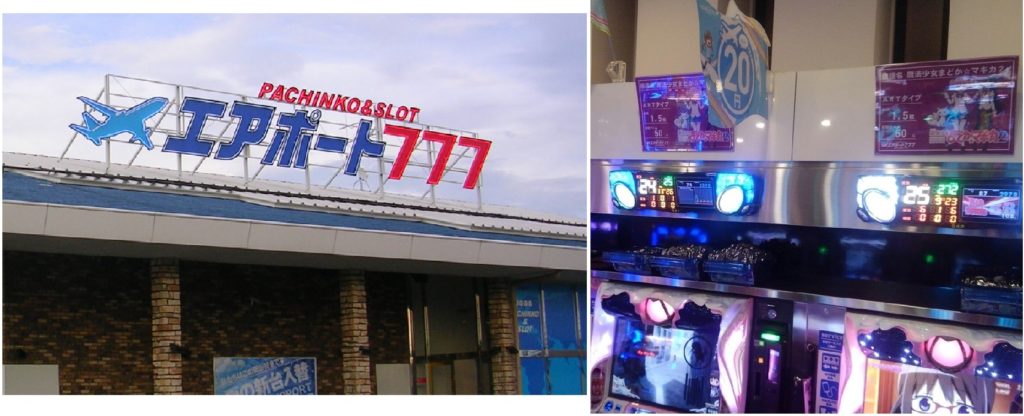
Mark in dispute, consisting of three terms, “PACHINKO&SLOT” and “AIRPORT777” in English and Japanese in three lines, and a device of jet airliner (see below), was applied for registration by SEA Co., Ltd., a Japanese business entity, on February 17, 2017 in respect of providing Pachinko and slot machine parlors, game services provided online from a computer network or mobile phone; providing amusement facilities and other services in class 41.

Opposed mark “AIRPORT 777”

SEA CO., Ltd. has been operating pachinko and slot machine parlors in the name of AIRPORT 777.

Pachinko& Slot Airport 777

Without confronting with a refusal during substantive examination, the AIRPORT 777 mark was registered on October 20, 2017.

Petition for Invalidation

Japan Trademark Law provides a provision to retroactively invalidate trademark registration for certain restricted reasons specified under Article 46 (1).

The Boeing Company, the world’s largest American aerospace company and leading manufacturer of commercial jetliners, defense, space and security systems, and service provider of aftermarket support, filed a petition for invalidation against opposed mark on July 17, 2018. Boeing argued the AIRPORT 777 mark shall be invalidated due to a likelihood of confusion with “777” The Boeing 777 when used on above designated services in class 41 based on Article 4(1)(xv) of the Trademark Law.
The Boeing 777 is the world’s largest twin-engine jet airliner, first flown in June of 1994. Commonly referred to as the ‘Triple Seven,’ the 777 is Boeing’s first fly-by-wire airliner (an electronic system that replaces the conventional manual flight controls of an aircraft) and the first commercial aircraft entirely computer-designed.

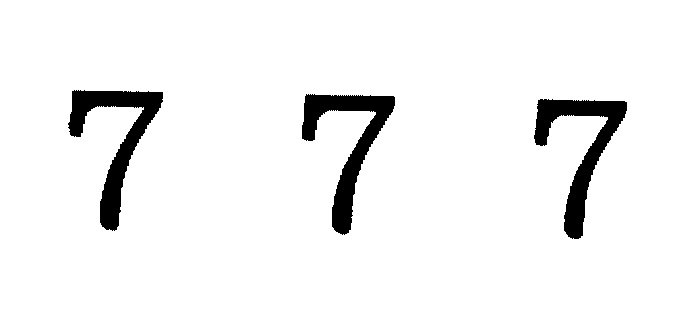
In Japan, Boeing has successfully registered three digits “777” in respect of jet airliners in class 12 since 2001. Trademark Registration no. 4456004 (see below).

Japan TM Registration no. 4456004

Board decision

The Board admitted that the “777” mark has acquired a high degree of popularity and reputation as a source indicator of Boeing jetliners among relevant consumers.

In assessment of the similarity between two marks, at the outset the Board found that three digits 777 implies a meaning of wining jackpot in association with pachinko and slot machines. However, by taking account of a term “AIRPORT” and a silhouette of jet airliner, the Board considered it is likely that relevant consumers with an ordinary care shall connect or associate the services using opposed mark with The Boeing 777. If so, it is unquestionable that opposed mark is highly similar to a famous mark “777”. Besides, since recent game and amusement industry have a trend to introduce flight and airplane games with new technology or to use images, video and sounds of jet airliner, it is not unreasonable to find above services in class 41 are closely related to jet airliners. In view of Boeing’s business portfolio, it is highly predictable that The Boeing Company expands the business and launches amusement business.

Based on the foregoing, the Board concluded that, from totality of circumstances and evidences, relevant traders or consumers are likely to confuse or misconceive a source of opposed mark with Boeing or any entity systematically or economically connected with the opponent and declared invalidation based on Article 4(1)(xv).

IP High Court ruling: “BULK AAA” confusingly similar to “BULK HOMME”

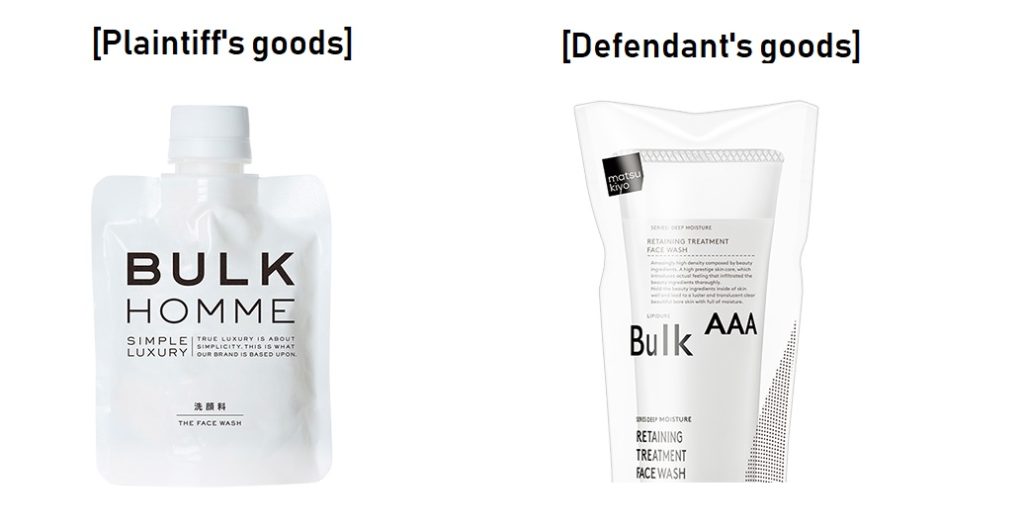
On March 7, 2019, the Japan IP High Court revoked a decision by the Japan Patent Office (JPO) to invalidation trial over a dispute of similarity between trademark “BULK AAA” and “BULK HOMME”, and ruled “BULLK AAA” shall be retroactively invalid. [Judicial case no. Heisei30(Gyo-ke)10141]


BULK HOMME

The case was brought into the IP High Court after the JPO decided to dismiss an invalidation trial (case no. 2017-890079) claimed by BULK HOMME Co., Ltd. (Plaintiff), an owner of senior trademark registration no. 5738351 for a  mark consisting of “BULK HOMME” and other literal elements (see below) over goods of cosmetics, skin care products for men in class 3.


INVALIDATION TRIAL AGAINST “BULK AAA”

In the invalidation trial, plaintiff asserted trademark registration no. 5931607 for word mark “BULK AAA” in standard character shall be invalid in violation of Article 4(1)(xi) of the Trademark Law since the mark is confusingly similar to “BULK HOMME” and designates cosmetics (class 3) which is undoubtedly identical with or similar to the goods designated under its own senior registration.

Article 4(1)(xi) is a provision to prohibit from registering a junior mark which is deemed identical with, or similar to, any senior registered mark.

Inter alia, plaintiff vehemently argued the term “AAA” in disputed mark lacks distinctiveness as a source indicator in relation to cosmetics since “AAA” is a term commonly used to represent the highest possible rating assigned to the bonds of an issuer by credit rating agencies. Given the circumstance, relevant consumes of cosmetics are likely to consider the term in disputed mark a qualitative indication of the goods even if the term has not been used as such  in connection with cosmetics in fact.

However, the Trial Board of JPO set aside the allegation by stating that disputed mark “BULK AAA” shall be assessed in its entirety. It is groundless to compare a word portion “BULK” of disputed mark with “BULK HOMME” given the Board could not identify any facts to assume relevant consumers of cosmetics conceive the term “AAA” of disputed mark as a qualitative indication. Both marks are sufficiently distinguishable from visual, phonetic, and conceptual points of view and dissimilar as a whole.

To contend against the decision, plaintiff filed an appeal to the IP High Court.


IP HIGH COURT DECISION

The IP High Court, to the contrary, sided with plaintiff and completely negated fact-findings made by the Trial Board of JPO. The Court held the term “AAA” is recognized as a qualitative indication even when used on cosmetics and thus the word portion of “BULK” is likely to play a dominant role of source indicator. If so, it is anything but inappropriate to pick up the word “BULK” from disputed mark and compare it with other mark in the assessment of mark similarity.

Besides, “HOMME” is a French word meaning “for men”. From the produced evidences, it seems apparent the word has been used in relation to men’s cosmetics, and consumers are accustomed to it so that they can recognize the meaning. Given the term is depicted in a thinner font than “BULK” in the citation, “BULK” gives dominant impression as a source indicator in the mind of consumers. Accordingly, it is reasonable to pick up the word “BULK” from the citation and compare it with other mark in the assessment of mark similarity.

The Court found that the Trial Board materially erred in the fact-finding and assessing similarity of mark. As long as dominant portion “BULK” of both marks and designated goods are identical, disputed mark shall be invalid based on Article 4(1)(xi).

Is Marie-Antoinette a name of French Queen consort or a trademark?

The Japan Patent Office (JPO) ordered to dismiss an invalidation trial against IR no. 1238820 for word mark “Marie-Antoinette” by finding the mark shall be irrevocable under Article 4(1)(vii) of the Trademark Law. [case no. 2017-68002]

Tempting Brands Netherlands B.V. (NL), filed an international registration for the mark over goods of “Bleaching preparations [deodorants] for cosmetic purposes; perfumery, essential oils, cosmetics, hair lotions; dentifrices; cosmetic soaps, soaps for personal use; douching preparations for personal sanitary or deodorant purposes [toiletries]” in class 3 and others in class 9, 18 and 25 on Dec. 5, 2014 claiming priority based on Benelux TM application dated Aug. 22, 2014, and designating Japan which granted registration of the mark on Feb. 10, 2017.

To challenge, an invalidation trail was filed against the mark. Claimant, a Japanese business entity asserted the mark shall be invalidated in violation of Article 4(1)(vii) of the Trademark Law on the grounds that the mark “Marie-Antoinette” written in a plain letter represents the late ill-fated queen consort of King Louis XVI of France who has been highly well-known as a symbolic queen of beauty among relevant public not only in France but also Japan and other countries. If so, it is extremely harmful to prestige of “Marie Antoinette” and social affections on the historical figure to admit an exclusive right on the name to any unrelated entity. It may inevitably offend public order and morals

Article 4(1)(vii) of the Trademark Law prohibits any mark likely to cause damage to public order or morality from registration. Trademark Examination Guidelines provides  “Name of a well-known or famous historical personage likely to free-ride on public measures derivative from the personage and damage the public interests in face” as an example to apply the article.

The Invalidation Trial Board decided the mark shall not be subject to the article due to the following reason.

It is unquestionable that “Marie-Antoinette” represents a name of queen consort of King Louis XVI of France and becomes famous in France as well as Japan. In the meantime, the Board could not see a fact that the name has been made use of for revitalization of local communities or tourism industry. If so, it is quite unlikely to happen that the mark could offend public order and morals when used on goods of class 3. Besides, the Board has no reason to believe registration of the mark would cause disrespect for France and French people as well as international fidelity.  Besides, there finds no circumstances to conclude the mark is proscribed to use by other legislation and applicant apparently filed the mark with a malice or fraudulent intent to be blamed.  Based on the foregoing, the international registration shall be deemed valid since the Board was unable to find out any relevant facts to apply the article on the case.

It is not freely allowed to use and register a name of historical personage as trademark. JPO rejected “Darwin” and “Monet” based on Article 4(1)(vii), but allowed registration of “Elvis”.

Trademark Dispute over Pendant Lamp Shade

In a decision to the invalidation trial claimed by LUIS POULSEN A/S, a Danish company, the Trial Board of Japan Patent Office (JPO) upheld the petition and invalidated TM registration no. 5643726 for a combination mark containing the pendant lamp shade design (see below) in violation of Article 4(1)(xix) of the Trademark Law.
[Invalidation case no. 2017-890003, Gazette issue date: September 28, 2018]


Disputed mark

Disputed mark, consisting of a literal element “R&M Interior Store”, “R&M” logo in the shape of shield and the pendant lamp shade design (see below), was filed on June 14, 2013 by a Japanese business entity, designating wholesale or retail services for lighting apparatus and others in class 35.

Going through substantive examination, the JPO admitted registration on January 17, 2014. Three years after the registration, LUIS POULSEN A/S filed an invalidation action against disputed mark on January 4, 2017.


Invalidation trial

During the invalidation trial, LUIS POULSEN A/S argued disputed mark shall be invalidation based on Article 4(1)(xix) since the applicant filed the mark, confusingly similar to trademark registration no. 5825191 for 3D mark in the shape of unique pendant lamp shade (see below) well-known for “PH5” created by a Danish designer Poul Henningsen, with a malicious intention to damage claimant.

According to supporting evidence produced to the trial, “PH5” lamp was originally designed in 1958. It has been promoted for sale in the marketplace of Japan since 1976. More than 500,000 lamps have been produced and sold around the globe. To bolster its reputation, LUIS POULSEN submitted a written declaration by Danish Ambassador to Japan. Besides, 3D shape of “PH5” lamp shade is successfully registered by finding acquired distinctiveness as a result of substantial use and uniqueness finally to serve as a source indicator (TM Registration no. 5825191).


Article 4(1)(xix)
 prohibits to register a trademark which is identical with, or similar to, other entity’s famous mark, if such trademark is aimed for unfair purposes, e.g. gaining unfair profits, or causing damage to the entity.


Board decision

The Board found that:

  1. 3D shape of “PH5” lamp has become famous as a source indicator of LUIS POULSEN among relevant domestic consumers well before the filing date of disputed mark as a result of continuous marketing activities in Japan since 1976.
  2. In the assessment of trademark similarity, it is unquestionable that the pendant lamp shade design depicted in disputed mark closely resembles “PH5”. From overall appearance, relevant consumers and traders will conceive the portion of the pendant lamp shade design plays a dominant role in disputed mark.
  3. The fact that applicant promoted similar lamp shade as “reproduct” or “generic product” of “PH5” convinces us that applicant has been aware of prospective controversy and causing damage to business interest of LUIS POULSEN.

Based on the above findings, the Board concluded that applicant filed a similar mark to “PH5” well-known for a pendant lamp shade of LUIS POULSEN with a malicious intention to gain unfair profits or cause damage to claimant. Thus, disputed mark shall be invalidated in violation of Article 4(1)(xix) of the Trademark Law.

Google victorious in trademark dispute for YouTube icon

The Trial Board of Japan Patent Office (JPO) recently upheld Google’s invalidation petition against TM Reg. no. 5665763 for the “Video Blog” mark in combination with figurative element (see below) due to similarity to YouTube icon and a likelihood of confusion with Google business.
[Invalidation case no. 2017-890005, Gazette issue date: July 27, 2018]


TM Registration no.5665763

Opposed mark, consisting of two words “Video Blog” in English and Japanese in two lines, and figurative elements depicted in between the words, was applied for registration on August 13, 2013 in respect of broadcasting services for internet in class 38.

Without confronting with a refusal during substantive examination, opposed mark was registered on April 25, 2014.

Petition for invalidation

Japan Trademark Law provides a provision to retroactively invalidate trademark registration for certain restricted reasons specified under Article 46 (1).

Google Incorporated filed a petition for invalidation against opposed mark on January 25, 2017. Google argued it shall be invalidated due to a conflict with famous YouTube icon (see below) and a likelihood of confusion with Google business when used on internet broadcasting services in class 38 based on Article 4(1)(x) and (xv) of the Trademark Law.

Board decision

The Board admitted that YouTube icon has acquired a high degree of popularity and reputation as a sign to play movies and TV shows on YouTube or an icon to start up YouTube application among relevant consumers of broadcasting service for internet.

In assessment of the similarity between two marks, at the outset the Board found that the words “Video Blog” of opposed mark in itself lack distinctiveness as a source indicator in relation to the designated service. If so, the figurative element of opposed mark plays key role as a source indicator. It is unquestionable that the figurative element is highly similar to Youtube icon. Besides, in view of Google’s business portfolio, it is highly predictable that Google launches broadcasting or news distributing business.

Users of Google services are also likely to receive internet broadcasting services.

Based on the foregoing, the Board concluded that, from totality of circumstances and evidences, relevant traders or consumers are likely to confuse or misconceive a source of opposed mark with Google or any entity systematically or economically connected with the opponent and declared invalidation based on Article 4(1)(x) and (xv).