Top 10 Trademark News in Japan, 2025

As the year 2025 comes to an end, it is a good time to share the top 10 trademark news in Japan by counting the total number of likes on the Linkedin “Like” Button.


1: JPO Grants TM Registration for 3D Shape of the Popular Pocky Cookie

The Japan Patent Office (JPO) granted trademark registration for the three-dimensional (3D) shape of Ezaki Glico’s iconic “Pocky” cookie, recognizing that the shape had acquired distinctiveness in relation to chocolate confections in Class 30 [TM Reg. No. 6951539].


2: UNIQLO Lost in Trademark Opposition against UNIPRO

UNIQLO lost in its attempt to oppose TM Reg no. 6746724 for the mark “UNIPRO” in class 28 due to dissimilarity and unlikelihood of confusion with a world-famous Japanese clothing brand “UNIQLO”.


3: STARBUCKS Unsuccessful Invalidation Action against Trademark “STARBOSS”

The Japan Patent Office (JPO) dismissed an invalidation action claimed by Starbucks Inc. against TM Reg no. 6595964 for wordmark “STARBOSS” in class 32 due to dissimilarity to and unlikelihood of confusion with the world’s largest coffee chain “STARBUCKS”.


4: IP High Court ruling: STARBUCKS vs STARBOSS

The Japan IP High Court did not side with Starbucks Corporation in a trademark dispute between “STARBUCKS” and “STARBOSS”, and affirmed the JPO decision that found “STARBOSS” dissimilar to, and less likelihood of confusion with “STARBUCKS when used on beverages.


5: Trademark dispute: SONY vs SONIMART

The Japan Patent Office (JPO) sided with SONY in a trademark invalidation action against TM Reg no. 6162062 for word mark “SONIMARK” in classes 35 and 42 by finding a likelihood of confusion with famous mark “SONY”.


6: MONSTER STRIKE vs MONSTER ENERGY

The Japan Patent Office (JPO) did not decide in favour of Monster Energy Company in its opposition to Defensive Mark Reg. No. 5673517 for the word mark “MONSTER STRIKE” in Classes 29, 30, and 32.


7: YONEX Scored Win in Registering Color mark

On October 21, 2025, the Japan Patent Office (JPO) granted registration of a color mark that consists of blue and green colors, filed by Yonex Co., Ltd. to use on badminton shuttlecocks by finding acquired distinctiveness of the color combination.


8: HERMES Defeated with Trademark Opposition against KIMONO TWILLY

The Japan Patent Office (JPO) dismissed an opposition filed by Hermes International against TM Reg no. 6753650 for the word mark “KIMONO TWILLY” in Class 18, claiming a likelihood of confusion with the Hermes scarves “TWILLY”.


9: JPO Said No to Register Kawasaki Green Color Mark

On March 19, 2025, the Japan Patent Office (JPO) finally decided to reject a color mark application filed a decade ago by Kawasaki Heavy Industries, Ltd., which sought to register a green color used on the world-famous Kawasaki motorcycles.


10: TOMMY HILFIGER vs TOMTOMMY

The Japan Patent Office (JPO) did not side with Tommy Hilfiger Licensing B.V. in an opposition against TM Reg no. 6604265 “TOMTOMMY” due to dissimilarity and unlikelihood of confusion with “TOMMY” and “TOMMY HILFIGER”.
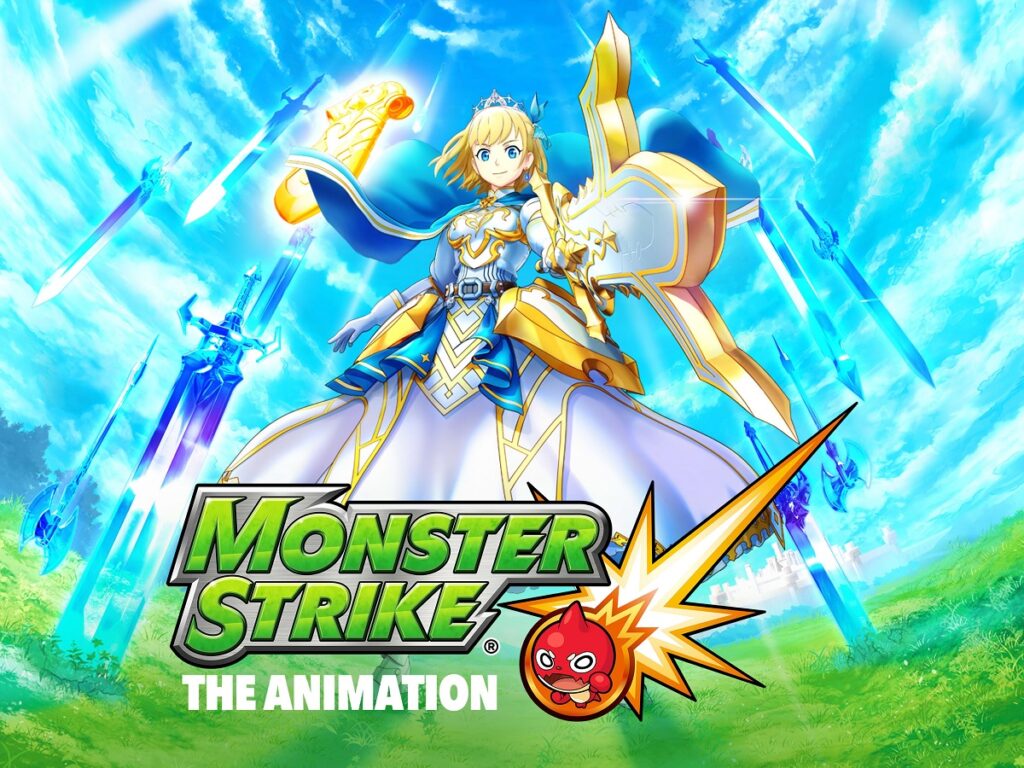
MONSTER STRIKE vs MONSTER ENERGY

The Japan Patent Office (JPO) did not decide in favour of Monster Energy Company in its opposition to Defensive Mark Reg. No. 5673517 for the word mark “MONSTER STRIKE” in Classes 29, 30, and 32.
[Opposition case no. 2023-900135, decided on November 4, 2025]


MONSTER STRIKE

Monster Strike, a popular mobile “slingshot hunting RPG” developed by the Japanese company Mixi, is famous for its simple pull-and-release gameplay, deep co-op mode for up to four players, frequent collaborations, and immense revenue. Monster Strike essentially saved Mixi’s social network legacy, becoming a cultural phenomenon in Japan and generating billions in revenue while fostering family communication.

Since 2014, Mixi has owned trademark registration for the word mark “MONSTER STRIKE” in Classes 9 and 41 in connection with game programs [TM Reg no. 5673517].

On March 29, 2021, Mixi filed a defensive mark application for the mark to expand the scope of protection in Classes 14, 16, 18, 21, 24, 25, 26, 28, 29, 30, 32, and 33, including beverages [TM Application no. 2021-37152].


Defensive mark

Article 64 of the Japan Trademark Law provides the requirements for defensive mark registration.

“Where a registered trademark is well known among consumers as an indicator of the designated goods or service in connection with the owner’s business and confusion is likely if the mark is to be used on dissimilar goods or services by a third party, the owner is entitled to obtain a defensive mark registration for the same mark in connection with such goods or services.”

A trademark can be registered as a defensive mark for dissimilar goods or services not covered by the original registration if the owner can demonstrate that the mark has gained significant prestige for the goods or services for which it has been used. This is because relevant consumers are likely to confuse the source of the goods or services if they are remotely associated with or dissimilar to those in the original registration due to the substantial reputation of the mark.

It is noteworthy that the JPO does not examine whether a defensive mark may confuse earlier marks that have been registered on the goods and services designated in the defensive mark application.

The JPO granted registration of the mark MONSTER STRIKLE in Classes 14, 16, 18, 21, 24, 25, 26, 28, 29, 30, 32, and 33 as a defensive mark on March 24, 2023, and published it for a post-grant opposition on April 3, 2024.

Subsequently, Monster Energy Company filed an opposition against the defensive mark registration, claiming cancellation for goods, inter alia, beverages, in Classes 29, 30, and 33, in contravention of Article 64.


JPO decision

The JPO Opposition Board found that “MONSTER STRIKE” has been widely recognised among not only consumers for game programs designated under the original registration, but also relevant consumers unrelated to the game industry.

The Board noted a trade practice that, in general, there are a lot of goods, including food and beverages, distributed bearing well-known contents and characters in collaboration with other suppliers. Bearing this in mind, it is reasonable to find that the contested goods are to some extent associated with the goods and services in the original registration.

Therefore, where the contested goods bearing the term “MONSTER STRIKE” are placed in the market by a third party, relevant consumers are likely to consider that the goods originate from Mixi or economically linked undertakings, and thus confuse the source accordingly.

The opponent claimed their substantial use of the mark “MONSTER” on the energy drink. However, such facts are irrelevant to evaluate the likelihood of confusion stipulated under Article 64(1).

Based on the above findings, the JPO dismissed the opposition and declared registration of the defensive mark as the status quo.

Trademark dispute: MONSTER EVERGY vs POCKET MONSTERS

In a trademark opposition disputed between “MONSTER ENERGY” and “POCKET MONSTERS”, the Japan Patent Office (JPO) did not side with Monster Energy Company and decided in favor of Nintendo.
[Opposition case no. 2023-900162, decided on December 19, 2024]


POCKET MONSTERS

Nintendo / Creatures Inc. / Game Freak Inc., the IP owners of “Pocket Monsters”, widely known as its abbreviation, “Pokémon” as well, filed a trademark application for wordmark “POCKET MONSTRERS” in standard character for use on various categories of goods and services in classes 3, 9, 14, 16, 18, 20, 21, 24, 25, 28, 30 and 41 with the JPO on September 1, 2022 (TM App no. 2022-101055).

Pokémon, a blend of the words “Pocket Monsters”, means not only fictional creatures that inhabit the fictional Pokémon World, but also a Japanese media franchise that includes video games, animated series, films, and a trading card game.

The JPO granted protection of the applied mark without issuing any office action on April 3, 2023. Subsequently, the mark was published for post-grant opposition on May 12, 2023.


Opposition by Monster Energy

Monster Energy Company, the parent company of Monster Energy Drink, filed an opposition against “POCKET MONSTERS” with the JPO on July 10, 2023 before the lapse of a two-month statutory period counting from the publication date.

Monster Energy claimed a partial cancellation of the applied mark in relation to the designated goods of class 30 including tea, tea-based beverages, coffee, coffee beverages, cocoa based on Article 4(1)(vii) and (xv) of the Japan Trademark Law by citing its owned earlier marks that consist of “MONSTER ENERGY” or “MONSTER” in class 32.

Monster Energy alleged that the mark “MONSTER” has become famous among consumers to indicate energy drinks originating from the claimant. There was no dispute that the applied mark contains the term “MONSTER”. Therefore, relevant consumers would mistakenly associate the opposed mark with the claimant and consider a source of the beverages bearing the mark “POCKET MONSTERS” from a licensee of the claimant.


JPO decision

The JPO Opposition Board found evidence sufficient to establish a high degree of recognition of the mark “MONSTER ENERGY” to indicate energy drinks from the claimant. However, the Board questioned whether the cited marks have been widely recognized even among general consumers of carbonated beverages and juices other than energy drinks.

In addition, the Board found evidence insufficient to find a certain degree of recognition of the mar “MONSTER” per se.

Based on the above findings, the Board assessed similarity of mark by comparing overall appearance, sound and meaning between “MONSTER ENERGY” and “POCKET MONSTERS”.

From appearance and sound, the difference of words, “ENERGY” and “POCKET” has a material effect on overall visual and aural impression to the extent that relevant consumers can easily distinguish. Conceptually, the marks are unlikely to cause confusion because the opposed mark does not give rise to any specific meaning contrary to the cited marks. Therefore, the opposed mark is deemed dissimilar to the cited mark “MONSTER ENERGY”.

Given the low degree of similarity between “MONSTER ENERGY” and “POCKET MONSTERS”, the Board has no reason to believe that relevant consumers are likely to associate the opposed mark used on the goods in class 30 with Monster Energy or its licensee.

If so, the opposed mark should not be cancelled in contravention of Article 4(1)(vii) and (xv).

Failed Opposition by Monster Energy over PREDATOR mark

In a trademark opposition claimed by Monster Energy Company against TM Reg no. 6471165 for the stylized PREDATOR mark in class 30, the Japan Patent Office (JPO) dismissed the opposition by finding dissimilarity of goods between ‘coffee, tea, cocoa’ and ‘carbonated beverages, energy drink’ in class 32.

[Opposition case no. 2022-900010, decided on November 7, 2022]

Opposed mark

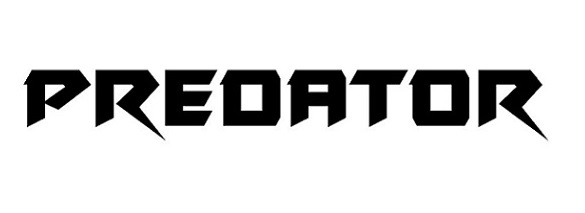
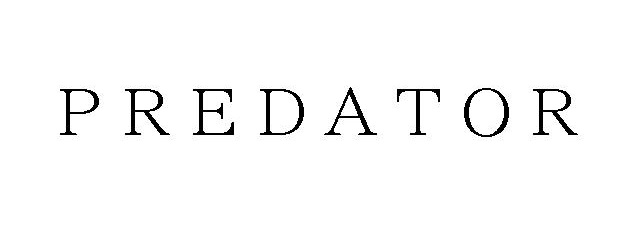
Acer Incorporated, a Taiwanese multinational hardware, and electronics corporation filed a stylized mark “PREDATOR” (see below) for use on various foods including ‘instant coffee, coffee beverages, coffee, tea, cocoa’ in class 30 with the JPO on January 6, 2021.

The JPO examiner granted protection on November 11, 2021 (TM Reg no. 5461165), and the opposed mark was published for opposition on December 7, 2021.


Opposition by Monster Energy

Monster Energy Company filed an opposition on January 13, 2022, and claimed the opposed mark shall be canceled in contravention of Article 4(1)(vii), (xi), and (xix) of the Japan Trademark Law by citing TM Reg no. 6408734 for word mark “PREDATOR” in standard character over ‘carbonated beverages; energy drink’ in class 32.

The opponent argued that ‘instant coffee, coffee beverages, coffee, tea, cocoa’ designated in class 30 shall be deemed similar to ‘carbonated beverages; energy drink’ in class 32 because:
(1) five major Japanese beverage suppliers manufacture and distribute not only the goods in question, but also other beverages identical or similar to the cited drinks e.g., soft drinks, fruit drinks, beverage vegetable juices, and whey drinks.
(2) Both goods are generally sold at convenience stores, supermarkets, department stores, drugstores, and other food outlets, vending machines, and train station kiosks, so they share the same sales locations.
(3) Both ingredients overlap and their uses as non-alcoholic beverages are common. Namely, there are purchased and consumed at teatime, for relaxation during breaks, for hydration, and as drinks during and after meals.
(4) Both goods are consumed by general consumers.

It is indisputable that both marks are similar in sound and meaning. Being that both marks and goods are deemed similar, the opposed mark shall not be registrable under Article 4(1)(vi) of the Japan Trademark Law.


JPO decision

The JPO Opposition Board found similarities in both marks.

However, the Board did not uphold the argument pertinent to the similarity of goods by stating that:

Although it is true the main consumers of non-alcoholic beverages are general consumers, that they are ultimately sold in the same vending machines and sales corners, and that they are consumed for similar purposes, the Board has a reason to believe these goods have different suppliers, gradients, and distribution channels more often than not. If so, both goods shall not be considered similar at all events.

Based on the above findings, the Board decided the opposed mark shall not be canceled and dismissed the oppositions by Monster Energy entirely.

No Success for Monster Energy Claws

The Japan Patent Office (JPO) dismissed a trademark opposition claimed by MONSTER ENERGY COMPANY against trademark registration no. 6091273 for “M” logo design on goods/services in class 3,5,35 and negated the likelihood of confusion with Monster Energy Claws.
[Opposition case no. 2018-900390, Gazette issue date: February 28, 2020]

MONSTER HAIR

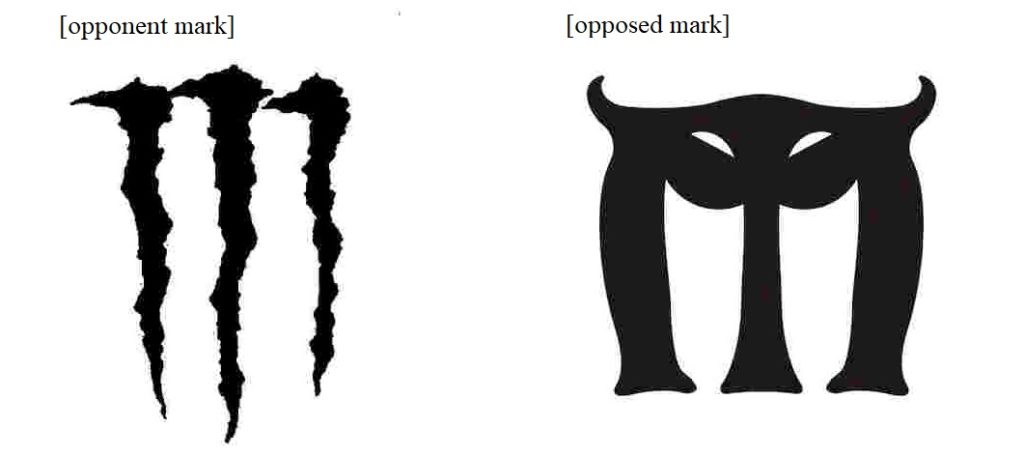
Opposed mark, “M” logo design (see below), was filed by AND BEAUTY JAPAN Co., Ltd. on June 12, 2018 on goods of hair nourishers; cosmetics; soaps and detergents in class 3, medicinal preparations for stimulating hair growth; pharmaceutical preparations; dietary supplements for humans in class 5, retail services and wholesale services for above goods in class 35, and registered for publication on November 13, 2018.

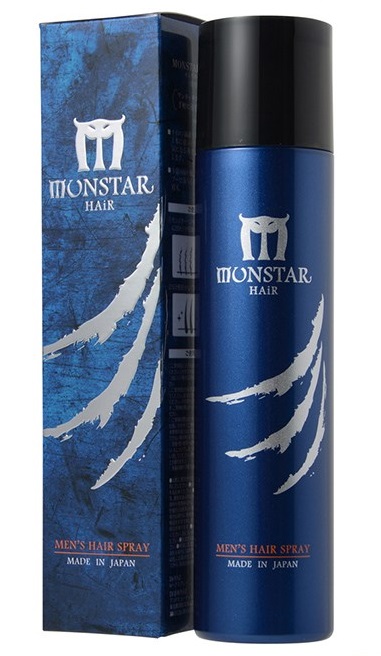
AND BEAUTY JAPAN promotes MONSTER HAiR sprays for men. Opposed mark is actually represented on the spray can.

Opposition by Monster Energy

On December 26, 2018, Monster Energy Company filed an opposition and argued opposed mark shall be revocable under Article 4(1)(xv) of the Japan Trademark Law due to a likelihood of confusion with Monster Energy Claws.

Article 4(1)(xv)

Article 4(1)(xv) prohibits to register a trademark which is likely to cause confusion with a business of other entity.

Monster Energy argued that opponent has used the mark Monster Energy Claws on energy drinks since 2002. In Japan, since its debut in May 2012, approximately 236 million cans were sold in three years which amount 175 million USD or more. Monster Energy has been aggressively promoting the energy drinks in sports and music events, and grants license to supply bracelets, key holders, T-shirts, headgears, racing jackets, gloves, helmets for sports, stickers, umbrellas, videogames. According to a survey of popular energy drinks, Monster Energy holds a 25% market share in Japan, 2013. These facts suggest Monster Energy Claws has acquired substantial reputation and popularity among relevant consumers as a source indicator of opponent. Besides, both marks give rise to visual, phonetical, and conceptual impression relating to an alphabetical letter “M”. Given energy drinks are closely associated with pharmaceutical preparations and dietary supplements for humans, relevant consumers are likely to misconceive the source of goods using opposed mark with Monster Energy or an entity systematically or economically connected with opponent.

Board Decision

At the outset, JPO provided a viewpoint that Monster Energy drinks belong to carbonated drinks [refreshing beverages] in class 32. If so, opponent failed to demonstrate its market share in carbonated drinks. From the produced evidences, the Board admits relevant traders and the young generation would recognize Monster Energy Claws as a source indicator of opponent to some extent, however, it is doubtful whether opponent mark has been highly known among general consumers of carbonated drinks.

In the assessment of similarity of mark, the Board found opponent mark shows three vertical parallel black shaky lines of different lengths whose upper parts is broader and which, from the perspective of the relevant public, might resemble three ‘claws’ or a very abstract depiction to which no specific and clear meaning can be attributed. With regard to the phonetic and conceptual aspect, the signs at issue are incomparable. From appearance, it is obvious that both marks are sufficiently distinguishable. Thus, the Board held the signs at issues are dissimilar and unlikely to cause confusion.

Besides, the Board negated close relation between energy drinks and pharmaceutical preparations, dietary supplements for humans in view of its nature, purpose, usage, distribution channel and manufacturers.

In respect of the overall assessment of the likelihood of confusion, having regard to all the relevant factors, the Based found there was no likelihood of confusion on the part of the relevant public and decided opposed mark shall not be revocable under Article 4(1)(xv).