Top 10 Trademark News in Japan, 2025

As the year 2025 comes to an end, it is a good time to share the top 10 trademark news in Japan by counting the total number of likes on the Linkedin “Like” Button.


1: JPO Grants TM Registration for 3D Shape of the Popular Pocky Cookie

The Japan Patent Office (JPO) granted trademark registration for the three-dimensional (3D) shape of Ezaki Glico’s iconic “Pocky” cookie, recognizing that the shape had acquired distinctiveness in relation to chocolate confections in Class 30 [TM Reg. No. 6951539].


2: UNIQLO Lost in Trademark Opposition against UNIPRO

UNIQLO lost in its attempt to oppose TM Reg no. 6746724 for the mark “UNIPRO” in class 28 due to dissimilarity and unlikelihood of confusion with a world-famous Japanese clothing brand “UNIQLO”.


3: STARBUCKS Unsuccessful Invalidation Action against Trademark “STARBOSS”

The Japan Patent Office (JPO) dismissed an invalidation action claimed by Starbucks Inc. against TM Reg no. 6595964 for wordmark “STARBOSS” in class 32 due to dissimilarity to and unlikelihood of confusion with the world’s largest coffee chain “STARBUCKS”.


4: IP High Court ruling: STARBUCKS vs STARBOSS

The Japan IP High Court did not side with Starbucks Corporation in a trademark dispute between “STARBUCKS” and “STARBOSS”, and affirmed the JPO decision that found “STARBOSS” dissimilar to, and less likelihood of confusion with “STARBUCKS when used on beverages.


5: Trademark dispute: SONY vs SONIMART

The Japan Patent Office (JPO) sided with SONY in a trademark invalidation action against TM Reg no. 6162062 for word mark “SONIMARK” in classes 35 and 42 by finding a likelihood of confusion with famous mark “SONY”.


6: MONSTER STRIKE vs MONSTER ENERGY

The Japan Patent Office (JPO) did not decide in favour of Monster Energy Company in its opposition to Defensive Mark Reg. No. 5673517 for the word mark “MONSTER STRIKE” in Classes 29, 30, and 32.


7: YONEX Scored Win in Registering Color mark

On October 21, 2025, the Japan Patent Office (JPO) granted registration of a color mark that consists of blue and green colors, filed by Yonex Co., Ltd. to use on badminton shuttlecocks by finding acquired distinctiveness of the color combination.


8: HERMES Defeated with Trademark Opposition against KIMONO TWILLY

The Japan Patent Office (JPO) dismissed an opposition filed by Hermes International against TM Reg no. 6753650 for the word mark “KIMONO TWILLY” in Class 18, claiming a likelihood of confusion with the Hermes scarves “TWILLY”.


9: JPO Said No to Register Kawasaki Green Color Mark

On March 19, 2025, the Japan Patent Office (JPO) finally decided to reject a color mark application filed a decade ago by Kawasaki Heavy Industries, Ltd., which sought to register a green color used on the world-famous Kawasaki motorcycles.


10: TOMMY HILFIGER vs TOMTOMMY

The Japan Patent Office (JPO) did not side with Tommy Hilfiger Licensing B.V. in an opposition against TM Reg no. 6604265 “TOMTOMMY” due to dissimilarity and unlikelihood of confusion with “TOMMY” and “TOMMY HILFIGER”.
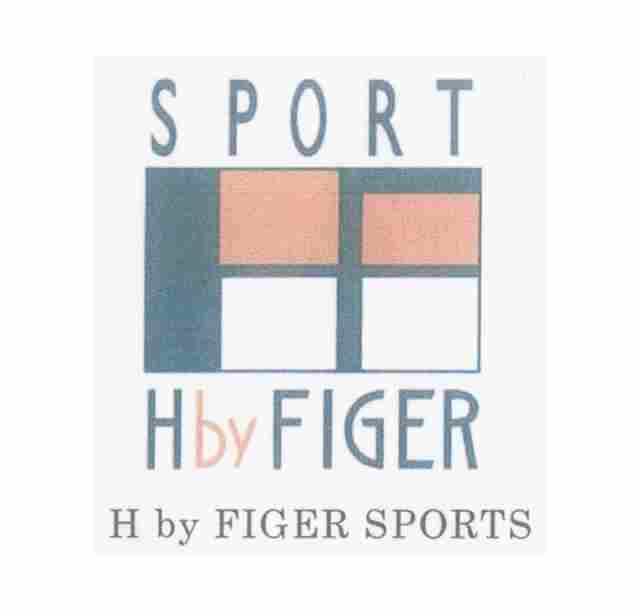
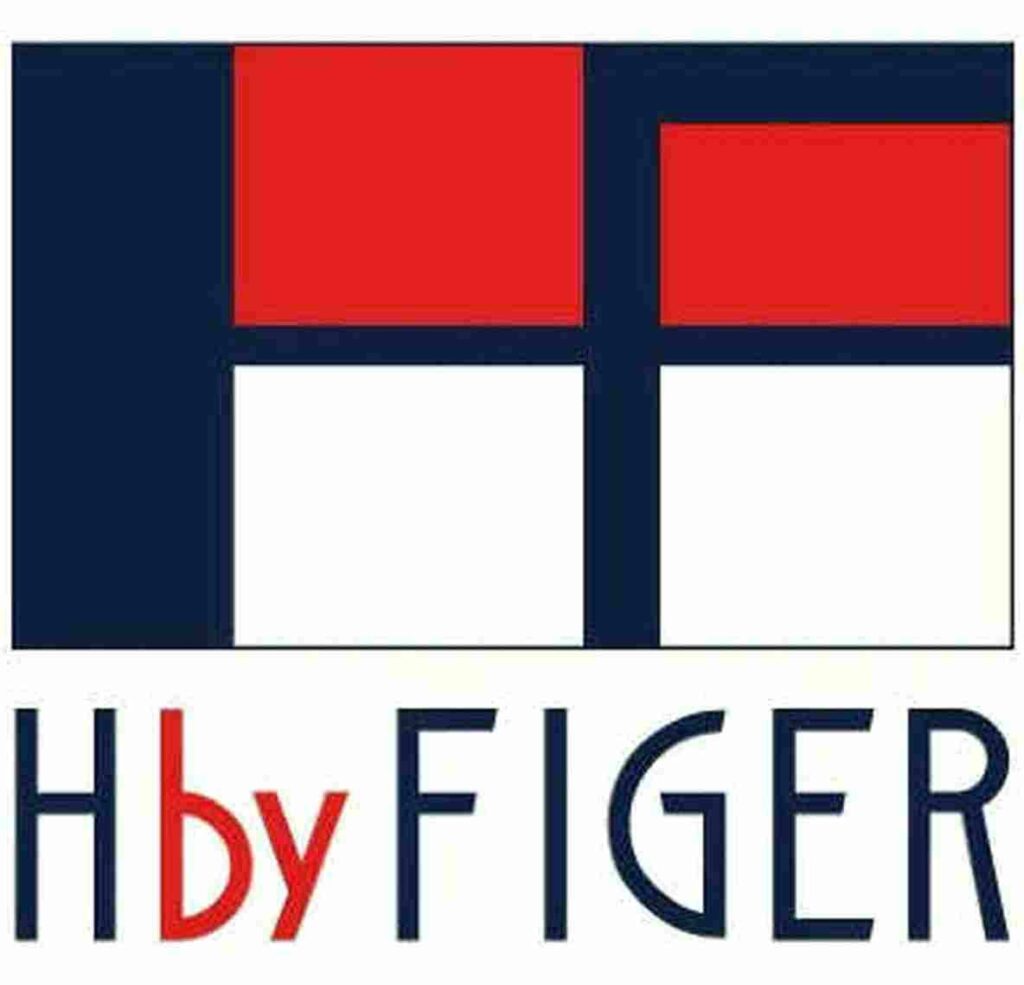
TOMMY HILFIGER vs TOMTOMMY

The Japan Patent Office (JPO) did not side with Tommy Hilfiger Licensing B.V. in an opposition against TM Reg no. 6604265 “TOMTOMMY” due to dissimilarity and unlikelihood of confusion with “TOMMY” and “TOMMY HILFIGER”.
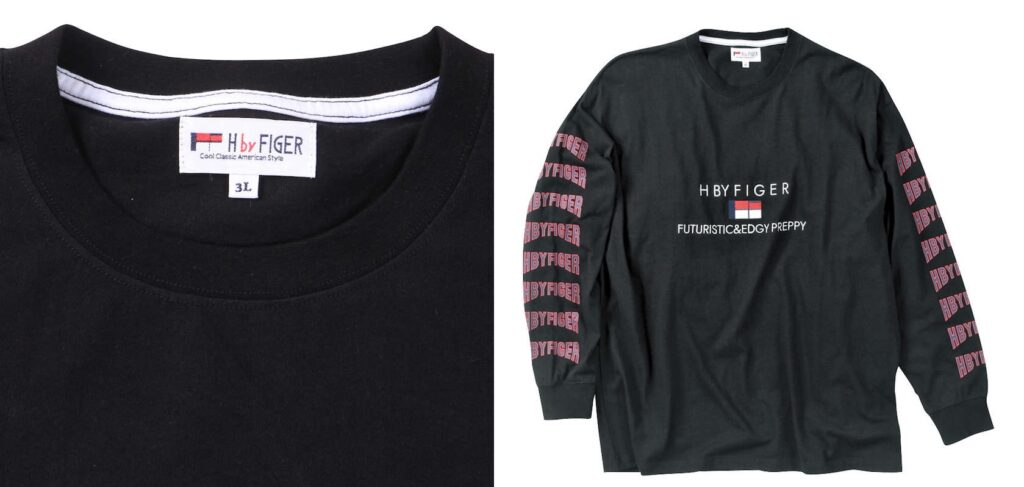
[Opposition case no. 2022-900456, gazette issued on December 27, 2024]


TOMTOMMY

The contested mark, consisting of the word “TOMTOMMY” in standard characters, was filed with the JPO by a Chinese individual on January 20, 2022 for use on shoulder bags, tote bags, sports bags, wallets, umbrellas and other goods in Class 18, and underwear, belts, shoes, caps, coats, socks and other goods in Class 25 on January 30, 2022 (TM App no. 2022-10028).

The JPO examiner made an administrative decision to grant registration of the mark on August 3, 2022. Subsequently, the mark was published in Trademark Gazette for post-grant opposition on August 31, 2022.


Opposition by Tommy Hilfiger

Tommy Hilfiger Licensing B.V. filed an opposition with the JPO on October 31, 2022 by citing its own earlier trademark registrations for the wordmark “TOMMY” or “TOMMY HILFIGER”.

Tommy Hilfiger claimed that the contested mark should be cancelled in contravention of Article 4(1)(xi) and (xv) of the Japan Trademark Law.

Article 4(1)(xi) is a provision that prohibits the registration of a junior mark that is deemed identical with, or similar to, any earlier registered mark.

Article 4(1)(xv) prohibits the registration of trademarks that are likely to cause confusion with the business of other entities.

Tommy Hilfiger contends that the contested mark is composed of two distinctive words, “TOM” and “TOMMY”. Since “TOMMY” has been widely recognized by the relevant consumers to indicate the world-famous fashion brand “TOMMY HILFIGER”, the average consumers, uppon seeing the goods in question bearing the contested mark, will consider the term “TOMMY” as a prominent part of the contested mark in order to identify its origin. If so, the contested mark is similar to the cited marks a high degree.

Moreover, Tommy Hilfiger has used not only the mark “TOMMY”, but also various marks containing “TOMMY”, such as “TOMY JEANS”, “TOMMY NOW”, “TOMMY SPORT”, “TEAM TOMMY”, “TOMMY FACTORY”. In those circumstances, the consumers are likely to mistakenly believe that the goods in question bearing the contested mark “TOMTOMMY” come from the same undertaking or from economically-linked undertaking.


JPO decision

To my surprise, the JPO Opposition Board questioned the high degree of recognition of fashion brands, “TOMMY” and “TOMMY HILFIGER”, because the claimant did not provide sufficient evidence to prove the substantial and extensive use of the cited marks in Japan.

Furthermore, the Board denied similarity even between “TOMTOMMY” and “TOMMY” by stating:

  1. The contested mark is considered to be a coined word, and therefore has no specific meaning.
  2. Visually, both marks are distinguishable due to the difference in the number of letters that constitutes respective mark (8 letters vs 5 letters).
  3. Aurally, both sounds are dissimilar because the prefix sound “TOM” has a significant impact on the overcall pronunciation.
  4. A conceptual comparison is neutral because neither “TOMTOMMY” nor “TOMMY” has any clear meaning.

Because Tommy Hilfiger failed to demonstrate a high degree of popularity of the cited marks, the Board found that there was no reason to believe that the relevant consumer would confuse the source of the goods at issue bearing the contested mark with Tommy Hilfiger or an economically-linked undertaking due to a low degree of similarity between the marks.

Based on the foregoing, the Board decided the contested mark shall not be canceled and dismissed the oppositions entirely.