LEGO Triumphs In ‘CATTYLEGO’ Trademark Battle at JPO

LEGO eventually scored a win over PETSWEET CO., Ltd., a Taiwanese company, in a trademark dispute against ‘CATTYLEGO’ thanks to the JPO’s finding a likelihood of confusion with “LEGO” famous for toy brick.
[Invalidation case no. 2018-890084, Gazette issued date: September 25, 2020]

CATTY LEGO

PETSWEEY Co. (派斯威特國際有限公司), Ltd., a Taiwanese company, applied for trademark registration in Japan for the mark consisting of a word “CATTYLEGO” and rectangle device (see below) on June 15, 2016, over toy boxes and chests, dog kennels, fodder racks, pet cushions, pet house in class 20 and toys for pets in class 28.
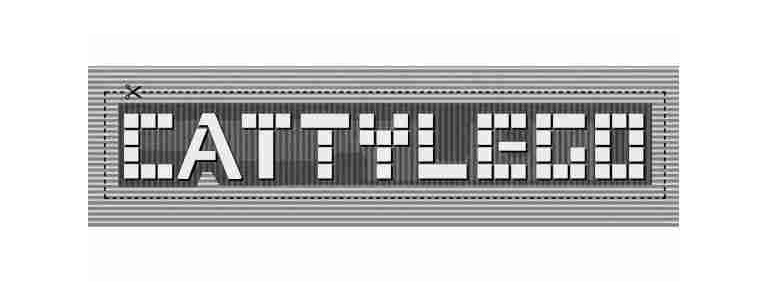
The Japan Patent Office (JPO) registered the mark on December 2, 2016 (TM Registration no. 5902786) and published for opposition on January 10, 2017.

LEGO

LEGO Juris A/S, the world’s largest Danish toy manufacturer, filed an opposition against the mark ‘CATTYLEGO’ on the final day of a two-month duration for the opposition, and argued it shall be canceled in contravention of Article 4(1)(viii), (xi), (xv) and (xix) of the Japan Trademark Law, but in vain. Click here to read more about the opposition.
Subsequently, LEGO lodged a trademark invalidation trial with the JPO on October 31, 2018, based on the same grounds.

JPO Decision

The Invalidation Board did not question a high degree of reputation and popularity of the LEGO trademark as a source indicator of toy brick by finding consecutive promotion of LEGO bricks in Japan for more than five decades, annual sales amounting to over 8 billion yen (Approx. USD 74 million ), its remarkable share in the sector of kids toys, and almost half of preschools in Japan have adopted the bricks for educational purpose.

Given the remarkable reputation of the LEGO mark, the Board held relevant consumers/traders at the sight of the ‘CATTYLEGO’ mark would inevitably conceive the term “LEGO” as a dominant portion. If so, both marks may give rise to a similar sound and concept pertinent to “LEGO”.

The Board also affirmed toy brick and the goods in question are closely associated in view of suppliers, commercial channels, usage, consumers.

Consequently, by taking into consideration the totality of the circumstances, the Board found relevant consumers with an ordinary care would confuse or associate the goods in question bearing the ‘CATTYLEGO’ mark with LEGO or any entity systematically or economically connected with LEGO, and thus the mark shall be invalidated based on Article 4(1)(xv) of the trademark law.

HENNESSY vs. INESSY

The Japan Patent Office (JPO) dismissed a trademark opposition claimed by SOCIETE JAS HENNESSY ET COMPAGNIE against trademark registration no. 6167837 for word mark “INESSY” in class 33 by finding dissimilarity to a world-renowned cognac brand “Hennessy”.
[Opposition case no. 2019-900315, Gazette issued date: July 31, 2020]

Hennessy

SOCIETE JAS HENNESSY ET COMPAGNIE has registered its trademark “Hennessy” over alcoholic beverages of class 33 in Japan since 1983.

Needless to mention, Hennessy is the largest Cognac producer in the world, and a highly regarded brand the world over, the range stretches from VS to XO and beyond. With its headquarters in Cognac, France, the company produces about 40% of smooth liquor in the world.

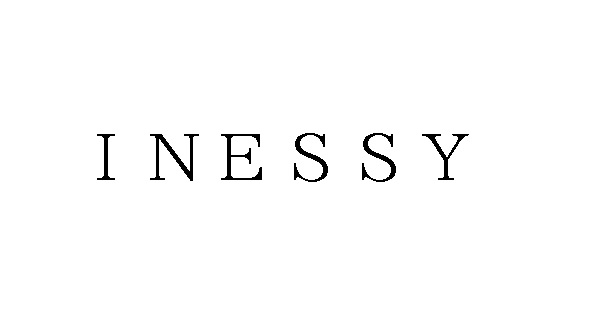
INESSY

Junior mark, consisting of a word “INESSSY” in standard character, was applied for registration on January 8, 2019 over cookies and confectionery in class 30 and whisky in class 33 [TM application no. 2019-1234].

The JPO admitted registration on August 2, 2019 and published for opposition on August 27, 2019.

Opposition by Hennessy

To contend registration within a statutory period of two months counting from the publication date, SOCIETE JAS HENNESSY ET COMPAGNIE filed an opposition on October 28, 2019.

In the opposition brief, SOCIETE JAS HENNESSY ET COMPAGNIE asserted the opposed mark shall be cancelled in contravention of Article 4(1)(xi) of the Japan Trademark Law on the grounds that “INESSY” and “Hennessy” look closely associated in appearance and pronunciation because of sharing the same suffix (in this case, “NESSY”). According to the allegation, 55 trademarks with the “NESSY” suffix are effectively registered in Japan. Among them, 48 registrations are owned by opponent. As far as class 33 goes, no one owns trademark with the suffix other than opposed mark. If so, relevant consumers at the sight of whisky bearing opposed mark would conceive world-renowned “Hennessy”.

Article 4(1)(xi) is a provision to prohibit registering a junior mark which is identical with, or similar to, any senior registered mark.

There is criterion that the examiner is checking when assessing the similarity between the marks:

  • visual similarity
  • aural similarity
  • conceptual similarity

and taking into account all these three aspects examiner makes a decision if a mark is similar (at least to some extent) with the earlier mark and if there is a likelihood of confusion for the consumers.

JPO decision

In the decision, the Opposition Board held that:

“From appearance, even if both marks share the same suffix “NESSY”, difference in number of letters and prefix “I” and “Hen” would be anything but negligible. Because of it, the marks as a whole give rise to a distinctive visual impression in the minds of relevant consumers. Accordingly, both marks are unlikely to cause confusion from appearance.

Opposed mark “INESSY” is pronounced as “ine-siː”. In the meantime, the opponent mark “Hennessy” shall be “hene-siː”. The difference in the initial sound, “i” and “he”, would be influential in the overall pronunciation given both marks aurally consist of just three sounds. Due to the difference, both sounds can be distinguishable in tone and linguistic feeling when pronounced at a time.

Conceptually, opposed mark is incomparable with the opponent mark since both marks would not give rise to any specific meaning at all.

Based on the foregoing, the Board concluded that opposed mark “INESSY” would be deemed dissimilar to the opponent mark “Hennessy” from the global appreciation of the visual, aural and conceptual similarity of the marks in question, and based on the overall impression and association given by the marks to relevant traders and consumers with ordinary care“.

Failed Opposition by ESPRIT against trademark registration “ESPRIT SELECTION”

The Japan Patent Office (JPO) dismissed a trademark opposition claimed by fashion company Esprit against trademark registration no. 6155147 for a work mark consisting of “ESPRIT” and “SELECTION” over retail service in class 35 by finding dissimilarity and less likelihood of confusion with “ESPRIT”.
[Opposition case no. 2019-900260, Gazette issued date: July 31, 2020]

“ESPRIT SELECTION”

Opposed mark, a wordmark consisting of “ESPRIT” with larger font size and “SELECTION” with smaller font size in two lines (see below), was filed by a Japanese business entity, Harmonick Co., Ltd., on November 19, 2018, by designating ‘retail services or wholesale services for a variety of goods in each field of clothing, foods and beverages, and living ware, carrying all goods together’ in class 35.

Applicant commercially provides gift catalogs bearing the opposed mark so that shoppers can find a great selection of products from the catalogs.

The JPO admitted registration on June 21, 2019, and published for opposition on July 16, 2019.

Opposition by ESPRIT

To oppose registration within a statutory period of two months counting from the publication date, Esprit International filed an opposition on September 11, 2019.

In the opposition, Esprit asserted the opposed mark shall be canceled in contravention of Article 4(1)(xv) and (xix) of the Japan Trademark Law because of a high degree of popularity and reputation of owned senior trademark registrations nos. 2097119 and 2187153 for the “ESPRIT” logo (see below) as an international fashion brand and close resemblance with the opposed mark “ESPRIT SELECTION”.

Article 4(1)(xv) provides that a mark shall not be registered where it is likely to cause confusion with other business entities ’ well-known goods or services, to the benefit of brand owners and consumers.

Article 4(1)(xix) prohibits registering a trademark that is identical with, or similar to, other entity’s famous mark, if such trademark is aimed for unfair purposes, e.g. gaining unfair profits, or causing damage to the entity.

Esprit argued the term “SELECTION” is descriptive in relation to the retail service in question since it is commonly used to indicate ‘the things chosen or selected’ or ‘an assortment of things from which a choice can be made’. If so, relevant consumers would conceive the term “ESPRIT” as a prominent portion of the opposed mark and thus both marks shall be unquestionably deemed similar as a whole.

Besides, the service in question is closely related to the opponent business since Esprit offers affordable fashion and lifestyle with a huge selection of ladies’, men’s, and kids’ clothing as well as accessories.

Board Decision

The Opposition Board of JPO denied a high degree of popularity and reputation of “ESPRIT”, stating that the opponent failed to produce evidence to demonstrate actual and substantial use of the opponent mark, advertisement, sales record, and market share in Japan. A mere fact that opponent is a global company doing business in more than 40 countries and operates more than 440 “ESPRIT” shops in European and neighboring Asian countries are insufficient and irrelevant to find whether the opponent mark becomes famous among relevant consumers and traders in Japan.

Besides, the term “SELECTION” shall not be taken to explicitly indicate the quality of the service in question. Even if it is depicted with smaller font size than “ESPRIT”, the Board would not find a reasonable ground to believe the term “ESPRIT” solely plays a role of source indicator in the configuration of the opposed mark. If so, the opposed mark shall be assessed in its entirety.

Based on the foregoing, the Board concluded “ESPRIT SELECTION” and “ESPRIT” are dissimilar as a whole from visual, phonetical, and conceptual points of view. Provided that the opponent mark has not acquired a certain degree of reputation and popularity among relevant consumers in Japan, it unlikely happens that the consumers confuse or misconceive a source of the opposed mark with Esprit or any entity systematically or economically connected with the opponent. Thus, the opposed mark shall not be canceled on the grounds of Article 4(1)(xv) and (xix).

Economic Forum Trademark Dispute

World Economic Forum, the International Organization for Public-Private Cooperation committed to improving the state of the world, failed in their attempt to cancel trademark registration no. 6137205 for wordmark “Junior Economic Forum” at the Japan Patent Office (JPO).
[Opposition case no. 2019-900192, Gazette issued date: July 31, 2020]

Junior Economic Forum

Opposed mark (TM Registration no. 6137205), consisting of three words “Junior Economic Forum” in standard character, was applied for registration on June 4, 2018, for ‘educational and instruction services relating to arts, crafts, sports or general knowledge; arranging, conducting and organization of seminars; production of videotape film in the field of education, culture, entertainment or sports; organization of entertainment events’ in class 41 by a Japanese individual and published for opposition on May 14, 2019.

Opposition by WORLD ECONOMIC FORUM

On July 12, 2019, before the lapse of a two-months opposition period, World Economic Forum (WEF), an independent international organization hosting an annual opportunity for leaders across business and government to come together to discuss solutions to the world’s most pressing economic and social challenges in Davos, filed an opposition to the opposed mark.

WEF claimed that the opposed mark “Junior Economic Forum” shall be partially canceled in contravention of Article 4(1)(xi) of the Japan Trademark Law in relation to the service of “arranging, conducting and organization of seminars” of class 41 by citing an owned senior international registration no. 1309337 for word mark “WORLD ECONOMIC FORUM” over the services of ‘Organization, arranging and conducting of colloquiums, conferences, congresses, seminars, symposiums; organization of congresses and conferences for cultural and educational purposes with the purpose to promote discussions on industrial, regional and global changes and issues’ in class 41 and others, which has been effectively registered in Japan since July 21, 2017.

Article 4(1)(xi) is a provision to refrain from registering a junior mark that is deemed identical with, or similar to, any senior registered mark.

WEF argued that since both marks consist of three words and two of them, “Economic Forum” are the same, the opposed mark “Junior Economic Forum” as a whole is deemed similar to “WORLD ECONOMIC FORUM” from visual, phonetic and conceptual points of view.
Besides, the service in question ‘arranging, conducting, and organization of seminars’ is unquestionably similar to the designated services of the citation.

JPO Decision

The Opposition Board decided both marks are distinctively dissimilar by stating that:

  1. From appearance, the difference in the prefix, “Junior” and “WORLD”, would give rise to a distinctive impression between the mark as a whole since the prefix is considered as the dominant element in visual assessment.
  2. Likewise, both marks shall be sufficiently distinguishable in sound as a whole due to the difference in prefix.
  3. It would not happen confusion in concept since both marks are unlikely to give rise to any specific meaning.
  4. From the totality of the circumstances, relevant consumers would neither associate nor connect “Junior Economic Forum” with “WORLD ECONOMIC FORUM”

Consequently, the opposed mark is not subject to Article 4(1) (xi) and remains valid as a status quo.

ZARA Fails in Japanese Trademark Opposition Against “ZORA”

The Japan Patent Office (JPO) dismissed an opposition filed by Industria de Diseño Textil, SA (INDITEX), owner of the fashion brand “ZARA” against trademark registration no. 6164247 for word mark “ZORA” in class 18 by finding dissimilarity to and less likelihood of confusion with “ZARA”.
[Opposition case no. 2019-900291, Gazette issued date: June 26, 2020]

Opposed mark

Opposed mark, consisting of a wordmark “ZORA” in standard character, was applied for registration in the name of CREST Co., Ltd., a Japanese company offering a wide variety of bags, pouches, and wallets for women or kids, on July 20, 2018, by designating bags, pouches, wallets in class 18, and published for opposition on August 13, 2019, without confronting with office action from the JPO.

Opposition by Inditex

Opponent, INDITEX, one of the world’s largest fashion retailers and owner of the fashion brand “ZARA”, claimed opposed mark “ZORA” shall be revocable in contravention of Article 4(1)(xi), (xv) and (xix) of the Japan Trademark Law by citing senior trademark registrations for word mark “ZARA” in relation with bags, pouches, wallets in class 18 and 35.

Article 4(1)(xi) is a provision to prohibit from registering a junior mark that is deemed identical with, or similar to, any senior registered mark.

INDITEX argued “ZORA” is similar to its own trademark “ZARA”, a worldwide famous fast-fashion brand, from visual, phonetic and conceptual points of view. Besides, the goods in question are identical.

Article 4(1)(xv) prohibits registering a trademark which is likely to cause confusion with the business of other entities.

INDITEX argued, given “ZARA” has acquired a remarkable reputation among relevant consumers and the close resemblance between the marks and goods, relevant consumers are likely to confuse or misconceive opposed mark with “ZARA”.

Article 4(1)(xix) prohibits registering a trademark that is identical with, or similar to, other entity’s famous mark, if such trademark is aimed for unfair purposes, e.g. gaining unfair profits, or causing damage to the entity.

INDITEX argued the applicant must have filed opposed mark aiming to gain unfair profits by the free-riding opponent famous trademark “ZARA”.

JPO Decision

The JPO Opposition Board admitted a high degree of reputation and popularity of “ZARA” among relevant consumers and traders as a source indicator of the opponent in connection with clothing based on the facts that (i) “ZARA” launched fashion business in Japan since 1998 and increased the number of its stores in Japan to 100 as of December 2019, (ii) worldwide sales in excess of EUR 18 billion. (iii) ZARA has been ranked No.24(2017), No.25(2018), No.29(2019) on Interbrand’s list of the most valuable global brands.

In the meantime, the Board held “ZORA” and “ZARA” are obviously dissimilar in appearance and pronunciation by stating that difference on the second letter and the first sound would be anything but negligible given both marks visually consists of four alphabets and aurally just two sounds. As for the concept, it is incomparable since either mark does not give rise to any specific meaning.

If so, both marks are unlikely to cause confusion due to dissimilarity between the marks. Besides, the Board could not identify any ground to believe the applicant filed opposed mark for unfair purposes or causing damage to the entity.

Based on the foregoing, the JPO dismissed the entire allegations of INDITEX and allowed “ZORA” to survive.

Never Register “BOND GIRL” Never Again

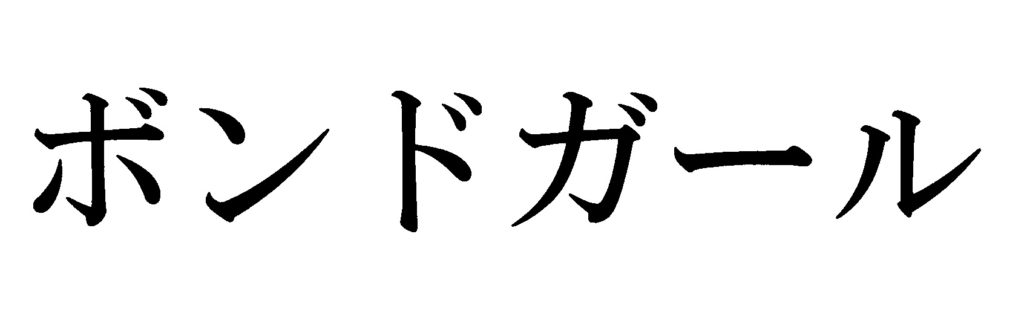
In a recent administrative decision, the Japan Patent Office (JPO) sided with Danjaq, LLC, and declared invalidation of a wordmark “BOND GIRL” written in a Japanese katakana character in contravention of Article 4(1)(vii) of the Trademark Law.

[Invalidation case no. 2019-890044, Gazette issued date: April 24, 2020]

Disputed mark

“BOND GIRL” written in a Japanese katakana character (see below) was filed to JPO on the service of ‘arranging, conducting, and organization of seminars’ in class 41 by a Japanese individual on November 4, 2015, and registered on December 2, 2016.

Opposition & Invalidation petition by Danjaq, LLC

On March 9, 2017, just before the lapse of a two-months opposition period, Danjaq, LLC, the holding company responsible for the copyright and trademarks to the characters, elements, and other material related to James Bond on screen, filed an opposition to the disputed mark.

However, since Danjaq failed to supplement arguments for opposition within a statutory period, the JPO decided to dismiss the opposition entirely.

On August 2, 2019, Danjaq filed a petition for invalidation and argued disputed mark shall be invalid in contravention of Article 4(1)(vii), (xv) and (xix) of the Trademark Law by citing world-famous cinematic heroine “BOND GIRL” in the James Bond film series “007”.

Article 4(1)(vii)

Article 4(1)(vii) of the Trademark Law prohibits any mark likely to cause damage to public order or morality from registration.

In the petition, Danjaq argued “BOND GIRL” has appeared as a love interest of James Bond in the movies for over 55 years since 1962. Due to frequent appearances in magazines, other public media, and various events pertinent to the Japes Bond movie, the name and sign of “BOND GIRL” has been well-known for cinematic heroine in association with the film series “007”.

If so, it is presumed that the applicant intentionally applied disputed mark with an aim to monopolize the term. Since the applicant does not have any legal interest with Danjaq, a legitimate owner of trademarks and copyrights pertaining to the 007 movies, it must impermissibly cause not only damage to public order but the disorder in domestic and foreign trade.

Invalidation Board decision

The Invalidation Board initially noted that the James Bond film series “007” is world-widely known motion pictures. From the produced evidence, the cinematic heroine “Bond girl” has regularly attracted audiences through screens, magazines, and promotional events of the movie. The sign “BONG GIRL” had further extensive marketing and licensing to companies in vastly different product categories, not only with products associated with the motion pictures, e.g. nails, cosmetics, dolls, cards, calendars, and others. Relevant consumers at the sight of the disputed mark would conceive nothing but the cinematic heroine in the film. The Board, therefore, considered that “BOND GIRL” has become worldly famous as a cinematic heroine that appeared in the “007” film series.

The Board continued in analyzing efforts made by Danjaq to enhance the commercial value of “BOND GIRL” by means of trademark registrations in various jurisdictions and licensing to different product categories.

The Board finally concluded that taking into account the foregoing, since it appears that the applicant makes less contribution to establishing reputation and goodwill on “BOND GIRL”, it shall be impermissible for the applicant to monopolize the term on service in question.

To prevent damage to public order, the disputed mark shall be retroactively invalidated in contravention of Article 4(1)(vii).

In the meantime, surprisingly, the Board denied Danjaq’s allegation regarding a likelihood of confusion because “BOND GIRL” is just famous for cinematic heroine, not as a source indicator of Danjaq.

HERMES scores victory in trademark battle over KELLY

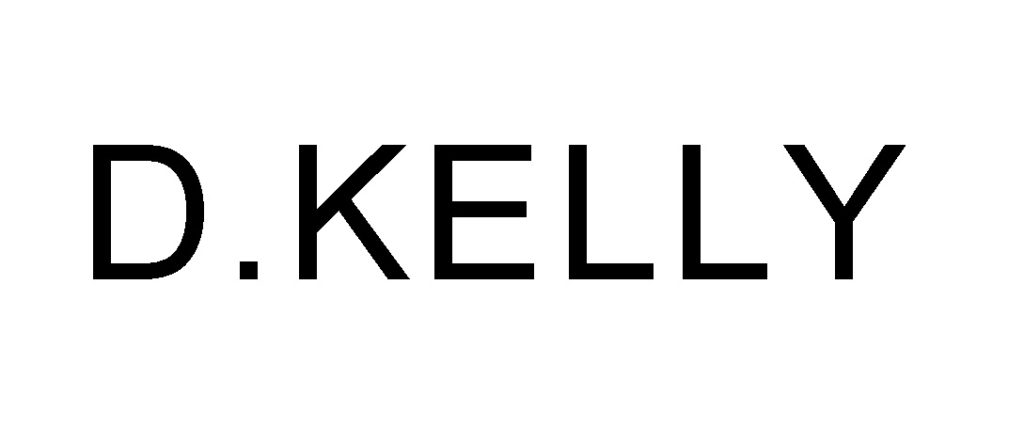
In a trademark opposition at the Japan Patent Office (JPO), French luxury brand HERMES achieved victory to stop the registration of a word mark “D. KELLY” over bags and pouches in class 18.
[Opposition case no. 2018-900177, Gazette issue date: March 27, 2020]

Opposed mark

Opposed mark, “D.KELLY” was applied for registration on August 25, 2017 by designating bags and pouches in class 18, and published for registration on May 22, 2018 without any office action from the JPO examiner.

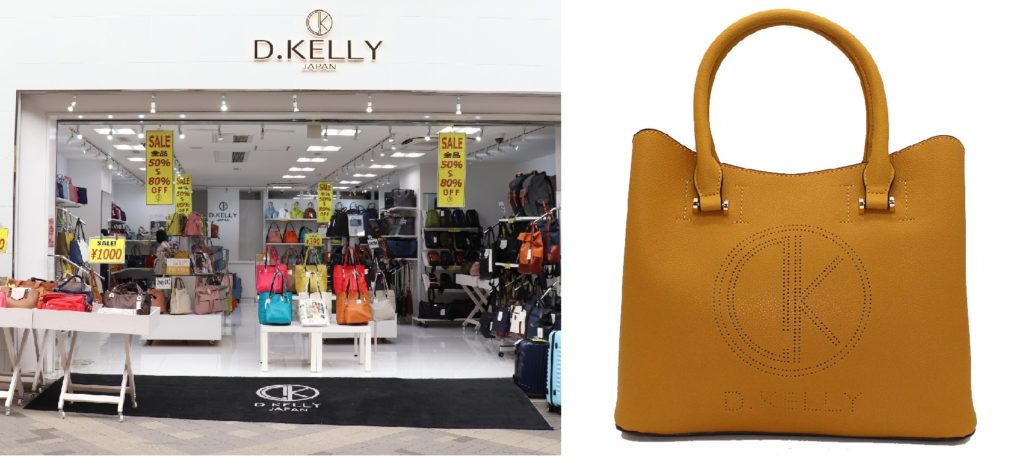
Applicant, a Japanese individual, apparently operates brick-and -mortar shops in Japan and on-line shop to promote hand bags, shoulder bags, tote bags, rucksacks/backpacks and other fashion items.
“D.KELLY” is used on the bags and as its shop name.

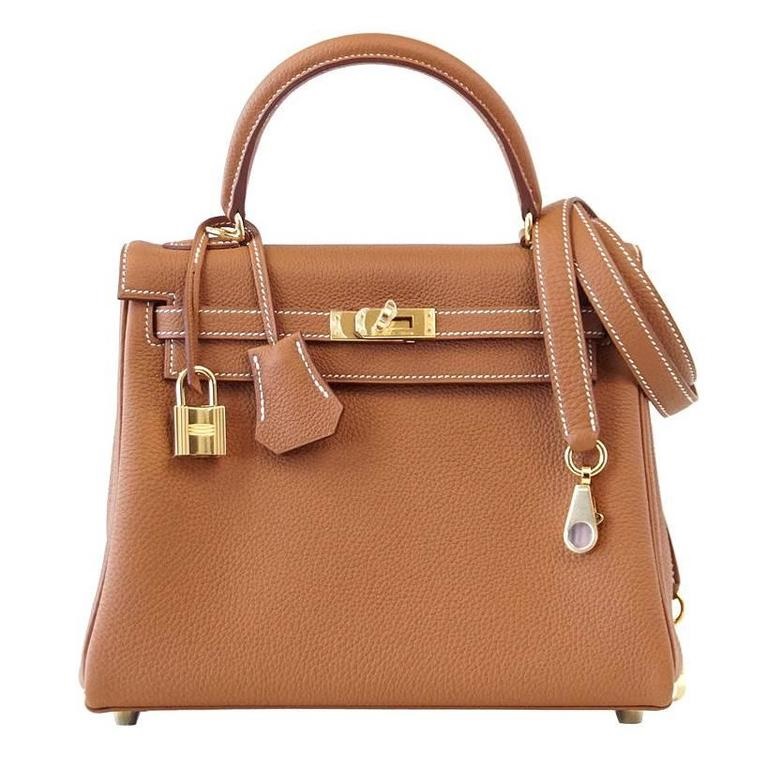
Hermes Kelly Bag

Opponent, HERMES INTERNATIONAL, a French luxury fashion house, claimed that the opposed mark “D.KELLY” shall be liable for cancellation under Article 4(1)(xi) and (xv) of the Japan Trademark Law by citing the Hermes Kelly Bag and an owned senior trademark registration no. 4341534 for word mark “KELLY” in standard character over bags, pouches and other goods in class 18.

Article 4(1)(xi) is a provision to prohibit from registering a junior mark which is deemed identical with, or similar to, any senior registered mark.

Hermes argued opposed mark is perceived as a combination of “D.” and “KELLLY”. The prefix “D.” per se lacks distinctiveness in relation to the goods in question. The mark as a whole does not give rise to any specific meaning at all. As a consequence, the literal portion of “KELLY” shall play a dominant role as a source indicator. If so, opposed mark is deemed confusingly similar to “KELLY” owned by Hermes. Besides, both marks designate same goods in class 18.

Article 4(1)(xv) provides that a mark shall not be registered where it is likely to cause confusion with other business entity’s well-known goods or services, to the benefit of brand owner and consumers.

Given a remarkable degree of reputation of Hermes “Kelly” Bag in relation to bags, relevant consumers with an ordinary care would associate “D.KELLY” with Hermes and confuse its source when used on bags and pouches because “KELLY” is not a common surname in Japan and thus the term is more distinctive than “D.”.

JPO decision

The Opposition Board of JPO sided with Hermes and decided to cancel opposed mark by stating that:

  1. From the produced evidences, Hermes has continuously used the cited mark on bag since 1956, inspired by an icon, Princess Grace Kelly of Monaco. The bag has been advertised or publicized in fashion magazines and internet frequently. Annual sales consecutively reach in the range of JPY 1.6 to 4.6 billion, which amounts 2,000 to 4,000 bags in quantity, for the past fifteen years. The Board admits a high degree of reputation and popularity of opponent mark “KELLY” as a source indicator of Hermes bag.
  2. The Board considers opposed mark is a compound mark of “D” and “KELLY” placing dot(.) in-between. Since an alphabetical letter “D” lacks distinctiveness, relevant consumers would conceive the portion of “KELLY” as a dominant source indicator. If so, opposed mark may give rise to a meaning of Hermes brand bag, identical pronunciation and appearance with opponent’s mark. It is unquestionable that goods in question belongs to that of the citation.
  3. Provided that Hermes “Kelly Bag” has been rather known for in a name of “Kelly Bag” than “Kelly”, the Board finds a high degree of similarity between the marks in relation to bags. If so, it is undeniable that relevant consumers and traders are likely to confuse opposed mark with Hermes “Kelly Bag” or misconceive a source from any entity systematically or economically connected with Hermes International.
  4. Based on the foregoing, opposed mark shall be liable for cancellation based on Article 4(1)(xi) and (xv).

No Success for Monster Energy Claws

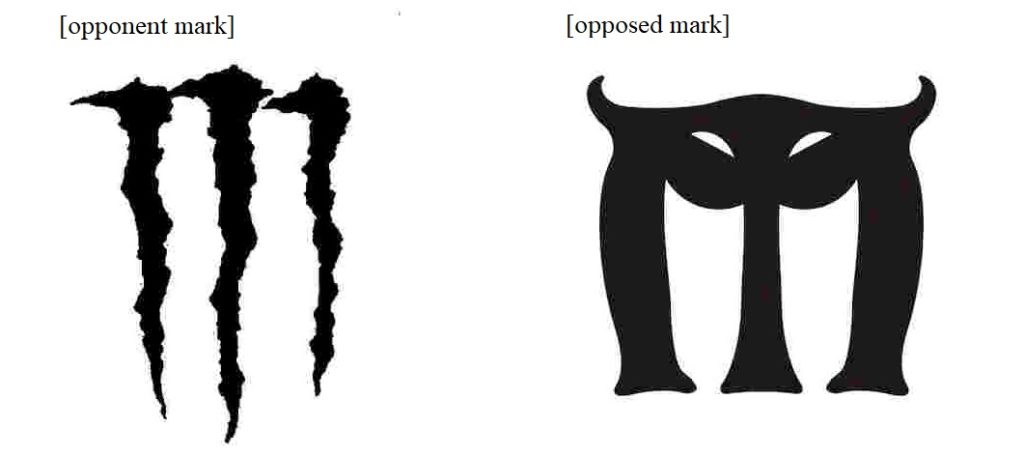
The Japan Patent Office (JPO) dismissed a trademark opposition claimed by MONSTER ENERGY COMPANY against trademark registration no. 6091273 for “M” logo design on goods/services in class 3,5,35 and negated the likelihood of confusion with Monster Energy Claws.
[Opposition case no. 2018-900390, Gazette issue date: February 28, 2020]

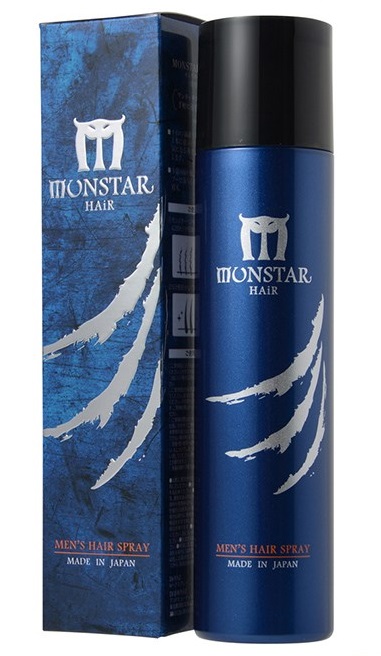
MONSTER HAIR

Opposed mark, “M” logo design (see below), was filed by AND BEAUTY JAPAN Co., Ltd. on June 12, 2018 on goods of hair nourishers; cosmetics; soaps and detergents in class 3, medicinal preparations for stimulating hair growth; pharmaceutical preparations; dietary supplements for humans in class 5, retail services and wholesale services for above goods in class 35, and registered for publication on November 13, 2018.

AND BEAUTY JAPAN promotes MONSTER HAiR sprays for men. Opposed mark is actually represented on the spray can.

Opposition by Monster Energy

On December 26, 2018, Monster Energy Company filed an opposition and argued opposed mark shall be revocable under Article 4(1)(xv) of the Japan Trademark Law due to a likelihood of confusion with Monster Energy Claws.

Article 4(1)(xv)

Article 4(1)(xv) prohibits to register a trademark which is likely to cause confusion with a business of other entity.

Monster Energy argued that opponent has used the mark Monster Energy Claws on energy drinks since 2002. In Japan, since its debut in May 2012, approximately 236 million cans were sold in three years which amount 175 million USD or more. Monster Energy has been aggressively promoting the energy drinks in sports and music events, and grants license to supply bracelets, key holders, T-shirts, headgears, racing jackets, gloves, helmets for sports, stickers, umbrellas, videogames. According to a survey of popular energy drinks, Monster Energy holds a 25% market share in Japan, 2013. These facts suggest Monster Energy Claws has acquired substantial reputation and popularity among relevant consumers as a source indicator of opponent. Besides, both marks give rise to visual, phonetical, and conceptual impression relating to an alphabetical letter “M”. Given energy drinks are closely associated with pharmaceutical preparations and dietary supplements for humans, relevant consumers are likely to misconceive the source of goods using opposed mark with Monster Energy or an entity systematically or economically connected with opponent.

Board Decision

At the outset, JPO provided a viewpoint that Monster Energy drinks belong to carbonated drinks [refreshing beverages] in class 32. If so, opponent failed to demonstrate its market share in carbonated drinks. From the produced evidences, the Board admits relevant traders and the young generation would recognize Monster Energy Claws as a source indicator of opponent to some extent, however, it is doubtful whether opponent mark has been highly known among general consumers of carbonated drinks.

In the assessment of similarity of mark, the Board found opponent mark shows three vertical parallel black shaky lines of different lengths whose upper parts is broader and which, from the perspective of the relevant public, might resemble three ‘claws’ or a very abstract depiction to which no specific and clear meaning can be attributed. With regard to the phonetic and conceptual aspect, the signs at issue are incomparable. From appearance, it is obvious that both marks are sufficiently distinguishable. Thus, the Board held the signs at issues are dissimilar and unlikely to cause confusion.

Besides, the Board negated close relation between energy drinks and pharmaceutical preparations, dietary supplements for humans in view of its nature, purpose, usage, distribution channel and manufacturers.

In respect of the overall assessment of the likelihood of confusion, having regard to all the relevant factors, the Based found there was no likelihood of confusion on the part of the relevant public and decided opposed mark shall not be revocable under Article 4(1)(xv).

Adidas defeated in 3-stripe trademark dispute

The Japan Patent Office (JPO) held in an opposition filed by Adidas AG that trademark registration no. 6085087 for horizontal three-stripes (Opposed mark) shall remain as valid as ever and entirely dismissed Adidas’ claims based on its famous three stripes.
[Opposition case no. 2018-900382, Gazette issued on February 28, 2020]

ULTRA MUSIC FESTIVAL

Opposed mark (see below) was applied for registration on October 10, 2017 over clothing, headwear, footwear in class 25, advertisement and promotion of music festival, concert in class 35, arrangement and conducting of musical performances, music festival, concerts in class 41 by Ultra Enterprises Inc., a U.S. business entity organizing outdoor electronic music event “ULTRA MUSIC FESTIVAL (UML)”, and published for registration on October 23, 2018.

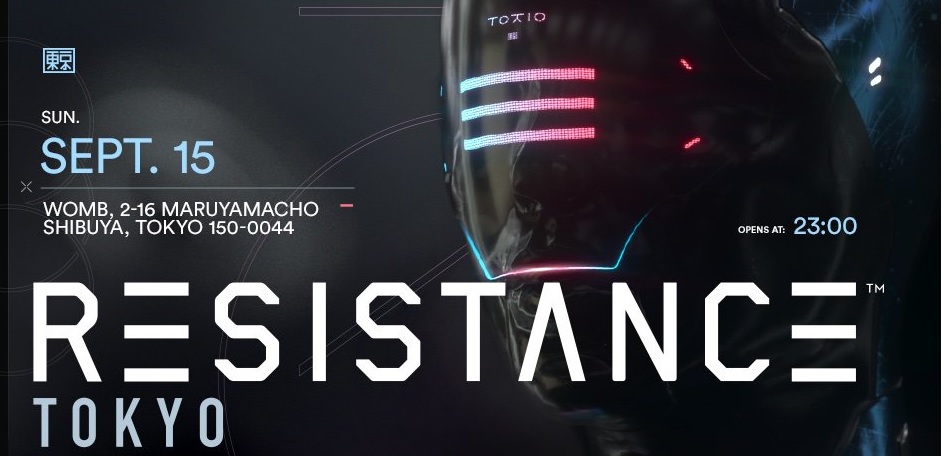
Apparently, opposed mark is used as a symbolic logo for Ultra Music Festival’s RESISTANCE set.

Opposition by Adidas

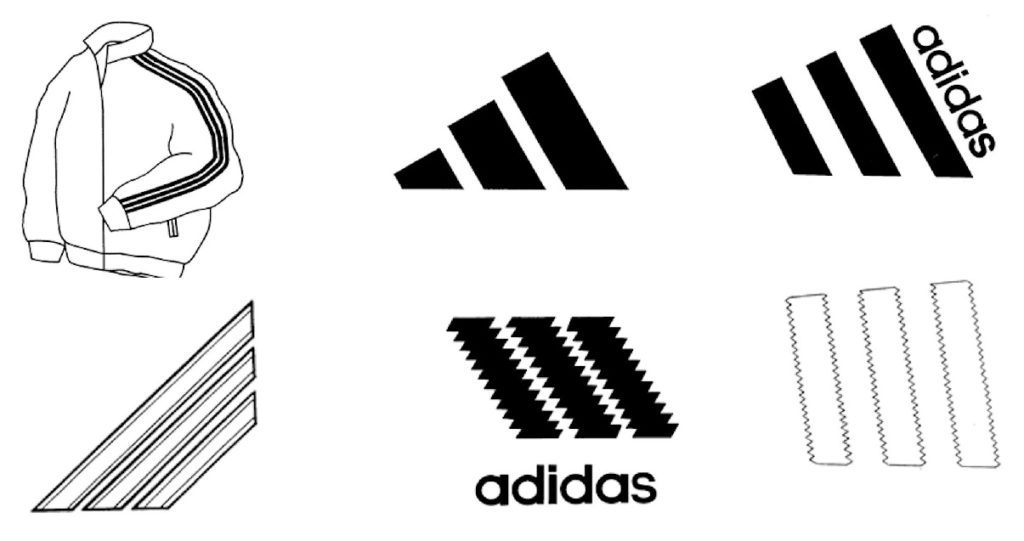
On December 21, 2018, Adidas AG filed an opposition and argued opposed mark is revocable under Article 4(1)(vii) and 4(1)(xv) of the Japan Trademark Law in relation to its famous three stripes (see below).

Article 4(1)(vii)

Article 4(1)(vii) prohibits any mark likely to offend public order and morals from registering.

Based on a remarkable degree of reputation and popularity to Adidas three stripes, opponent asserted, applicant must have been aware of Adidas three stripes and filed opposed mark with a malicious intention to take advantage of the reputation and credit of opponent’s famous trademark and impair the goodwill embodied on its iconic three stripes.

Article 4(1)(xv)

Article 4(1)(xv) prohibits to register a trademark which is likely to cause confusion with a business of other entity.

Adidas argued that, from appearance and concept, opposed mark evidently gives rise to a same impression with Adidas three stripes since each stripe of the mark is depicted in the same direction, width and shape, besides a space between stripe also has the same width with the stripe.

Average consumers with an ordinary care of goods/services in question who have been quite familiar with Adidas are likely to associate opposed mark with Adidas’ three-stripes. Inter alia, when opposed mark is used on apparels with a smaller configuration printed in one spot, so-called ‘one-point mark’, it must be difficult for relevant consumers to distinguish opposed mark with Adidas three-stripes because of its resemblance. Besides, goods/services in question are closely related to opponent business, namely sportswear, sports shoes, sports events. If so, it is highly anticipated that relevant consumers would confuse a source of opposed mark with opponent.

JPO Decision

The Opposition Board admitted a high degree of reputation and popularity to Adidas three stripes in relation to sport shoes, sportswear, sports gear at the time of initial filing and registration of opposed mark.

In the meantime, the Board found a low degree of originality of three stripes and similarity between the marks, from visual, phonetic, and conceptual points of view. The Board stated opposed mark can be perceived as ‘three-stripes’ deployed inside a vertically long rectangle. On the other hand, opponent’s marks consist of ‘three-stripes’ deployed inside a triangle or parallelogram. Even if Adidas three stripes have acquired remarkable reputation, because of a low degree of similarity and the originality, relevant consumers at the sight of opposed mark would not hesitate to consider a source of opposed mark unrelated to Adidas.
Thus, the Board held it is unlikely that relevant consumers confuse or associate opposed mark with Adidas.

The Board also negated opponent’s allegation of ‘one-point mark’ theory by stating that even if average consumers have tendency to pay less attention to details of a mark when used on apparels with smaller configuration, due to dissimilar impression caused by a different outline (vertically long rectangle, triangle, and parallelogram) of respective mark, opposed mark shall be undoubtedly perceived as a distinctive three-stripes unrelated to Adidas by relevant consumers with an ordinary care.

Besides, from the produced evidences, the Board found it was not foreseen a circumstance to offend public order and morals from registering opposed mark and give harmful effect to the international faith.

Based on the foregoing, the Board concluded opposed mark shall be irrevocable under Article 4(1)(vii) as well as (xv) and granted registration a status quo.