On December 26, 2019, the Japan IP High Court ruled to uphold a rejection by the Japan Patent Office (JPO) to International Registration no. 1351134 for the mark “EMPIRE STEAK HOUSE” in class 43 due to a conflict with senior trademark registration no. 5848647 for word mark “EMPIRE”. [Judicial case no. Reiwa1(Gyo-ke)10104]
EMPIRE STEAK HOUSE
The case was brought into the IP High Court after the JPO decided to dismiss an appeal (case no. 2018-650052) filed by RJJ Restaurant LLC (Plaintiff), an owner of IR no.1351134 for mark consisting of stylized-words “EMPIRE STEAK HOUSE” in two lines and a golden cow design (see below) on restaurant services; carry-out restaurant services; catering services in class 43.

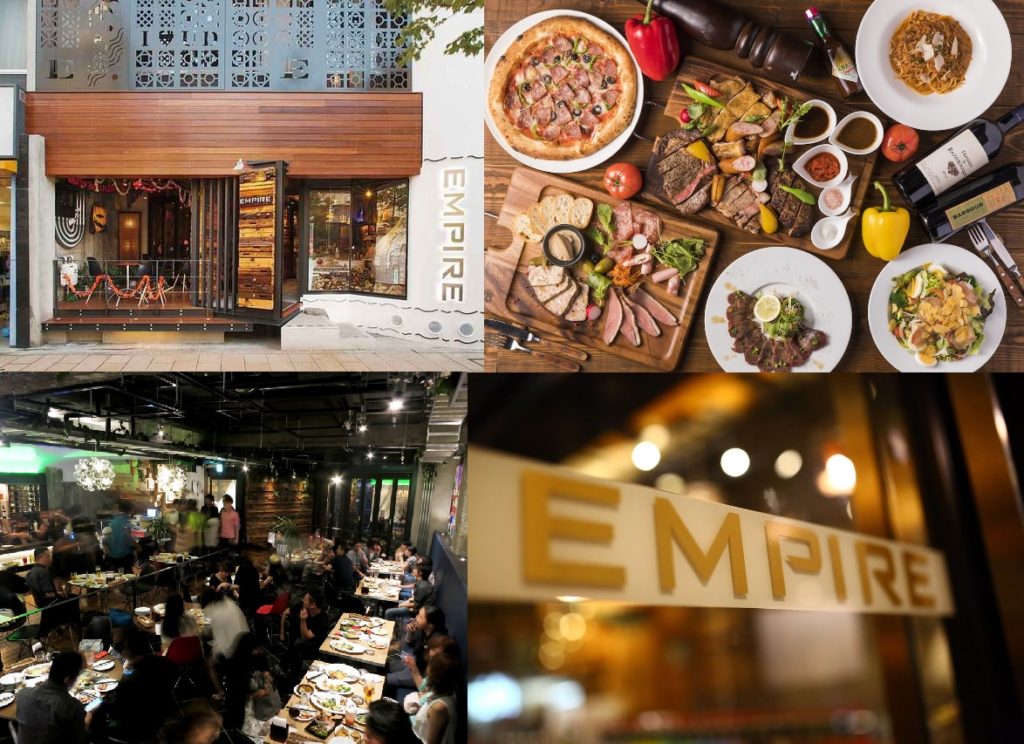
EMPIRE STEAK HOUSE, one of the top steakhouses in New York City since 2010, has opened their first restaurant aboard on the first floor of the new Candeo Hotel in Roppongi, Tokyo (JPN) on October 17, 2017. To secure the restaurant name in Japan, RJJ Restaurant LLC applied for registration of disputed mark via the Madrid Protocol with a priority date of March 2, 2017 in advance of the opening.
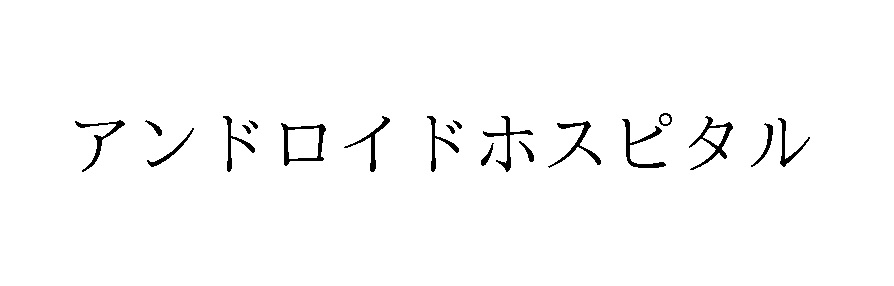
Senior registered mark “EMPIRE”
The JPO rejected disputed mark by citing senior trademark registration no. 5848647 for word mark “EMPIRE” in standard character on grilled meat and sea foods restaurant services in class 43 based on Article 4(1)(xi) of the Trademark Law.
Article 4(1)(xi) is a provision to prohibit from registering a junior mark which is deemed identical with, or similar to, any senior registered mark.
Senior registered mark was applied for registration on December 8, 2015 and registered on May 13 ,2016. Apparently, senior mark is actually used as a name of restaurant, “Dining Bar Empire”, located in the city of Ueda, Nagano Prefecture (JPN).
To contend against the decision, plaintiff filed an appeal to the IP High Court on July 19, 2019.
IP High Court Decision
Plaintiff argued the literal elements of disputed mark “EMPIRE STEAK HOUSE” shall be assessed in its entirety by citing web articles relating to applicant’s restaurant which referred to the restaurant as Empire Steak House in full. Like ‘Empire State Building’ and ‘Empire Hotel’, the term “EMPIRE” gives rise to unique meaning and plays a role of source indicator as a whole when used in combination with other descriptive word. Besides, disputed mark contains an eye-catching golden cow which attracts attention to relevant consumers. If so, it is evident that the JPO erred in assessing similarity of mark between “EMPIRE STEAK HOUSE” and “EMPIRE”.
The IP High Court, at the outset, mentioned the Supreme Court decision rendered in 2008 which established general rule to grasp a composite mark in its entirety in the assessment of similarity of mark.
“Where a mark in dispute is recognized as a composite mark consisting of two elements or more, it is not permissible to decide similarity of mark as a whole simply by picking out an element of the composite mark and then comparing such element with other mark, unless consumers or traders are likely to perceive the element as a dominant portion appealing its source of origin of goods/service, or remaining elements truly lack inherent ability to serve as a source indicator in view of sound and concept.”
Next, the court analyzed the configuration of disputed mark and found it is allowed to grasp a literal element “EMPIRE” of disputed mark as dominant portion in light of the criteria applied by the Supreme Court by stating that:
- A term “STEAK HOUSE” is commonly used to indicate steak restaurant even in Japan.
- Where the term is included in restaurant name, it sometimes happens that relevant consumers over leap the term to shorten the name.
- In restaurants, it becomes common practice to display cucina and foodstuffs to be served on signboard or advertisement. Likewise, there are many steak and grilled meat restaurants displaying cow design. If so, relevant consumers at the sight of disputed mark would perceive the cow design as a mere indication to represent foodstuffs at the restaurant.
- From appearance, given the configuration of disputed mark, respective element can be considered separable.
Finally, based on the above findings, the court dismissed plaintiff’s arguments and concluded the JPO was correctly assessing similarity of mark. Given dominant portion of disputed mark is identical with the cited mark “EMPIRE” and both marks designate the same or similar services in class 43, disputed mark shall be unregistrable under Article 4(1)(xi) of the Trademark Law.