On December 22, 2023, the Japan Patent Office (JPO) dismissed an opposition filed by New Balance Athletics, Inc. against TM Reg no. 6669617 for the “nyan balance” mark with a landing cat device due to dissimilarity to and unlikelihood of confusion with “NEW BALANCE”.
[Opposition case no. 2023-900073]
“nyan balance”
A Japanese individual applied a composite mark consisting of the word “nyan balance” and a landing cat device (see below) for use on apparel, headgear, footwear, sports shoes, and sportswear in class 25 with the JPO on May 26, 2022 (TM App no. 2022-65756).
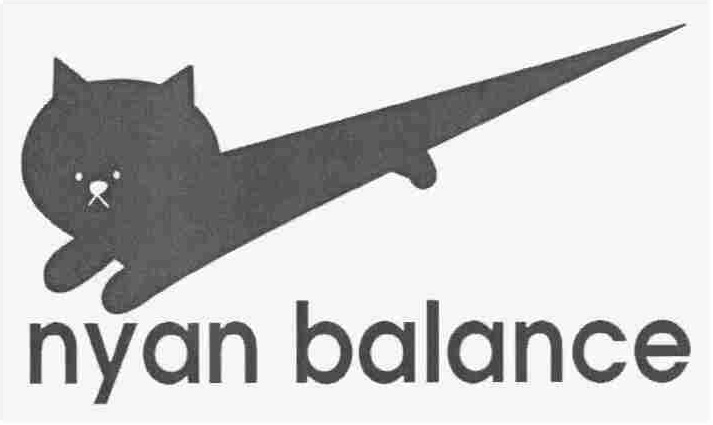
“Nyan” is known as the sound cats make in Japan. Because of it, “nyan balance” reminds us of a combination of cat sounds and “balance”.
The JPO examiner allowed registration of the opposed mark on February 7, 2023 without raising any objection, and published it for post-grant opposition on February 15, 2023.
Opposition by NEW BALANCE
To oppose registration within a statutory period of two months counting from the publication date, New Balance Athletics, Inc. filed an opposition against the “nyan balance” mark on March 31, 2023.
NEW BALANCE argued the opposed mark shall be canceled in contravention of Article 4(1)(vii), (xi), (xv), and (xix) of the Japan Trademark Law because of the remarkable reputation and popularity of the NEW BALANCE brand in relation to apparels and shoes, and a close resemblance between the literal portion “nyan balance” of opposed mark and famous brand “NEW BALANCE” to the extent that relevant consumers are likely to confuse a source of the goods in question bearing the opposed mark with “New Balance”.
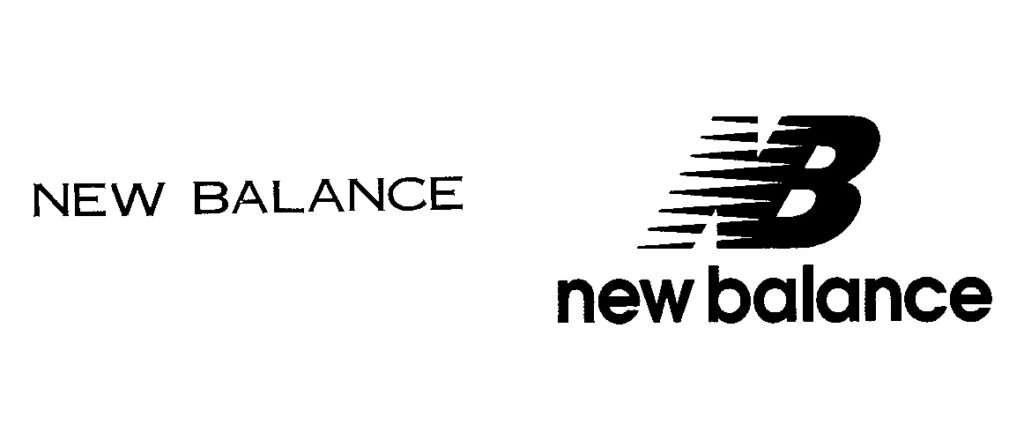
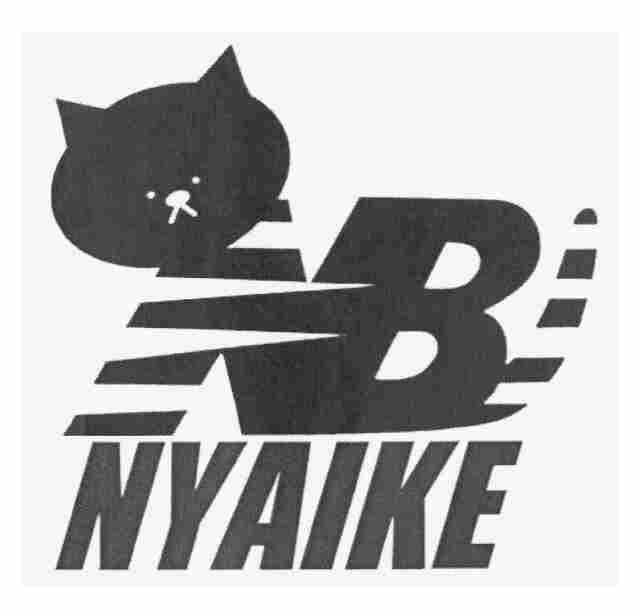
In the opposition, NEW BALANCE pointed out a fact that the applicant once sought registration of a mark containing famous “NB” logo (see below. TM App 2022-65755) with the JPO. Since he did not make a response to the examiner’s rejection that asserted a likelihood of confusion with NEW BALANCE and a malicious intent to obtain unjustifiable benefits by using the similar mark to famous “NB” logo, the opponent alleged the applicant must have had a bad faith in filing the opposed mark.
JPO decision
Astonishingly, the JPO Opposition Board did not admit a high degree of popularity and reputation of “NEW BALANCE” brand as a source indicator of the opponent by finding that the opponent did not submit detail and sufficient evidence, such as sales record, advertisement and sales promotion, to demonstrate famousness of the cited mark objectively.
Besides, the Board negated the similarity between the marks by stating that:
From the appearance, the difference in the prefix of literal elements, “nyan” and “NEW” would suffice for relevant consumers to distinguish them. Therefore, even though the term “nyan balance” is considered as a prominent portion of the opposed mark, both marks are sufficiently distinguishable in appearance.
Phonetically, “nyan balance” is easily distinguishable from “NEW BALANCE” because of the difference in the first sound given both marks just consist of six sounds respectively.
Conceptually, since both marks do not give rise to any specific meaning, it is not possible or adequate to find similarity in concept.
By virtue of a low degree of similarity, the Board found relevant consumers are unlikely to confuse or associate the source of the goods bearing the opposed mark with “NEW BALANCE” and any entity systematically or economically connected with the opponent.
Provided that the opponent failed to demonstrate famousness of “NEW BALANCE” brand, the Board has no reason to believe the applicant filed the opposed mark with a malicious intent to free-ride on the opponent’s reputation and goodwill.
Based on the foregoing, the JPO dismissed the entire allegations and decided the opposed mark shall remain valid as the status quo.