Failed Trademark Opposition over VW TYPE-2

The Japan Patent Office (JPO) did not side with Volkswagen AG in an opposition against TM Reg no. 6365340 for device mark containing a depiction of a van-type red car by finding unlikelihood of confusion with Volkswagen Type-2.

[Opposition case no. 2021-900210, decided on September 14, 2023]

Opposed mark

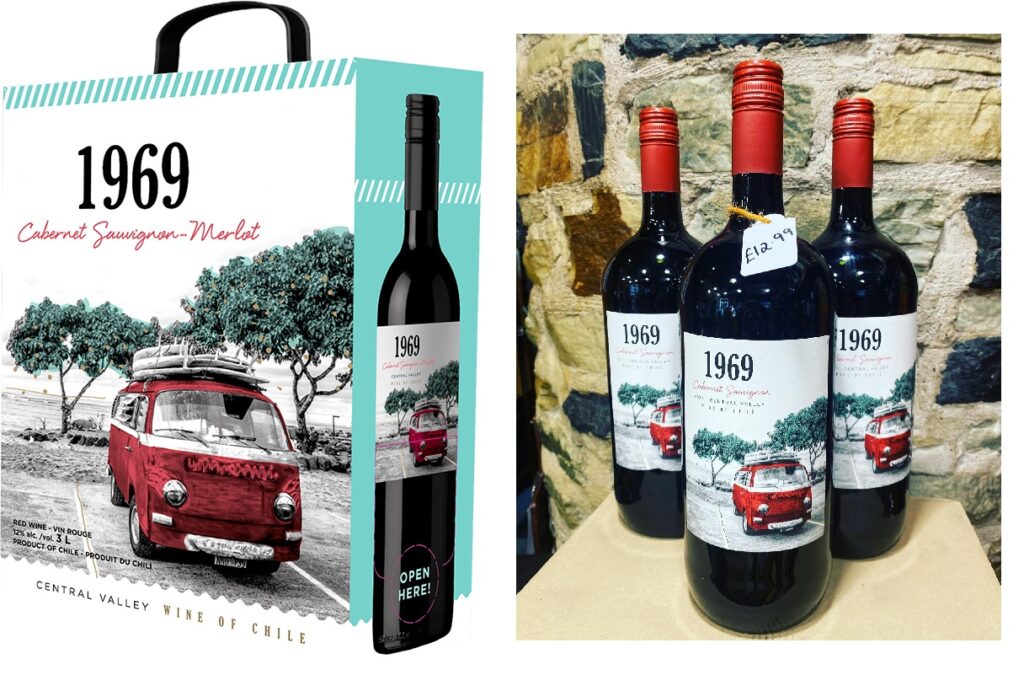
Sur Andino SA, a Chilean wine grower and producer, filed a trademark application for device mark containing a depiction of a van-type red car (see below) to be used on wines in class 33 with the JPO on February 5, 2020.

The JPO granted protection of the opposed mark on March 9, 2021 and published is for a post-grant opposition on April 6, 2021.

Opposition by Volkswagen

On June 7, 2021, just before the lapse of a two-month statutory period counting from the publication date, Volkswagen AG filed an opposition and claimed the opposed mark shall be cancelled in contravention of Article 4(1)(vii), (xv) and (xix) of the Japan Trademark Law.

Volkswagen argued a van-type red car depicted in the opposed mark resembles the VW Type 2 vehicles, aka Transporter, Bulli, Kombi, VW Bus that have been distributed worldwide for past six decades and a unique shape of the vehicles has played a significant role in identifying the origin of car. Because of it, the applicant must have had a bad faith to free-ride or dilute fame and prestige of the VW Type 2. Relevant consumers are likely to confuse a source of wines bearing the opposed mark with VW.


JPO decision

The JPO Opposition Board questioned whether the shape of the VW Type 2 per se has played a role in indicating the source from the produced evidence.

Given there is insufficient evidence to connect a van-type red car in the opposed mark with the VW Type 2, the Board found no reason to believe the applicant had a bad faith to free-ride or dilute prestige of the VW Type 2 by using the opposed mark on wines. If so, it is unlikely that relevant consumers confuse a source of wines bearing the opposed mark with Volkswagen.

Based on the foregoing, the Board decided the opposed mark shall not be canceled based on Article 4(1)(vii), (xv) and (xix), and thus dismissed entire allegations by Volkswagen.
JPO Declared Cancellation of Trademark “BORDEAUX WAVE” on Cosmetics

The Japan Patent Office (JPO) decided to cancel TM Reg no. 6576001 for word mark “BORDEAUX WAVE” in relation to cosmetics due to contrary to public policy and accepted principles of morality.

[Opposition case no. 2022-900374, decided on September 1, 2023]

Opposed mark “BORDEAUX WAVE”

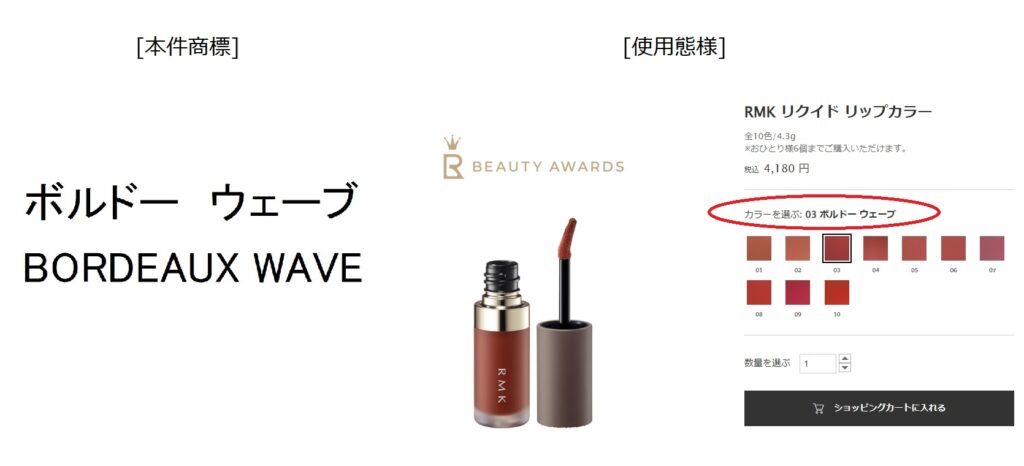
KAO Corporation, a major Japanese company providing a broad range of household products such as cosmetics and detergents, filed a trademark application for the wordmark “BORDEAUX WAVE” with its transliteration written in Japanese Katakana character (see below) for use on soaps and detergents, cosmetics, perfume and flavor materials, incense in class 3 with the JPO on December 22, 2021.

Apparently, the mark is used as a name for one of the RMK lipstick colors distributed by KAO’s subsidiary company.

The JPO examiner did not raise any objection to the “BORDEAUX WAVE” mark and granted protection on June 2, 2022.


Trademark Opposition

On August 31, 2022, before the lapse of a two-month statutory period counting from the publication date, INSTITUT NATIONAL DE L’ORIGINE ET DE LAQUALITE and CONSEIL INTERPROFESSIONNEL DUVIN DE BORDEAUX as joint opponents filed an opposition against the BORDEAUX WAVE mark and claimed the opposed mark shall be canceled in contravention of Article 4(1)(vii) of the Japan Trademark Law.

The opponents argued that the opposed mark misleads as to the origin of the goods in question on which it is used since the GI “Bordeaux” has been widely known for an origin of French Wine. Besides, the opposed mark severely harms to fame and aura of prestigious wine constituted under the strict control of domicile of origin.


Article 4(1)(vii)

Article 4(1)(vii) prohibits any mark likely to offend public order and morals from registering.

Trademark Examination Guidelines sets forth criteria for the article and samples.

  1. Trademarks that are “likely to cause damage to public order or morality” are, for example, the trademarks that fall under the cases prescribed in (1) to (5) below.

(1) Trademarks which are, in composition per se, characters or figures, signs, three-dimensional shapes or colors or any combination thereof, or sounds that are unethical, obscene, discriminative, outrageous, or unpleasant to people. It is judged whether characters, figures, signs, three-dimensional shapes or colors or any combination thereof, or sounds are unethical, discriminative or unpleasant to people, with consideration given to their historical backgrounds, social impacts, etc. from a comprehensive viewpoint.

(2) Trademarks which do not have the composition per se as prescribed in (1) above but are liable to conflict with the public interests of the society or contravene the generally-accepted sense of morality if used for the designated goods or designated services.

(3) Trademarks with their use prohibited by other laws.

(4) Trademarks liable to dishonor a specific country or its people or trademarks generally considered contrary to the international faith.

(5) Trademarks whose registration is contrary to the order predetermined under the Trademark Act and is utterly unacceptable for lack of social reasonableness in the background to the filing of an application for trademark registration.

  1. Examples that fall under this item

(i) Trademarks that contain characters such as “university” and are likely to be mistaken for the name of universities, etc. under the School Education Act.

(ii) Trademarks that contain characters such as “士(shi” which are likely to mislead that they represent national qualifications.

(iii) Trademarks of the name of a well-known or famous historical personage which are determined to have the risk of taking a free ride on public measures related to that personage and damage the public interests by inhibiting the performance of such measures.

(iv) Trademarks with figures indicated in a manner that may impair the dignity and honor of national flags (including foreign national flags)

(v) A sound mark related to the services of “medical treatment” which causes people to recognize siren sounds generated by ambulances that are well known in Japan.

(vi) A sound mark which causes people to recognize national anthems of Japan and other countries.


JPO Decision

The JPO Opposition Board found in favor of opponents that “BORDEAUX” has acquired a high degree of popularity and reputation among Japanese consumers as a source indicator of wines originated from the Bordeaux district.

Since the opposed mark contains the term “BORDEAUX”, it is undeniable that consumers are likely to connect the opposed mark with BORDEAUX wine or its district even when used on cosmetics and other goods in question. If so, the Board has a reason to believe that the opposed mark free-rides or dilutes lure and image of BORDEAUX wine, and adversely affects domicile of origin strictly controlled by French government. Thus, inevitably the opposed mark may cause disorder to a world of global commerce in a manner inconsistent with international fidelity.

Based on the foregoing, the Board decided to cancel the BORDEAUX WAVE mark entirely based on Article 4(1)(vii).

Shangri-La Unsuccessful in Trademark Opposition Over “Shangri-La Golf”

The Japan Patent Office (JPO) dismissed an opposition claimed by Shangri-La Hotels against TM Reg no. 6610570 for the mark “Shangri-La-Golf” in class 35 due to dissimilarity between “Shangri-La” and “Shangri-La-Golf”.

[Opposition case no. 2022-900465, decided on July 26, 2023]

Opposed mark

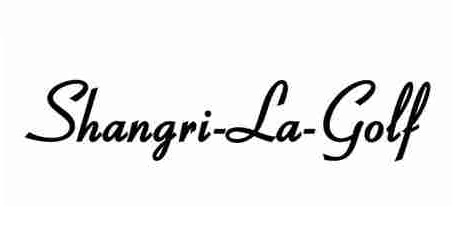
A Japanese individual filed a stylized word mark “Shangri-La-Golf” (see below) for use on retail and wholesale services in relation to woven fabrics, beddings, clothing, footwear, and personal articles in class 35 with the JPO on June 22, 2020.

The JPO examiner rejected the mark in contravention of Article 4(1)(xi) of the Japan Trademark Law by citing earlier trademark registrations for wordmark “SHANGRI-LA”.

However, as a result of the JPO Appeal Board’s decision that found dissimilar to “SHANGRI-LA”, the mark could be registered on September 6, 2022.


Opposition by Shangri-La Hotels

Shangri-La International Hotel Management Ltd filed an opposition against the opposed mark on November 11, 2022 and argued the opposed mark shall be canceled in contravention of Article 4(1)(vii), (viii), (x), (xi), (xv), and (xix) of the Japan Trademark Law due to a remarkable degree of recognition of the cited mark “Shangri-La” and close resemblance between the opposed mark and “Shangri-La”.


JPO decision

The JPO Opposition Board questioned a remarkable degree of recognition of the cited mark among relevant public in Japan by stating that the produced evidence is insufficient to find such recognition objectively.

As for appearance, sound and meaning of the opposed mark, the Board found

“The opposed mark consists of “Shangri”, “La”, and “Golf” written in the same font and size, and tightly united by a hyphen (-). Visually, there is no reason to find respective element perse independently plays a role in source indicator of the opposed mark. Besides, the sound arising from the opposed mark as a whole can be pronounced easily.

Even if the term “Golf” has the meaning of a kind of ball game, it is reasonable to find that the term would not be recognized as directly indicating a descriptive meaning or specific quality of the services in question. Relevant consumers would see the opposed mark as a whole.

Therefore, the opposed mark shall be assessed in its entirety and give rise to a pronunciation of “Shangri-La-Golf” and no specific meaning.”

Based on the above finding, the Board decided the opposed mark “Shangri-La-Golf” is dissimilar to the cited mark “Shanri-La” because there is visual and phonetical distinction between the marks by virtue of the term “Golf” and the opposed mark does not give rise to a meaning related to ‘a remote usually idyllic hideaway’.

Accordingly, the Board found the opposition baseless and decided the opposed mark remains as the status quo.

Champion loses trademark opposition over “C” logo

The Japan Patent Office (JPO) dismissed an opposition filed by HBI Branded Apparel Enterprises, LLC against TM Reg no. 6560200 for the C device mark due to dissimilarity to and the unlikelihood of confusion with the iconic “C” emblem of Champion.

[Opposition case no. 2022-900315, decided on May 22, 2023]

Opposed mark

DAIEI TRADING CO., LTD. a Japanese company, applied a device mark consisting of the “C” curved line and a heart & circle placed vertically inside of the line (see below) for use on apparel, footwear, sports shoes, and sportswear in class 25 with the JPO on December 8, 2021.

The JPO examiner did not raise any objection to the mark at all in the course of the substantive examination.

Accordingly, the mark was registered on May 23, 2022, and published for post-grant opposition on May 31, 2022.


Opposition by Champion

HBI Branded Apparel Enterprises, LLC filed an opposition against the opposed mark on August 2, 2022.

HBI argued the opposed mark shall be canceled in contravention of Article 4(1)(vii), (x), (xi), (xv), and (xix) of the Japan Trademark Law on the grounds that a high degree of similarity between the opposed mark and the iconic “C” emblem (see below) becoming famous as a source indicator of the Champion brand in connection with casual wear, sportswear, and other related goods would inevitably cause confusion among relevant consumers when the opposed mark is used on goods in question.


JPO decision

The JPO Opposition Board admitted that the “C” emblem has acquired a high degree of reputation as a result of substantial use in Japan for more than four decades and become famous as a source indicator of the opponent.

In the meantime, the Board negated the similarity between the marks by stating that:

From the appearance, both marks contain a curved line that looks like a “C” letter; however, the respective line looks totally different by means of a wide difference in line thickness. Besides, there is a clear difference between figurative elements depicted inside of the line (a heart & circle device placed vertically in the opposed mark, a thick vertical line in the cited mark). Therefore, the two marks are visually distinguishable.

Conceptually, the opposed mark does not give rise to any specific meaning. Meanwhile, the cited mark has the meaning of ‘famous brand of the opponent.’ If so, both marks are dissimilar in concept.

Based on the foregoing, the Board has a reason to believe that the opposed mark is dissimilar to the cited mark, even if they cannot be compared in terms of pronunciation.

In a global assessment of the likelihood of confusion, the Board found:

Even if the cited mark is widely recognized among consumers in Japan as a source indicator of the Champion’s business, given the low degree of similarity to the opposed mark, it would be unlikely that relevant traders and consumers at the sight of the opposed mark used on goods in question immediately associate or recall the cited mark or the opponent business.

If so, it is reasonable to consider that relevant consumers are unlikely to confuse the source of the goods bearing the opposed mark with Champion or another entity systematically or economically connected with the opponent.

Based on the foregoing, the JPO dismissed the entire allegations and decided the opposed mark shall remain valid as the status quo.

Letter of Protest protects PUMA from Free-rider

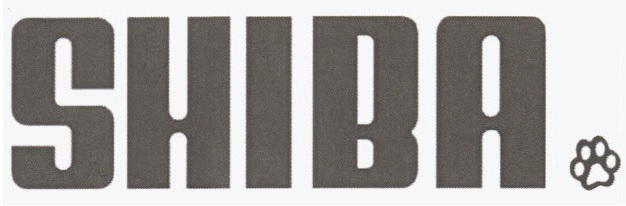
The JPO examiner raised her objection on the ground that TM App no. 2022-76159 for the stylized mark “SHIBA” was confusingly similar to the world-famous mark “PUMA” and filed with a malicious intent to harm PUMA as well as public interest.


Opposition vs Letter of Protest

Whenever a brand owner discovers a trademark application by a third party that may cause confusion or detrimental effect on your business, the owner is eager to block its registration by any means.

Opposition is one of the actions universally taken in such cases, however, it should be noted the success rate of opposition has been remarkably low (11% on average in the past six years) in Japan. Besides, the Japan Trademark Law does provide only “post-grant opposition” and the JPO has full discretion in deciding whether to cancel the opposed mark. Assumably, these factors affect the rate getting lower.

In this respect, a “letter of protest” is probably a better option instead.

Any person can use the letter of protest to give the JPO evidence about the registrability of a trademark in a pending application. There is no public data to show how effective the letter works to block the protested trademark, however, in my experience, as a Japanese trademark practitioner for twenty years, more than half of the letters resulted in a rejection of the protested trademark.


Protest to “SHIBA” mark

MARKS IP LAW FIRM, acting on behalf of PUMA SE, sent a letter of protest against TM App no. 2022-76159 for the stylized mark “SHIBA” (see below) in class 25 on November 25, 2022.

In the letter, we argued the protested mark is likely to cause confusion with PUMA SE because of its resemblance to the world-famous sports brand “PUMA”.

On February 17, 2023, the JPO examiner issued an office action refusing registration of the SHIBA mark in contravention of Article 4(1)(vii), (xi), (xv), (xix) of the Japan Trademark Law by stating that:

The protested mark gives rise to a pronunciation of “Shiba” and the concept of “Shina Inu; a breed of small thick-coated agile dogs developed in Japan”.

Even though there is a difference in meaning and sound, by virtue of the remarkable degree of reputation and popularity of the PUMA mark and the impressive resemblance of both marks in appearance, the examiner has a reason to believe relevant consumers would confuse a source of the designated goods of class 25, namely clothing, belts, footwear, sportswear, sports shoes, and headgear, bearing the SHIBA mark with PUMA.

Besides, there is reasonable doubt that the applicant must have been aware of PUMA and applied for the protested mark with malicious intent to harm not only PUMA but also the public interest.

Unless the applicant is successful in persuading the examiner of the dissimilarity of the mark, the unlikelihood of confusion with PUMA, and the non-existence of malicious intent, it will be rejected as a matter of course.


It is my advice to take advantage of the letter of protest, rather than opposition if you want to protect your brand against free-rider in Japan.

BOND GIRL Score Win in Trademark Dispute

The Japan Patent Office (JPO) declared invalidation of TM Reg no. 6267785 for “BOND GIRL” with a “BG” device mark in contravention of Article 4(1)(vii) of the Trademark Law.

[Invalidation case no. 2022-890013, decided on November 18, 2022]

Disputed mark

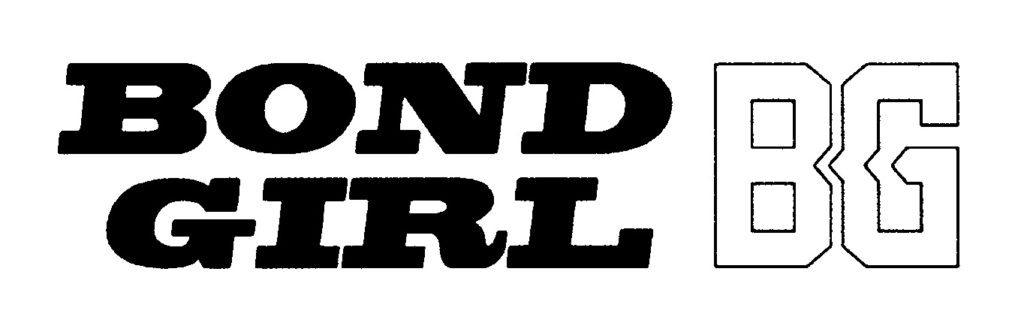
A disputed mark, consisting of the stylized word “BOND GIRL” and “BG” logo (see below), was filed with JPO for use on scissors, swords, hand tools, spoons, and forks in class 8 by a Japanese business entity on September 4, 2019, and registered on July 9, 2020.

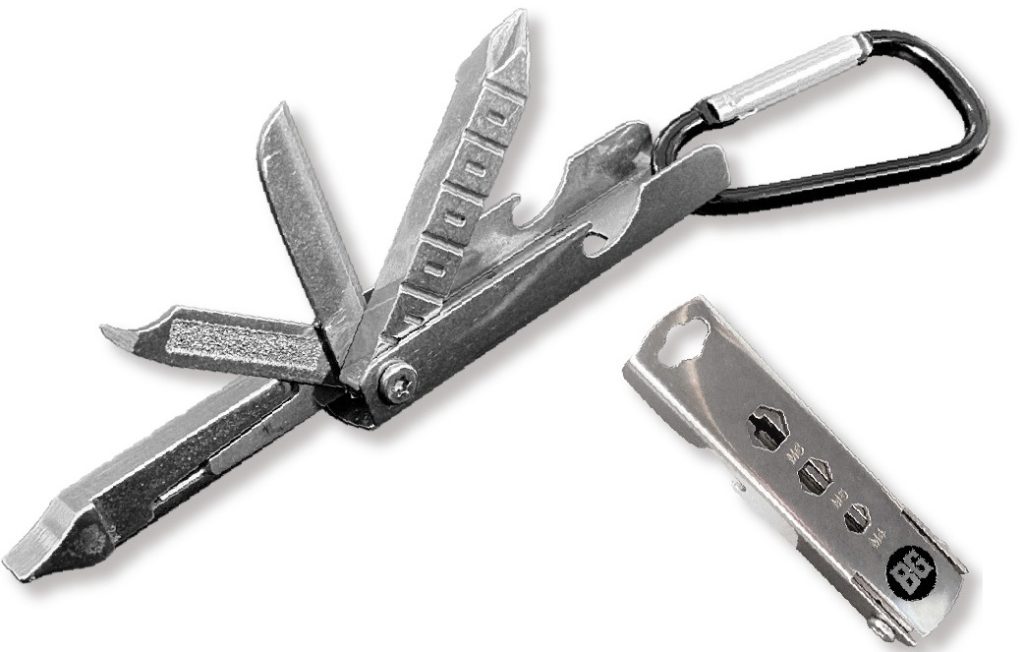
Apparently, the applicant has used the disputed mark on multi-tools. Click here.


Invalidation petition by Danjaq, LLC

On March 1, 2022, Danjaq, LLC, the holding company responsible for the copyright and trademarks to the characters, elements, and other material related to James Bond on screen, filed a petition for invalidation and argued disputed mark shall be invalid in contravention of Article 4(1)(vii) of the Japan Trademark Law by citing world-famous cinematic heroine “BOND GIRL” in the James Bond film series “007”.

Article 4(1)(vii)

Article 4(1)(vii) of the Trademark Law prohibits any mark likely to cause damage to public order or morality from registration.

In the petition, Danjaq argued “BOND GIRL” has appeared as a love interest of James Bond in the movies for over 55 years since 1962. Due to frequent appearances in magazines, other public media, and various events pertinent to the Japes Bond movie, the name and sign of “BOND GIRL” has been well-known as a cinematic heroine in association with the film series “007”.

If so, it is presumed that the applicant intentionally applied the disputed mark with the aim to monopolize the term. Since the applicant does not have any legal interest with Danjaq, a legitimate owner of trademarks and copyrights pertaining to the 007 movies, it must impermissibly cause not only damage to public order but the disorder in domestic and foreign trade.


JPO decision

The Invalidation Board found, from the produced evidence, the cinematic heroine “Bond girl” has regularly attracted audiences through screens, magazines, and promotional events of the James Bond “007” movie. The sign “BONG GIRL” had further extensive marketing and licensing to companies in vastly different product categories, not only with products associated with motion pictures, e.g. nails, cosmetics, dolls, cards, calendars, and others. Relevant consumers at the sight of the disputed mark would conceive nothing but the cinematic heroine in the film. The Board, therefore, considered that “BOND GIRL” has become worldly famous as a cinematic heroine that appeared in the “007” film series.

The Board continued in analyzing efforts made by Danjaq to enhance the commercial value of “BOND GIRL” by means of trademark registrations in various jurisdictions and licensing to different product categories.

The Board paid attention that the applicant has referred to the James Bond films and the cinematic heroin “Bond girl” in advertisements to promote the BG multi-tools.

Based on the foregoing, the Board found it is impermissible for the applicant, unrelated to Danjaq, to monopolize the term on goods in question and decided to retroactively invalidate the disputed mark in contravention of Article 4(1)(vii) for the purpose of preventing damage to public order.

Failed Opposition by Monster Energy over PREDATOR mark

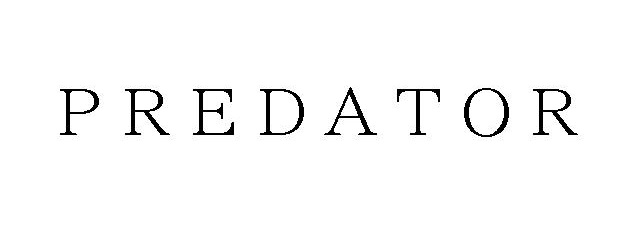
In a trademark opposition claimed by Monster Energy Company against TM Reg no. 6471165 for the stylized PREDATOR mark in class 30, the Japan Patent Office (JPO) dismissed the opposition by finding dissimilarity of goods between ‘coffee, tea, cocoa’ and ‘carbonated beverages, energy drink’ in class 32.

[Opposition case no. 2022-900010, decided on November 7, 2022]

Opposed mark

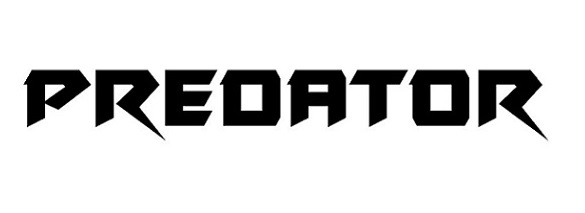
Acer Incorporated, a Taiwanese multinational hardware, and electronics corporation filed a stylized mark “PREDATOR” (see below) for use on various foods including ‘instant coffee, coffee beverages, coffee, tea, cocoa’ in class 30 with the JPO on January 6, 2021.

The JPO examiner granted protection on November 11, 2021 (TM Reg no. 5461165), and the opposed mark was published for opposition on December 7, 2021.


Opposition by Monster Energy

Monster Energy Company filed an opposition on January 13, 2022, and claimed the opposed mark shall be canceled in contravention of Article 4(1)(vii), (xi), and (xix) of the Japan Trademark Law by citing TM Reg no. 6408734 for word mark “PREDATOR” in standard character over ‘carbonated beverages; energy drink’ in class 32.

The opponent argued that ‘instant coffee, coffee beverages, coffee, tea, cocoa’ designated in class 30 shall be deemed similar to ‘carbonated beverages; energy drink’ in class 32 because:
(1) five major Japanese beverage suppliers manufacture and distribute not only the goods in question, but also other beverages identical or similar to the cited drinks e.g., soft drinks, fruit drinks, beverage vegetable juices, and whey drinks.
(2) Both goods are generally sold at convenience stores, supermarkets, department stores, drugstores, and other food outlets, vending machines, and train station kiosks, so they share the same sales locations.
(3) Both ingredients overlap and their uses as non-alcoholic beverages are common. Namely, there are purchased and consumed at teatime, for relaxation during breaks, for hydration, and as drinks during and after meals.
(4) Both goods are consumed by general consumers.

It is indisputable that both marks are similar in sound and meaning. Being that both marks and goods are deemed similar, the opposed mark shall not be registrable under Article 4(1)(vi) of the Japan Trademark Law.


JPO decision

The JPO Opposition Board found similarities in both marks.

However, the Board did not uphold the argument pertinent to the similarity of goods by stating that:

Although it is true the main consumers of non-alcoholic beverages are general consumers, that they are ultimately sold in the same vending machines and sales corners, and that they are consumed for similar purposes, the Board has a reason to believe these goods have different suppliers, gradients, and distribution channels more often than not. If so, both goods shall not be considered similar at all events.

Based on the above findings, the Board decided the opposed mark shall not be canceled and dismissed the oppositions by Monster Energy entirely.

Warner Defeated in Trademark Opposition over TWEETY

The Japan Patent Office (JPO) dismissed an opposition filed by Warner Bros against Japanese trademark registration no. 6452448 for the TWETYBIRD mark with a device by finding dissimilarity to and less likelihood of confusion with “Tweety”, a yellow canary bird, featured in the Warner Bros Looney Tunes animated cartoons.

[Opposition case no. 2021-900459, Decision date: October 26, 2022]

Japan TM Reg no. 6452448

The opposed mark, consisting of the word “TWETYBIRD” and an encircled “B” device (see below), was filed by a Chinese company for use on various goods in classes 3,9,14,18,25, and advertising and other services in class 35 on December 16, 2020.

The JPO granted protection on August 25, 2021, and the mark was published for opposition on October 26, 2021.


Opposition by Warner Bros

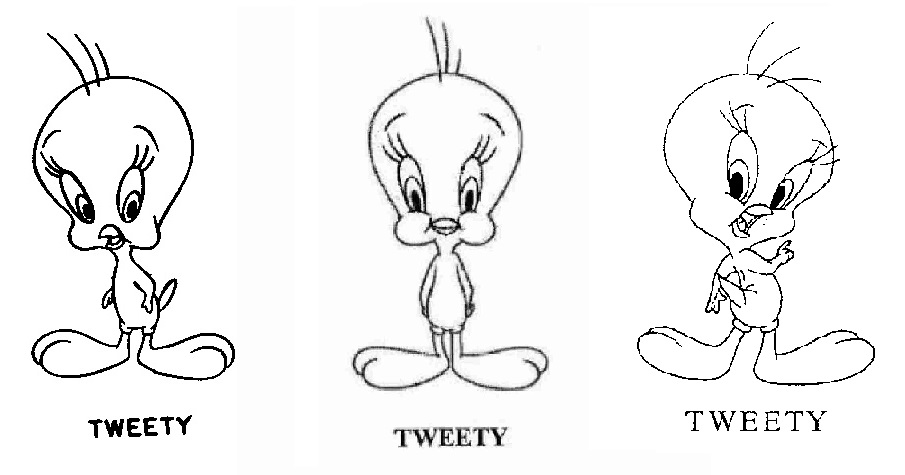
On December 27, 2021, before the lapse of a two-month opposition period, Warner Brothers Entertainment Incorporated filed an opposition with the JPO, and argued the opposed mark shall be canceled in contravention of Article 4(1)(vii), (xi), (xv) and (xix) of the Japan Trademark Law by citing earlier trademark registrations for the mark “Tweety”, a yellow canary bird (see below) featured in the Looney Tunes animated cartoons.

Warner Bros alleged that the cited marks have been remarkably famous for the title of the animated cartoons or the name of the cartoon character produced by Warner Bros. In view of the close resemblance between the famous mark “Tweety” and a literal element “Twety” of the opposed mark, it shall be considered the opposed mark is similar to and likely to cause confusion with the opposed mark when used on the goods and service in question.


JPO decision

The JPO Opposition Board admitted a certain degree of reputation and popularity of the cited marks to indicate a cartoon character. However, the Board questioned such popularity as a source indicator of Warner Bros from the totality of the circumstances and the produced evidence.

Besides, the Board found the literal element “TWETYBIRD” of the opposed mark shall be assessed in its entirety from the visual configuration. If so, the opposed mark would not give rise to a similar sound and meaning to “Tweety”. Therefore, the Board has a reason to believe that relevant consumers are unlikely to confuse a source of the goods and services in question bearing the opposed mark with Warner Bros due to a low degree of similarity between marks and reputation of the cited marks as a source indicator of Warner Bros.

In the decision, the Board mentioned it is doubtful if relevant consumers acquaint themselves with “Tweety Bird” as the full name of “Tweety”. If so, there is no reasonable ground to find the opposed mark violates morality or public order.

Based on the foregoing, the Board found the opposed mark shall not be canceled in contravention of Article 4(1)(vii), (xi), (xv), and (xix) and dismissed the opposition entirely.

Olympic Lose Trademark Race with Olimple

In a trademark opposition disputing the similarity and the likelihood of confusion between “Olympic” and “Olimple”, the JPO did not side with the IOC (International Olympic Committee).

[Opposition case no. 2021-900173]


Olimple

The opposed mark, consisting of the term “Olimple” written in the alphabet and the Japanese katakana character (see below), was applied with the Japan Patent Office (JPO) on January 28, 2020, for use on facial skin care gel, cosmetics, soaps, and other goods in class 3 by Olimple Co., Ltd.

The JPO granted protection on February 2, 2021, and published for opposition on March 9, 2021.

The applicant promotes medicated skin care gel for men bearing the Olimple mark.

Image credit: olimple.jp

Opposition by IOC

Opponent, IOC claimed the opposed mark shall be canceled in contravention of Article 4(1)(vi), (vii), (xi) and (xv) of the Japan Trademark Law by citing earlier International Registration no. 1128501 for wordmark “OLYMPIC” covering various goods and services in class 3 and other classes.

IOC argued a close resemblance between “OLYMPIC” and “Olimple” by stating:

  1. Both marks share four of the seven letters. Besides, the two letters at the end of the word, “le” and “IC” looks similar.
  2. The third letters “I” and “Y” of both marks are pronounced as “li” accompanied by the second letter “L”.
  3. Being that consumers are accustomed to several terms with a prefix of “OLYMP”, e.g., “OLYMPISM”, “OLYMPIAN” in connection with “OLYMPIC”, they will see the literal element “Olimp” as a dominant portion of the opposed mark.
  4. If so, relevant consumers are likely to confuse the opposed mark with “OLYMPIC” when used on goods in question.

JPO decision

The JPO did not question the famousness of the OLYMPIC mark as a source indicator of the IOC. However, the Opposition Board negated the similarity between “Olimple” and “OLYMPIC” on the following grounds.

  1. The term “Olimple” shall be deemed as a coined word because it is not a word that appeared in a language dictionary and does not give rise to any specific meaning in relation to the goods in question.
  2. There is a remarkable difference in the presence or absence of Japanese katakana characters. In addition to the difference between upper- and lower-case letters after the second letter, there are distinctions in the third letter “i” and “Y”, the sixth letter “l” and “I”, and the letters “e” and “C” at the end. In the configuration of the relatively short seven-letter alphabet, both marks are sufficiently distinguishable by appearance.
  3. Phonetically, both marks are unlikely to cause confusion as a whole because of a clear difference in the fourth and fifth sounds.
  4. It is obvious that both marks are dissimilar in concept.

The Board did not find a reason to believe relevant consumers would misconceive the source of the opposed mark merely because of close attention to the literal portion of “OLYMP” and “Olimp”, and its similarity.

Based on the foregoing, the JPO dismissed the entire allegations and decided on July 13, 2022, that the opposed mark shall remain valid as the status quo.

GUCCI Unsuccessful in Trademark Opposition

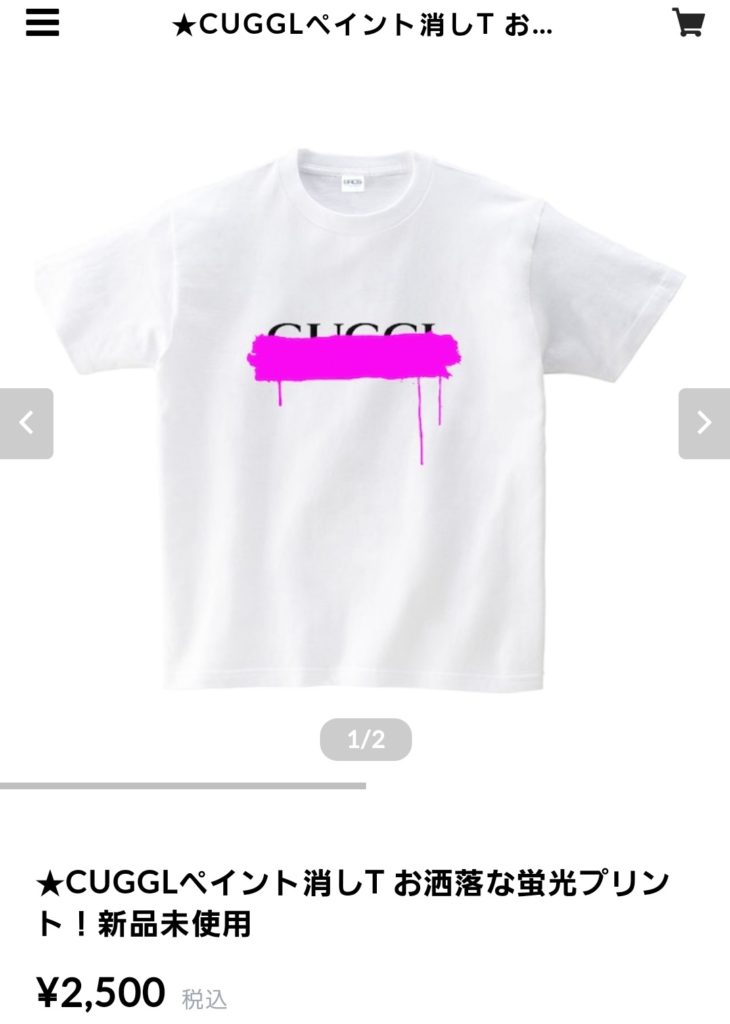
On July 12, 2022, the Japan Patent Office (JPO) dismissed an opposition claimed by Italian fashion house Gucci against Japan Trademark Registration no. 6384970 for the mark “CUGGL” with a hand-painted line in pink by finding less likelihood of confusion with famous fashion brand “GUCCI”.

[Opposition case no. 2021-900284]

CUGGL

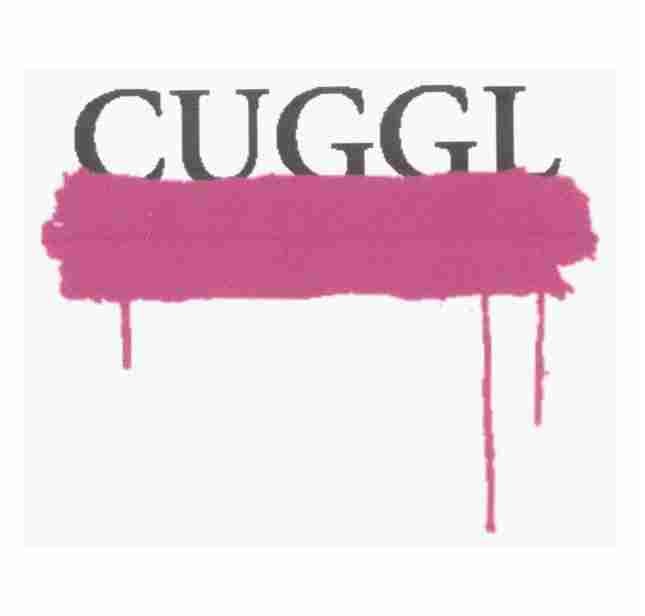
Opposed mark, consisting of the term “CUGGL” with a hand-painted line in pink, was applied for use on clothing, footwear, headwear, and apparel in class 25 by an individual on October 6, 2020.

The JPO granted protection of the opposed mark and published it for opposition on May 25, 2021.


Opposition by GUCCI

Italian high-end luxury fashion house, GUCCI filed an opposition with the JPO on July 26, 2021, and argued the opposed mark shall be canceled in contravention of Article 4(1)(vii), (xv), and (xix) of the Trademark Law due to similarity and likelihood of confusion with famous fashion brand “GUCCI”.

GUCCI claimed the opposed mark was sought with malicious intention to free-ride goodwill and reputation in a manner of hiding the lower part of the term “CUGGL” by a pink painted line to the extent consumers could recognize it as if “GUCCI”. In fact, the registrant promotes T-shirts bearing the opposed mark with the most part of the term hidden.


JPO Decision

The JPO Opposition Board admitted a remarkable degree of popularity and reputation of the opponent’s “GUCCI” mark.

In the meantime, the Board did not find a resemblance between “GUCCI” and “CUGGL” from visual, phonetic, and conceptual points of view. Due to a low degree of similarity of the mark, the Board had no reason to believe that relevant consumers would misconceive a source of goods in question bearing the opposed mark from GUCCI or any entity systematically or economically connected to the opponent.

Assuming a low degree of similarity of the mark and less likelihood of confusion, the Board can’t find a reasonable ground to admit the applicant had a malicious intention to free-ride goodwill and reputation of GUCCI and do harm to the opponent.

Based on the foregoing, the JPO dismissed the entire allegations and decided the opposed mark was valid.