Trademark Dispute – SNOOPY vs. SNOOPY COUNSELOR

The Appeal Board of Japan Patent Office (JPO) held “SNOOPY COUNSELOR” is unlikely to cause confusion with “SNOOPY”, one of the most iconic and beloved comic-strip character by Charles M. Schulz, the pet beagle of the hapless Peanuts character Charlie Brown when used in connection with psychological counseling services.
[Appeal case no. 2019-8241, Gazette issued date: November 29, 2019]

SNOOPY COUNSELOR

Veriteworks Inc., a Japanese company, filed a trademark application for work mark “SNOOPY COUNSELOR” written in Japanese Katakana character (see below) by designating ‘psychological counseling instruction; arranging, conducting and organization of counseling seminars’ (class 41) and ‘psychological counseling’ (class 44) to the JPO on August 14, 2018.

Refusal by JPO examiner

The JPO examiner refused the mark under Article 4(1)(xv) of the Japan Trademark Law by stating that the mark contains a term “SNOOPY” which has been famous as a fictional character, the pet beagle of Charlie Brown in the comic strip Peanuts by Charles M. Schulz. The character has long been licensed for use on merchandise by Peanuts Worldwide LLC and considerable licensed goods in addition to comics have been distributed in Japan by its licensee, Sony Creative Products Inc. so far.

If so, relevant consumers and traders are likely to connect and associate the mark with services from Peanuts Worldwide LLC or its licensee and thus confuse its source of origin.

Article 4(1)(xv) provides that a mark shall not be registered where it is likely to cause confusion with other business entity’s well-known goods or services, to the benefit of brand owner and users.

To contend, applicant filed an appeal against the refusal on June 20, 2019.

Appeal Board’s decision

The Appeal Board reversed the examiner’s refusal and admitted applied mark “SNOOPY COUNSELOR” to registration by finding that:

  1. It is unquestionable that “SNOOPY” has been well-known for a character, the pet beagle of Charlie Brown in the comic strip Peanuts by Charles M. Schulz. However, the Board has an opinion that it is unclear from the produced materials and information whether relevant consumers connect or associate the licensed goods and services pertinent to “SNOOPY” with any specific business entity.
  2. From appearance, the term “SNOOPY” of applied mark can be perceived as a dominant portion given “COUNSELOR” lacks distinctiveness in relation to the designated services in class 41 and 44. If so, both marks remarkably resemble from visual and phonetic aspects.
  3. Since it is also unknown whether Peanuts Worldwide LLC is likely to engage in its licensing business on psychological counseling, the Board considers relatedness with the services in question is incomparable and relatively low.
  4. Provided that relevant consumers are unlikely to perceive the “SNOOPY” as a source indicator of Peanuts Worldwide LLC or its licensees, even if both marks resemble, the Board finds applied mark “SNOOPY COUNSELOR” would not cause confusion with goods or services from Peanuts Worldwide LLC or its licensees.

It is noteworthy that the JPO denied a likelihood of confusion between “SNOOPY COUNSELOR” and “SNOOPY” regardless of finding famousness of “SNOOPY” as an iconic and beloved comic-strip character.
JAGUAR LAND ROVER Lost Trademark Opposition over Jaguar Logo

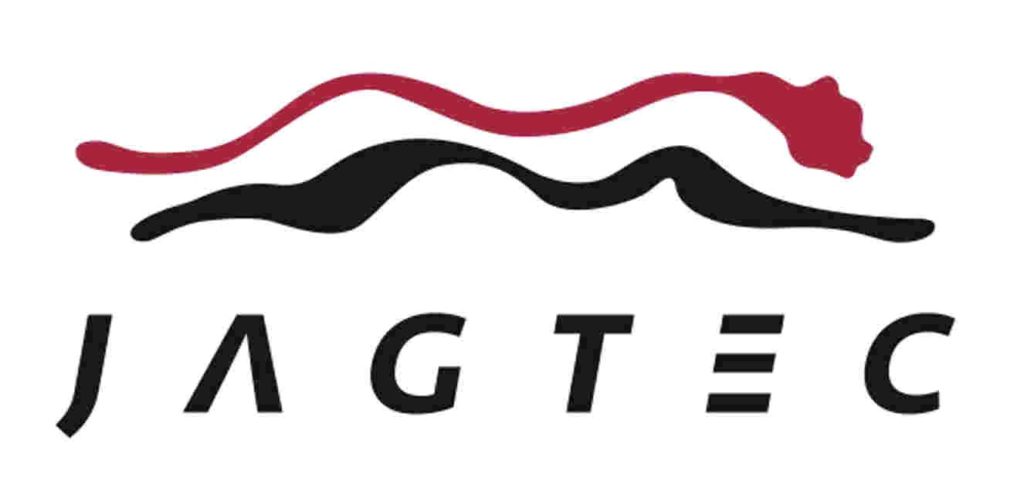
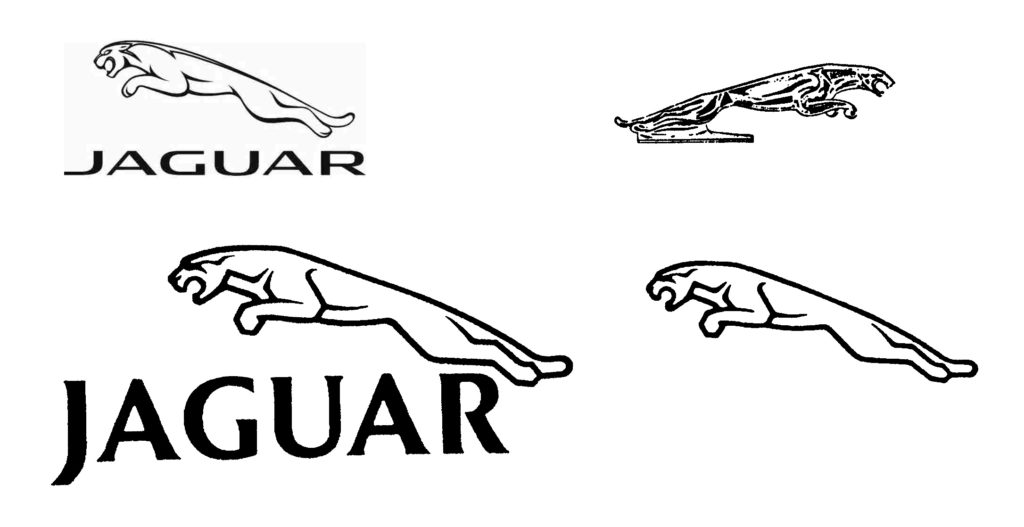
The Opposition Board of the Japan Patent Office (JPO) held a junior trademark registration no. 6104905 for a composite mark comprised of “JAGTEC” and feline device is neither similar to, nor likely to cause confusion with senior trademark registrations for leaping jaguar logo owned by Jaguar Land Rover Ltd. when used on automobiles in class 12.
[Opposition case no. 2019-900064, Gazette issued date: October 25, 2019]

Opposed mark

Opposed mark (see below) was applied for registration on March 29, 2018 by designating automobiles and its structural parts in class 12, and published for registration on January 8, 2019 without confronting any office action from the JPO examiner.

Opposition by Jaguar Land Rover

Jaguar Land Rover Ltd. filed an opposition on February 28, 2019 before the JPO and claimed that opposed mark shall be cancelled based on Article 4(1)(xi) and (xv) of the Trademark Law by citing trademark registrations for its iconic jaguar logos (see below) which include the image of a leaping jaguar, accompanied by the word “jaguar”, which the opponent claims to be used over 75 years old.

Article 4(1)(xi) is a provision to prohibit from registering a junior mark which is deemed identical with, or similar to, any senior registered mark.

Article 4(1)(xv) provides that a mark shall not be registered where it is likely to cause confusion with other business entity’s well-known goods or services, to the benefit of brand owner and users’ benefits.

Jaguar Land Rover claimed that , inter alia, opposed mark, consisting of a leaping feline device and literal element starting from “JAG”, looks confusingly similar to the cited marks from visual, oral, and conceptual points of view. Besides, the goods in question is identical with that of cited marks. If so, opposed application “for the contested goods would be recognized as uniquely and unmistakably identifying or suggesting a connection to opponent , and thus relevant consumers are likely to confuse or misconceive opposed mark with a famous car brand “JAGUAR”.

Opposition decision

To my surprise, the Opposition Board pointed out that Jaguar Land Rover alleged the leaping jaguar logo has been used since 1938 and well-acquainted with relevant consumers though, it is questionable whether cited marks have acquired a substantial reputation as a result of consecutive use from the produced evidences.

Besides, the Board flatly negated similarity between opposed mark and cited marks respectively.

By taking into consideration uncertain famousness of cited marks and low degree of similarity between the marks, the Board concluded relevant traders and consumers are unlikely to confuse or associate opposed mark with opponent or any business entity economically or systematically connected with Jaguar Land Rover even when used on automobiles. Based on the foregoing, opposed mark shall not be cancelled under Article 4(1)(xi) and (xv) of the Trademark Law.

JPO finds “CLUB MOET KYOTO” and “Moët & Chandon” likely to cause confusion

The Opposition Board of the Japan Patent Office (JPO) sided with MHCS, the producer, inter alia, of the famous Moët & Chandon champagne, and decided to cancel trademark registration no. 6030384 for word mark “CLUB MOET KYOTO” due to a likelihood of confusion with “Moët & Chandon”.

CLUB MOET KYOTO

Opposed mark, a word mark “CLUB MOET KYOTO” written in standard character, was filed on November 14, 2017 by designating restaurant service of class 43 in the name of a Japanese business entity having its principal place of business at Kyoto. It appears the applicant owns hostess bar and opposed mark is actually used as a name of the bar. See here.

Immediately after filing the application, applicant requested the JPO to accelerate examination of opposed mark. In accordance with the request, the JPO rushed to a decision and admitted registration on March 23, 2018.

MHCS – OPPOSITION

MHCS, as a holder of the Japanese trademark “MOET”, sought to retroactively cancel the registration of opposed mark, on the grounds that the mark was likely to cause confusion with “Moët & Chandon” when used on restaurant service in class 43 under Article 4(1)(xv) of the Japan Trademark Law.

Likelihood of confusion is a key criteria when assessing the similarity of trademarks. To establish whether there is likelihood of confusion, the visual, phonetic and conceptual similarity will be assessed as well as the goods and/or services involved. This assessment is based on the overall impression given by those marks, account being taken, in particular, of their distinctive and dominant components. A low degree of similarity between the goods or services may be offset by a high degree of similarity between the marks, and vice versa.

MHCS argued that a term “MOET” of opposed mark shall playa a dominant role as a source indicator since both “CLUB” and “KYOTO” are devoid of distinctive character in relation to restaurant service. If so, relevant consumers may misconceive “Moët & Chandon” from opposed mark when used on the service in question by taking its prestigious reputation of “Moët” as an abbreviation of world-famous champagne into consideration.

OPPOSITION DECISION

The JPO Opposition Board decided in favor of MHCS, finding that both “Moët & Chandon” and its abbreviation “Moët” have acquired substantial reputation as a top ranking champagne brand distributed by MHCS. It is unlikely that relevant consumers would conceive “Moët” as a surname of foreigners. If so, the term is anything but a dictionary word, rather a coined word. Besides, both marks are confusingly similar, due to visual, phonetic and conceptual similarities, since the literal elements “CLUB” and “KYOTO” of opposed mark are devoid of distinctive character in relation to the service in question, as well as close association between champagne and restaurant service for which protection was sought based on the fact that MHCS once opened restaurant in the year 2014.

Based on the above considerations, the Opposition Board cancelled trademark registration of opposed mark in its entirety, finding there to be likelihood of confusion between “Moët & Chandon” and the trademark applied for.
[Opposition case no. 2018-900152, Gazette issued date: October 25, 2019]

Volkswagen Unsuccessful in Trademark Opposition to Baidu’s “Car-pollo” mark

In a trademark opposition involving the Volkswagen Polo, the Opposition Board of Japan Patent Office (JPO) decided that VW’s famous car model name “Polo” is dissimilar to, and unlikely to cause confusion with, the word mark “Car-pollo” even when used in relation to car navigation.
[Opposition Case no. 2019-900054, Gazette issued date: October 25, 2019]


Trademark opposition

German car giant Volkswagen AG filed an opposition against TM registration no. 615016 for word mark “Car-pollo” written in standard character (Opposed mark) sought for registration by Baidu Online Network Technology Beijing Company Limited, a Chinese language internet search company, on the grounds that Opposed mark shall be objectionable under Article 4(1)(xi) and 4(1)(xv) of the Japan Trademark Law based on senior trademark registrations for word mark “POLO”.

The opposed mark designates navigation apparatus (GPS) for vehicles [on-board computers]; car video recorders; batteries for vehicles; battery charging devices for motor vehicles; electric locks for vehicles and others in class 9, wheel barrows; airplanes; vessels; bicycles; electric bicycles in class 12, and automatic driving cars design in class 42.

Article 4(1)(xi) is a provision to prohibit from registering a junior mark which is deemed identical with, or similar to, any senior registered mark.

Volkswagen argued opposed mark is a compound word consisting of “Car”, which would be unregistrable alone in relation to the designated goods and service, and “pollo” formed with hyphen. If so, the term “pollo” would constitute the dominant portion of opposed mark. Since the term is an unfamiliar Italian and Spanish word in Japan, relevant consumers would not conceive its meaning of ‘chicken’ at all. The term “pollo” gives rise to a same sound with “POLO” and resembles with “POLO” from appearance. Also, the designated goods in class 12 of both marks are identical or similar. Therefore, opposed mark shall be objectionable under Article 4(1)(xi).

Article 4(1)(xv) provides that a mark shall not be registered where it is likely to cause confusion with other business entity’s well-known goods or services, to the benefit of brand owner and users’ benefits.

Volkswagen argued “POLO” has acquired substantial popularity and reputation as a source indicator of VW’s famous car model name. Thus, it is highly likely that relevant traders and consumers confuse or misconceive the source of goods and services using opposed mark “Car-pollo” with opponent or a business entity systematically or economically connected with VW. If so, opposed mark shall be objectionable under Article 4(1)(xv).


Board decision

The Board admitted “POLO” has become remarkably famous for a car mode name of Volkswagen by taking into consideration of the facts that the Volkswagen Polo has been continuously imported to Japan since 1982 and ranked in the top 5 of new imported automobile registrations for the past decade.

In the meantime, the Board found “POLO” and “Car-pollo” are totally dissimilar from visual, sound and conceptual points of view. Regarding opponent’s allegation the Board stated the term “Car” isn’t a usual word to indicate ‘wheel barrows; airplanes; vessels; bicycles; electric bicycles’ of class 12. From the produced evidence, there does not exist any circumstance to admit the term “pollo” shall be conceived as a dominant portion of opposed mark in fact. If so, it looks rather appropriate to consider relevant consumers would grasp opposed mark in its entirety.

Given a lower degree of similarity between both marks and lack of originality for the term “POLO”, which means a game played on horseback between two teams, each of four players, the Board also negated a likelihood of confusion between “POLO” and “Car-pollo” even when opposed mark is used on car video recorders; batteries for vehicles; battery charging devices for motor vehicles; electric locks for vehicles, and car-related services.

Based on the foregoing, the Board dismissed opposition and allowed “Car-pollo” to survive.

Rothschild Lost Trademark Opposition in Japan

In a recent trademark opposition, the Opposition Board of the Japan Patent Office (JPO) dismissed an opposition filed by Baron Philippe de Rothschild S.A. (Rothschild) against trademark registration no. 6090508 for word mark “MOUTON” in relation to restaurant service due to unlikelihood of confusion with the fabled French winery “Château Mouton Rothschild”.
[Opposition case no. 2019-900012, Gazette issued date: September 7, 2019]

Opposed mark

Opposed mark, consisting of a word mark “MOUTON” in standard character, was filed in the name of Kabushiki Kaisha Waltz, a Japanese company deploying in business field of bars and restaurants.

The mark was filed to JPO on November 17, 2017. Going through substantive examination, JPO admitted registration in relation to “restaurant service” in class 43 and “wholesale and retail services for non-alcoholic beverages and foods” in class 35, and published for opposition on November 13, 2018.

Opposition by Rothschild

On January 15, 2019, Baron Philippe de Rothschild S.A. filed an opposition and argued opposed mark shall be revocable under Article 4(1)(vii) and 4(1)(xv) of the Japan Trademark Law by citing its wine brand “Château Mouton Rothschild”.

Article 4(1)(vii)

Article 4(1)(vii) prohibits any mark likely to offend public order and morals from registering.
Trademark Examination Guidelines set forth criteria for the article and examples.
Among others, “Trademarks whose registration is contrary to the order predetermined under the Trademark Act and is utterly unacceptable for lack of social reasonableness in the background to the filing of an application for trademark registration.”

Based on a remarkable degree of reputation and popularity to “Château Mouton Rothschild”, Rothschild asserted, applicant must have been aware of the wine brand and filed opposed mark with a malicious intention to take advantage of the reputation and credit of opponent’s famous trademark and impair the goodwill embodied on its brand.

Article 4(1)(xv)

Article 4(1)(xv) prohibits to register a trademark which is likely to cause confusion with a business of other entity.

Rothschild argued that opponent has used the mark “Château Mouton Rothschild”on wines from Pauillac in the Médoc region which became Premier Grand Cru in 1973, and thus part of a limited list since there are only 5 Premiers Grands Crus from the region. It is doubtless that “Château Mouton Rothschild” and its abbreviation “MOUTON” have acquired a remarkable degree of reputation and popularity as a source indicator of opponent wines. If so, relevant consumers and traders of restaurant service are likely to misconceive or associate opposed mark with famous wine brand of opponent.

Opposition decision

The Opposition Board admitted a certain degree of reputation and popularity to “Château Mouton Rothschild” as a source indicator of opponent among traders and wine lovers, however, questioned whether the wine brand has become famous among general consumers. Besides, from the produced evidences, the Board was not convinced that “MOUTON” has been known as an abbreviation of “Château Mouton Rothschild”.
In the assessment of the similarity between two marks, the Board found a low degree of similarity between opposed mark and “Château Mouton Rothschild” from visual, phonetic, and conceptual points of view. If so, even if wine and restaurant service are associated, it is unlikely that average consumers confuse or associate opposed mark with Rothschild.

Also, the Board found it was not foreseen a circumstance to offend public order and morals from registering opposed mark and give harmful effect to the international faith provided that “MOUTON” is a dictionary word meaning ‘processed sheepskin that has been sheared and dyed to resemble beaver or seal’.

Based on the foregoing, the Board concluded opposed mark shall not be revocable under Article 4(1)(vii) as well as (xv) and granted registration a status quo.

HUGO BOSS fails in attempt to block trademark registration

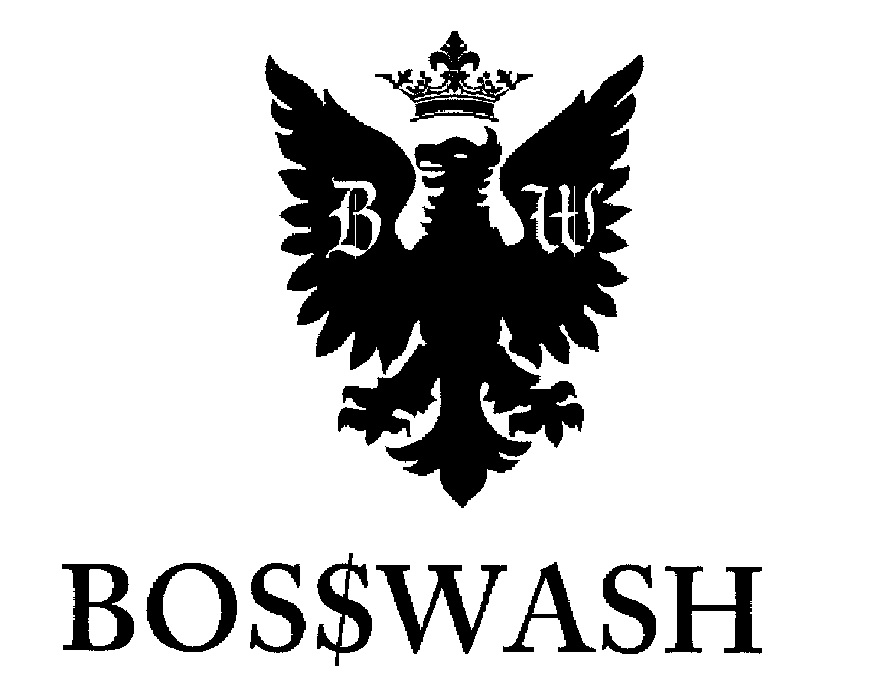
German luxury fashion house Hugo Boss has failed in their attempt to stop the registration of a composite mark consisting of “BOSSWASH” and a spread-eagle device at the Japan Patent Office (JPO).
[Opposition case no. 2017-900382, Gazette issue date: October 25, 2019]

Opposed mark

Opposed mark, filed in April 2017, consists of the literal element “BOSSWASH” and a spread-eagle in black with crown over its head, a letter “B” on its right wing and “W” on left wing (see below).

The application was for bags and pouches in class 18 and published for registration (TM Registration no. 5985092) by the JPO on October 24, 2017.

Opposition by Hugo Boss

To oppose against registration within a statutory period of two months counting from the publication date, HUGO BOSS Trademark Management GmbH & Co KG filed an opposition on December 20, 2017.

Hugo Boss’s opposition to stop the registration was based on claims that the “BOSSWASH” mark could be similar to or confused with sixteen of their earlier trademarks (#2190696, #3236870, IR746972, IR754225, IR773035, IR782587, IR827260, IR827261, IR831750, IR952458, IR964946, IR1023719, IR1055000, IR1058629, IR1072604, IR1263822), which prominently contain the term “BOSS”.

Board Decision

In the decision, the JPO found that, given the literal portion of opposed mark “BOSSWSH” shall be inseparable and perceived in its entirety, opposed mark and Hugo Boss’s trademarks were sufficiently distinguishable in visual, phonetic and conceptual points of view.

To my surprise, the Opposition Board of JPO admitted a high degree of popularity and reputation of “HUGH BOSS” as a trade name of opponent, however, it denied popularity of Hugo Boss’s trademarks, stating that produced materials are insufficient and non-objective to demonstrate substantial use and famousness of the cited marks.

Based on the foregoing, the JPO concluded it is unlikely that consumers confuse or misconceive a source of the opposed mark with Hugo Boss and dismissed the opposition totally.

Failed Opposition by Apple against trademark registration “EYE PHONE”

The Japan Patent Office (JPO) dismissed a trademark opposition claimed by the U.S. tech giant, Apple Inc. against trademark registration no. 6099794 for word mark “EYE PHONE” in class 9 by finding less likelihood of confusion with Apple “iPhone”.
[Opposition case no. 2019-900030, Gazette issue date: September 27, 2019]

“EYE PHONE”

Opposed mark, a word mark “EYE PHONE” in standard character, was filed by a Japanese business entity, NOVELTY EYE-WEAR Inc., on February 26, 2018 by designating ‘spectacles [eyeglasses and goggles]’ in class 9.

The JPO admitted registration on November 22, 2018 and published for registration on December 18, 2018.

APPLE’s Opposition

To oppose against registration within a statutory period of two months counting from the publication date, Apple Inc. filed an opposition on January 28, 2019.

In the opposition brief, Apple Inc. asserted the opposed mark shall be cancelled in violation of Article 4(1)(vii), (xv) and (xix) of the Japan Trademark Law given a remarkable reputation of opponent mark “iPhone” to indicate opponent’s smart phones currently holding a 44.1% market share in Japan and close resemblance between “iPhone” and “EYE PHONE”.

Apple Inc. argued opposed mark “EYE PHONE” has the same pronunciation with “iPhone” and gives a similar impression in appearance. If so, both marks shall be confusingly similar. Besides, the goods in question are closely related to smart phones since smartphone users get to wear specific glasses for smartphone to block blue light. Recently, smart glasses, wearable device that brings with suitable technology a computer screen/display in front of a person’s eye, have become a hot topic.

Article 4(1)(xv) provides that a mark shall not be registered where it is likely to cause confusion with other business entity’s well-known goods or services, to the benefit of brand owner and consumers.

Board Decision

The Opposition Board admitted a remarkable degree of reputation and popularity of opponent trademark “iPhone” in connection with smart phones based on the produced evidences boasting the top market share consecutively for the past seven years in Japan.

Meanwhile, the Board found a low degree of originality of “iPhone” given a combination of alphabetical letter “i” and descriptive term “Phone” in relation to smartphones.

In the assessment of mark, the Board held “EYE PHONE” and “iPhone” are dissimilar even if both marks have the same pronunciation since they are sufficiently distinguishable from visual and conceptual point of view. Also, the Board negated close relation between glasses and smartphones in view of its nature, purpose, usage, distribution channel and consumers.

If so, it is unlikely that the consumers confuse or misconceive a source of opposed mark with Apple Inc. or any entity systematically or economically connected with opponent.

Based on the foregoing, the Board decided opposed mark shall not be cancelled on the grounds of Article 4(1)(vii), (xv) and (xix).

Calvin Klein defeated with trademark battle over “CK”

Japan Patent Office (JPO) dismissed an opposition by Calvin Klein Trademark Trust, a well-known name in fashion, who claimed “CK” device mark is likely to cause confusion with Calvin Klein when used on various designated goods in class 16 and 21. [Opposition case no. 2019-900068]

Opposed mark

Opposed mark, TM Registration no. 6102531, was filed in the name of Crecia Kasuga Co., Ltd., having its head office in Fuji city located at the southern base of Mt. Fuji, on February 22, 2018.

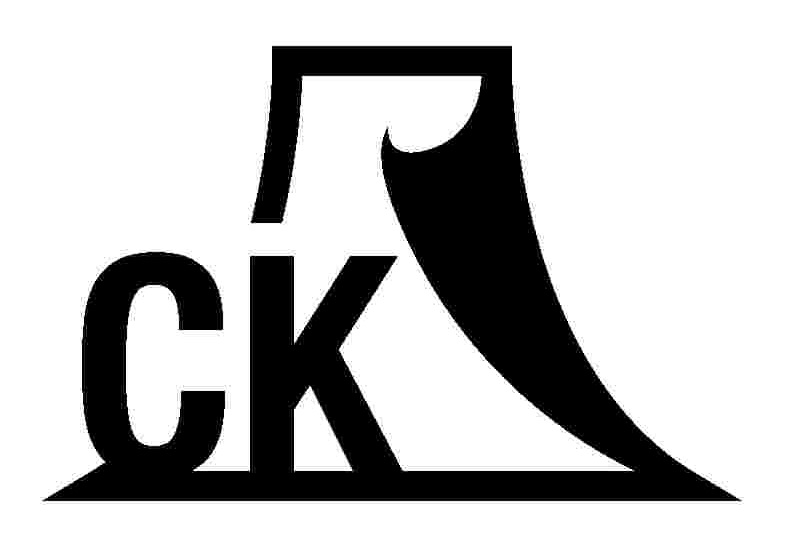
Opposed mark, consisting of two alphabetical letters “CK” and a device looking like Mt. Fuji or paper roll (see below), designates toilet paper, tissue paper, kitchen paper and other paper products for home use in class 16 and cleaning tools and washing utensils in class 21.

JPO granted to register opposed mark and published for registration on December 25, 2018.

Opposition

On February 22, 2019, Calvin Klein Trademark Trust filed an opposition against the CK device mark.

Calvin Klein argued that opposed mark is subject to cancellation in violation of Article 4(1)(xv) of the Trademark Law on the grounds that “CK” and “ck” have acquired such fame as a source indicator of famous fashion brand “Calvin Klein” that, upon seeing the opposed mark used on goods in class 16 and 21, the average consumer would be led to infer the existence of a connection to the owner of the famous brand.

Board decision

The Opposition Board pointed out that, from the produced evidences, “CK” has been ordinarily used in conjunction with or adjacent to ‘Calvin Klein’ as well as “ck” and thus questioned whether “CK” and “ck” have become famous in itself as a source indicator of Calvin Klein among relevant traders and consumers at the time of both the application and the grant of registration of Opposed mark.

Besides, two alphabetical letters are deemed descriptive and unregistrable under the Japan Trademark Law. If so, unless opponent is successful in demonstrating acquired distinctiveness of “CK” or “ck”, a mere coincidence of two alphabetical letters is insufficient to find similarity between opposed mark and opponent’s marks.

Based on the foregoing, the Board concluded relevant traders and consumers are unlikely to confuse or associate the goods using opposed mark with opponent or any business entity economically or systematically connected with Calvin Klein. Therefore, opposed mark shall not be cancelled due to Article 4(1)(xv) of the Trademark Law.

Chloé Victorious in Trademark Battle

In a recent administrative trademark decision, the Opposition Board of Japan Patent Office (JPO) upheld an opposition to the registration of “CHLOEFRANCIS” on the ground that it is likely to cause confusion with a French fashion house, Chloe.
[Opposition case no. 2018-900048, Gazette issued date: August 30, 2019]

CHLOEFRANCIS

Opposed mark, a word mark “CHLOEFANCIS” in standard character was applied for registration on May 25, 2017 for ‘shoes’ in class 25 by Kabushiki Kaisha Jay Jay Japan, a Japanese shoemaker.

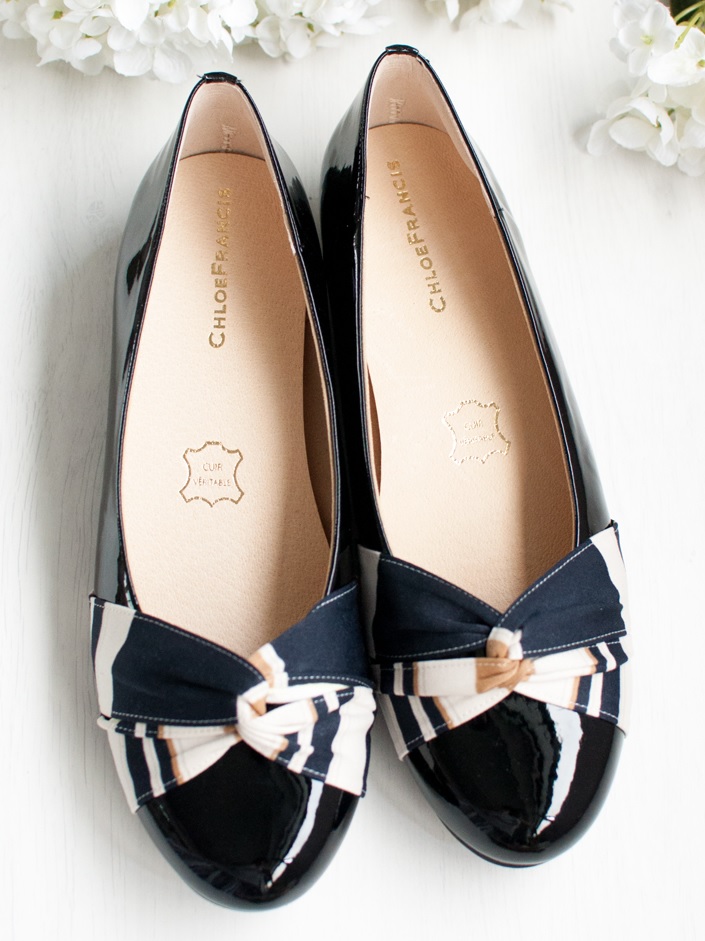
Jay Jay Japan has been promoting the sales of women’s shoes, ballerinas and heels using the CHLOEFRANCIS mark.

Opposition by Chloe

On February 23, 2018, Chloe S.A.S., a French luxury fashion house founded in 1952 by Gaby Aghion, filed an opposition, stating that relevant consumers are likely to confuse or misconceive opposed mark with Chloe or any business entity systematically or economically connected with opponent due to high popularity of opponent’s fashion brand “Chloe” and close resemblance between opposed mark and “Chloe”.

Article 4(1)(xv)

Chloe sought to retroactively cancel opposed mark based on Article 4(1)(xv) of the Trademark Law.

Article 4(1)(xv) provides that a mark shall not be registered where it is likely to cause confusion with other business entity’s well-known goods or services, to the benefit of brand owner and users’ benefits.

Board decision

The Board admitted “Chloe” has acquired a high degree of reputation among relevant consumers and traders in connection with fashion items.

Besides, the Board found that opposed mark apparently consists of “CHLOE” and “FRANCIS”. If so, relevant consumers shall be impressed with the term “CHLOE” and consider it a dominant part of opposed mark since they easily conceive a famous source indicator of the high-end fashion brand, Chloe.

Furthermore, the Board pointed out that Jay Jay Japan has used opposed mark with a space between the two words, “CHLOE” and “FRANCIS”.

Based on the foregoing, the Board concluded that, relevant traders or consumers are likely to confuse or misconceive a source of opposed mark with Chloe SAS or any entity systematically or economically connected with the opponent when used on shoes in class 25 and declared cancellation based on Article 4(1)(xv).

Adidas scores win against adidog in trademark dispute

The Opposition Board of Japan Patent Office (JPO) decided in favor of Adidas AG to retroactively cancel trademark registration no. 5990777 for word mark “adidog” (Opposed mark) due to a likelihood of confusion with “adidas”.
[Opposition case no. 2018-900019, Gazette issued on August 30, 2019]

Opposed mark

Opposed mark “adidog”, a word mark in standard character, was filed on October 17, 2016 by an individual, designating clothing for pets in class 18 and published for registration on November 21, 2017 without confronting with office action from the JPO examiner.

TRADEMARK OPPOSITION – Article 4(1)(xv)

On January 16, 2018, before the lapse of a two-months opposition period, Adidas AG filed an opposition to opposed mark. In the opposition, Adidas AG contended opposed mark shall be cancelled based on Article 4(1)(xv) of the Japan Trademark Law.

Article 4(1)(xv) prohibits to register a trademark which is likely to cause confusion with a business of other entity.

Adidas AG argued opposed mark is likely to cause confusion with Adidas’ renowned trade name “adidas”, which enjoyed a high degree of reputation as a source indicator of Adidas sportswear and sports shoes both in Japan and abroad, because of visual resemblance between and opposed mark “adidog”, and close relatedness/proximity of goods in question.

Opposition Board decision

The Board found that:

  1. It is unquestionable that trade name “Adidas” has acquired a remarkable degree of reputation well before the filing date of opposed mark as a result of continuous use on sportswear and marketing activities in Japan since 1971.
  2. “Adidas”, coined after the name of opponent’s founder ‘Adi Dassler’, is an invented word with no dictionary and other known meaning. Besides, the Board could not find any words starting with ‘adid’ in language dictionaries of English, French, German and Italian as well as registered trademarks with the prefix ‘adid’ in Japan other than opponent mark.
  3. Opposed mark, consisting of six alphabets, starts with ‘adid’. In the meantime, stylized 5th letter ‘a’ of opponent mark looks like a device combining a short vertical bar with ‘o’. The final letter ‘s’ gives rise to a similar impression with ‘g’ since both letters have the same way of writing and configuration with a digit – ‘8’. Thus, opposed mark shall be deemed similar to “adidas” from appearance and sound.
  4. Clothing for pets is one of fashion items consumed by general public. Sportswear is also consumed by general public not only for exercise use but also fashion items. It becomes apparent that distributors of sports gears, apparels, bags, and shoes also deal with clothing for pets nowadays. If so, both goods shall be closely related.

Based on the above findings, the Board concluded that consumers who are accustomed to the circumstance, are likely to confuse clothing for pets using opposed mark with Adidas’ famous trade name “adidas” or misconceive a source from any entity systematically or economically connected with Adidas AG. Thus, opposed mark shall be cancelled in violation of Article 4(1)(xv) of the Trademark Law.