

In an appeal disputing the similarity between the word BISOU and its mirrored mark, the Japan Patent Office (JPO) overturned the examiner’s rejection and found both marks dissimilar.
[Appeal case no. 2025-18518, decided on March 2, 2026]
TM App no. 2024-86220
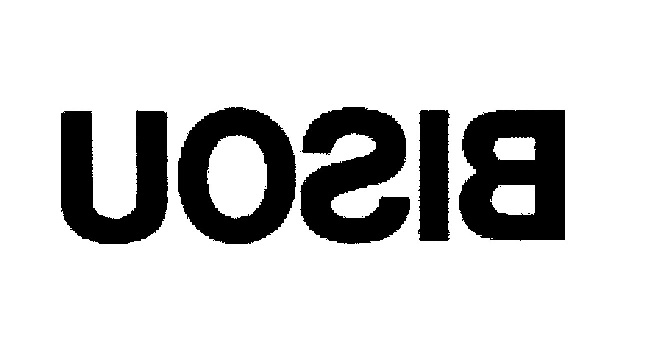
The disputed mark was filed by a Japanese individual for use on cosmetics in Class 3 with the JPO on August 8, 2024. It appears to be a word consisting of five letters, “UOSIB,” written in bold font, as shown below. You will immediately notice that the third and fifth letters, “S” and “B,” are flipped.
Rejection by the examiner
The JPO examiner raised her objection based on Article 4(1)(xi) of the Japan Trademark Law by citing TM Reg no. 6648235 “BISOU” in Class 3 owned by LOOP Inc.
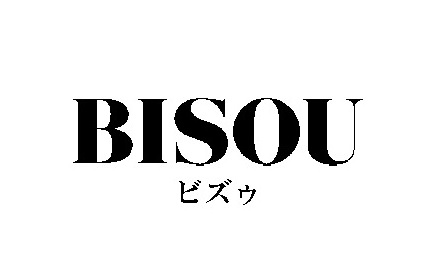
She had an opinion that relevant consumers would consider the disputed mark as a mirrored spelling of the term “BISOU.” From this viewpoint, the two marks are visually similar. Since both marks create the same meaning and sound of ‘kiss’ in French, consumers are likely to confuse the commercial origin of goods bearing the disputed mark with those bearing the cited mark.
The applicant filed an appeal against the examiner’s rejection on November 20, 2025, and argued dissimilarity of the marks. Simultaneously, the applicant requested an accelerated appeal trial.
JPO Appeal Board decision
On March 2, 2026, the JPO Appeal Board held that the examiner erred in finding the disputed mark and thus erroneously applied Article 4(1)(xi) by stating that:
It makes sense that relevant consumers would understand that the disputed mark starts with “UO,” followed by “S” in mirrored spelling, then “I,” and ends with “B” in mirrored spelling. They would recognize it as a stylized word mark containing some mirrored spellings. Based on this, the disputed mark does not give rise to any meaning and sound. Therefore, even if the goods covered by the disputed mark are deemed identical to those covered by the cited mark, the examiner’s rejection should be annulled due to the examiner’s inappropriate findings regarding the disputed mark.