Samsung Unsuccessful in Trademark Opposition against BEAT GALAXY

The Japan Patent Office (JPO) did not side with Samsung, the South Korean tech giant, in a trademark opposition against TM Reg no. 6895229 for word mark “BEAT GALAXY” in Class 9 by finding a low degree of similarity to and less likelihood of confusion with the mark “GALAXY” even when used on PDA, mobile phones.
[Opposition case no. 2025-900084, decided on December 2, 2025]


BEAT GALAXY

UMG Recordings Inc. filed a trademark application for the wordmark “BEAT GALAXY” in standard character with the JPO on November 13, 2023, for use on PDA, mobile phones, computers, computer software, audio files and other goods in Class 9 [TM App no. 2023-129205].
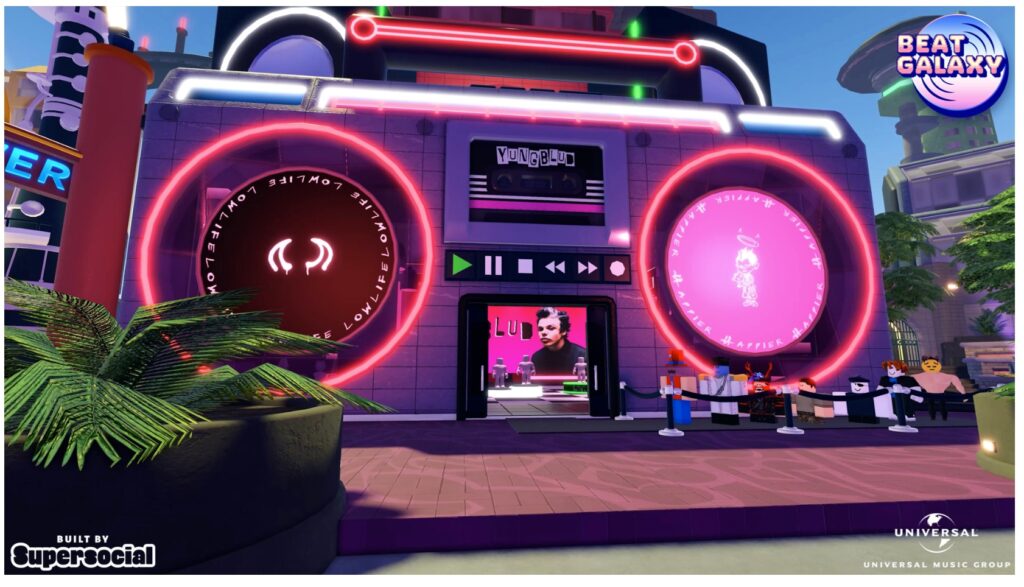
The JPO examiner granted protection of the mark on February 4, 2025.

Subsequently, it was published for a post-grant opposition on February 20, 2025.


Opposition by Samsung

Samsung, a South Korean tech giant, filed an opposition against the mark “BEAT GALAXY” on April 18, 2025, and claimed cancellation of the contested mark in contravention of Article 4(1)(vii), (x), (xi), (xv), and (xix) of the Japan Trademark Law by citing their earlier mark “GALAXY”.

Samsung argued the contested mark “BEAT GALAXY” is similar to the cited mark, and conveys a negative impression of defeating Samsung’s Galaxy. Thus, the contested mark detrimentally affects the goodwill of the cited mark. Relevant consumers are likely to associate the contested mark with Samsung.


JPO decision

The JPO Opposition Board found that the cited mark “GALAXY” has been widely recognised as an indicator of Samsung’s business.

In the meantime, the Board denied similarity between “BEAT GALAXY” and “GALAXY” by stating that:

The contested mark and the cited mark differ in the presence of the word “BEAT” at the beginning of the contested mark. Therefore, even when assessed in a different time and place, there is no likelihood of confusion in appearance.

Secondly, the different sound caused by the word “Beat” at the beginning of the contested mark significantly affects the overall aural impression. As both sounds are distinguishable as a whole, there is no likelihood of confusion in pronunciation.

As for concept, while the contested mark does not have any specific concept, the cited mark gives rise to a meaning of a collection of stars and planets that are held together by gravity. Accordingly, both marks are neutral in concept.

Based on the foregoing, the Board noted that, even though the goods in question are highly related to Samsung’s business, in view of a low degree of similarity and originality of the cited mark, it is reasonable to conclude that relevant consumers are unlikely to confuse a source of goods bearing the contested mark with Samsung or any undertaking economically or systematically connected with the claimant.

Consequently, the Board decided to dismiss the entire opposition.

JPO dismisses Honda’s opposition against “WONKEY” mark for motorcycles

The Japan Patent Office (JPO) dismissed an opposition filed by Honda Motor Co., Ltd. against TM Reg No. 6852662 for the word mark “WONKEY” in Class 12, finding no similarity or likelihood of confusion with Honda’s well-known “MONKEY” bikes.
[Opposition Case No. 2024-900262, decided July 15, 2025]


The Contested Mark: “WONKEY”

The opposed mark, consisting of the stylized word “WONKEY” in bold font (see below), was filed by Diner Co., Ltd. on February 26, 2024, for use on motorcycles, electrically operated scooters, and electric bicycles in Class 12 [TM App. No. 2024-18623].

The applicant promotes “WONKEY” motorized bicycles that may be driven by persons over 16 years of age without a driver’s license.

The JPO granted registration on October 9, 2024 [TM Reg. No. 6852662], and published it for post-grant opposition on October 18, 2024.


Honda’s Opposition

On December 17, 2024, Honda filed an opposition, seeking cancellation under Article 4(1)(vii), (x), (xi), (xv), and (xix) of the Trademark Law, relying on its earlier Trademark Registration No. 2512844 for the stylized word mark “MONKEY” in Class 12.

Honda argued that “WONKEY” is visually similar to “MONKEY,” emphasizing that:

“Of the six letters, five (‘onkey’) are identical in type, spelling, and sequence. The only difference lies in the initial letters ‘w’ and ‘m,’ which themselves share similar forms composed of two v-shaped or u-shaped strokes. At first glance, the two letters appear alike, and thus the marks as a whole create a closely similar impression, rendering them confusingly similar in appearance.”

To support its case, Honda submitted extensive evidence demonstrating the fame of its “Monkey” bikes, which have been marketed since 1961.


The JPO’s Decision

The Opposition Board acknowledged the widespread recognition of Honda’s “Monkey” bikes among relevant consumers at the time of application and registration of the contested mark.

Nevertheless, the Board denied similarity between the marks. In particular, it reasoned that:

  • The contested mark “WONKEY” does not generate any specific concept.
  • The cited mark “MONKEY,” by contrast, is a well-known word in Japan with the meaning “monkey,” giving rise to both the pronunciation “monkey” and the concept of “monkey.”
  • While the two marks share all letters and sounds except for their initial characters (“w” vs. “m”; “wo” vs. “mo”), both are short (six letters and four sounds). Accordingly, the initial differences exert a significant impact on the overall appearance and pronunciation.
  • Coupled with the concept of “monkey” derived from the cited mark, these differences lead to a clear distinction in the overall impressions, memories, and associations conveyed to consumers.

The Board concluded that, given the low degree of similarity, relevant consumers were unlikely to confuse the source of the contested goods in Class 12 with Honda or any economically or organizationally related entity.

Based on the above findings, the JPO dismissed the opposition in its entirety and upheld the validity of the contested mark “WONKEY.”

Trademark Dispute: Domino’s Pizza vs Dog’s Pizza

In a trademark opposition against TM Reg no. 6804935 for the mark “Dog’s Pizza”, the Japan Patent Office (JPO) did not side with Domino’s IP Holder LLC, which claimed similarity to and likelihood of confusion with Domino’s red and blue rectangular emblem with three white dots.
[Opposition case no. 2024-900149, decided on April 2, 2025]


Dog’s Pizza

The contested mark, consisting of the words “DOG’s PIZZA” in red and its translation written in Japanese katakana character, and rectangular device in red and dark blue with two paw prints (see below), was filed with the JPO by a Japanese individual for use on February 14, 2024 for use on pet food and dog food in Class 31 [TM App no. 2024-14656].

Upon request for accelerated examination, the JPO examiner granted registration of the mark on April 30, 2024, without raising any grounds for refusal.


Opposition by Domino’s Pizza

On July 23, 2024, a two-month statutory period counting from the publication date, May 23, 2024, Domino’s IP Holder LLC filed an opposition and claimed cancellation of the contested mark in contravention of Article 4(1)(x), (xv) and (xix) of the Japan Trademark Law.

Domino argued that the rectangular device of the contested mark is distinctive and dominant element to identify a specific source. Comparing the device with Domino’s red and blue rectangular emblem with three white dots, which has become famous per se as the source indicator of Domino’s Pizza in Japan, they are visually similar to a high degree. Therefore, the relevant consumers, upon seeing the contested mark used on the goods in question, would associate it with Domino’s Pizza and confuse the source with Domino’s Pizza or any business entity economically or systematically related to Domino’s Pizza.


JPO decision

The JPO Opposition Board stated that, even though Domino’s Pizza Japan, Inc., a domestic franchisee, has operated more than 1,000pizza delivery and take-away stores in Japan, unless the evidence submitted included sales figures, market share, and advertising expenditures in Japan and other countries, the Board could not find it reasonable to concede a high degree of recognition of the cited mark among the relevant consumers.

Regarding the similarity of the marks, the Board considers that the consumers are unlikely to confuse the two marks because of the clear difference in the dots and paw prints depicted in the rectangular device. Furthermore, there is no indication of similarity from an aural and conceptual point of view.

Given the lack of evidence concerning the reputation of the cited mark and the low degree of similarity between the marks, the Board found that there was no reason to find a likelihood of confusion on the part of the public.

Based on the foregoing, the Board decided to dismiss the entire allegations and, accordingly , to declare the validity of the contested mark.

End of the TOKYO 2020 Olympic emblem dispute

On March 12, 2025, the Japan IP High Court handed down a decision regarding the validity of TM Reg no. 6008759 for the Tokyo 2020 Olympic Emblem owned by the International Olympic Committee (IOC).
[Court case no. Reiwa6(Gyo-ke)10057]


Tokyo 2020 Olympic Emblem

The official emblem of the 2020 Tokyo Olympics was scrapped in 2016 (see below left) and replaced with the new emblem (see below right) before the opening of the Olympics, as you recall.

Even after the Games closed without spectators in 2021, a year after originally scheduled to due to a global pandemic, the new official emblem was to face with another challenge at the Japan Patent Office (JPO) in 2022.

The contested new emblem was filed by the IOC for use on all goods and services in every class from 1 to 45 with the JPO on April 25, 2016. In the course of substantive examination, the mark was assigned to the Tokyo Olympic Committee (TOC). Subsequently, the JPO granted registration on December 7, 2017 (TM Reg no. 6008759). Upon the Olympic Games finalizing, it was re-assigned to the IOC in December 2021.


Invalidation action

A group of Japanese legal experts filed an application for a declaration of invalidity against the new Tokyo 2020 Olympic Emblem with the JPO on June 21, 2022. They claimed that the emblem should be invalidated in contravention of Article 4(1)(vi), (vii), (x) and (xix) of the Japan Trademark Law.

The experts argued, inter alia, that the IOC failed to comply with Article 31(1) of the Trademark Law, which prohibits the licensing of a trademark registration to a third party given the mark was registered subject to Article 4(2).

Article 4(2) provides an exception to allow the registration of a trademark applied for by a non-profit organization engaged in activities in the public interest, even if the trademark is unregistrable under Article 4(1)(vi).

In this respect, the experts considered it illegal that the IOC granted a trademark license to the TOC, other organizers and sponsors. In fact, under the license, the TOC sent C&D letters based on TM Reg no. 6008759 to entities seeking to benefit from the Tokyo 2020 Olympic Games in order to prevent ambush marketing.

In these circumstances, the contested mark should be declared invalid in contravention of Article 4(1)(vii) because the IOC had a bad faith intent to unjustifiably protect the profits of official sponsors without legal basis by harming the interests of other entities.

It should be noted that Article 31(1) was revised in 2019, one year after the registration of the contested mark. Now, the prohibition to license the registered mark under Article 4(2) no longer exists.


IP High Court decision

In its ruling, the IP High Court acknowledged the need to restrict ambush marketing, which deliberately attempts to persuade or mislead consumers into believing they are associated with a sporting mega-event, or to use their IP without permission.

The Court found that since the elimination of the restriction on granting a license for a mark registered under Article 4(2) came into effect immediately after the promulgation of the Trademark Law Revision in 2019, it would rather serve to promote the appropriate use of the famous trademark for the public interest and satisfy the intention behind the law.

Therefore, even if the IOC had licensed the contested mark to the TOC and official sponsors in order to prevent ambush marketing, it would be irrelevant to find that the contested mark should be invalidated in contravention of Article 4(1)(vii) due to the likelihood of causing damage to public order or morality.

Trademark Parody case : Champion vs Nyanpion

On Novem 20, 2024, the Japan Patent Office (JPO) handed a win to HBI Branded Apparel Enterprises, LLC in trademark invalidation action against TM Reg no. 6368388 for the mark “Nyanpion” with a cat face logo due to similarity to the famous apparel brand “Champion.”
[Invalidation case no. 2022-890045]


Contested mark

A Japanese individual applied a composite mark consisting of a stylized word “Nyanpion” and a cat face logo (see below) for use on apparel, headgear, footwear, sports shoes, and sportswear in class 25 with the JPO on August 25, 2020. “Nyan” is the sound cats make in Japan. Because of it, “Nyanpion” easily reminds us of a combination of cat sounds and “Champion”.

T-shirts, sweats, hoodies, and tote bags bearing the Nyanpion mark have been promoted for sale with a catchword of “Champion” parody.

As the JPO published the Nyanpion mark for a post-grant opposition on April 13, 2021, HBI Branded Apparel Enterprises, LLC filed an opposition against the opposed mark on June 14 of that year. However, the JPO Opposition Board dismissed the entire opposition by finding dissimilarity to and unlikelihood of confusion with famous “Champion” mark on March 16, 2022. [Opposition case no. 2021-900230]


Invalidation action by Champion

On June 17, 2022, HBI Branded Apparel Enterprises, LLC filed an invalidation action against the Nyanpion mark with the JPO.

HBI repeatedly argued the opposed mark shall be canceled in contravention of Article 4(1)(vii), (x), (xi), (xv), and (xix) of the Japan Trademark Law because of the remarkable reputation and popularity of the Champion brand in relation to apparels and a high degree of similarity between the contested mark and its owned trademark registrations (see below) to the extent that relevant consumers are likely to confuse a source of the goods in question bearing the contested mark with “Champion”.


JPO Decision

The JPO Invalidation Board acknowledged that the “Champion” mark has acquired a high degree of reputation as a result of substantial use in Japan for more than four decades and has become remarkably famous as a source indicator of the opponent.

In assessing similarity, the Board found that:

The design portion of two marks have in common that the inside of the horizontal oval, which is drawn with a thick blue line and has an opening, is divided vertically into three parts, the middle colored in blue, the side with the opening colored in white and the side without the opening colored in red.

Differences in the presence of a face motif and two triangles placed at the top of the horizontal oval, in the direction of the opening of the horizontal oval and in the position of the red color within the horizontal oval would be less impressive given the resemblance in the overall configuration and the high degree of reputation and popularity of the cited marks.

Besides, the Board found no evidence to suggest that relevant consumers would consider the literal element “Nyanpion” to be a relatively as a prominent part of the contested mark. If so, the contested mark is confusingly similar to the cited mark as a whole, even if the cited mark does not contain the term “Nyanpion.”

Therefore, notwithstanding the fact that both marks have a distinctive sound, taking into account the visual and conceptual similarities, as well as the notable reputation of the cited mark, the Board has reason to believe that the contested mark, when used on the goods in question, will cause confusion with the cited mark


Based on the foregoing, the JPO declared invalidation of the contested mark in contravention of Article 4(1)(xi) and (xv).

BULLDOG vs GREEN BULLLDOG

The Japan Patent Office (JPO) dismissed an opposition against TM Reg no. 6724674 for the wordmark “GREEN BULLDOG” claimed by DAVIDE CAMPARI – MILANO N.V. on the grounds of dissimilarity to and unlikelihood of confusion with earlier IR no. 1141768 for the wordmark “BULLDOG” for use on gin in Class 33.
[Opposition No. 2023-900229, decided on October 1, 2024]


GREEN BULLDOG

On April 15, 2022, Green Wave Unlimited Japan Co., Ltd (GWUJ) filed a trademark application with the JPO for the word mark “GREEN BULLDOG” and its Japanese transliteration arranged in two lines in connection with various goods in Classes 3, 5, and 33, including gin (Cl. 33) [TM App No. 2022-44073].

The applicant sells CBD products bearing the contested mark.

The JPO examiner granted protection of the contested mark on June 2, 2023.


BULLDOG

DAVIDE CAMPARI – MILANO N.V. filed a partial opposition to the contested mark in respect of Western spirits, alcoholic fruit beverages, Japanese shochu-based beverages in Class 33 within the two-month statutory period from the date of publication on August 17, 2023, claiming that “GREEN BULLDOG” should be partially cancelled in contravention of Article 4(1)(x), (xi), (xv) and (xix) of the Japan Trademark Law by citing its own earlier IR no. 1141768 for the word mark “BULLDOG” in Class 33.

CAMPARI argued that since “BULLDOG” gin has achieved a high degree of recognition among relevant consumers and traders in Japan and abroad, the literal part of “BULLDOG” plays a dominant role in identifying the source of the contested mark when used in relation to the goods in question. If so, both marks should be considered similar and consumers are likely to confuse a source of alcoholic beverages bearing the contested mark with CAMPARI or “BULLDOG” gin.


JPO decision

The JPO Opposition Board did not allow a certain degree of recognition of the cited mark due to insufficient evidence provided by CAMPARI.

With respect to the similarity of the mark, the Opposition Board found that both marks are clearly distinguishable from appearance because the contested mark consists of alphabets and Japanese katakana characters arranged in two lines. On the other hands, the cited mark does not contain Japanese katakana characters and is not arranged in two lines.

Aurally, “BULLDOG” and “GREEN BULLDOG” are distinguishable because of a clear difference in the prefix sound.

A conceptual comparison is noteworthy as each mark evokes a different meaning.

Based on the above findings, the Board found that the two marks were dissimilar and unlikely to cause confusion when used for the goods in question.

Consequently, the Board decided to reject the opposition in its entirety and to maintain the contested mark as the status quo.

SpaceX Scores Win in Trademark Invalidation Action

The Japan Patent Office (JPO) sided with Space Exploitation Technologies Corporation (SpaceX) in an attempt to revoke TM Reg no. 6613282 for the mark “SPACEX / spacex.co.jp” (cl. 25, 26) in contravention of Article 4(1)(viii) and (xv) of the Japan Trademark Law.
[Invalidation case no. 2023-890010, decided on June 4, 2024]


Contested mark

NDR Tech Co., Ltd. filed trademark application for a mark composed of the two word-elements “SPACEX” and “spacex.co.jp”, arranged in two lines (see below) for use on apparels and footwear in class 25 and insignias for wear, buckles for clothing, badges for wear, brooches for clothing, brassards in class 26 with the JPO on December 20, 2021 (TM App no. 2021-163633).

The JPO examiner granted protection to the mark on August 19, 2022.


Invalidation action by SpaceX

Space Exploitation Technologies Corporation, aka SpaceX, filed an invalidation action on February 15, 2023 and claimed the contested mark shall be invalidated in contravention of Article 4(1)(viii), (x), (xv) and (xix) of the Japan Trademark Law.

Article 4(1)(viii) is a provision to prohibit registration of trademark that contains the representation or name of any person, famous pseudonym, professional name, or pen name of another person, or famous abbreviation thereof.

Article 4(1)(xv) prohibits the registration of trademarks that are likely to cause confusion with the business of other entities.

SpaceX could not rely on Article 4(1)(xi) because their attempt to register the mark “SPACEX” in class 25 (TM App no. 2020-125746) was unsuccessful due to a conflict with the earlier TM Reg no. 6222450 for wordmark “SPACEX” owned by NDR Tech.

SpaceX argued that the mark “SpaceX” has been widely recognized as a commercial name of the claimant among the general public in Japan even before the time of initial application of the contested mark due to its frequent appearance in print and broadcast media.

NDR Tech asserted that the domain name “spacex.co.jp” is only available to companies registered in Japan. As the proprietor of the domain, they have a legitimate interest in registering and owning the contested mark.


JPO decision

The JPO Invalidation Board admitted that the mark “SpaceX” has become famous among the general public as an abbreviation of the claimant.

It is obvious that the contested mark contains the term “SPACEX” and “spacex”, which are known as a famous abbreviation of the claimant. Based on the fact that NDR Tech did not obtain the consent of SpaceX, the contested mark does not comply with the requirements of Article 4(1)(viii).

Bearing in mind that the mark “SpaceX” has been used on T-shirts, hoodies and caps, the Board has reasons to believe that relevant consumers are likely to confuse a source of goods in question bearing the contested mark with SpaceX. If so, the contested mark shall be revoked under Article 4(1)(xv) as well.

In the decision, the Board noted ‘The fact that NDR Tech owns the domain “spacex.co.jp” is irrelevant to the invalidity of the contested mark based on the above articles.’

ANYTIME FITNESS Unsuccessful Opposition against “anytime 24” mark in relation to fitness service

On October 17, 2023, the Japan Patent Office (JPO) dismissed an opposition claimed by Anytime Fitness Franchisor LLC against TM Reg no. 6630608 for the mark “anytime 24” in class 41 due to dissimilarity and unlikelihood of confusion with “ANYTIME FITNESS”.

[Opposition case no. 2022-900541]

“anytime 24”

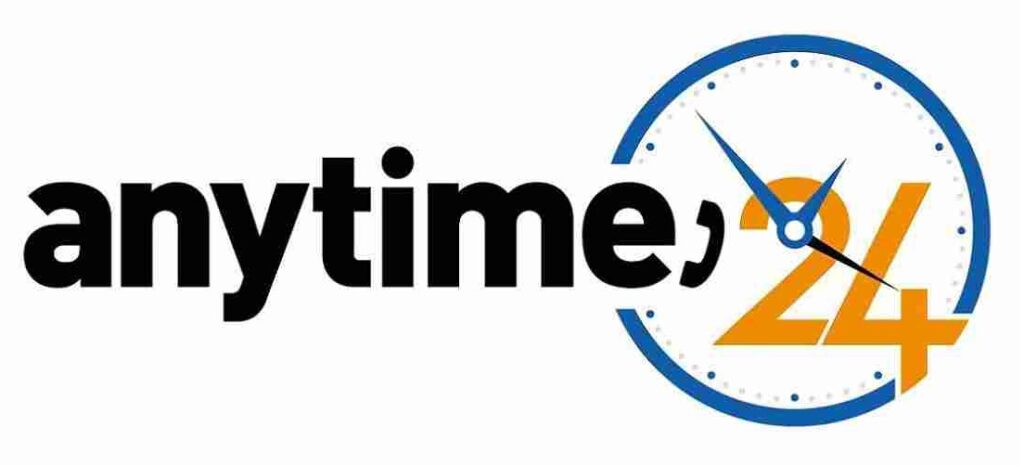
Opposed mark, consisting of “anytime”, “24” and a clock device (see below), was filed by ShinMaywa Industries, Ltd. for use on various services in classes 35, 37, 39 and 41, including sports instruction services; arranging, conducting and organization of seminars relating to sports; production of videotape file in the field of sports; providing electronic publications relating to sports on October 14, 2021.

The JPO granted protection of the “anytime 24” mark on October 19, 2022, and published it for a post-grant opposition on October 31, 2022.


Opposition by ANYTIME FITNESS

Anytime Fitness Franchisor LLC (AFF), an operator of the fastest-growing fitness club “ANYTIME FITNESS” franchise in the world, with more than 4 million members at more than 4,800 gyms on all seven continents, filed an opposition on December 29, 2022.

AFF argued the opposed mark shall be canceled in contravention of Article 4(1)(vii), (viii), (x), (xi), (xv) and (xix) of the Japan Trademark Law on the grounds that “ANYTIME FITNESS” has become famous among relevant consumers as a source indicator of the fitness gym opening 24 hours a day, 365 days a year, and the term “ANYTIME” is a dominant portion of cited mark (TM Reg nos. 5284268 and 5742766) in connection with fitness-related services in class 41. If so, the consumers are likely to confuse the source of the opposed mark with AFF when used on fitness-related services because of close resemblance between the opposed mark and “ANYTIME FITNESS”.


JPO decision

The JPO Opposition Board found the opposed mark, from its configuration, gives rise to a pronunciation and meaning of “anytime” because the digit “24” is inherently descriptive.

In the meantime, the Board held the cited mark has a pronunciation of “ANYTIMIE FITNESS” and does not give rise to any specific meaning as a whole. Even if the word “FITNESS” lacks distinctiveness in relation to fitness-related services, the Board has a reason to believe the cited mark shall be assessed in its entirety by virtue of a tight combination with other elements.

When it comes to compare a dominant portion “anytime” of the opposed mark with “ANYTIME FITNESS”, the consumers are unlikely to confuse the source of two marks from visual, phonetical and conceptual points of view, the Board said.

Based on the foregoing, the JPO concluded dissimilarity of mark and unlikelihood of confusion, and decided to dismiss the opposition entirely.

McDonald Unsuccessful in Trademark Opposition against “mac”

The Japan Patent Office (JPO) did not side with McDonald in opposition against Japanese TM Reg no. 6575774 for stylized wordmark “mac” in class 35 due to dissimilarity to “Mc” and unlikelihood of confusion with McDonald.

[Opposition case no. 2022-900294, decided on August 15, 2023]

Opposed mark “mac”

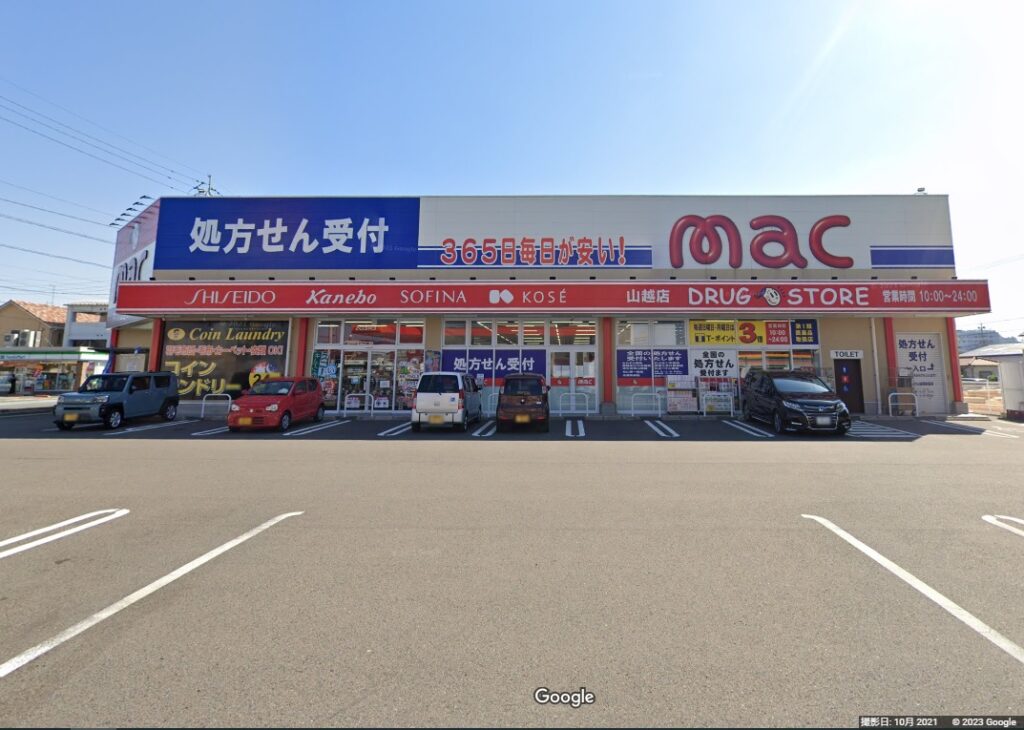
The opposed mark, consisting of a stylized word “mac” (see below), was filed by Daiya Group Inc. for use on retail services or wholesale services for various goods including, meat, milk, carbonated drinks [refreshing beverages] and non-alcoholic fruit juice beverages, tea, coffee and cocoa in class 35 with the JPO on October 27, 2021.

The applicant has used the opposed mark as a tradename of their drug store “mac”.

Screen capture from Google map

The JPO granted protection of the opposed mark on June 22, 2022 and published it for post-grant opposition on June 30, 2022.


Opposition by McDonald

McDonald International Property Company Limited filed an opposition against the opposed mark on July 20, 2022 with the JPO and claimed cancellation of the opposed mark in contravention of Article 4(1)(x), (xi) and (xv) of the Japan Trademark Law based on earlier trademark registrations and various marks used in relation to their business.

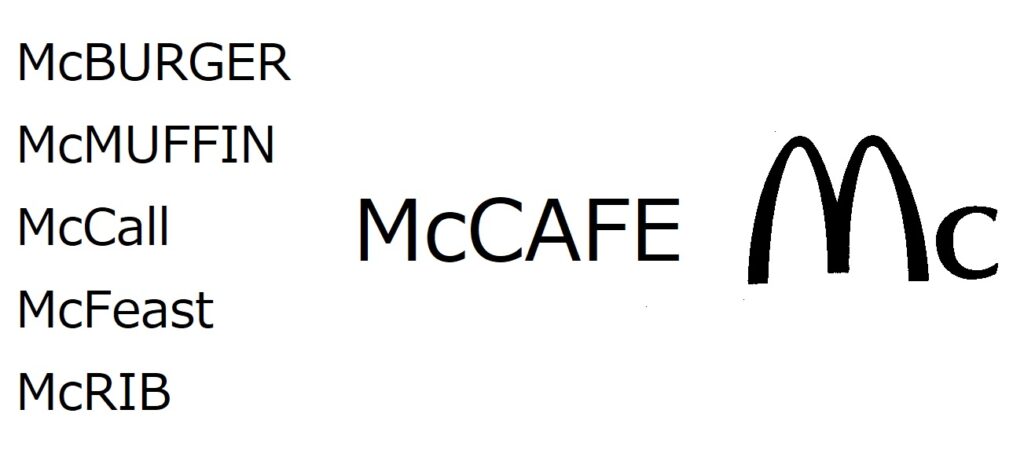
McDonald argued that the mark “Mc” has been remarkably famous as a source indicator of the opponent and it gives rise to a same sound with the opposed mark “mac”. If so, relevant consumers would confuse the source of retail services or wholesale services for meat, milk, carbonated drinks [refreshing beverages] and non-alcoholic fruit juice beverages, tea, coffee and cocoa bearing the opposed mark with McDonald due to close resemblance of the marks and relatedness to food business.


JPO decision

The Opposition Board pointed out McDonald has been regularly using the mark “Mc” in a tight combination with other word. Regardless of the fact that consumers are accustomed to call McDonald as “MAC”, there is no evidence to show the opponent has used “MAC” in connection with their business.

By taking account of insufficient evidence to demonstrate substantial recognition of the cited marks, the Board has no reason to admit famousness of the mark “Mc” as a source indicator of McDonald.

In assessing the similarity of mark, the Board found the cited marks are aurally dissimilar to the opposed mark since they are pronounced as “emˈsiː” or “mækˈkæfˈeɪ” in its entirety. Besides, there is no ground to find visual and conceptual similarity of respective mark. If so, the Board believes the opposed mark is clearly dissimilar to the cited marks.

To the extent that there is insufficient evidence to support how the term “MAC” has played a significant role in indicating the source of McDonald, the Board held it unlikely that relevant consumers confuse the opposed mark with McDonald when used on the services in question.

Based on the foregoing, the Board dismissed the opposition entirely and decided that the opposed mark “mac” shall remain valid as the status quo.

Shangri-La Unsuccessful in Trademark Opposition Over “Shangri-La Golf”

The Japan Patent Office (JPO) dismissed an opposition claimed by Shangri-La Hotels against TM Reg no. 6610570 for the mark “Shangri-La-Golf” in class 35 due to dissimilarity between “Shangri-La” and “Shangri-La-Golf”.

[Opposition case no. 2022-900465, decided on July 26, 2023]

Opposed mark

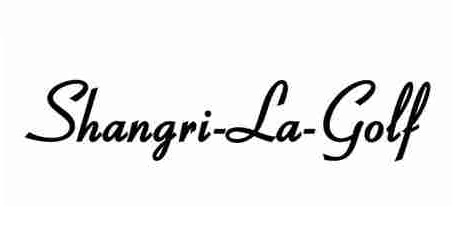
A Japanese individual filed a stylized word mark “Shangri-La-Golf” (see below) for use on retail and wholesale services in relation to woven fabrics, beddings, clothing, footwear, and personal articles in class 35 with the JPO on June 22, 2020.

The JPO examiner rejected the mark in contravention of Article 4(1)(xi) of the Japan Trademark Law by citing earlier trademark registrations for wordmark “SHANGRI-LA”.

However, as a result of the JPO Appeal Board’s decision that found dissimilar to “SHANGRI-LA”, the mark could be registered on September 6, 2022.


Opposition by Shangri-La Hotels

Shangri-La International Hotel Management Ltd filed an opposition against the opposed mark on November 11, 2022 and argued the opposed mark shall be canceled in contravention of Article 4(1)(vii), (viii), (x), (xi), (xv), and (xix) of the Japan Trademark Law due to a remarkable degree of recognition of the cited mark “Shangri-La” and close resemblance between the opposed mark and “Shangri-La”.


JPO decision

The JPO Opposition Board questioned a remarkable degree of recognition of the cited mark among relevant public in Japan by stating that the produced evidence is insufficient to find such recognition objectively.

As for appearance, sound and meaning of the opposed mark, the Board found

“The opposed mark consists of “Shangri”, “La”, and “Golf” written in the same font and size, and tightly united by a hyphen (-). Visually, there is no reason to find respective element perse independently plays a role in source indicator of the opposed mark. Besides, the sound arising from the opposed mark as a whole can be pronounced easily.

Even if the term “Golf” has the meaning of a kind of ball game, it is reasonable to find that the term would not be recognized as directly indicating a descriptive meaning or specific quality of the services in question. Relevant consumers would see the opposed mark as a whole.

Therefore, the opposed mark shall be assessed in its entirety and give rise to a pronunciation of “Shangri-La-Golf” and no specific meaning.”

Based on the above finding, the Board decided the opposed mark “Shangri-La-Golf” is dissimilar to the cited mark “Shanri-La” because there is visual and phonetical distinction between the marks by virtue of the term “Golf” and the opposed mark does not give rise to a meaning related to ‘a remote usually idyllic hideaway’.

Accordingly, the Board found the opposition baseless and decided the opposed mark remains as the status quo.