Which to win, first to file or first to trademark?

A recent JPO decision over trademark opposition for “Le Tan” will serve as a cautionary message to brand owners who intend to launch business in Japan before too long.


Le Tan

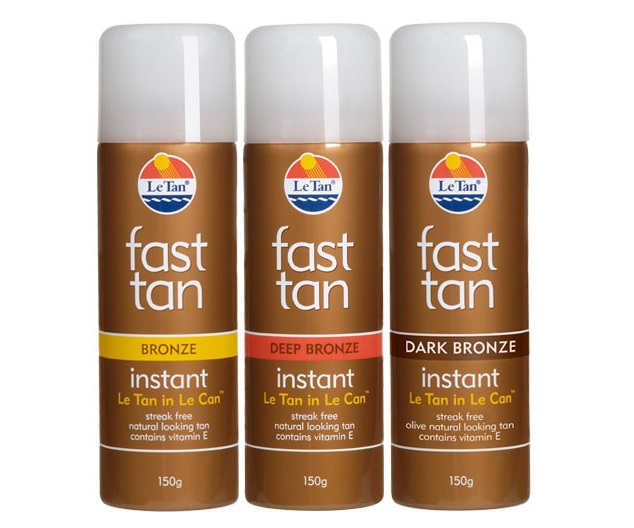
Heritage Le Tan Pty Limited, an Australian Private Company, acquired the Le Tan brand in 2015 for use on tanning lotions & sprays, tanning oils, coconut screen, after sun, which has been made in Australia since 1977 and grown into the number one tanning brand in Australia.

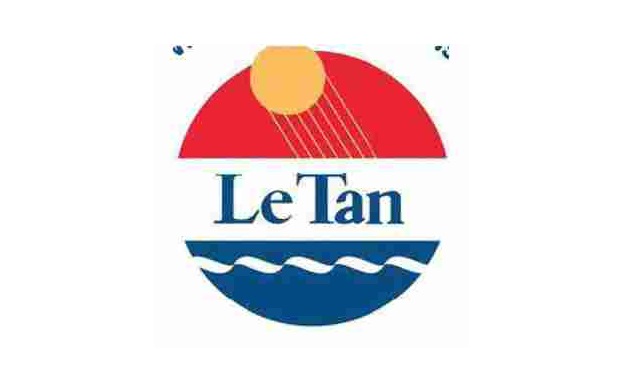
Heritage filed a trademark application with the Japan Patent Office (JPO) for its iconic house mark (see below) on ‘Sunscreen preparations; lotions for cosmetic purposes; sun protection oils [cosmetics]; sunscreen creams; sun-tanning preparations [cosmetics]; self-tanning creams; self-tanning lotions; self-tanning preparations [cosmetic]; cosmetics’ in class 3 on October 28, 2019, when six months have passed after actual sales took place allegedly in April 2019, in Japan.

On November 30, 2020, the JPO examiner raised her objection due to a conflict with senior trademark registration no. 6251672 in contravention of Article 4(1)(xi) of the Japan Trademark Law.


Opposed mark “LE TAN”

Chanson cosmetics Inc., a Japanese private company, filed the cited mark “LE TAN” for use on ‘cosmetics and toiletries’ in class 3 on June 20, 2019, with the JPO.

The mark, consisting of words “LE TAN” and its transliteration written in Japanese Katakana characters (see below), was registered on May 14, 2020, and published for post-grant opposition on June 2, 2020.


Opposition: “Le Tan” vs “LE TAN”

Apparently, in anticipation of the upcoming refusal or perhaps, because of any other reason, Heritage filed an opposition against the mark on July 30, 2020.

In the opposition brief, Heritage argued the opposed mark shall be cancelled in contravention of Article 4(1)(xix) of the Trademark Law.

Article 4(1)(xix) prohibits registering a trademark that is identical with, or similar to, other entity’s famous mark, if such trademark is aimed for unfair purposes, e.g. gaining unfair profits, or causing damage to the entity.

Heritage argued a remarkable degree of reputation and popularity of the Le Tan mark in Australia in relation to sunscreen and suntan preparations [cosmetics] as a result of substantial use of the mark by producing evidence to demonstrate growing annual sales (approx. 16 million Australian dollars in 2017), the second market share of 16 % in Australia (2013) , increasing website visitors (approx. 86,000 in 2019) , email subscriptions (24,000) and followers (Instagram: 250,000, Facebook: 180,000) , and annual expense for advertisement and publication (approx. 0.6 ~ 1 million Australian dollars for the past decade) by means of television, radio, magazine, the internet.

Heritage mentioned they had begun to export their products since 2015 and launched promotion and distribution to Japanese consumers in April 2019.

In an attempt to prove Chanson’s unlawful intention, Heritage pointed out the fact that Chanson has registered the mark “LE TEMPS” pronounced the same as “LE TAN” on the same class since 1984 and used the mark on skin-care cosmetics in fact. Heritage alleged that it appeared unreasonable for Chanson to file the opposed mark which has a same pronunciation but different spelling since Chanson must be convinced that skin-care conscious consumers are unwilling to use cosmetics giving rise to an impression of ‘the suntan.’ If so, Chanson must have filed the opposed mark just two months after the launch of trademarking Australian brand “Le Tan” in Japan simply because of interrupting their business.


JPO Decision

The Opposition Board of the JPO admitted a certain degree of reputation and popularity of the “Le Tan” mark in Australia in view of substantial use on sunscreen or suntan preparations [cosmetics] over four decades, however, the Board denied Heritage’s allegation that the opposed mark was filed with a malicious intention by stating:

From the totality of circumstance, the Board can’t find any reason to believe that Chanson sought for protection of the opposed mark to gain unfair profits or cause damage to the opponent. A mere fact the opposed mark was filed a few months after the opponent started to use the “Le Tan” mark in Japan was insufficient to find unfair purposes subject to Article 4(1)(xix). Heritage failed to convince the Board of the likelihood of interruption. Noticeably, according to the produced evidence, the opponent business in Japan is expanding contrary to their allegations.

Based on the foregoing, the JPO decided to dismiss the opposition entirely and concluded the Opposed mark shall remain valid as the status quo.

Glenfiddich Wins Trademark Dispute Over Deer Design

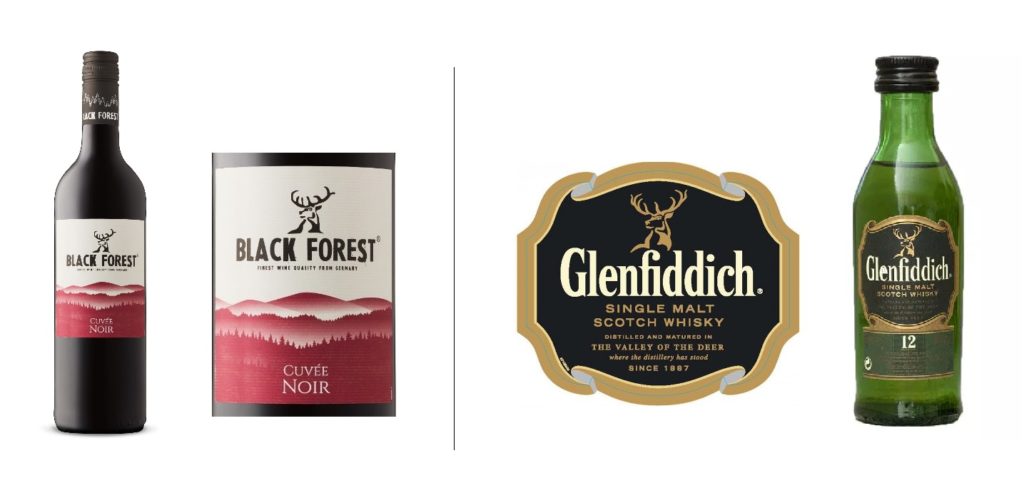
The Japan Patent Office (JPO) sided with Glenfiddich, the world’s most awarded Single Malt Scotch Whisky, who fought against trademark registration for the BLACK FOREST composite mark in class 33 due to close resemblance to the Glenfiddich deer design. [Opposition case no. 2018-685017, Gazette issued date: April 30, 2021]


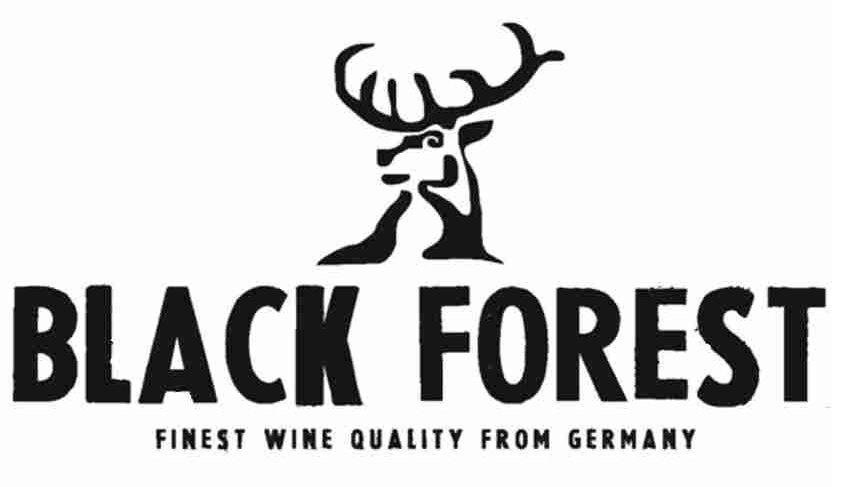
BLACK FOREST composite mark

The opposed mark, consisting of the words “BLACK FOREST”, “FINEST WINE QUALITY FROM GERMANY” and a stylized stag’s head (see below), was filed with the JPO on May 12, 2017, for use on ‘Wines and sparkling wines; all the above goods made in Germany’ in class 33 by Badischer Winzerkeller eG via the Madrid Protocol (IR no. 1353061).

On June 6, 2018, the JPO granted protection of the opposed mark and published for post-registration opposition.


Opposition by Glenfiddich

Glenfiddich owner William Grant & Sons opposed on the basis of its earlier international registrations (IR no. 919341&919342) in the mark GLENFIDDICH and a stylized stag head (see below) for use on whisky and whisky-based liqueurs are concerned, only scotch whisky and scotch whisky-based liqueurs produced in Scotland of class 33, in contravention of Article 4(1)(xi) of the Japan Trademark Law.

Article 4(1)(xi) is a provision to prohibit registering a junior mark that is deemed identical with, or similar to, any senior registered mark.

In the opposition, the opponent argued, inter alia, a close resemblance of the stylized deer design. Taking into consideration the design element is visually separable from literal elements, relevant consumers at the sight of the stylized stag head of the opposed mark that appeared on a wine label are likely to connect it with Glenfiddich.

JPO decision

The Opposition Board of the JPO found that judging from the configuration of each mark, it is allowed to assess the similarity of both marks by means of comparing its design element.

The Board held the stylized stag head of both marks would give rise to a resembled impression from appearance and the same concept regardless of some differences in detail.

If so, even though the pronunciation of respective design is incapable of comparison, from the totality of the circumstances, relevant consumers are likely to confuse the origin of the goods in question bearing the opposed mark with Glenfiddich.

Based on the foregoing, the JPO decided to retroactively cancel IR no. 1353061 in contravention of Article 4(1)(xi) of the Trademark Law.

COCO vs COCOMIST – Decision of the Opposition Board of the Japan Patent Office

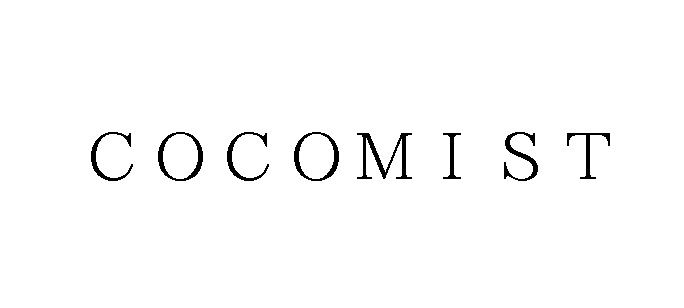
Chanel handed a loss in its attempt to block Japanese trademark registration no. 6202587 for wordmark “COCOMIST” to be used on cosmetics, perfumery, fragrances, incense, and other goods in class 3.
[Opposition case no. 2020-900047, Gazette issued date: February 26, 2021.]

COCOMIST

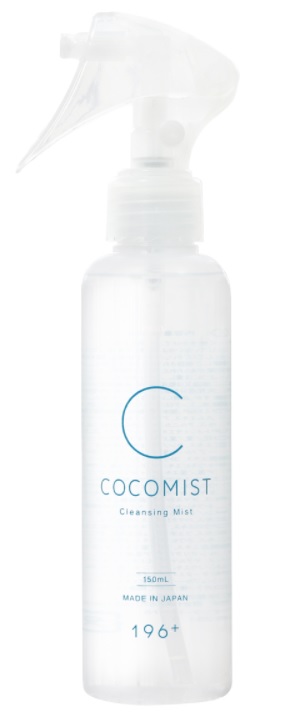
The opposed mark consists of the word “COCOMIST” written in standard character (see below). Applicant, a Japanese company, 196+ Inc., filed it for use on ‘cosmetics, perfumery, fragrances, incense, toiletry preparations’ and other goods in Class 3 on January 7, 2019.

The mark was published for post-grant opposition on December 24, 2019, without confronting any office action from the JPO examiner.

It is apparent that the applicant actually uses the opposed mark on cleaning mist.

Opposition by CHANEL

On February 20, 2020, CHANEL SARL filed an Opposition and argued the opposed mark shall be canceled in contravention of Article 4(1)(xi), (xv), and (xix) of the Trademark Law on the grounds that:

  1. Since 1995, the opponent has owned senior trademark registration no. 2704127 for wordmark “COCO” over cosmetics, perfumery, and fragrances, which has unquestionably acquired a remarkable degree of reputation and popularity as a source indicator of the opponent’s cosmetics as well as a nickname or short name of French fashion designer “Gabrielle COCO CHANEL”, the founder of the Chanel brand.
  2. The term “MIST” lacks distinctiveness in relation to cosmetics. If so, relevant consumers at the sight of the opposed mark would easily conceive “COCO” as a prominent portion when used on goods in question.
  3. In view of the close resemblance between two marks and goods, presumably, the applicant must have applied the opposed mark for use on cosmetics with prior knowledge of the cited mark and fraudulent intention of free-riding on its reputation.

JPO Decision

The JPO Opposition Board admitted a high degree of reputation and popularity of “COCO” as a source indicator of the opponent’s perfumery and fragrances among relevant consumers based on substantial use of the cited mark in Japan but questioned its famousness in relation to other cosmetics except for perfumery and fragrances.

The JPO denied the similarity between the opposed mark and “COCO”, stating that the opposed mark shall be taken as a whole in view of a tight combination of its literal element from appearance. If so, the opposed mark does not give rise to any specific meaning and the Board has no reasonable ground to believe that the opposed mark “COCOMIST” shall be similar to “COCO” from visual, phonetic, and conceptual points of view.

Given a low degree of similarity between the marks, the Board held the opposed mark is unlikely to cause confusion even when used on perfumery and fragrances.

Assuming that both marks are dissimilar, the Board was not convinced that the applicant aimed for free-riding on the goodwill of Chanel.

Based on the foregoing, the JPO dismissed the entire allegations of CHANEL SARL and allowed the opposed mark to register as the status quo.

Montblanc Unsuccessful in Trademark Opposition

The Japan Patent Office (JPO) dismissed a trademark opposition claimed by Montblanc-Simplo GmbH, Germany, against Japanese trademark registration no. 6240752 for “MONTBLANC PROFESSIONAL PRIDES” with a device mark, stating that the opposed mark is unlikely to cause confusion with “Montblanc” known around the world for its superior writing instruments when used on the goods in question of class 25.
[Opposition case no. 2020-900159, Gazette issued date: February 26, 2021]

MONTBLANC PROFESSIONAL PRIDES

Opposed mark, consisting of words “MONTBLANC” and “PROFESSIONAL PRIDES” combined with a three-vertical-line design (see below) , was filed on April 17, 2019, by a Japanese business entity, SUMISHO MONTBLANC Co., Ltd. for use on ‘Medical scrubs; nurse dresses; nurse overalls; nurse pants; nurse uniforms; nurse caps; clothing; nurse shoes; footwear’ and other goods in class 25, and published for opposition on April 21, 2020, after registration on March 30, 2020.

Opposition by Montblanc-Simplo GmbH

On June 18, 2020, Montblanc-Simplo GmbH filed an opposition and claimed that the opposed mark shall be cancelled in contravention of Article 4(1)(xv) of the Japan Trademark Law due to a likelihood of confusion with the wordmark “MONTBLANC” known for its superior writing instruments.

Article 4(1)(xv)

Article 4(1)(xv) prohibits registering a trademark which is likely to cause confusion with the business of other entities.

Among other things, Montblanc argued the word “MONTBLANC” shall be considered as a prominent portion of the opposed mark since it does not indivisibly combine with the rest of the elements, namely, “PROFESSIONAL PRIDES” and three-vertical-line design. If so, taking account of a remarkable degree of reputation and popularity to the Montblanc writing instruments, relevant consumers would misconceive the source of goods bearing the opposed mark with the opponent.

Board Decision

It does not surprise me that the Opposition Board admitted a remarkable degree of reputation and popularity of the “Montblanc” mark in connection with fountain pens and ball-point pens based on the facts that the opponent has made and sold writing instruments identified by the MONTBLANC trademark for more than a hundred years since 1906 and operates 121 brick-and-mortar stores in Japan as of now.

Meanwhile, the Board questioned if “Montblanc” has been widely known even among relevant consumers of the goods in class 25 since the Board was unable to find a reasonable ground to believe that medical scrubs, nurse shoes and other goods in question are closely associated with the writing instruments. In this respect, a mere fact that the opposed mark contains the word “MONTBLANC” would be insufficient to find a likelihood of confusion with the opponent when used on goods in question.

Based on the foregoing, the Board decided the opposed mark shall not be subject to cancellation in contravention of Article 4(1)(xv) and allowed registration as the status quo.

JPO rejects “AIR NECKTIE” due to similarity to NIKE “AIR”

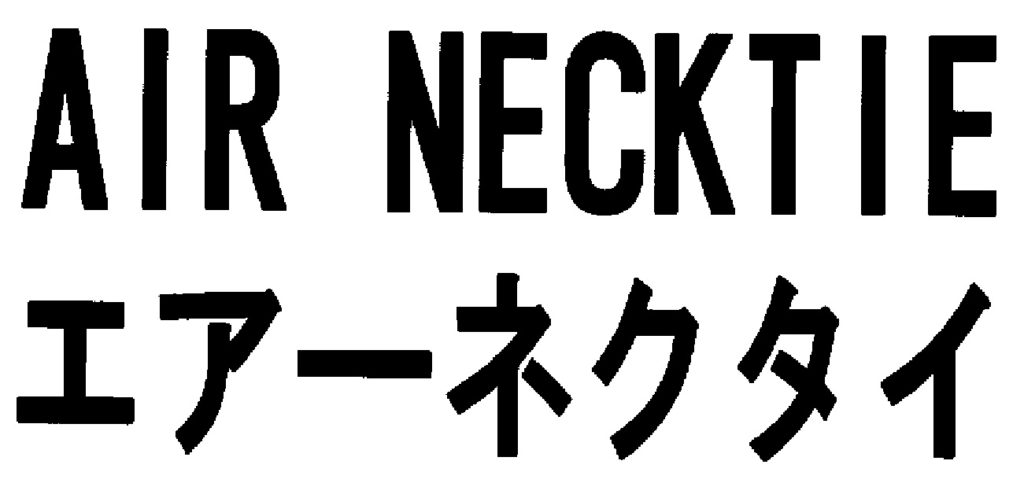
The Japan Patent Office (JPO) dismissed an appeal filed by a Japanese individual who sought registration for use of the wordmark “AIR NECKTIE” on neckties in class 25 due to the similarity to NIKE “AIR.”
[Appeal case no. 2020-4106, Gazette issued date: February 26, 2021.]

AIR NECKTIE

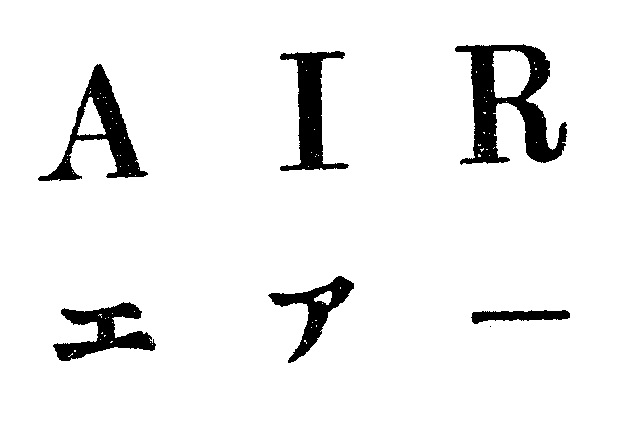
The mark in question, consisting of two English words “AIR” and “NECKTIE”, and its transliteration in a Japanese katakana character (see below), was filed for use on ‘neckties’ in class 25 with the JPO on July 6, 2018 [TM Application no. 2018-88482].

TM App no. 2018-88482

AIR

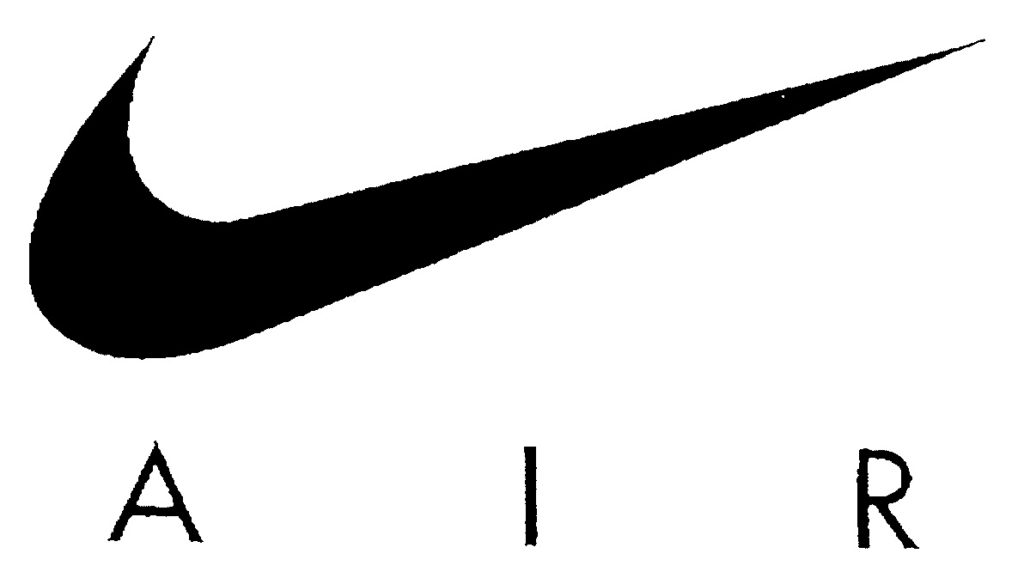
The examiner raised her objection based on Article 4(1)(xi) of the Trademark Law by citing senior registration nos. 502137 and 4327964 for the mark “AIR” owned by NIKE Innovate C.V. (see below) which cover clothing, shoes, neckties, and other goods in class 25.

TM Reg no. 502137
TM Reg no. 4327964

Article 4(1)(xi) is a provision to prohibit registering a junior mark that is deemed identical with, or similar to, any senior registered mark.

Regardless of the arguments made on a written response to the office action by the applicant, the JPO examiner entirely rejected the “AIR NECKTIE” mark based on the ground.

On March 6, 2020, the applicant filed an appeal against the refusal with the JPO and disputed that the applied mark “AIR NECKTIE” is dissimilar to the cited mark “AIR.”

JPO decision

The JPO Appeal Board referred to the tests established by the Supreme Court ruling in 2008 to determine whether it is permissible to take out respective elements of the composite mark when assessing the similarity of two marks.

“Where a mark in dispute is recognized as a composite mark consisting of two elements or more, it is not permissible to assess the similarity of marks simply by means of taking out an element of the composite mark and then comparing such element with the other mark, unless consumers or traders are likely to perceive the element as a dominant portion indicating its source of origin of goods/service, or remaining elements truly lack inherent distinctiveness as a source indicator in view of sound and concept.”

Based on the tests, the Board found that it is permissible to take out a literal element “AIR” from the applied mark and compare it with the citations by stating the following grounds:

  1. The applied mark can be seen as a composite mark consisting of ‘AIR’ and ‘NECKTIE’ because of the space between two words.
  2. “NECKTIE” is unquestionably recognized as a generic term in connection with ‘neckties’ in class 25.
  3. Relevant consumers at the sight of neckties bearing the mark “AIR NECKTIE” would conceive the term “AIR” as a prominent source indicator.
  4. “AIR NECKTIE” does not give rise to any specific meaning in its entirety.
  5. The above facts suggest that “NECKTIE” lacks inherent distinctiveness in relation to the goods in question, and it would not play the role of source indicator of the applied mark in view of sound as well as concept.

Based on the foregoing, the Board affirmed the examiner’s rejection and decided that the applied mark “AIR NECKTIE” is similar to the cited marks as a whole given the remarkable similarity in sound and concept, even if the word “NECKTIE” differentiates two marks in appearance.

“MACSELL” for use on PC value estimation service is unlikely to cause confusion with Apple “Mac”

The Japan Patent Office (JPO) dismissed an opposition claimed by Apple Inc. against trademark registration no. 6223514 for word mark “MACSELL” on used mobile phone, Smartphone, PC and tablet computer value estimation service in class 36 by finding less likelihood of confusion with Apple “Mac” series.
 [Opposition case no. 2020-900114, Gazette issued date: Jan 29, 2021]

MACSELL

Opposed word mark “MACSELL” in standard character was filed on March 22, 2019, for the service of used mobile phone, Smartphone, PC and tablet computer value estimation, and others in class 36. Going through the substantive examination, the JPO admitted registration on February 6, 2020.

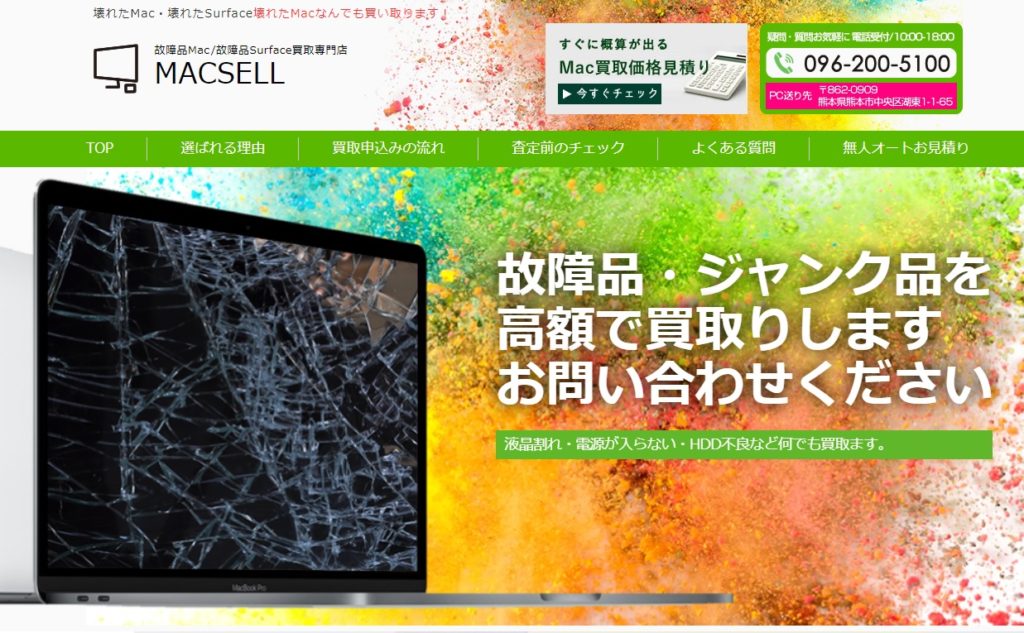
Apparently, the opposed mark is used as a tradename of used Mac and Surface recycle shop managed by the applicant.

Capture from “MACSELL” website
Capture from Google “Street View”

Apple’s Opposition

Apple Inc. argued the opposed mark “MACSELL” shall be canceled in violation of Article 4(1)(xv) of the Japan Trademark Law.

“Mac” has become famous as a source indicator of Apple’s PC by virtue of substantial use with various trademarks, e.g. “MacBook Air” and “MacBook Pro” on laptops, “iMac” and “iMac Pro” on desktops, “Mac Pro” and “Mac mini” on computer hardware.

The opposed mark, consisting of “MAC” and “SELL”, would easily give rise to a meaning of offering Apple’s PC for sale.

If so, relevant consumers at the sight of the opposed mark when used on the service in question are likely to associate and confuse the origin of the opposed mark with Apple Inc. or any entity related to the opponent.

JPO decision

The JPO Opposition Board admitted a remarkable degree of reputation and popularity of “Mac” as a source indicator of Apple Inc. and a close association between Apple’s goods and the service in question.

However, the Board found a low level of similarity between “MACSELL” and “Mac” by stating that the term “SELL” would severely cause a distinctive impression between both marks from visual, phonetical, and conceptual points of view, even if the marks share the word “MAC.”

Besides, taking into account a low level of originality of the opponent mark “Mac,” the Board questioned if relevant consumers and traders are likely to associate or connect the opposed mark with the opponent when used on the service in question.

Consequently, the Board held that relevant consumers would be unlikely to confuse the source of the opposed mark with Apple Inc. and any entity economically or systematically connected with the opponent.

Based on the foregoing, the Board decided to dismiss the opposition entirely and allowed registration of the opposed mark as status quo.

Ariana Grande Loses Trademark Opposition at Japan Patent Office

The Japan Patent Office (JPO) dismissed an opposition filed by GrandAri Inc., the owner of a trademark “ARIANA GRANDE”, against TM Reg no. 6202585 for wordmark “Arianna” to be used on cosmetics by finding dissimilarity between “Arianna” and “ARIANA GRANDE.”
[Opposition case no. 2020-900051, Gazette issued date: January 29, 2021.]

Opposed mark

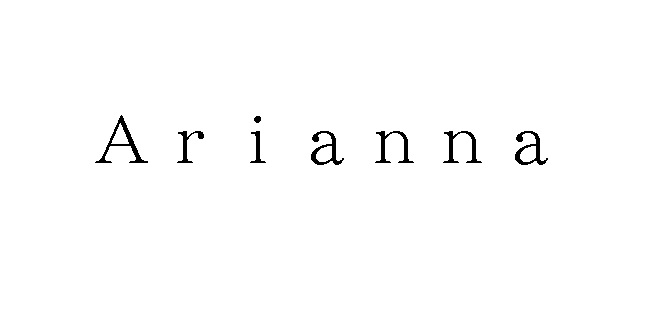
Arianna Co., Ltd. applied for a wordmark “Arianna” registration for use on cosmetics, soaps, and detergents of Class 3 and medical apparatus of Class 10 with the JPO on January 7, 2019 (TM Application no. 2019-000339).

The JPO admitted the registration of the opposed mark on November 29, 2019, and published for opposition on Christmas Eve of the year.

Opposition by GrandAri Inc.

On February 21, 2020, GrandAri Inc. filed an opposition before the JPO and claimed that the opposed mark shall be revocable in contravention of Article 4(1)(xi) and (xv) of the Japan Trademark Law by citing International Registration no. 1260129 for wordmark “ARIANA GRANDE” and others over the goods of ‘Perfume; eau de parfum; fragranced body care preparations, namely, body lotions, body scrubs’ in Class 3.

Article 4(1)(xi) is a provision to prohibit registering a junior mark that is deemed identical with, or similar to, any senior registered mark.

GrandAri argued that relevant consumers would easily think of American pop superstar from the cited mark “ARIANA GRANDE”. Besides, because of her celebrity and popularity, she is affectionately called by her first name “ARIANA”. In view of the space between “ARIANA” and “GRANDE”, it is highly likely that the consumers would consider the term “ARIANA” as a dominant source indicator at the sight of the cited mark. It is no doubt that the opposed mark “Arianna” is confusingly similar to “ARIANA” since the mere difference of the letter ‘n’ is negligible in appearance and both terms give rise to the same pronunciation.

Article 4(1)(xv) provides that any mark shall not be registered where it is likely to cause confusion with other business entity’s well-known goods or services, to the benefit of brand owners and users’ benefits.

GrandAri argued the cited mark is used on fragrances developed by Ariana herself, which are also called “ARIANA” in the advertisement.

Given a close resemblance between the opposed mark and the “ARIANA” mark, and a certain degree of popularity of the fragrances, firstly sold in November 2015 in Japan, it is likely to cause confusion with the cited mark when the opposed mark is used on the goods in question.

JPO Decision

The JPO admitted a high level of reputation and popularity of American pop singer, “ARIANA GRANDE” in Japan. In the meantime, the JPO questioned, from the produced evidence, whether the term “ARIANA” per se plays a role of the source indicator of Ariana Grande fragrances since it is constantly adjacent to the cited mark “ARIANA GRANDE.”
Consequently, the JPO negated the famousness of the term “ARIANA” as a source indicator of the opponent’s goods.

As for the similarity of the marks, the JPO assessed that relevant consumers would see the cited mark “ARIANA GRANDE” in its entirety because she is known and called by her full name. If so, both marks are distinctively dissimilar since the opposed mark does neither give rise to a pronunciation of “ARIANA GRANDE” nor a concept of American pop superstar.

The JPO dared to assess the similarity between the opposed mark “Arianna” and “ARIANA” and held that “Arianna” is not confusingly similar to “ARIANA” from a phonetical point of view. Due to a low level of similarity of the marks, the JPO does not have any reason to believe that the opposed mark would cause confusion with the cited mark “ARIANA GRANDE” as well as “ARIANA” when used on cosmetics, soaps, and detergents of Class 3.

Based on the foregoing, the JPO dismissed the entire allegations of GrandAri and allowed “Arianna” to survive.

“COSTA COFFEE” vs “Caffè la Costa”

The Japan Patent Office (JPO) dismissed a trademark opposition claimed by Costa Limited, operating the UK’s largest and the World’s second-largest International chain of coffee shops “COSTA COFFEE”, against trademark registration no. 6230027 for the “Caffè la Costa” mark for use on coffee, coffee beans in class 30 and restaurant services in class 43 by finding both marks are dissimilar and less likely to cause confusion.
[Opposition case no. 2020-900137, Gazette issued date: December 25, 2020]

Opposed mark

The mark “Caffè la Costa” (see below) was filed by a Japanese individual on March 11, 2019, for use on tea; coffee; cocoa; coffee beans; confectionery, and bread in class 30 and restaurant service in class 43, and published for opposition on May 17, 2020, after registration on February 27, 2020.

Opposition by Costa Limited

On May 14, 2020, Costa Limited filed an opposition and alleged the opposed mark shall be revocable in contravention of Article 4(1)(xi) of the Japan Trademark Law due to close resemblance to senior trademark registration for a wordmark “COSTA” and the “COSTA COFFEE” logo (see below) in class 30 and 43.

Article 4(1)(xi) is a provision to prohibit registering a junior mark that is identical with, or similar to, any senior registered mark.

Costa Limited argued that relevant consumers are accustomed to discriminating coffee shops by means of a distinctive literal element contained in their name. As a universal habit of shortening the full name, “Starbucks Coffee” is referred to as “Starbucks.” Likewise, “Doutor Coffee” as “Doutor”, “Excelsior Caffè” as “Excelsior”, “Tully’s Coffee” as “Tully’s”. Because the term “Coffee” and “Caffè” lack distinctiveness as a source indicator in relation to coffee; coffee beans and restaurant services.

In this respect, the consumers would consider the term “Costa” to be a dominant portion of the opposed mark when used on the goods and services in question. Therefore, “Caffè la Costa” shall be deemed confusingly similar to a wordmark “COSTA” and the “COSTA COFFEE” logo mark owned by Costa Limited.

Board Decision

The Opposition Board found the opposed mark does not give rise to any particular meaning as a whole. The mere fact that the respective word of the opposed mark (“Caffè”, “la”, “Costa”), is in the Italian dictionary would not change the finding since relevant consumers are unfamiliar with these Italian words. If so, the consumers would perceive the opposed mark as a coined word in its entirety and pronounce the entire mark as it sounds. In this regard, the Board doubted whether the term “Costa” is considered the dominant portion of the opposed mark by stating the facts show no evidence.

Based on the findings, the Board assessed the similarity of both marks as follows.

It looks obvious that the opposed mark is distinguishable from the cited marks, “COSTA” and the “COSTA COFFEE” logo, in appearance and sound, on account of different term and position of “Caffè la” and “COFFEE” combined with “Costa” and other distinction of figurative elements.
Provided that “COSTA” is an Italian word unfamiliar to relevant consumers with ordinary care, the Board believes both marks are incomparable in concept.
Even if both marks are incomparable in concept, the low level of similarity in appearance and sound would suffice to conclude that the consumers are unlikely to associate, connect the opposed mark with “COSTA COFFEE” when used on the goods and services in question.

Accordingly, the Board decided the opposed mark wasn’t revocable in contravention of Article 4(1)(xi) of the Trademark Law.