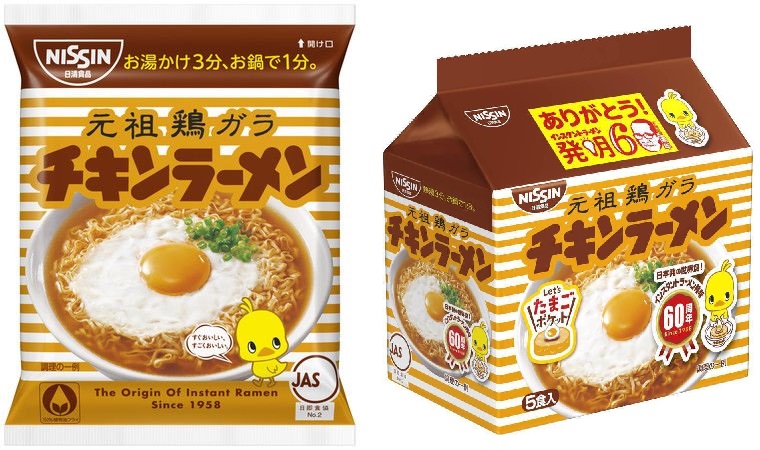
On March 25, 2022, the Japan Patent Office (JPO) granted protection of a color mark that has been used on the package of the first and a long-selling Japanese instant ramen “Nissin Chicken Ramen”. It is the 9th case for JPO to admit registration since opening the gate to color mark in April 2015.
Nissin Chicken Ramen
In 1958, NISSIN FOODS founder Momofuku Ando invented the world’s first instant noodles: Chicken Ramen, paired with a rich broth made of chicken and vegetables.
Nissin Chicken Ramen is a long-selling Japanese instant ramen loved by many generations and considered the world’s first instant noodles. According to the company’s release, more than 5 billion packages of Chicken Ramen had been sold.
Color mark on Package
The JPO opened the gate to Non-Traditional trademarks, namely, color, sound, position, motion, and hologram, in April 2015.
On July 12, 2018, Nissin Foods sought for registration of color combination on the Chicken Ramen package on instant noodles in class 30.
JPO examiner raised his objection because of a lack of distinctiveness based on Article 3(1)(iii) of the Trademark Law. However, the examiner eventually granted protection by finding acquired distinctiveness of the color mark (TM Reg no. 6534071).
Low Success rate -1.6%
563 color marks have participated in a race for trademark registration at the JPO as of now (May 14, 2022). 9 color marks could manage to award registration.
It is noteworthy that none of them is a mark consisting of a single color.
A previous post relating to colormark is accessible from here.
A trademark opposition is a proceeding in which a third party can oppose a newly registered trademark under Article 43bis of the Japan Trademark Law. For example, once a trademark is newly registered by JPO, this fact is published in the Official Gazette of Trade Marks immediately after it is actually registered. This kicks off a two (2) month period known as the ‘opposition period’ during which other parties are then given an opportunity to ‘oppose’ the registration of the trademark.
Invalidation
Trademark invalidation is an inter-partes proceeding in which a party has a legal interest in the result that can null a trademark registration under Article 46 of the Japan Trademark Law. If the registration is less than five years old, the party challenging the trademark rights can rely on any ground that could have prevented registration initially.
Comparison
Conflict with earlier registration (similarity of mark and goods/service), a likelihood of confusion with famous mark, and descriptiveness are the most common grounds asserted both in opposition and invalidation action.
Trademark Opposition
Trademark Invalidation
Statute of limitations
2 months from the publication date
5 years from the registration date
Official fee
JPY11,000 for 1 class JPY19,000 for 2 classes
JPY55,000 for 1 class JPY95,000 for 2 classes
Standing
Legal interest is not required
Legal interest is required
Counterargument
No obligation to counterargue unless the JPO notifies a cancellation ground to a registrant.
Mandatory for a registrant to counterargue, otherwise it may adversely affect.
Pendency period
7.9 months
11.5 months
Appeal to decision
Only the registrant can file an appeal against an unfavorable decision
Either party can file an appeal against the JPO decision
Which action to take?
From a cost-saving point of view, opposition undoubtedly looks more attractive than invalidation, however, when you look at the success rate of opposition (see below table), it may change your mind. There has been a big gap in the success rate between opposition and invalidation for years.
Year
The success rate of the Opposition
The success rate of Invalidation
2015
13%
32%
2016
16%
42%
2017
11%
33%
2018
11%
34%
2019
11%
56%
2020
11%
35%
Therefore, in terms of probability theory, invalidation action is by far preferable to opposition for the purpose of removing trademark registration in Japan.
On March 11, 2022, the Tokyo District Court dismissed allegations by Christian Louboutin who claimed red-soled shoes distributed by the defendant infringe their intellectual property right and are liable for damages under the Unfair Competition Prevention Law.
[Judicial case no. H31(Wa)11108]
Louboutin’s red soles
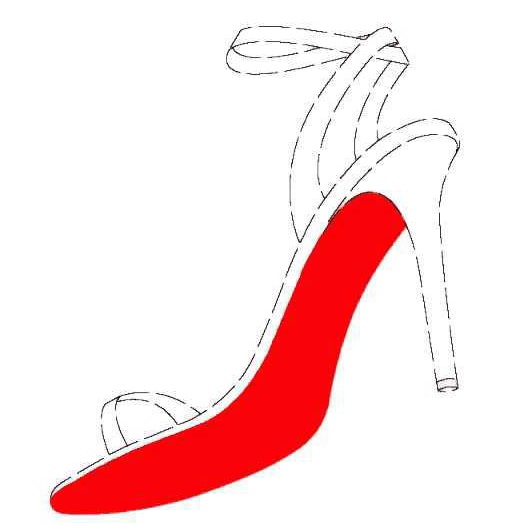
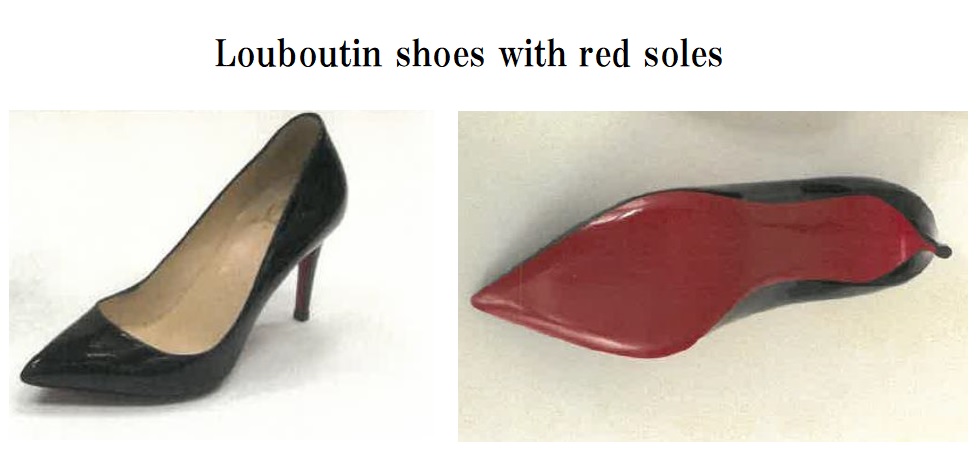
Christian Louboutin SAS alleged heels and pumps with red-lacquered leather soles (Pantone 18-1663) perse (see below) have been famous as a source indicator of Louboutin shoes as a result of substantial use for more than two decades in Japan.
To demonstrate the remarkable reputation of the position mark with a single color, Louboutin produced a lot of evidence. Japanese subsidiary generated sales of JPY3,305 million for Ladies’ shoes in 2016. More than 70% of the shoes are heels and pumps with red-colored soles. The company has yearly spent JPY15 million and more on advertisements in Japan. According to the interview conducted in October 2020, 65% of the 3,149 interviewees (females aging from 20 to 50) answered Louboutin when shown the above image.
Disputed goods
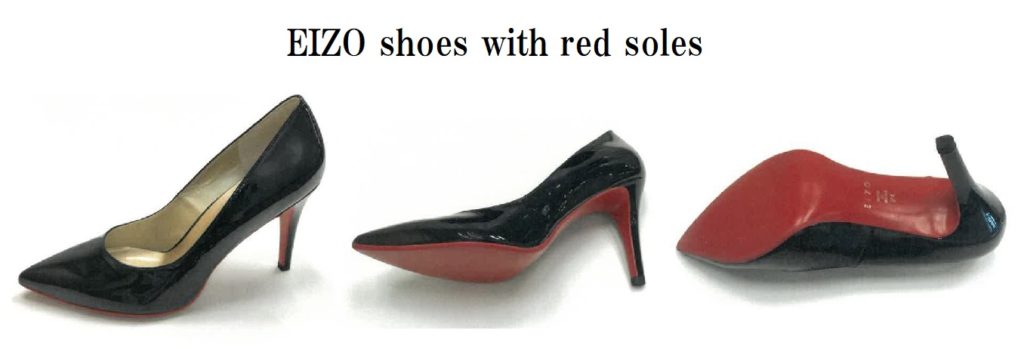
Allegedly, Eizo Collection Co., Ltd., a Japanese business entity, began to distribute ladies’ shoes with red-colored rubber soles bearing the wordmark “EIZO” for JPY17,000 from May 2018 (see below).
In the litigation, Louboutin sought a permanent injunction, disposal of the disputed shoes, and damages in the amount of JPY4,208,000.
It should note that Louboutin’s attempt to register the position mark representing ladies’ heels with red-colored soles in 2015 has been pending by the Japan Patent Office due to a lack of inherent and acquired distinctiveness as of now.
Court decision
The Tokyo District Court denied a certain degree of reputation and popularity of the red soles to indicate Louboutin shoes by stating:
Red color has been commonly used on shoes to enhance the aesthetic appearance and attract consumers. Ladies’ heels with red-colored soles have been widely distributed even before the launch of Louboutin shoes in Japan.
Under the practice in commerce, two decades and advertisement would be insufficient to find Louboutin’s red soles have played a role in the source indicator in Japan.
Besides, the court found the unlikelihood of confusion between Louboutin and the defendant’s shoes on the grounds that:
Given Louboutin’s shoes are known for high-end heels that cost JPY80,000 and more, relevant consumers would pay attention to selecting and purchasing suitable goods. Being that Louboutin’s shoes has the stylized mark “Louboutin” on soles as well, it is unlikely that relevant consumers connect the defendant’s shoes bearing the wordmark “EIZO” on soles with Louboutin.
Because of the difference in respective materials on soles (lacquered leather for Louboutin, and rubber for defendant shoes), there exists a distinction in texture and luster to the extent that relevant consumers can easily distinguish the quality and source of respective goods.
The interview targeted consumers who have purchased high-end goods and famous brands. Since the interview failed to show the defendant’s shoes to the interviewees, it would be irrelevant to prove a likelihood of confusion between the shoes.
Based on the foregoing, the court dismissed the plaintiff’s allegations under the Unfair Competition Prevention Law and did not side with Louboutin.
In a decision to the appeal against refusal to TM App no. 2017-138422 for the 3D shape of Lego figures in class 28, the Japan Patent Office (JPO) did not side with Lego Juris A/S and found the 3D mark is inherently descriptive and has not acquired distinctiveness in relation to toys.
[Appeal case no. 2019-13906, Decision date: January 6, 2022]
LEGO 3D Figure mark
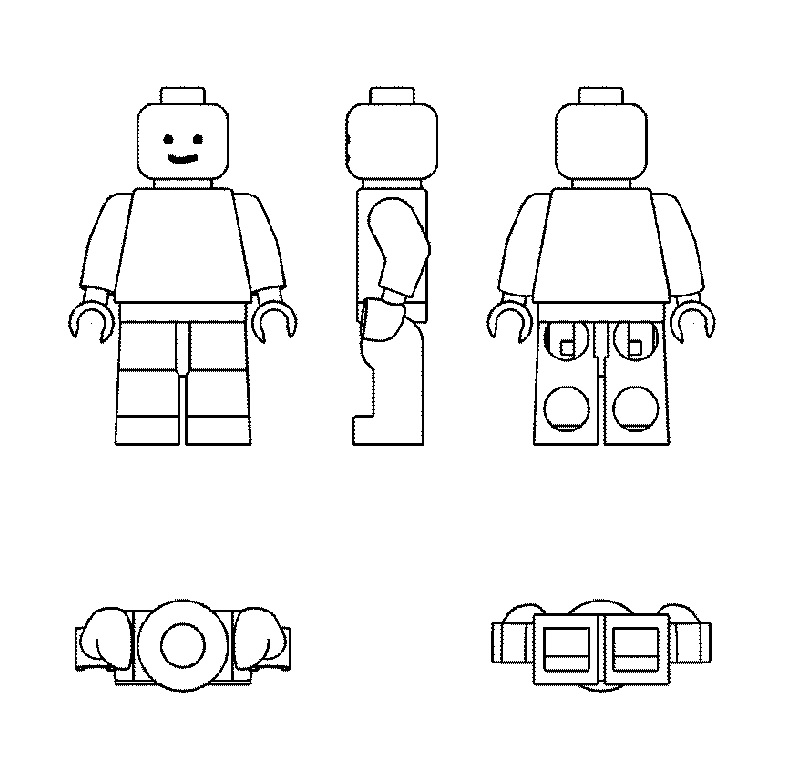
Toy giant, Lego Juris A/S applied to the JPO to register a 3D mark, showing the Lego figure seen from the front, side, back, top, and beneath (see below), for “games and playthings” and other goods in class 28 on October 20, 2017.
Article 3(1)(iii)
Trademark Examination Guideline (TEG) pertinent to Article 3(1)(iii) of the Japan Trademark Law provides a mark shall be subject to the article if it solely consists of a shape that is recognized by consumers as a shape of goods or equivalent, namely “not go beyond the scope of the descriptive shape of goods”.
TEG stipulates criteria to assess the recognition.
Where 3D shape is admittedly adopted for a purpose of enhancing function or the aesthetic appeal of goods, the shape is deemed to remain within the scope of descriptive shape of goods.
Even though 3D shape has specific features by means of unique alteration or decoration, it is still considered not to go beyond the scope of descriptive shape of goods, where consumers assume such alteration or decoration attributable to enhancing function or the aesthetic appeal of goods.
The JPO examiner totally rejected the applied mark based on the article by finding the shape remains the scope of the descriptive shape of ‘human figure toys’ in class 28.
Lego Juris A/S filed an appeal against the rejection on October 18, 2019.
JPO decision
The JPO Appeal Board affirmed the findings of the examiner and found the 3D mark does not go beyond the scope of the descriptive shape of the goods in question by stating that:
Plenty of human shape figures have been promoted for sale by competitors in relevant business field.
There is less necessity to adopt specific configuration in making a human shape figure provided that it has a basic skeleton of head, body, arms, and legs.
The Board has a reason to believe 3D shape of the applied mark is adopted enabling (i) to wear several caps and hair wigs, (ii) to get hold of various tools at hand, (iii) to stand still in display and play.
If so, relevant consumers would assume the whole shape and its unique decoration of Lego figure attributable to enhancing function or the aesthetic appeal of the toy.
Taking into consideration that the actual 3D shape of Lego figures are considerably different from the applied mark, and the word mark “LEGO” has been constantly used on catalogs, packages, and advertisement material adjacent to the applied mark, the Board has a reasonable doubt if the 3D shape per se has acquired distinctiveness as a source indicator of LEGO toys.
Based on the foregoing, the JPO Appeal Board decided to dismiss the appeal in contravention of Article 3(1)(iii).
On December 15, 2021, the Japan Patent Office (JPO) affirmed the examiner’s rejection to protect a wordmark “PATAGONIA” for seafood in class 29 and dismissed an appeal filed by Patagonia Inc. due to a lack of distinctiveness.
[Appeal case no. 2020-16786]
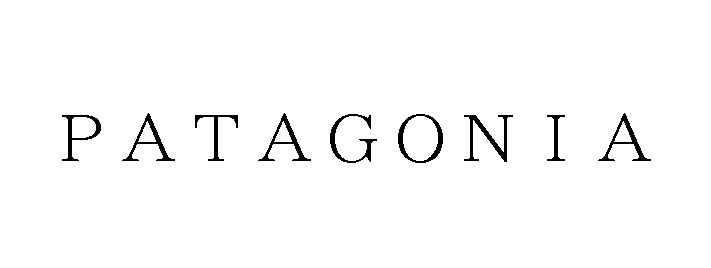
“PATAGONIA”
An American clothing company that markets and sells outdoor clothing, Patagonia Incorporated, filed a divided-trademark application for wordmark “PATAGONIA” in standard character on goods of ‘fresh, chilled or frozen edible aquatic animals (not live); blue mussels, not live; oysters, not live; processed seafood products; soups’ in class 29 on August 19, 2019 (TM Application no. 2019-110730).
The JPO examiner rejected the mark in contravention of Articles 3(1)(iii) and 4(1)(xvi) of the Japan Trademark Law on August 24, 2020.
The examiner asserted “PATAGONIA” refers to a geographical region that encompasses the southern end of South America and is a popular tourist destination for nature-lovers and adventure-seekers. Since Patagonia travel guides often have contents of Patagonia’s seafood, it is likely that relevant consumers and traders at the sight of seafood bearing the wordmark “PATAGONIA” with ordinary care would conceive the goods from the Patagonia region and see it as an indication of the origin of seafood.
If so, whenever the mark is used on seafood, not from the Patagonia region, it inevitably misleads the quality of goods.
Appeal by Patagonia Inc.
On December 7, 2020, Patagonia Inc. filed an appeal against the rejection and argued the term “Patagonia” is frequently accompanied by “region” or “sea” when used to indicate the origin of seafood because Patagonia is neither a nation nor a specific province but is a region comprising of all southerly Chile and Argentina. Being that the applied mark “PATAGONIA” has acquired a substantial degree of reputation and popularity in connection with apparel as a source indicator of Patagonia Inc., relevant consumers would rather conceive of a famous apparel brand at the sight of seafood bearing the mark “PATAGONIA.”
Besides, it is questionable if relevant consumers are familiar with the Patagonian Sea as an origin of seafood available in Japan.
JPO decision
The JPO Appeal Board found the mark “PATAGONIA” lacks distinctiveness in connection with the goods in question by stating that fish and seafood from the Patagonian Sea have been imported to Japan over the past three decades. The term “Patagonia” perse or its transliteration written in Japanese Katakana character has been used to indicate the origin of the goods. Under the circumstances, it is unquestionable that relevant consumers at the sight of seafood bearing the mark “PATAGONIA” would see it as an indication of the origin of the goods.
The Board did not question the famousness of the “PATAGONIA” mark in connection with outdoor-related goods. However, the Board denied the distinctiveness of the mark in relation to seafood even though Patagonia Inc. has promoted seafood for sale in Japan since 2016 because the mark in question is not used, but “PATAGONIA PROVISIONS”.
Based on the foregoing, the Board dismissed the entire allegations and decided to reject the mark in contravention of Article 3(1)(iii).
HERMES INTERNATIONAL, a French luxury fashion house, is in a legal battle to register its iconic packaging colors, orange and brown, as a color mark in Japan.
Color mark of Hermes box
On October 25, 2018, HERMES INTERNATIONAL filed a trademark application for its iconic packaging colors, orange and brown (see below), as a color mark to be used on various goods in class 3, 14, 16, 18, and retail services in class 35 with the Japan Patent Office (JPO) [TM application no. 2018-133223].
Article 3(1)(iii) and 3(1)(vi)
The JPO examiner rejected the color mark under Article 3(1)(iii) and 3(1)(vi) of the Japan Trademark Law by stating that colors per se are unlikely to play a role in source indicator because they are frequently aimed to attract consumers in association with function or quality of goods and services. Because of it, relevant consumers at the sight of goods or services bearing the applied color would not see the combination of colors, orange and brown, as a source indicator.
Acquired Distinctiveness
Hermes argued acquired distinctiveness of the color combination as a result of substantial use on Hermes box for the past six decades from the 1960s onward.
A bottleneck is that the Hermes box contains its name “HERMES” and horse and carriage logo as a conspicuous source indicator. Hermes conducted market research to demonstrate the acquired distinctiveness of the packaging color per se. The research targeted high-income men and women in their 30s to 50s with incomes JPY10,000,000 and above. According to the research report, 36.9% of the interviewees answered Hermes when shown three boxes in different shapes with the color mark. 43.1% chose Hermes from ten options.
JPO Rejection
The JPO examiner did not find the research persuasive to support acquired distinctiveness among relevant consumers of the goods and services in question.
The examiner stated the relevant consumers shall not be limited to the high-income class. Besides, even among high-income consumers, more than half of them did not link the color to Hermes. From the research, it is doubtful if relevant consumers would conceive the color per se as a source indicator.
Based on the above findings, the examiner totally rejected the applied color mark under Article 3(1)(iii) and (vi) on July 9, 2021.
HERMES INTERNATIONAL filed an appeal against the rejection on October 8, 2021.
In a recent decision, the Appeal Board of Japan Patent Office (JPO) overturned the examiner’s rejection and decided to register the wordmark “F1” in standard character by finding acquired distinctiveness as a source indicator in relation to automobile races in class 41.
[Appeal case no. 2021-1819, Decision date: November 5, 2021]
F1
Formula One Licensing BV, managing the trademarks for the FIA Formula One World Championship, applied wordmark “F1” in standard character for use on ‘organization, arranging and conducting of automobile races; providing information relating to automobile races’ in class 41 on May 7, 2018 (TM App no. 2018-58985).
Article 3(1)(v)
The JPO examiner rejected the mark “F1” because of lack of inherent distinctiveness based on Article 3(1)(v) of the Japan Trademark Law on the grounds that a sign consisting of a digit and an alphabet is commonly used in transactions to represent article number, model number or standards. If so, the applied mark shall not play a role in a specific source indicator.
Article 3(1)(v) prohibits any mark from registering if it solely consists of a very simple and common sign.
Trademark Examination Guidelines (TEG) sets forth that a mark consisting of one or two alphabetical letters followed by a numeral, e.g. “A2”, “AB2”, is unregistrable under the article.
Followings are also enumerated as unregistrable marks under the article.
Numerals
One or two alphabetical letters, e.g. “AA”
Two alphabetical letters combined with “-” or “&”, e.g. “A-B”, “C&D”
One or two alphabetical letters accompanied by “Co.”, e.g. “AB Co.”
A numeral followed by one or two alphabetical letters, e.g. “2A”
The applicant filed an appeal against the refusal and argued the distinctiveness of the “FS12” mark.
Formula One Licensing BV filed an appeal against the refusal and argued acquired distinctiveness of the “F1” mark on February 9, 2021.
JPO Appeal Board decision
The Appeal Board affirmed the examiner’s finding that the applied mark “F1” inherently lacks distinctiveness as a source indicator and shall not be registered under Article 3(1)(v).
In the meantime, the Board found the mark has acquired distinctiveness as a result of substantial use in relation to automobile races to indicate Formula One for more than seven decades. The Board could not find a single fact that the term “F1” has been used in relation to the services in question by any entity unrelated to the applicant. If so, the Board has a reasonable ground to believe that relevant consumers and traders would conceive the mark “F1” as a source indicator of Formula One and shall be exceptionally registered under Article 3(2).
Article 3(2)
Notwithstanding the preceding paragraph, a trademark that falls under any of items (iii) to (v) of the preceding paragraph may be registered if, as a result of the use of the trademark, consumers are able to recognize the goods or services as those pertaining to a business of a particular person.
Based on the above findings, the Board overturned the examiner’s rejection and granted protection of the wordmark “F1” in standard character for use on services relating to automobile races in class 41.
In an advisory opinion on trademark dispute over world-famous “Damier’s pattern”, the Japan Patent Office did not side with LOUIS VUITTON MALLETIER. [Case no. 2020-695001, Gazette issued date: September 24, 2021]
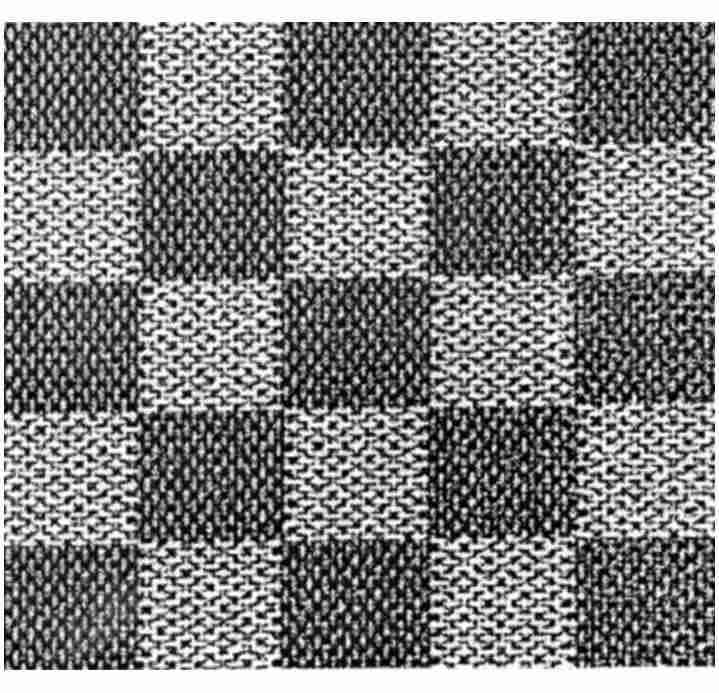
IR 952582 Damier’s pattern
In 1888, a French luggage maker Louis Vuitton began putting a canvas checkerboard print on its travel goods. A “distinctive checkered pattern of light and dark colors” named Damier meant to indicate the source of the products, which has been in use since then and “has been one of the biggest successes of Louis Vuitton,” according to the Paris-based luxury goods giant.
IR no. 952582
LOUIS VUITTON MALLETIER has owned IR no. 952582 for the Damier pattern on ‘Boxes of leather or imitation leather, trunks, suitcases, traveling sets (leather goods), traveling bags, luggage, garment bags for travel, hatboxes, vanity cases not fitted, toilet-cases, rucksacks, satchels, handbags, beach bags, shopping bags, sling bags, carrier bags, shoulder bags, waist bags, purses, cases, of leather or leatherboard: briefcases (leather goods), portfolio satchels, pochettes, wallets, change purses, key cases, card cases and holders (wallets), umbrellas, parasols’ in class 18 since 2008.
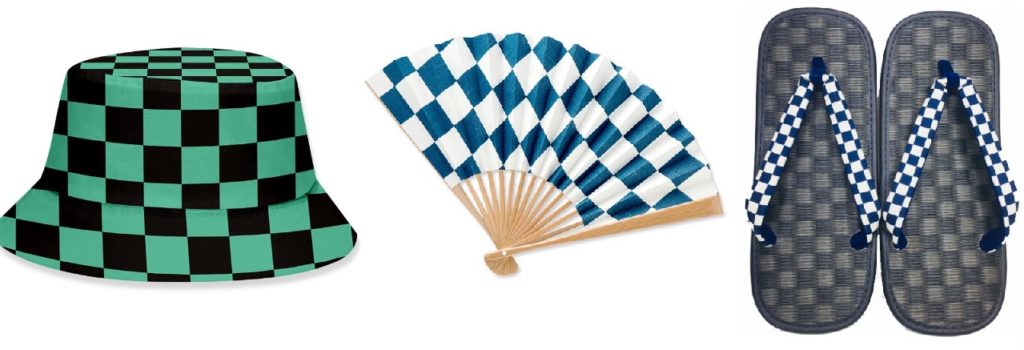
Ichimatsu Moyo (Traditional Japanese checkered pattern)
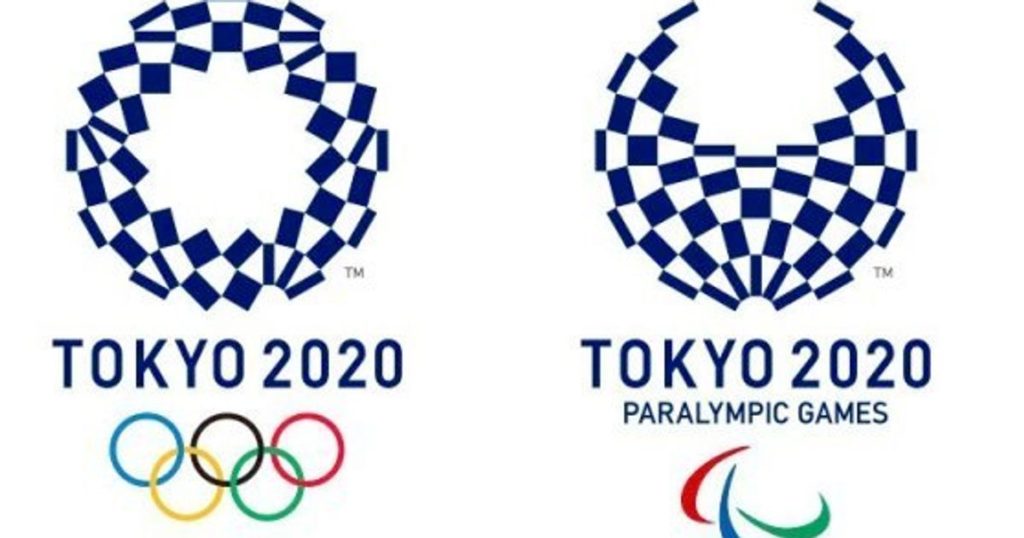
As you may remember, the logos for the Olympic and Paralympic Games Tokyo 2020 are based on Japanese checkered patterns. The stylish logo designs feature a popular checkered pattern which during the Edo period (1603-1867) was known as “Ichimatsu Moyo” and used the traditional Japanese color of indigo blue.
Because of its traditional background, the Ichimatsu patterns have been used on various goods even now.
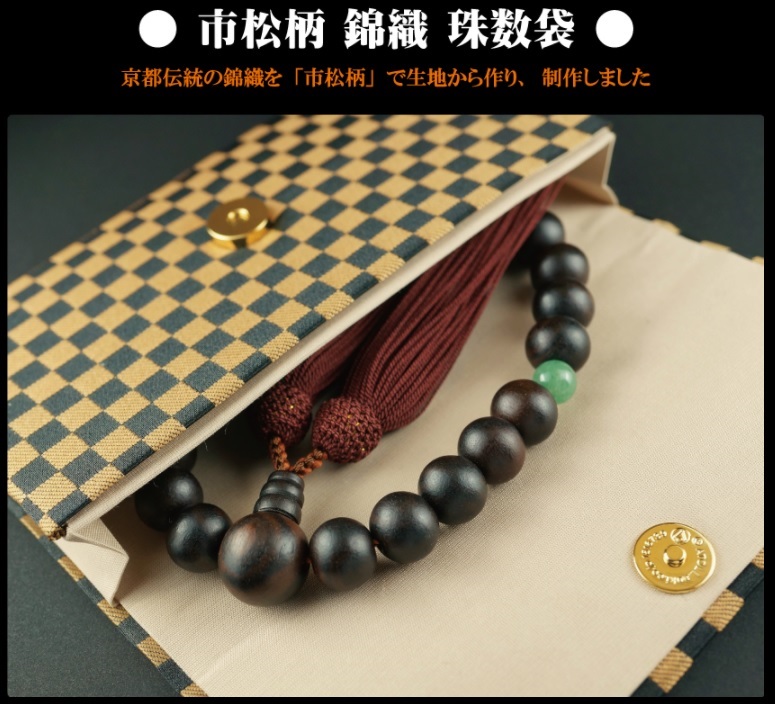
Kanbe Prayer Beads Co., Ltd., a Kyoto-based merchant, has promoted cases and pouches for prayer beads (Juzu) or stamp books to keep seals given at temples and shrines for visitors (Gosyuin-Cho) that depict checkered patterns on the outer material of respective goods.
Screen capture from https://www.kyoto-kanbejuzu.co.jp/productsichimatsu.html
In order to prevent LOUIS VUITTON from alleging trademark infringement and secure incontestable status, Kanbe Prayer Beads asked the JPO for an advisory opinion on September 4, 2020.
Advisory Opinion (Hantei)
The Japan Trademark Law has provision for the Japan Patent Office to give advisory opinions about the scope of trademark right upon request under Article 28.
Proceedings of the advisory opinion system are almost the same as invalidation trials. Upon request from either party, the JPO appoints three examiners and orders the opposite party to answer the request in writing. Board seldom holds an oral hearing to investigate the case. In general, all proceedings are based on written statements and documentary evidence.
The advisory opinion by JPO does not have a binding effect, unlike the judicial decision. Accordingly, less than 10 trademark cases have been lodged with the JPO to seek the advisory opinion annually.
JPO Opinion
On April 21, 2021, the JPO provided its advisory opinion to the case by stating that:
Article 26(1)(vi) of the Japan Trademark Law provides trademark rights shall not be enforceable against any sign that consumers are unable to recognize it as a source indicator of goods or services in question.
It is unquestionable that the checkered pattern in dispute, represented on the disputed goods overall in series, has the same pattern with Ichimatsu Moyo that has been known to the public as one of traditional Japanese patterns and motifs.
Besides, Article 3(1)(vi) of the Japan Trademark Law prohibits the registration of a trademark solely consisting of a pattern in series to be considered as background design due to a lack of distinctiveness.
If so, it is highly likely that relevant consumers at the sight of goods bearing the checkered pattern in question would just conceive of Ichimatsu Moyo, one of the traditional Japanese patterns by taking account of the fact that the goods are promoted with the word “Ichimatsu” on the advertisement.
Based on the foregoing, the Board decided the checkered pattern in dispute would not fall within the scope of LV Damier’s pattern trademark right since consumers are unable to recognize the pattern as a source indicator of the goods in question under Article 26 (1)(vi) of the Trademark Law.
The Japan Patent Office (JPO) affirmed the examiner’s refusal and decided to reject a wordmark “FS12” due to a lack of inherent distinctiveness. [Appeal case no. 2019-650019, Gazette issued date: January 29, 2021]
“FS12”
Fette Compacting GmbH filed a trademark application with the JPO via the Madrid Protocol (IR no. 1349196) for word mark “FS12” (see below) for use on goods of ‘Compression tools (parts of machines for the pharmaceutical industry, chemical industry, food industry, and metal industry) for producing pellets and tablets; die-table segments (parts of machines for the pharmaceutical industry, chemical industry, food industry, and metal industry) for rotary presses’ in class 7
Article 3(1)(v) of the Trademark Law
The JPO examiner refused the “FS12” mark in contravention of Article 3(1)(v) of the Trademark Law.
The article prohibits any mark from registering if it consists solely of a very simple and common mark.
Trademark Examination Guidelines (TEG)stipulates that a mark consisting of one or two alphabetical letters followed by a numeral, e.g. “A2”, “AB2”, is unregistrable under the article.
Followings are also enumerated as unregistrable marks under the article.
Numerals
One or two alphabetical letters, e.g. “AA”
Two alphabetical letters combined with “-” or “&”, e.g. “A-B”, “C&D”
One or two alphabetical letters accompanied by “Co.”, e.g. “AB Co.”
A numeral followed by one or two alphabetical letters, e.g. “2A”
The applicant filed an appeal against the refusal and argued distinctiveness of the “FS12” mark.
Appeal Board decision
However, the JPO Appeal Board dismissed the entire allegations and held that a mark consisting of a numeral and one or two alphabetical letters is incapable of identifying the source of the goods since the relevant public would perceive, without further thought, it to indicate a value, code, type, model or standard of the goods in question.
As a matter of fact, the Board found the combination of alphabetical letters, and a numeral is frequently used to indicate a value, code, type, model, or standard of the goods in relevant industries.
Given the mark “FS12” consists of two alphabetical letters and two digits written in regular font, the Board considers it is unlikely to play a role of source indicator and shall be unregistrable in contravention of Article 3(1)(v) of the Trademark Law.
To my knowledge, “FS12” would be mostly considered distinctive in other jurisdictions. Please be noted that a combination of one or two alphabetical letters and the numeral is deemed descriptive in relation to any kind of goods in Japan. To register such a mark, it is required to add a descriptive element or demonstrate acquired distinctiveness as a result of substantial use in Japan.
The Japan Patent Office (JPO) overturned the examiner’s refusal and decided to register the “El Clasico” mark in connection with sporting activities, production of sports events, sports information services, and other services of class 41 by finding the term shall not be recognized as football matches between FC Barcelona and Real Madrid C.F. [Appeal case no. 2019-650060, Gazette issued date: October 30, 2020]
El Clasico
“El Clasico” is a magical phrase to make football fans passionate, emotional, and excited. The meaning of El Clasico is the Spanish name that is given to any football match between fierce Spanish rivals Real Madrid and Barcelona FC. The literal translation of El Clasico is ‘The Classic’. According to the Cambridge Dictionary, “El Clasico” is defined as ‘any of the games played between the football teams Real Madrid and Barcelona’. Being that this rivalry can be dated back to the 1930s and ever since then, it is one of the most viewed annual sporting events.
Liga Nacional de Fútbol Profesional, the administrator of the Spanish football league, aka LaLiga, applied for registration of the “El Clasico” mark (see below) in relation to sporting activities, production of sports events, sports information services, and other services of class 41 via the Madrid Protocol (IR No. 1379292).
On August 15, 2019, the JPO examiner refused the applied mark due to a lack of distinctiveness in contravention of Article 3(1)(iii) of the Trademark Law. Examiner asserted that the term “El Clasico” gets to be known as football matches between FC Barcelona and Real Madrid C.F. If so, relevant consumers would conceive that services bearing the applied mark just relate to football matches between two teams. In this respect, the applied mark shall not be registrable based on Article 4(1)(xvi) as well since the consumers would mistake its nature when used on service unrelated to football matches between two teams.
LaLiga filed an appeal against the refusal
on November 15, 2019.
JPO Appeal Board’s decision
The Appeal Board overturned the examiner’s decision by stating that relevant consumers and traders at the sight of the applied mark are unlikely to see the mark to represent football matches between indicate FC Barcelona and Real Madrid C.F. immediately when used on services in question.
Taking into account less familiarity with the Spanish language among relevant consumers in Japan and the literal meaning of ‘The Classic’, the Board found the term “El Clasico” would be conceived as a coined word in its entirety. Furthermore, the Board could not identify any fact that the term is commonly used to represent a specific nature or quality in connection with the services in question.
Based on the foregoing, the Board concluded
the refusal shall be disaffirmed since the examiner erroneously found the applied
mark “El Clasico”.