Top 10 Trademark News in Japan, 2025

As the year 2025 comes to an end, it is a good time to share the top 10 trademark news in Japan by counting the total number of likes on the Linkedin “Like” Button.


1: JPO Grants TM Registration for 3D Shape of the Popular Pocky Cookie

The Japan Patent Office (JPO) granted trademark registration for the three-dimensional (3D) shape of Ezaki Glico’s iconic “Pocky” cookie, recognizing that the shape had acquired distinctiveness in relation to chocolate confections in Class 30 [TM Reg. No. 6951539].


2: UNIQLO Lost in Trademark Opposition against UNIPRO

UNIQLO lost in its attempt to oppose TM Reg no. 6746724 for the mark “UNIPRO” in class 28 due to dissimilarity and unlikelihood of confusion with a world-famous Japanese clothing brand “UNIQLO”.


3: STARBUCKS Unsuccessful Invalidation Action against Trademark “STARBOSS”

The Japan Patent Office (JPO) dismissed an invalidation action claimed by Starbucks Inc. against TM Reg no. 6595964 for wordmark “STARBOSS” in class 32 due to dissimilarity to and unlikelihood of confusion with the world’s largest coffee chain “STARBUCKS”.


4: IP High Court ruling: STARBUCKS vs STARBOSS

The Japan IP High Court did not side with Starbucks Corporation in a trademark dispute between “STARBUCKS” and “STARBOSS”, and affirmed the JPO decision that found “STARBOSS” dissimilar to, and less likelihood of confusion with “STARBUCKS when used on beverages.


5: Trademark dispute: SONY vs SONIMART

The Japan Patent Office (JPO) sided with SONY in a trademark invalidation action against TM Reg no. 6162062 for word mark “SONIMARK” in classes 35 and 42 by finding a likelihood of confusion with famous mark “SONY”.


6: MONSTER STRIKE vs MONSTER ENERGY

The Japan Patent Office (JPO) did not decide in favour of Monster Energy Company in its opposition to Defensive Mark Reg. No. 5673517 for the word mark “MONSTER STRIKE” in Classes 29, 30, and 32.


7: YONEX Scored Win in Registering Color mark

On October 21, 2025, the Japan Patent Office (JPO) granted registration of a color mark that consists of blue and green colors, filed by Yonex Co., Ltd. to use on badminton shuttlecocks by finding acquired distinctiveness of the color combination.


8: HERMES Defeated with Trademark Opposition against KIMONO TWILLY

The Japan Patent Office (JPO) dismissed an opposition filed by Hermes International against TM Reg no. 6753650 for the word mark “KIMONO TWILLY” in Class 18, claiming a likelihood of confusion with the Hermes scarves “TWILLY”.


9: JPO Said No to Register Kawasaki Green Color Mark

On March 19, 2025, the Japan Patent Office (JPO) finally decided to reject a color mark application filed a decade ago by Kawasaki Heavy Industries, Ltd., which sought to register a green color used on the world-famous Kawasaki motorcycles.


10: TOMMY HILFIGER vs TOMTOMMY

The Japan Patent Office (JPO) did not side with Tommy Hilfiger Licensing B.V. in an opposition against TM Reg no. 6604265 “TOMTOMMY” due to dissimilarity and unlikelihood of confusion with “TOMMY” and “TOMMY HILFIGER”.

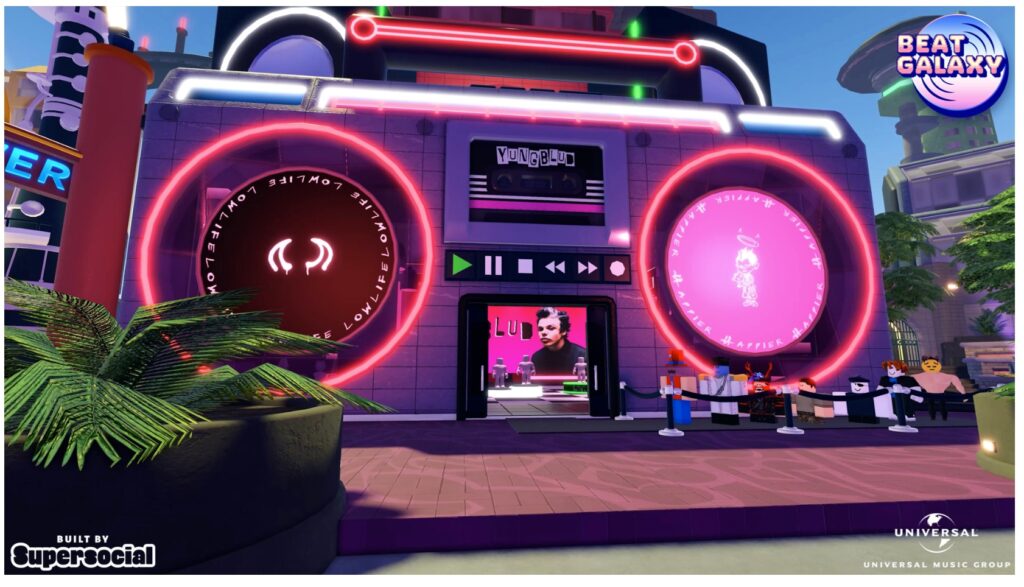
Samsung Unsuccessful in Trademark Opposition against BEAT GALAXY

The Japan Patent Office (JPO) did not side with Samsung, the South Korean tech giant, in a trademark opposition against TM Reg no. 6895229 for word mark “BEAT GALAXY” in Class 9 by finding a low degree of similarity to and less likelihood of confusion with the mark “GALAXY” even when used on PDA, mobile phones.
[Opposition case no. 2025-900084, decided on December 2, 2025]


BEAT GALAXY

UMG Recordings Inc. filed a trademark application for the wordmark “BEAT GALAXY” in standard character with the JPO on November 13, 2023, for use on PDA, mobile phones, computers, computer software, audio files and other goods in Class 9 [TM App no. 2023-129205].

The JPO examiner granted protection of the mark on February 4, 2025.

Subsequently, it was published for a post-grant opposition on February 20, 2025.


Opposition by Samsung

Samsung, a South Korean tech giant, filed an opposition against the mark “BEAT GALAXY” on April 18, 2025, and claimed cancellation of the contested mark in contravention of Article 4(1)(vii), (x), (xi), (xv), and (xix) of the Japan Trademark Law by citing their earlier mark “GALAXY”.

Samsung argued the contested mark “BEAT GALAXY” is similar to the cited mark, and conveys a negative impression of defeating Samsung’s Galaxy. Thus, the contested mark detrimentally affects the goodwill of the cited mark. Relevant consumers are likely to associate the contested mark with Samsung.


JPO decision

The JPO Opposition Board found that the cited mark “GALAXY” has been widely recognised as an indicator of Samsung’s business.

In the meantime, the Board denied similarity between “BEAT GALAXY” and “GALAXY” by stating that:

The contested mark and the cited mark differ in the presence of the word “BEAT” at the beginning of the contested mark. Therefore, even when assessed in a different time and place, there is no likelihood of confusion in appearance.

Secondly, the different sound caused by the word “Beat” at the beginning of the contested mark significantly affects the overall aural impression. As both sounds are distinguishable as a whole, there is no likelihood of confusion in pronunciation.

As for concept, while the contested mark does not have any specific concept, the cited mark gives rise to a meaning of a collection of stars and planets that are held together by gravity. Accordingly, both marks are neutral in concept.

Based on the foregoing, the Board noted that, even though the goods in question are highly related to Samsung’s business, in view of a low degree of similarity and originality of the cited mark, it is reasonable to conclude that relevant consumers are unlikely to confuse a source of goods bearing the contested mark with Samsung or any undertaking economically or systematically connected with the claimant.

Consequently, the Board decided to dismiss the entire opposition.

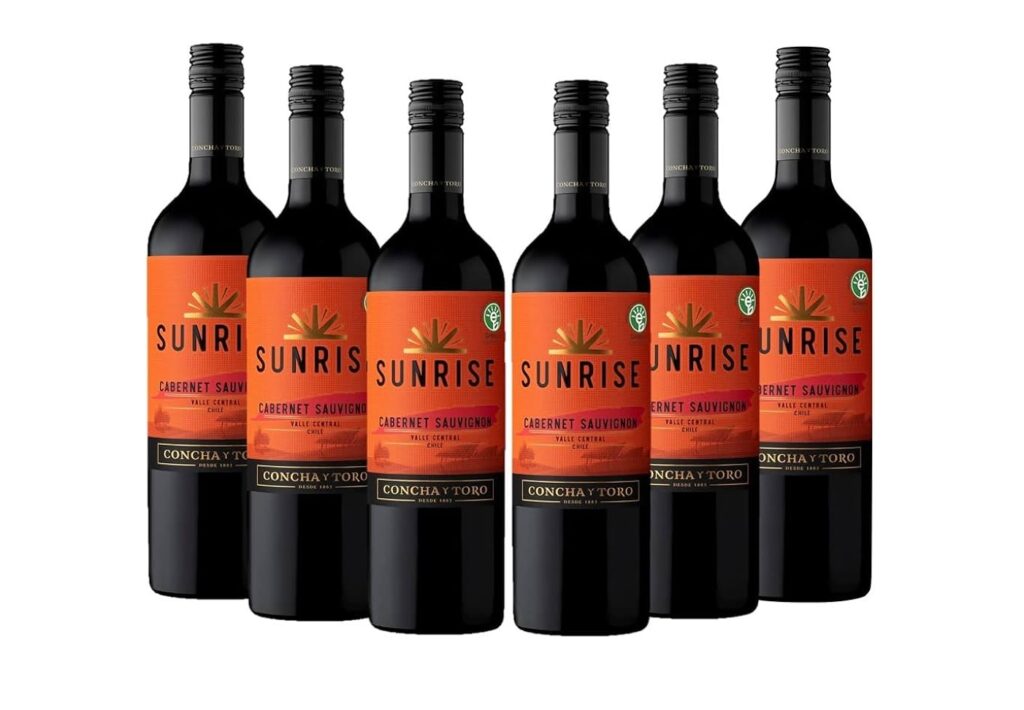
Trademark dispute: SUNRISE vs KILLER SUNRISE

In a recent trademark dispute between “SUNRISE” and “KILLER SUNRISE”, the Japan Patent Office (JPO) found both marks dissimilar and non-confusable for wines and alcoholic beverages.
[Opposition case no. 2025-900010, decided on November 4, 2025]


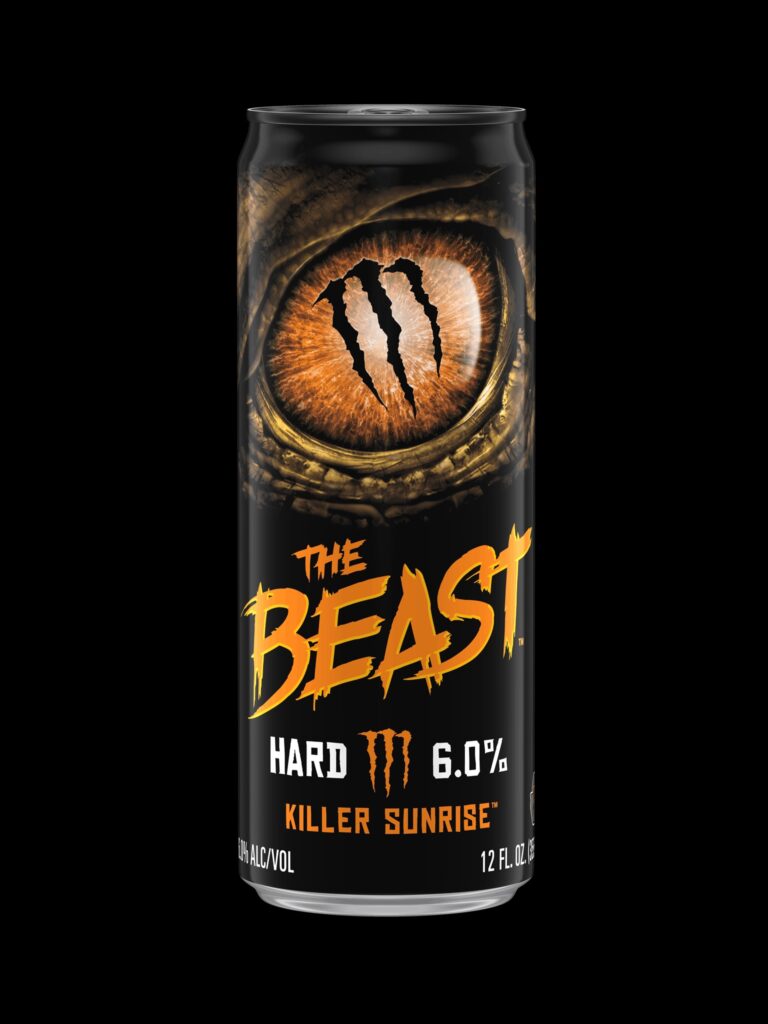
KILLER SUNRISE

Monster Brewing LLC filed a trademark application for the word mark “KILLER SUNRISE” in standard character with the JPO for use on alcoholic beverages, except beer of Class 33 on June 7, 2024 [TM App no. 2024-61229].

The JPO examiner, without raising any grounds for refusal, granted registration of the mark on October 16, 2024. Subsequently, it was registered on November 6, 2024, and published in the JPO official gazette on November 14, 2024, for a post-grant opposition.


Opposition by Viña Concha y Toro

On January 8, 2025, Viña Concha y Toro S.A., the main Latin American wine producer, filed an opposition against the mark “KILLER SUNRISE” by citing their earlier TM Reg no. 4208026 for the word mark “SUNRISE” that has been used on Chilean wine.

Viña Concha y Toro argued that the cited mark has become famous to indicate the origin of their Chilean wines as a result of extensive use for three decades.

Relevant consumers will recognise the contested mark be composed of “KILLER” and “SUNRISE” in appearance and concept. As the term “KILLER” has an adjective meaning of ‘strikingly impressive or effective’ that appears to be less distinctive, the literal element “SUNRISE” would be a dominant portion of the contested mark. Since the dominant portion is identical to the cited mark, the contested mark should be considered similar to the cited mark. In view of a high degree of similarity between the marks and a highly-recognised “SUNRISE” Chilean wine, relevant consumers and traders would confuse the goods in question with the contested mark comes from the same undertaking or from an economically linked undertaking. Accordingly, the contested mark should be cancelled in contravention of Article 4(1)(xi) and (xv) of the Japan Trademark Law.


JPO Decision

The JPO Opposition Board observed that the evidence shows the cited mark was used in connection with wine and its advertising. However, it did not demonstrate the sales amount, market share, and advertising expenditure of the SUNRISE wine. Based on this finding, the Board noted that the evidence was insufficient and unpersuasive to demonstrate a high degree of recognition and reputation for the cited mark, “SUNRISE”.

Regarding the similarity of the marks, the Board stated that the marks are distinguishable in appearance and sound due to the presence of the term “KILLER.” The contested mark does not convey any specific meaning. Meanwhile, the cited mark has a concept of ‘the apparent rising of the sun above the horizon.’ Therefore, the conceptual comparison does not impact the finding of similarity between the marks.

Accordingly, the Board has a reason to believe that the contested mark is dissimilar to the cited mark.

Given that the cited mark is not famous, according to the evidence, and the low degree of similarity between the marks, relevant consumers are unlikely to confuse the source of goods in question bearing the contested mark with the cited mark.

Based on the foregoing, the Board dismissed the opposition entirely and found that the contested mark should not be subject to cancellation under Article 4(1)(xi) and (xv) of the Japan Trademark Law.

IP High Court ruling: STARBUCKS vs STARBOSS

The Japan IP High Court did not side with Starbucks Corporation in a trademark dispute between “STARBUCKS” and “STARBOSS” and affirmed the JPO decision that found “STARBOSS” dissimilar to, and less likelihood of confusion with “STARBUCKS when used on beverages.
[Court case no. Reiwa7(Gyo-ke)10036, ruled on October 20, 2025]


STARBOSS

Kenkoman Co., Ltd. filed a trademark application for a wordmark “STARBOSS” in standard character for use on beer, carbonated drinks [refreshing beverages], fruit juices, vegetable juices [beverages], extracts of hops for making beer, whey beverages in class 32 with the JPO on January 25, 2022 (TM App no. 2022-13707).

The JPO examiner granted registration of the applied mark on June 24, 2022, without issuing any office action (TM Reg no. 6595964).

The applicant promotes energy drinks bearing the applied mark.


JPO decision against the invalidation filed by Starbucks

Starbucks Corporation requested a declaration of invalidity against the applied mark with the JPO in contravention of Article 4(1)(xi) and (xv) of the Trademark Law on April 28, 2023.

Starbucks argued that the mark “STARBOSS” is confusingly similar to the earlier mark “STARBUCKS” that has been consecutively registered in class 32 since 1989 because the difference of the letter, “OS” and “UCK” in the middle of respective marks, would not overwhelm the entire similarity in appearance and concept.

Besides, consumers of the goods in question mostly overlap with coffee shop. Taking into consideration a remarkable degree of popularity and reputation of the mark “STARBUCKS” among the general public in Japan, relevant consumers at the sight of beverages bearing the contested mark would pay much attention to the prefix portion starting with “STARB” and associate it with STARBUCKS, and thus consider the goods originating from a business entity economically or systematically connected with Starbucks.

However, the JPO Invalidation Board did not question a high degree of recognition of the mark “STARBUCKS” to indicate a source of coffee chain managed by Starbucks.

In the meantime, the Board found both marks dissimilar by stating that:

“Comparing with appearance, both marks start with “STARB” and end with “S”. But there is a difference between the letters “OS” and “UCK” in the middle of respective mark. This difference would have a material effect on the visual impression of two marks that consist of eight or nine alphabet letters. Thus, both marks are clearly distinguishable in appearance.

Aurally, relevant consumers can distinguish “STARBOSS” from “STURBUCKS” because the enunciation of “BO” and “BUCK” in the middle of respective marks is pronounced in a strong tone and accordingly has a material impact on the overall sound.

A conceptual comparison is neutral as neither “STARBOSS” nor “STARBUCKS” has any clear meaning.

Based on the above findings, the Board has a reason to believe that the contested mark “STARBOSS” is dissimilar to the mark “STARBUCKS” by considering the impression, memory, and association conveyed to the consumers overall.”

Given the low degree of similarity between “STARBOSS” and “STARBUCKS”, relevant consumers with ordinary care are unlikely to confuse a source of goods in question bearing the contested mark with Starbucks or any business entity economically or systematically connected with the claimant.

Consequently, the Board dismissed the invalidation action by Starbucks on December 17, 2024.

Starbucks filed an appeal to the IP High Court and argued that the contested mark is similar to the earlier mark “STARBUCKS”, and relevant consumers are likely to confuse the source of goods in question with Starbucks.


IP High Court Ruling

In the court decision dated October 20, 2025, the IP High Court stated as follows.

1. Similarity of the marks

– Visual comparison

Though both marks start with the letters “STARB” and end with “S” in common, they contain different letters ‘OS’ and “UCK” around the middle. Given their relatively short configuration of eight or nine alphabet letters, this difference enables the marks to be distinguishable. Considering that the letters of both marks are inextricably combined as a whole, and thus the relevant consumers would never consider the “STARB” portion as a dominant element for identifying the source of goods bearing the contested mark.

– Aural comparison

Though both marks have the same sound starting with “star” and ending with “su” in common, their pronunciations differ in the sound of ‘bo’ and “back” around the middle. Due to the difference, both sounds are sufficiently distinguishable, given a relatively short sound configuration.

– Conceptual comparison

The cited mark gives rise to a meaning of “Starbucks coffee chain.” Since the contested mark does not have any specific meaning, both marks are easily distinguishable in concept. Furthermore, there is no circumstantial evidence to support that relevant consumers would associate the terms beginning with “STARB” with Starbucks or their business. Therefore, it would be unreasonable to find that the literal portion “STARB” of the contested mark causes a conceptual connection with Starbucks.

2. Likelihood of confusion

Based on the low degree of similarity between “STARBOSS” and “STARBUCKS”, and the lack of evidence to demonstrate actual use of a mark starting with “STARB” other than “STARBUCKS” by Plaintiff, from the provided evidence at record, the court found no rational basis to believe that relevant consumers confuse the origin of goods in question bearing the contested mark with Starbucks.

ALVIERO MARTINI Defeated Over World Map Mark Dispute

The Japan Patent Office (JPO) dismissed an invalidation claim by ALVIERO MARTINI S.p.A., against TM Reg no. 6320074, which features an old-world map design, due to its dissimilarity and less likelihood of confusion with the claimant’s 1A CLASSE “GEO MAP” mark.
[Invalidation case no. 2024-890008, decided on September 18, 2025]


Japan TM Reg no. 6320074

Two Korean individuals filed a trademark application with the JPO for a device mark depicting an old-world map (see below) in relation to bags and other leather goods of Class 18 on December 24, 2019 [TM App no. 2019-165453].

Without raising any ground of refusal, the JPO examiner granted registration of the mark on December 24, 2020.


Invalidation action by Alviero Martini

ALVIERO MARTINI S.p.A., known as an Italian heritage brand, Alviero Martini 1A Classe, filed an invalidation action with the JPO on February 13, 2024, and claimed invalidation of TM Reg no. 6320074 in contravention of Article 4(1)(vii), (xi), (xv) and (xix) of the Japan Trademark Law by citing earlier IR no. 982100 of the world map mark in Class 18.

ALVIERO MARTINI argued the contested mark is confusingly similar to the cited mark that has been widely recognized among relevant consumers to identify a source of Alviero Martini 1A CLASSE brand.

The claimant also pointed out the fact that the applicant applied for other mark containing the term “PRIMA CLASSE” (see below). Given a high degree of resemblance between the marks and close relatedness between the goods in question and the claimant’s fashion business, it is presumed that the applicant had maliciously filed the contested mark with an intention to free-ride goodwill on the cited mark.


JPO decision

The JPO Invalidation Board noted the fact that the cited mark has been used in a manner that depicts only a portion of the world map on the claimant’s goods. The produced evidence does not suggest that the cited mark is ever used in its entirety as a source indicator.

Therefore, it would be unreasonable to conclude that the cited mark has acquired a certain degree of recognition in Japan and other jurisdictions.

Regarding the similarity of the marks, the Board stated, “Although they both consist of a device that represents a world map in common, the overall impressions differ significantly due to the different arrangement of continents, the presence of country and ocean names, and sailing ships. Therefore, the contested mark is visually dissimilar to the cited mark”, and “the coincidence in the graphic element representing world map is not sufficient to counteract or outbalance these visual differences.”

Based on the foregoing, the Board found that the marks are dissimilar and relevant consumers are unlikely to confuse the source of the goods in question bearing the contested mark with the cited owner.

Given the lack of persuasive evidence demonstrating a high recognition of the cited mark, it is unclear whether the applicant has a malicious intent vulnerable to invalidation.

CHEMICAN vs CHEMI-CON

In a trademark opposition against Japan TM Reg no. 6894070 “Chemican” in Class 9, which disputed the similarity and a likelihood of confusion with the earlier mark “CHEMI-CON”, the Japan Patent Office (JPO) did not sustain the opposition due to the marks’ low degree of similarity even though the earlier mark to be famous in relation to aluminum electrolytic capacitors.
[Opposition case no. 2025-900082, decided on September 11, 2025]


CHEMICAN

Chemican, Inc. filed a trademark application for wordmark “Chemican” in standard character for use on various electrical and electronic goods, including capacitors of Class 9 with the JPO on December 9, 2024. [TM App no. 2024-132131]

Immediately after the filing, the applicant requested for accelerated examination.

Without raising any grounds for refusal, the JPO examiner granted protection of the mark on February 3, 2025. The mark “Chemican” was subsequently registered on February 6, 2025, and published for post-grant opposition on February 17.


Opposition by Nippon Chemi-Con Corporation

Nippon Chemi-Con Corporation, the largest manufacturer and supplier of aluminum electrolytic capacitors, has owned trademark registrations for the mark “CHEMI-CON” in Class 9 since 1984.

On April 16, 2025, Nippon Chemi-Con filed an opposition, disputing that the contested mark should be canceled in contravention of Article 4(1)(xi) and (xv) of the Japan Trademark Law.

Nippon Chemi-Con allegedly argued that the cited mark “CHEMI-CON” has become famous among relevant consumers of the goods in question, indicating a source of their aluminum electrolytic capacitors, which hold a top market share worldwide. The contested mark “Chemican” is confusingly similar to the cited mark “CHEMI-CON” in appearance and sound.


JPO decision

The JPO Opposition Board found that the cited mark has become famous as an indicator of the claimant’s aluminum electrolytic capacitors, considering the evidence and the claimant’s top-ranked global market share.  

However, the Board questioned the similarity of the marks by stating that:

  1. Although both marks have the initial element “Chemi” and “CHEMI” in common, there are several differences: (i) a hyphen; (ii) “a” in “can” and “O” in “CON”; and (iii) the contested mark consists of lowercase letters except for the initial letter “C”, whereas the cited mark is entirely uppercase. Moreover, the cited mark can be recognized as a combination of the familiar English word “CHEMI,” meaning “chemical,” and the term “CON” via a hyphen. Therefore, the cited mark gives a different commercial impression than the contested mark. Accordingly, the two marks are clearly distinguishable in appearance.
  2. The two marks’ pronunciations differ in the third sound, with “ka” and “ko,” respectively. Bearing in mind that these sounds come just before the weak sound “n” at the end and  that the overall sound structure consists of only four syllables, the two marks differ significantly in sound and appearance. Thus, the overall intonation and impression of these marks differ significantly, enabling clear distinction.
  3. A conceptual comparison is neutral, as neither mark has a clear meaning.

Based on the foregoing, the Board found that the contested mark is dissimilar to the cited mark, so it should not be vulnerable to cancellation based on Article 4(1)(xi).

Due to the low degree of similarity between the marks, the Board stated that relevant consumers are unlikely to confuse the source of the goods at question bearing the contested mark with the claimant, even if the cited mark is famous among consumers. For this reason, the Board dismissed the entire opposition.

JPO Decision: KATSEYE is Dissimilar to CAT’S EYE for Watches

The Japan Patent Office (JPO) dismissed an opposition filed by Sowind S.A. against TM Reg no. 6876057 for word mark “KATSEYE” who claimed its cancellation based on earlier IR no. 1056129 for word mark “CAT’S EYE” by finding dissimilarity between the marks.
[Opposition case no. 2025-900048, decided on August 15, 2025]


KATSEYE

HYBE UMG LLC, American record company jointly founded by South Korean entertainment company, HYBE and Universal Music Group (UMG), filed a trademark application for word mark “KATSEYE” in standard character for use on various goods and services in Classes 9, 14, 16, 18, 25, 28, 41, and 42, including watches (cl. 14) with the JPO on May 15, 2024 [TM App no. 2024-51239].

The JPO examiner granted registration of the mark on Decem 3, 2024, and published it for a post-grant opposition on December 23, 2024.


CAT’S EYE

Sowind S.A. filed an opposition on February 25, 2025 by citing earlier IR no. 1056129 for word mark “CAT’S EYE” in standard character for use on watches which do not contain chrysoberyl cat’s eyes in Class 14.

Sowind S.A. argued the contested mark should be cancelled in contravention of Article 4(1)(xi) of the Japan Trademark Law on the ground that the contested mark “KATSEYE” is confusingly similar to the cited mark “CAT’S EYE” from visual, phonetic and conceptual points of view, and the goods designated under the contested mark in Class 14 is identical or similar to watches.


JPO Decision

The JPO Opposition Board assessed similarity of the marks and found that the contested mark is dissimilar to the cited mark by stating that:

The term “KATSEYE” does not appear in ordinary dictionaries and no circumstances have been identified indicating that it is recognized as having a specific meaning, it shall be perceived as a coined word that does not give rise to any particular concept.

With respect to coined words that lack a specific meaning, it is customary to be pronounced in accordance with commonly accepted English or Romanized readings. Accordingly, the contested mark, consistent with its composition, will be pronounced as “KATSU-AI” or “CATS-EYE” and has no specific meaning.

As the term “CAT’S EYE” bears the meaning of “chrysoberyl (cat’s eye),” the cited mark, in accordance with its composition, will be pronounced as “CATS-EYE” and gives rise to the concept of a “cat’s eye (gemstone).”

The contested mark and the cited mark, each consisting of no more than seven or eight letters, are clearly distinguishable in appearance by reason of the difference between the initial letter “K” and “C” and the presence or absence of an apostrophe (“’”) in the middle of the word.

When the contested mark is pronounced as “CATS-EYE”, both marks are identical in sound.

In comparing the sound “KATS-EYE” of the contested mark with the sound “CATS-EYE”, since both consist of only five syllables, the difference between the initial sounds “KA” and “KYA” exerts a non-negligible influence upon the overall pronunciation, whereby the two marks can be clearly distinguished in sound.

Further, while the contested mark does not give rise to any particular concept, the cited mark gives rise to the concept of a “cat’s eye (gemstone).” Accordingly, the two marks are not likely to be confused in concept.

In consequence, even if there is a case that the two marks can be identically pronounced, they are unlikely to be confused in appearance and concept. When the contested mark is pronounced as “KATSU-AI”, the two marks are sufficiently distinguishable in appearance, pronunciation, or concept. Therefore, taking into a global consideration commercial impression, memory, and association given to traders and consumers through their appearance, concept, and pronunciation, the contested mark and the cited mark are dissimilar and unlikely to cause confusion.

Based on the foregoing, the Board decided to dismiss the entire opposition.

JPO dismisses Honda’s opposition against “WONKEY” mark for motorcycles

The Japan Patent Office (JPO) dismissed an opposition filed by Honda Motor Co., Ltd. against TM Reg No. 6852662 for the word mark “WONKEY” in Class 12, finding no similarity or likelihood of confusion with Honda’s well-known “MONKEY” bikes.
[Opposition Case No. 2024-900262, decided July 15, 2025]


The Contested Mark: “WONKEY”

The opposed mark, consisting of the stylized word “WONKEY” in bold font (see below), was filed by Diner Co., Ltd. on February 26, 2024, for use on motorcycles, electrically operated scooters, and electric bicycles in Class 12 [TM App. No. 2024-18623].

The applicant promotes “WONKEY” motorized bicycles that may be driven by persons over 16 years of age without a driver’s license.

The JPO granted registration on October 9, 2024 [TM Reg. No. 6852662], and published it for post-grant opposition on October 18, 2024.


Honda’s Opposition

On December 17, 2024, Honda filed an opposition, seeking cancellation under Article 4(1)(vii), (x), (xi), (xv), and (xix) of the Trademark Law, relying on its earlier Trademark Registration No. 2512844 for the stylized word mark “MONKEY” in Class 12.

Honda argued that “WONKEY” is visually similar to “MONKEY,” emphasizing that:

“Of the six letters, five (‘onkey’) are identical in type, spelling, and sequence. The only difference lies in the initial letters ‘w’ and ‘m,’ which themselves share similar forms composed of two v-shaped or u-shaped strokes. At first glance, the two letters appear alike, and thus the marks as a whole create a closely similar impression, rendering them confusingly similar in appearance.”

To support its case, Honda submitted extensive evidence demonstrating the fame of its “Monkey” bikes, which have been marketed since 1961.


The JPO’s Decision

The Opposition Board acknowledged the widespread recognition of Honda’s “Monkey” bikes among relevant consumers at the time of application and registration of the contested mark.

Nevertheless, the Board denied similarity between the marks. In particular, it reasoned that:

  • The contested mark “WONKEY” does not generate any specific concept.
  • The cited mark “MONKEY,” by contrast, is a well-known word in Japan with the meaning “monkey,” giving rise to both the pronunciation “monkey” and the concept of “monkey.”
  • While the two marks share all letters and sounds except for their initial characters (“w” vs. “m”; “wo” vs. “mo”), both are short (six letters and four sounds). Accordingly, the initial differences exert a significant impact on the overall appearance and pronunciation.
  • Coupled with the concept of “monkey” derived from the cited mark, these differences lead to a clear distinction in the overall impressions, memories, and associations conveyed to consumers.

The Board concluded that, given the low degree of similarity, relevant consumers were unlikely to confuse the source of the contested goods in Class 12 with Honda or any economically or organizationally related entity.

Based on the above findings, the JPO dismissed the opposition in its entirety and upheld the validity of the contested mark “WONKEY.”

UNDER ARMOUR Unsuccessful Challenge in Trademark Opposition against AROUMRIN

The Japan Patent Office (JPO) dismissed the opposition filed by Under Armour, Inc. against TM Reg no. 6839569 for the stylized mark “ARMOURIN” in Classes 25 and 28 due to dissimilarity to and unlikelihood of confusion with earlier registrations for the mark “UNDER ARMOUR”.
[Opposition case no. 2024-900229, decided on July 2, 2025]


ARMOURIN

The contested mark (see below) was filed by AMH LO INC., a U.S. company, in connection with apparel and footwear, including golf shoes, in Class 25; and sporting articles, inter alia golf clubs, golf equipment, in Class 28, with the JPO on December 26, 2023 [TM App no. 2023-143646].

The JPO examiner, as a result of substantive examination, granted protection of the mark on August 6, 2024 without issuing an office action.

After registration, the mark was published in the gazette for a post-grant opposition on September 9, 2024.


Opposition by Under Armour

Under Armour, Inc., a U.S. sports apparel company, filed an opposition against the mark “ARMOURIN” with the JPO on November 8, 2024, and claimed cancellation based on Article 4(1)(xi) and (xv) of the Japan Trademark Law due to the similarity to and likelihood of confusion with their earlier registrations for the word mark “UNDER ARMOUR”.

Under Armour argued the contested mark contains the term “ARMOUR” that has become famous among relevant consumers of the goods in question and played a prominent role in identifying a commercial source of the goods bearing the cited mark. Therefore, the contested mark should be considered similar to the cited mark “UNDER ARMOUR” and likely to cause confusion with the opposer’s business when used on the goods in question.


The JPO decision

Article 4(1)(xi) – Similarity of mark

The JPO Opposition Board found that the contested mark does not give rise to any specific meaning as a whole.

Regarding the cited mark “UNDER ARMOUR”, the Board observed that there is reason to dissect the term “UNDER” and “ARMOUR” into individual parts from visual and conceptual points of view.

Global assessment suggests there is no similarity in appearance and sound. Besides, a conceptual comparison is neutral as neither the contested mark nor the cited mark has a clear meaning. Therefore, the marks are dissimilar, even if the goods in question are the same as those cited, by taking account of the overall impression, memory, and association created in the minds of relevant consumers.

Article 4(1)(xv) – Likelihood of confusion

The Board negated a famousness of the cited mark “UNDER ARMOUR” because the opposer failed to provide sufficient objective evidence of actual sales amount and advertising in Japan.

Bearing in mind that the contested mark has a low degree of similarity to the cited mark, there is no reason to believe that relevant consumers will confuse the source of the goods in question bearing the contested mark with Under Armour, the Board noted.

In the light of the foregoing, the Board dismissed the opposition and declared the contested mark valid as status quo.

Trademark Battle Over Swiss Flag-Like Cross Design

On July 9, 2025, to a lawsuit brought by Wenger S.A., which claimed the backpacks bearing a cross-design mark imported by TravelPlus International constituted trademark infringement of IR no. 1002196, the Tokyo District Court found the defendant not liable due to the dissimilarity of the marks.
[Court case nos. Reiwa6(wa)70635]


WENGER

Wenger, the Swiss company, has owned international registration no. 1002196 for the cross mark (see below) for use on backpacks of class 18 and others goods in Japan since November 5, 2010.


SWISSWIN

Goichimaru Co., Ltd. (defendant) has been selling “SWISSWIN” brand backpacks, imported by TravelPlus International (TI), adorned with a logo resembling the Swiss flag (see below), via online shopping sites in Japan since January 11, 2024.

Wenger filed a lawsuit in the Tokyo District Court and sought a permanent injunction against the infringing goods and their destruction, pursuant to Article 36(1) and (2) of the Japan Trademark Law. Wenger claimed that the defendant’s sale of the backpacks infringed on the plaintiff’s trademark right.


Tokyo District Court ruling

The judge found that both marks have a wide cross-design surrounded by roughly square shapes. Since these relate to the basic configuration of respective mark, it will give traders and consumers the impression that they are similar.

On the other hand, the differences listed below give the Plaintiff’s mark a flat and simple, while the Defendant’s mark gives a more substantial and complex impression. In addition, the color of the Defendant’s mark is not monotone, which gives an overall different impression from the color of the Plaintiff’s mark. These differences outweigh the impression of similarity derived from the above common features, and thus there is a significant difference in the appearance between the Plaintiff’s mark and the Defendant’s mark.

1. Whether the outer edges are straight or curved
2. The presence or absence of connecting rods between the cross and the outer edges
3. Differences in the width of the outer edges
4. The outer edges, cross, and support rods are embossed
5. The outer edges have raised and recessed corners
6. Differences in the colors of the outer edges and cross (white and silver)
7. Differences in the background colors (black and red)

Therefore, the court opines that the appearance of the plaintiff’s and defendant’s marks give different impressions to traders and consumers; thus, both marks are visually distinguishable.

Accordingly, the fact that the Plaintiff’s and Defendant’s marks have the same concept and sound would not be significant to traders and consumers, as the aforementioned differences in appearance outweigh the coincidence of the concept and pronunciation.

Based on the foregoing, even if both marks are used on the same bags, the court cannot find a reason to consider that the defendant’s mark likely to cause confusion with bags bearing the plaintiff’s mark.