Straight Wings Emblem Trademark Battle

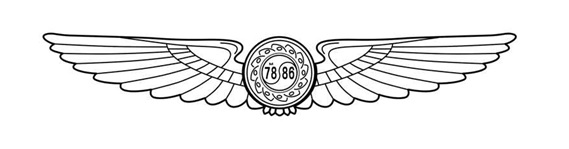
In a recent trademark decision regarding straight wings emblem on automobiles, the Opposition Board of Japan Patent Office (JPO) dismissed an opposition filed by BENTLEY MOTORS LIMITED and ASTON MARTIN LAGONDA LIMITED against trademark registration no. 5962270 for a combined mark consisting of “M78 86” and straight wings device due to unlikelihood of confusion.
[Opposition case no. 2017-900293, Gazette issued date: May 17, 2018]

TM registration no. 5962270

Disputed mark (see below) was applied for registration on December 8, 2016 by designating automobiles and other goods in class 12.

Tsubuyara Productions CO., Ltd, a Japanese company, famous for the creator of Ultraman (Japanese Superhero) is a co-applicant of disputed mark.
A month after the filing, during the Press Conference held at Tokyo Auto Salon 2017, Toyota’s new M78 x 86 concept car was unveiled. Toyota, as a car supplier collaborating with Ultraman, aimed to make people “feel like Ultraman”.
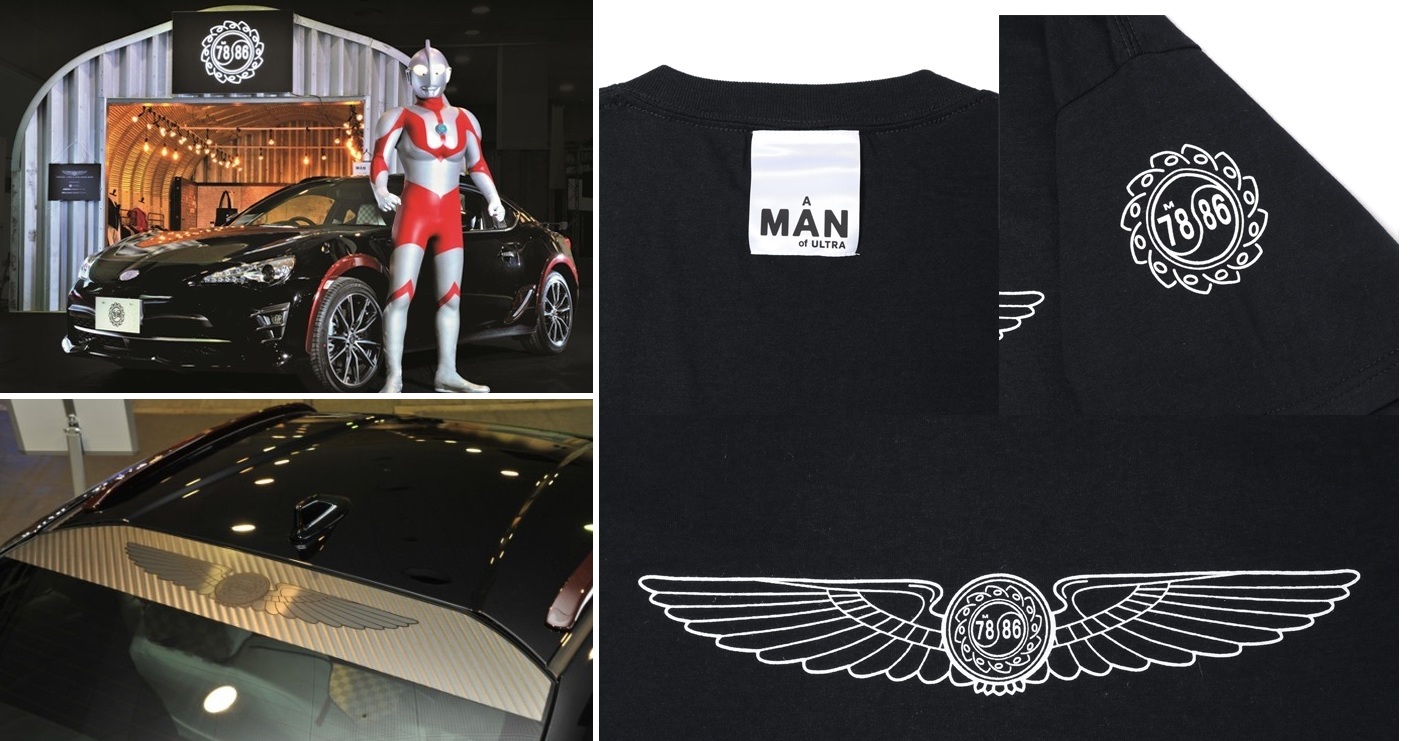
“86” is a name for Toyota sports coupe. “M78” comes from Nebula M78, a home world of Ultraman, thirteen million light years away from the earth.

Disputed mark was created to represent the collaboration between Toyota and Tsuburaya.

Opposition

JPO granted registration of the mark on July 7, 2017.

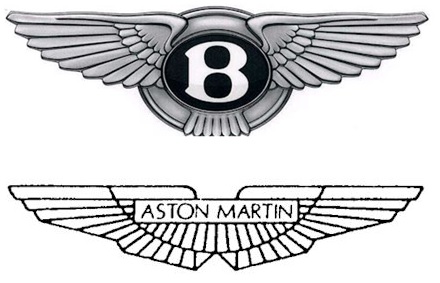
To oppose the mark, Bentley, the most sought after luxury car brand in the world, and Aston Martin, iconic luxury British sports car manufacturer, filed an opposition on the grounds that disputed mark is likely to cause confusion with opponents’ business due to close resemblance and famousness of opponent mark based on Article 4(1)(x), (xi), (xv), (xix) of the Trademark Law.
Article 4(1)(x) prohibits to register a trademark which is identical with, or similar to, other entity’s well-known mark over goods or services closely related with the entity’s business.
Article 4(1)(xi) is a provision to refrain from registering a junior mark which is deemed identical with, or similar to, any senior registered mark.
Article 4(1)(xv) prohibits to register a trademark which is likely to cause confusion with a business of other entity.
Article 4(1)(xix) prohibits to register a trademark which is identical with, or similar to, other entity’s famous mark, if such trademark is aimed for unfair purposes, e.g. gaining unfair profits, or causing damage to the entity.

Board decision

The Opposition Board admitted a certain degree of popularity and reputation of Opponent emblem as a source indicator of opponent’s business among relevant consumers in the fields of automobiles, however, totally negated similarity of both marks from the perspective of appearance, pronunciation, and concept. Besides, finding that relevant consumers with an ordinary care would pay particular attention to the mark in procuring expensive goods, such as cars, the Board held that a mere graphical resemblance of straight wings is insufficient to find a likelihood of confusion since even opponents are co-existing in peace regardless of the similar straight wings.
Based on the foregoing, the Board concluded that there is no likelihood of confusion between the marks and allowed the “M78 86” straight wings mark valid.


GODZILLA defeated GUZZILLA in IP High Court trademark battle

On June 12, 2018, the Japan IP High Court denied the JPO Trial Board decision and sided with TOHO Co., Ltd., a Japanese filmmaker that unleashed Godzilla on the world, in a trademark dispute between GODZILLA and GUZZILLA.
[Judicial case no. H29(Gyo-ke)10214]

GODZILLA

TOHO Co., Ltd., the top and oldest Japanese filmmaker, is known worldwide for unleashing Godzilla in 1954. Godzilla, known as the King of the Monsters, is a giant irradiated prehistoric amphibious reptile appearing in the films produced by TOHO. TOHO has produced more than 20 Godzilla flicks, including 1999’s Godzilla 2000: Millennium, and 2014’s GODZILLA.

GUZZILLA

Taguchi Industrial Co., Ltd., a Japanese manufacturer of attachments for construction machinery, filed an trademark application for the “GUZZILLA” mark (see below) in November 21, 2011 by designating mining machines, construction machines, loading-unloading machines, agricultural machines, waste compacting machines, waste crushing machines in class 7. JPO registered the mark on April 27, 2012.
The “GUZZILLA” mark has been used on attachments for construction machinery by Taguchi. (see website of Taguchi – http://en.taguchi.co.jp/series/guzzilla/)


Invalidation Trial

On February 22, 2017, two months before a lapse of five years from the registration, TOHO requested for invalidation trial based on Article 4(1)(xv) of the Trademark Law and asserted relevant consumers or traders are likely to confuse or misconceive a source of the “GUZZILLA” mark with TOHO or a business entity systematically or economically connected with TOHO when used on designated goods in class 7 due to close resemblance between “GUZZILLA” and “GODZILLA”.

Article 4(1)(xv) provides that a mark shall not be registered where it is likely to cause confusion with other business entity’s well-known goods or services, to the benefit of brand owner and users’ benefits.

The Trial Board admitted a high degree of popularity and reputation of “GODZILLA” as a name of monster appeared in films produced by TOHO, however, the invalidation trial was totally dismissed since the Board found no likelihood of confusion in view of remote association between TOHO’s business and designated goods in class 7 (Trial case no. 2017-890010).

To contest the decision, TOHO appealed to the IP High Court.


IP High Court ruling

IP High Court set aside the decision and ruled in favor of TOHO.

In the ruling, the Court pointed out a fact that designated goods in question include pneumatic jacks, electric jacks, chain blocks, winches, mowing machines, and hedge trimmers. These goods have a certain degree of association with toys or groceries of TOHO’s interest in the aspect of use, objective and consumer. Besides, relevant consumers of goods in question rely on not only quality and function of goods but also goodwill in trademark at the time of purchasing such goods. If so, the Court finds that, by taking into consideration famousness and originality of “GODZILLA” as a source indicator of TOHO’s business as well as close resemblance of both marks, relevant consumers of above goods (class 7) designated under the “GUZZILLA” mark are likely to associate the goods with “GODZILLA” and thus confuse its source with TOHO or a business entity systematically or economically connected with TOHO.

Court also held that a well-known “GODZILLA” mark gives rise to a meaning of imaginary giant monster in films and an image of strength by means of the monster’s action devastating city and buildings. Inter alia, purchasers of pneumatic jacks in question are likely to receive an incentive to buy “GODZILLA” in anticipation of strong performance of the jacks as GODZILLA did.

Based on the foregoing, the court decided invalidation of “GUZZILLA” trademark registration based on Article 4(1)(xv).

JPO sided with Apple Inc. over trademark battle between Mac and MacEdge

Apple Inc. has won a trademark opposition it lodged against GIGAZONE INTERNATIONAL CO., LTD., a Taiwanese company, over Japanese trademark registration no. 5877027 for word mark “MacEdge”.
[Opposition case no. 2016-900375, Gazette issued date: April 27, 2018]

OPPOSED MARK “MacEdge”

Opposed mark “MacEdge” (see below) was applied for trademark registration in Japan on March 10, 2016 by designating several accessories of computers in class 9.

The Japan Patent Office (JPO) admitted registration of the mark on August 8, 2016 and published the gazette under trademark registration no. 5877027 on September 27, 2016.

Apple “Mac” Computer and Operating system

In an opposition, Apple Inc. argued opposed mark violates Article 4(1)(xi) of the Japan Trademark Law based on famous Apple “Mac” computer and operating system which have been continuously distributed under various trademarks, e.g. MacBook, MacBook Air, MacBook Pro, iMac, Mac Pro, Mac mini, mac OS, Mac OS X, since 1984.

Article 4(1)(xv) provides that a mark shall not be registered where it is likely to cause confusion with other business entity’s well-known goods or services, to the benefit of brand owner and users’ benefits.

Apple Inc. pointed that MacEdge website operated by the opposed party (see below) is likely to cause confusion with opponent since the front page looks similar to that of Apple’s website and it refers to opponent products.

Board decision

The Opposition Board admitted a high degree of reputation and popularity of opponent trademark “Mac” in the field of personal computers. In the assessment of mark similarity, the Board found “MacEdge” could be perceived as a combination of “Mac” and “Edge” because of two capital letters of “M” and “E”. As long as the “Mac” trademark becomes famous as a source indicator of Apple Inc. in the field of personal computers, relevant consumers are likely to connect opposed mark with opponent since the term “Mac” in opposed mark is almost identical with Apple “Mac” trademark. In the meantime, the term “Edge”, a common English word, is less distinctive and does not give rise to any specific meaning in combination with “Mac”.

Based on the foregoing, the Board decided that relevant consumers who purchase accessories of computers are likely to confuse or misconceive a source of the opposed mark with Apple Inc. or any entity systematically or economically connected with the opponent.
If so, opposed mark shall be cancelled in violation Article 4(1)(xv) of the trademark law.

Japan IP High Court Ruling – Shape of “Unit Shelf” functions as a source indicator of Ryohin Keikaku

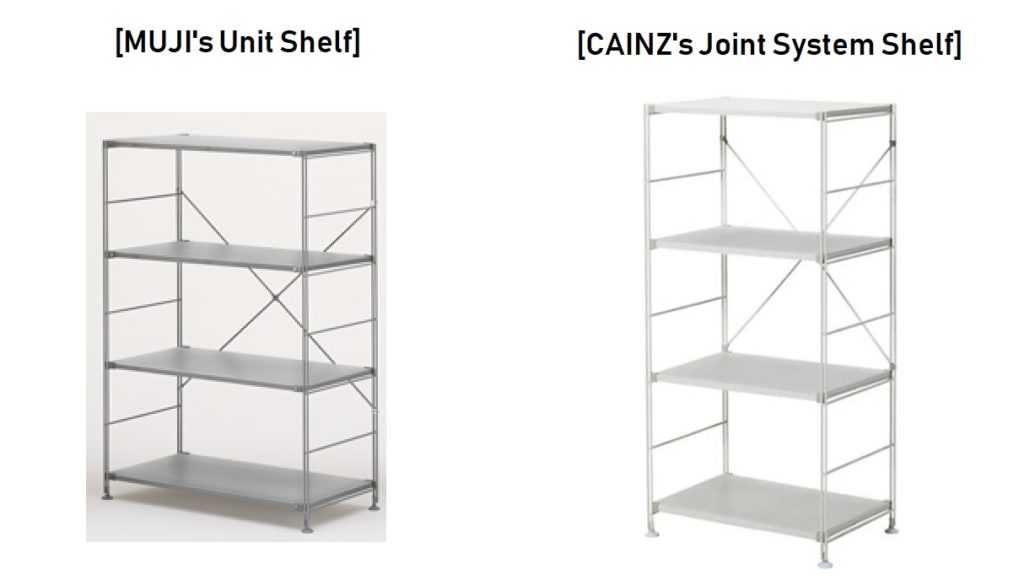
The Japan IP High Court has affirmed an earlier ruling by the Tokyo District Court, and sided with Ryohin Keikaku Co., Ltd, an operator of the MUJI retail chain, in a lawsuit accusing CAINZ Corporation, the second largest DIY store chain in Japan, of violating the Unfair Competition Prevention Act (UCPA) by distributing ready-to-assemble storage rack “Joint System Shelf” which is allegedly an imitation of MUJI’s “Unit Shelf”.

CAINZ (appellant) contested the early ruling made an error of judgment  in finding that relevant consumers conceive the shape of “Unit Shelf” as a source indicator of Ryohin Keikaku (appellee) based on the research results which showed approx. 98 percent of general consumers were unable to associate the shape with appellee, and 9 merchants out of 10 who daily deals with living ware and furniture could not identify the shape as “Unit Shelf”.

Besides, appellant claimed appellee violated clean hands doctrine and thus abused the right given he pursued the case knowing that his act to promote the “Unit Shelf” constitutes infringement of  design right belonging to a third party.

The IP High Court ruled the research was neither adequate nor persuasive  enough to negate distinctive function of “Unit Shelf” as a source indicator, stating that it just targeted people in their 20s to 40s despite consumers of goods in dispute cover whole generations having an interest in household furniture. The questionnaire to ask a specific name of retail shop was far from the case. Some of the researched merchants have business with appellant. In addition, opinions of 10 merchants are way too insufficient  to bolster appellant’s allegation.

Fact that an entity who suffered damage by unfair misconduct of competitor admittedly infringes design right belonging to third party  does not immediately hinder him from making a legal claim based on the UCPA. Being that appellant’s act to promote  the “Joint System Shelf” is likely to cause confusion with appellee’s “Unit Shelf”, the court finds  higher degree of necessity to put a restriction on appellant’s misconduct. From the foregoing findings, the court ruled in favor of appellee and dismissed the allegations as well as abuse of right.


When you conduct market research pertinent to trademark, you should be more careful to decide questionnaire and respondent. Non-existence of design or trademark registration does not guarantee risk-free transaction of a similarly shaped goods with hot-selling product if the shape functions as source indicator.

Tissot Loses Trademark Opposition over the POWERMATIC mark

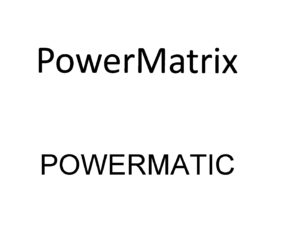
In a recent decision, the Opposition Board of Japan Patent Office (JPO) dismissed an opposition filed by TISSOT S.A., a member of Swatch Group, who contended that trademark registration no. 5950175 for a word mark “PowerMatrix” designating, inter alia, watches in class 14 shall be cancelled in violation of Article 4(1)(xi) and (xv) of the Japan Trademark Law due to a conflict with senior domestic trademark registration and international trademark registration for the “POWERMATIC” mark in class 14.
[Opposition case no. 2017-900258]

PowerMatrix

Opposed mark, consisting of a term “PowerMatrix” written in a plain alphabetical letter, was applied for registration on October 24, 2016 in the name of Kyland Technology Co. Ltd., a Chinese corporation, by covering various goods and services in classes 7,9,11,12,38 and 42 as well as watches in class 14. As a result of substantive examination, JPO granted registration (TM Reg no. 5950175) on May 26, 2017.

Opposition

The Japan Trademark Law provides that anyone is entitled to file an opposition against new trademark registration within two months from the publication date of gazette under Article of 43bis.

Tissot S.A. filed an opposition against opposed mark “PowerMatrix” by citing senior registrations for the word mark “POWERMATIC”, and alleged that opposed mark shall be cancelled based on Article 4(1)(xi) and 4(1)(xv) of the Trademark Law.

  • Article 4(1)(xi) is a provision to refrain from registering a junior mark which is deemed identical with, or similar to, any senior registered mark.
  • Article 4(1)(xv) prohibits to register a mark which is likely to cause confusion in connection with the goods or services pertaining to a business of another person.

POWERMATIC

Tissot argued POWERMATIC has been used on luxury Tissot watches in Japan as an indication of high-end automatic movement for the watches since 2013.

By taking account of increasing sales amount of approx. 1 million CHF in 2015 and substantial advertisement through newspapers, magazines and web-media, the POWERMATIC mark has acquired a certain degree of popularity and reputation among relevant public in Japan as well as its house mark, Tissot.

In appearance and sound, “PowerMatrix” and “POWERMATIC” are confusingly similar because of coincidence of initial eight alphabetical letters among ten in total. If so, opposed mark is likely to cause confusion with the Tissot luxury watch installing “POWERMATIC” automatic movement when used on watched in class 14.

BOARD DECISION

The Board negated a certain degree of popularity and reputation of the “POWERMATIC” mark, stating that produced materials are insufficient and non-objective to demonstrate famousness of the cited mark. Given that the Tissot POWERMATIC watch was firstly distributed in Japan since 2013, a three-year-duration before the filing of opposed mark seems too short to become popular among relevant consumers in fact.

Besides, the Board concluded that difference in appearance and sound is not negligible in view of overall configuration of both marks. If so, it is unlikely that relevant consumers and traders confuse or misconceive watches using the opposed mark with a product from Tissot and the entity systematically or economically connected with Tissot.

LEGO lost a trademark battle in Japan over the mark CATTYLEGO

LEGO has lost a trademark battle it lodged against PETSWEET Co., Ltd., a Taiwanese company, over its registration of the mark “CATTYLEGO” in Japan.
[Opposition case no. 2017-900077, Gazette issued date: Feb 23, 2018]


OPPOSED MARK “CATTYLEGO”

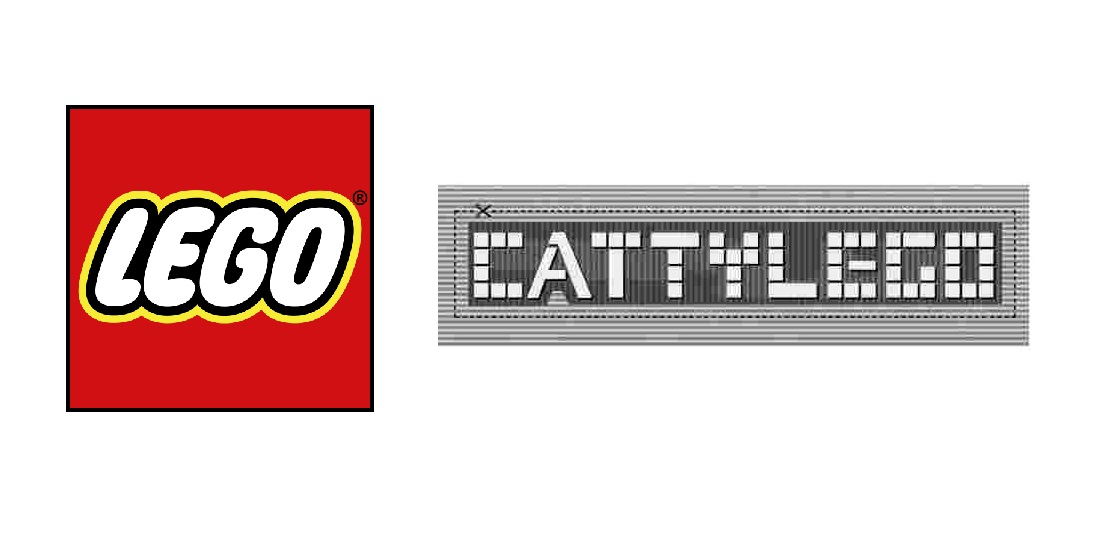
PETSWEEY Co., Ltd., a Taiwanese company, applied for trademark registration in Japan for the mark consisting of a word “CATTYLEGO” and rectangle device (see below in right) on June 15, 2016 by designating toys for pets in class 28. Apparently, PETSWEET Co., Ltd. promotes various categories of cat toys, e.g. Cat Tree, Cart Playground as you can review by accessing their website.

The Japan Patent Office (JPO) admitted registration of the mark on November 15, 2016 and published the gazette under trademark registration no. 5902786 on January 10, 2017.


LEGO Trademark

LEGO Juris A/S, the world’s largest Danish toy manufacturer, filed an opposition against the mark CATTYLEGO on the final day of a two-month duration for opposition.

LEGO argued that the mark CATTYLEGO shall be cancelled due to a conflict with the famous LEGO trademark (see above in left) based on Article 4(1)(viii), (xi), (xv) and (xix) of the Trademark Law.


BOARD DECISION

The Opposition Board admitted a high degree of reputation and population of the LEGO trademark as a source indicator of opponent in relation to brick toys by taking account of consecutive promotion of LEGO bricks in Japan for more than five decades, annual sales amount over 8 billion yens (Approx. USD 74 million ), its remarkable share in the sector of kids toys, and almost half of preschools in Japan have adopted the bricks for educational purpose.

In the meantime, the Board negated similarity between the CATTYLEGO mark and the LEGO trademark, stating that it is unconvincing to consider “CATTY” descriptive from overall appearance of the opposed mark. If so, opposed mark is unlikely to giver rise to any meaning and pronunciation in association with LEGO bricks or opponent.

Based on the foregoing, the Board concluded opposed mark shall not subject to Article 4(1)(xi) so long as both marks are dissimilar.

Board also found less likelihood of confusions due to a remote association between toys for pets and brick toys (for kids) in view of different manufacturers, consumers, usage, commercial channel for these goods as well as dissimilarity of the marks.

Article 4(1)(viii) is a provision to prohibit registration of trademarks which contain the representation or name of any person, famous pseudonym, professional name or pen name of another person, or famous abbreviation thereof. A term of “Person” is construed to include a legal entity as well as individual. It is obvious that opposed mark contains “LEGO” which corresponds to an abbreviated name of opponent. However, it is noteworthy that the Board, in adopting the article, dismissed opponent’s allegation by stating that opponent failed to demonstrate the use of the LEGO trademark in a manner that relevant consumers would conceive it as an abbreviation of opponent’s name.

NIKE unsuccessful in registering JUST DO IT on cosmetics

In a recent decision, the Appeal Board of Japan Patent Office (JPO) dismissed an appeal filed by NIKE Innovate C.V., who attempted to register a word mark “JUST DO IT” in standard character on cosmetics and other goods classified in class 3 by means of “defensive mark” under Article 64 of the Japan Trademark Law.
[Appeal case No. 2015-23031, Gazette issued date: February 23, 2018]


DEFENSIVE MARK

According to Article 64, famous brand owner is entitled to register its brand as “defensive mark” with respect to dissimilar goods/services that are not designated under the basic registration, where the owner shall demonstrate that the mark has acquired remarkable prestige in relation to the goods/services on which the mark has been substantially used, and thus there will be likely to occur confusion with the owner if an identical or similar mark is used on dissimilar or remotely associated goods/services with basic registration.


JUST DO IT

NIKE Innovate C.V. owns trademark registration no. 4206837 for the word mark “JUST DO IT” on apparels, shoes and sportswear and other goods in class 25 since 1998.

NIKE sought to register the mark as defensive mark on cosmetics (class 3) on October 22, 2014 (Trademark application no. 2014-88774). Examiner refused the application by stating that it is unclear whether the mark has been used in connection with applicant’s goods of class 25. If so, the mark can be recognized merely as a commercial slogan to represent sports event. Consequently, examiner considers the mark has not become well-known mark as a source indicator of applicant.

To contest the refusal, NIKE filed an appeal on December 15, 2015.


BOARD DECISION

The Appeal Board likewise questioned whether “JUST DO IT” has been used as a source indicator of apparel, shoes, or sportswear.

Board admitted a certain degree of popularity and reputation on the term “JUST DO IT” as a corporate message from NIKE, however, upheld the refusal by stating that the produced advertisement and evidences regarding “JUST DO IT” are insufficient and vague to connect the term with goods designated under basic registration.


Apparently, the Board underestimated “JUST DO IT” on the grounds that NIKE failed to advertise the term in a manner closely connected with specific goods.


OMEGA unsuccessful in cancelling OMEGA mark

The Japan Patent Office dismissed a trademark opposition claimed by a Swiss luxury watchmaker, OMEGA SA against trademark registration no. 5916814 for the OMEGA mark in class 41 by finding less likelihood of confusion due to remote association between watches and services in class 41.
[Opposition case no. 2017-900136]

Opposed OMEGA mark

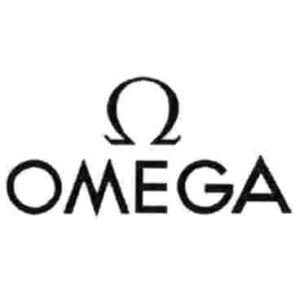
Opposed mark (see below) was filed by a Japanese business entity on April 28, 2016 by designating the services of “fortune-telling; educational and instruction services relating to arts, crafts, sports or general knowledge; providing electronic publications; Art exhibition services; Reference libraries of literature and documentary records; production of videotape film in the field of education, culture, entertainment or sports; photography etc.” in class 41.


As a result of substantive examination, the JPO admitted registration on January 27, 2017 and published for registration on February 28, 2017.

OMEGA’s Opposition

To oppose against registration, OMEGA SA filed an opposition on April 28, 2017.

In the opposition brief, OMEGA SA asserted the opposed mark shall be cancelled in violation of Article 4(1)(xv) of the Japan Trademark Law by citing the owned luxury watch brand of OMEGA (see below).

Article 4(1)(xv) provides that a mark shall not be registered where it is likely to cause confusion with other business entity’s well-known goods or services, to the benefit of brand owner and users’ benefits. Theoretically, Article 4(1)(xv) is not applicable to the case where a mark in question is objectionable under Article 4(1)(xi), which prohibit a junior mark from registering if it is deemed identical with or similar to any senior registration. Article 4(1)(xv) plays a key role where a junior mark designates remotely associated or dissimilar goods or services with that of a well-known brand business.

Board Decision

The Opposition Board admitted similarity of both marks and a remarkable degree of reputation and population of opponent OMEGA mark in relation to watches, however, questioned whether such reputation has prevailed even among relevant consumers of designated services in class 41 as long as opponent failed to produce sufficient evidences regarding the issue.

Based on remote association between watched and services designated under the opposed mark, the Board decided that, by addressing less creativity of the OMEGA mark originating from a familiar Greek alphabet even to Japanese with an ordinary care, relevant consumers of designated services in class 41 are unlikely to confuse or misconceive a source of the opposed mark with OMEGA SA or any entity systematically or economically connected with the opponent.