Trademark Dispute over “RED HOT”

The Japan Patent Office (JPO) dismissed trademark opposition against wordmark “REDHOT” written in Katakana character opposed by The French’s Food Company LLC who owns senior trademark “REDHOT” and “FRANK’S REDHOT” in class 30.

[Opposition case no. 2020-900289, Gazette issued date: June 25, 2021]

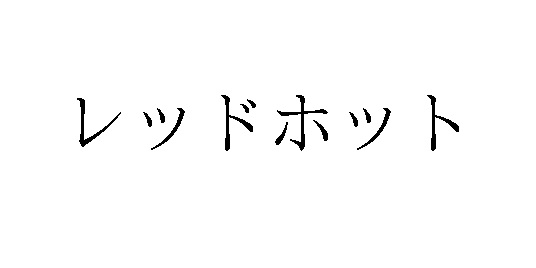
Opposed mark “REDHOT”

Opposed mark, consisting of the word “REDHOT” written in Japanese Katakana character (see below), was filed by Kentucky Fried Chicken Japan (KFC) for use on fried chicken, meat, processed meat products, and other goods in class 29 and hamburgers, hot dog sandwiches, bread rolls, and other goods except for seasonings and spices in class 30 with the JPO on November 6, 2018 (TM Application no. 2018-142676).
KFC Japan has begun selling the “Red Hot Chicken”, red and white pepper with a touch of habanero, giving it a crisp, spicy flavor and the taste of domestic chicken in limited quantities since 2004.


FRANK’S REDHOT
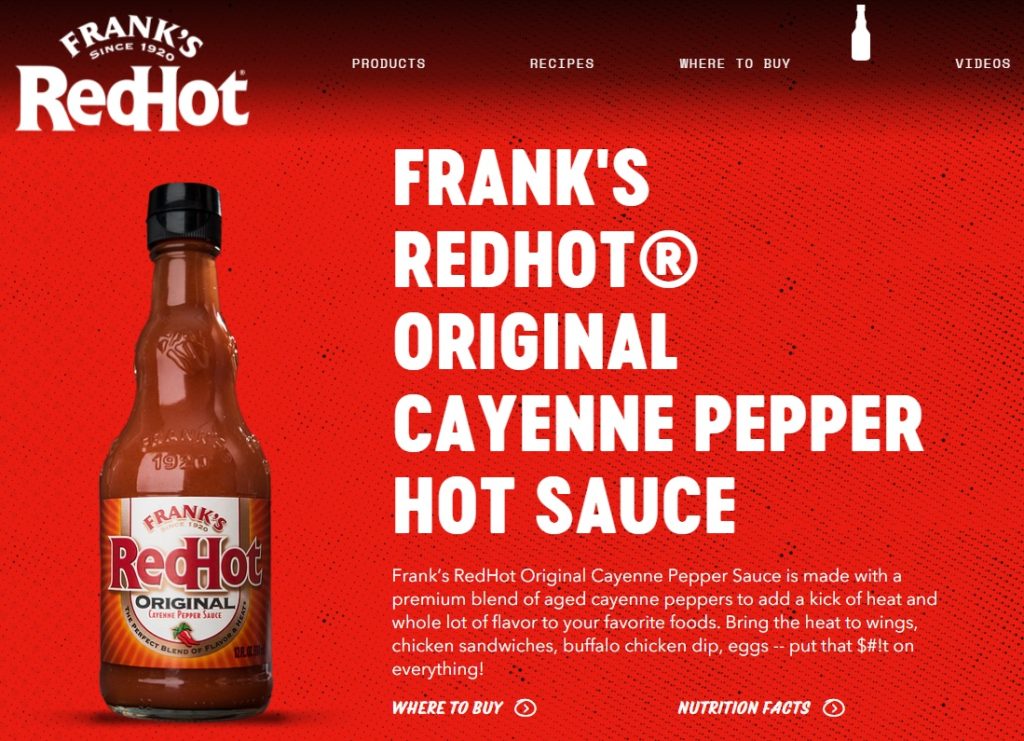
The French’s Food Company LLC, an owner of the #1 brand of hot sauce “Frank’s RedHot” in America, filed an opposition on November 2, 2020.

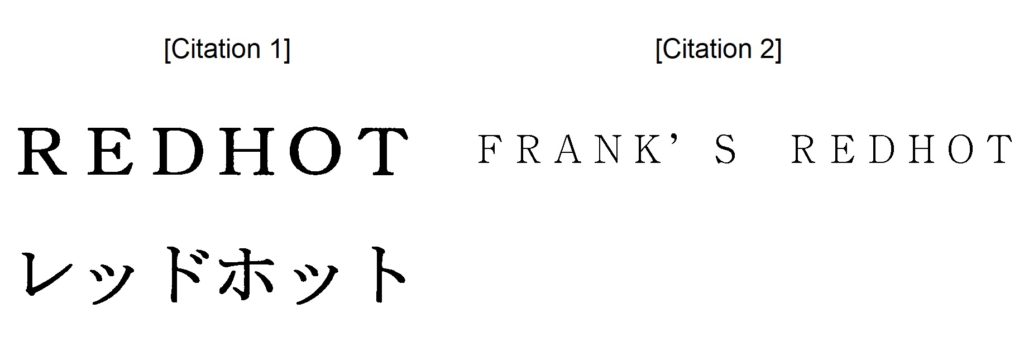
Opponent argued that the opposed mark shall be canceled in contravention of Article 4(1)(xi) and (xv) because of similarity to senior TM Reg nos. 4723565 and 5523112 for wordmark “REDHOT” on seasonings and spices in class 30 (Citation 1), and a likelihood of confusion with TM Reg no. 5523111 for wordmark “FRANK’S REDHOT” (Citation 2) which has become famous as a source indicator in connection with hot sauce as a result of substantial and continuous use since 1920.

JPO decision

The Opposition Board of JPO found that Article 4(1)(xi) shall not be applicable to the opposed mark.

Article 4(1)(xi) is a provision to prohibit registering a junior mark that is identical with, or similar to, any senior registered mark.

Since the designated goods, seasonings and spices, of the opposed mark are deemed dissimilar to any other goods belonging to class 30. In so far as respective goods in question are dissimilar, the opposed mark shall not be subject to the article even though the mark is identical with Citation 1.

The Board questioned whether the mark “FRANK’S REDHOT” has acquired a certain degree of reputation and popularity among relevant consumers in Japan by taking account of the produced evidence. The mere fact that the opponent’s hot sauces get to be a popular choice at specific dining restaurants is insufficient to support the famousness of Citation 2 in Japan.

Besides, relevant consumers would be easily able to distinguish the opposed mark with “FRANK’S REDHOT” by means of the distinctive term “FRANK’S” of Citation 2.

Given the low degree of similarity and unproven famousness as a source indicator of the opponent, the Board concluded it is unlikely that relevant consumers would confuse the source of goods bearing the opposed mark with the opponent or Citation 2 from the totality of circumstances, and thus dismissed the opposition entirely.
Hummel scores win in a trademark dispute over Chevron

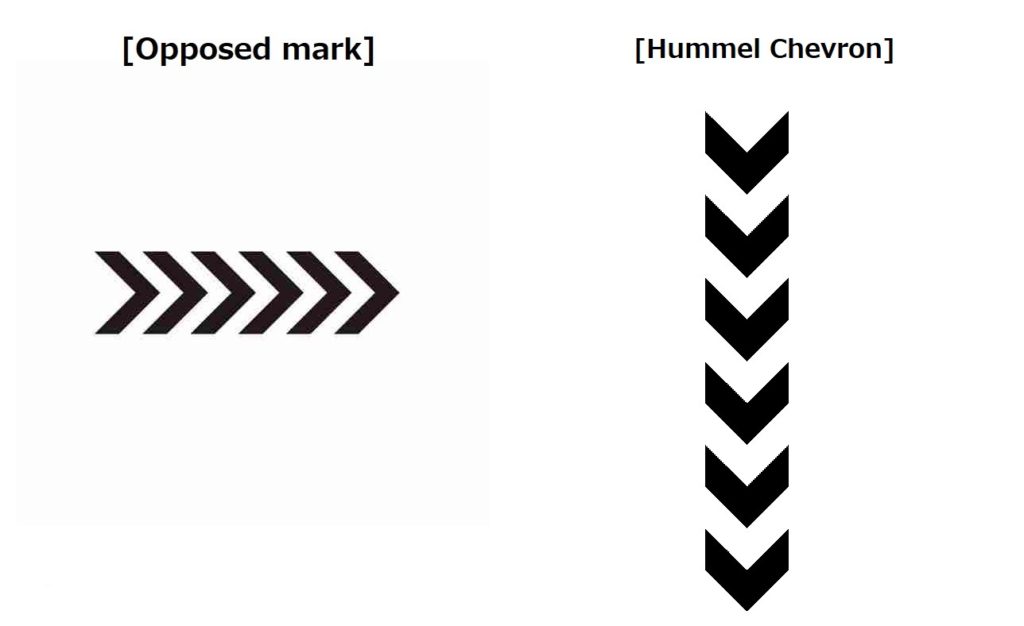
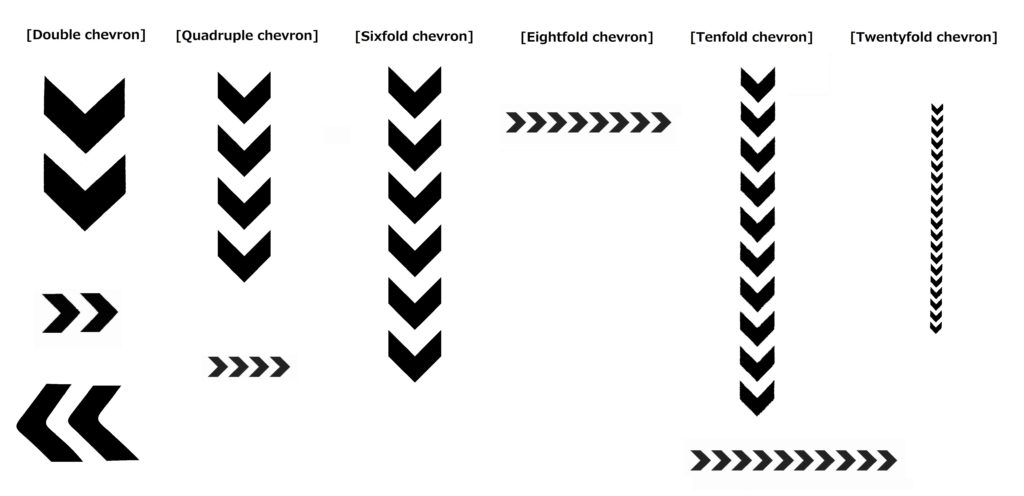
Hummel gained a victory in a trademark opposition against Japanese TM registration no. 6190746 for sixfold chevron right device mark due to a conflict with Hummel Chevron.
[Opposition case no. 2020-90007, Gazette issued date: May 28, 2021]


TM Reg no. 6190746

Opposed mark, consisting of a sixfold Chevron right device, was filed by a Japanese company for use on apparel and shoes in class 25 on November 14, 2018.

The JPO examiner did not raise her objection to the opposed mark and granted protection on September 27, 2019.


Hummel Chevron

On January 14, 2020, Hummel Holding A/S, the leading sportswear company from Denmark, filed an opposition and argued the opposed mark shall be canceled in contravention of Article 8(1) of the Trademark Law because of similarity to senior trademarks that consist of multiple Chevron right, left or down devices (see below) in class 25 owned by Hummel.

Article 8(1) is a provision to prohibit registration of any junior mark that is identical with, or similar to earlier applied marks based on the “first-to-file” principle.

Apparently, Hummel has been eager to claim broader protection of the Hummel Chevron.


JPO decision

Among the citations, the JPO Opposition Board found the opposed mark is confusingly similar to the sixfold Chevron down mark from a visual point of view regardless of dissimilar in direction of Chevron based on the finding that both marks would not give rise to any specific meaning and different pronunciation. Besides, the goods in question are deemed identical or similar respectively.

Since the opponent mark was applied for one month before the opposed mark on October 17, 2018, Hummel is entitled to claim a prior application right under the article.

Based on the foregoing, the JPO side with Hummel and decided to cancel the opposed mark entirely in contravention of Article 8(1).

The Opposition Board did not mention whether the opposed mark is deemed similar to the Hummel Chevron other than the sixfold down.

Glenfiddich Wins Trademark Dispute Over Deer Design

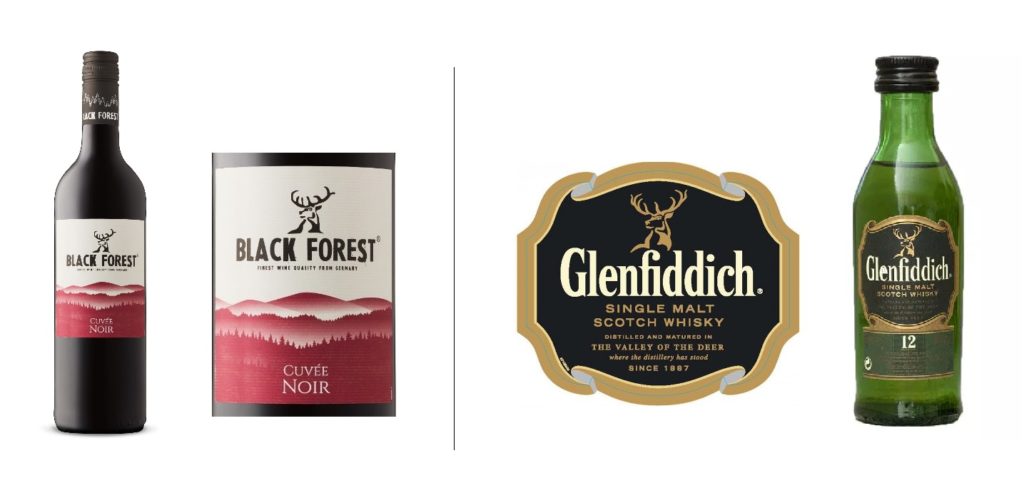
The Japan Patent Office (JPO) sided with Glenfiddich, the world’s most awarded Single Malt Scotch Whisky, who fought against trademark registration for the BLACK FOREST composite mark in class 33 due to close resemblance to the Glenfiddich deer design. [Opposition case no. 2018-685017, Gazette issued date: April 30, 2021]


BLACK FOREST composite mark

The opposed mark, consisting of the words “BLACK FOREST”, “FINEST WINE QUALITY FROM GERMANY” and a stylized stag’s head (see below), was filed with the JPO on May 12, 2017, for use on ‘Wines and sparkling wines; all the above goods made in Germany’ in class 33 by Badischer Winzerkeller eG via the Madrid Protocol (IR no. 1353061).

On June 6, 2018, the JPO granted protection of the opposed mark and published for post-registration opposition.


Opposition by Glenfiddich

Glenfiddich owner William Grant & Sons opposed on the basis of its earlier international registrations (IR no. 919341&919342) in the mark GLENFIDDICH and a stylized stag head (see below) for use on whisky and whisky-based liqueurs are concerned, only scotch whisky and scotch whisky-based liqueurs produced in Scotland of class 33, in contravention of Article 4(1)(xi) of the Japan Trademark Law.

Article 4(1)(xi) is a provision to prohibit registering a junior mark that is deemed identical with, or similar to, any senior registered mark.

In the opposition, the opponent argued, inter alia, a close resemblance of the stylized deer design. Taking into consideration the design element is visually separable from literal elements, relevant consumers at the sight of the stylized stag head of the opposed mark that appeared on a wine label are likely to connect it with Glenfiddich.

JPO decision

The Opposition Board of the JPO found that judging from the configuration of each mark, it is allowed to assess the similarity of both marks by means of comparing its design element.

The Board held the stylized stag head of both marks would give rise to a resembled impression from appearance and the same concept regardless of some differences in detail.

If so, even though the pronunciation of respective design is incapable of comparison, from the totality of the circumstances, relevant consumers are likely to confuse the origin of the goods in question bearing the opposed mark with Glenfiddich.

Based on the foregoing, the JPO decided to retroactively cancel IR no. 1353061 in contravention of Article 4(1)(xi) of the Trademark Law.

Trademark Similarity: APLAY vs applay

In a trademark dispute pertinent to the similarity between “APLAY” and “applay”, the Appeal Board of the Japan Patent Office found both marks dissimilar and reversed the examiner’s rejection.
[Appeal case no. 2020-6380, Gazette issued date: April 30, 2021]

APLAY

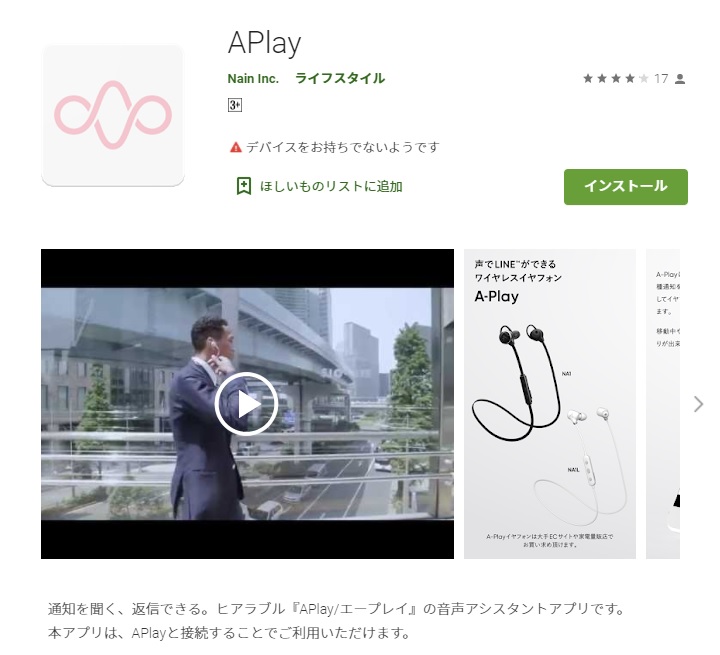
A senior mark, consisting of the word “APLAY” in standard character, was registered on April 28, 2017 (TM Reg no. 5943175) over computer programs; application software; game programs for home video game machines; electronic circuits, and CD-ROMS recorded with programs for hand-held games with liquid crystal displays; electronic publications; earphones; headphones in class 9, and software as a service [SaaS]; other related computer services in class 42 by Nain Inc.

Apparently, Nain has used “APLAY” on wireless earphones and connect app for android (see below).

applay

Applied junior mark, consisting of the word “applay”, was sought for registration on August 7, 2019, over toys in class 28 [TM application no. 2019-107218] by Ed. Inter Co., Ltd.

The applicant uses the mark on wooden toys for kids (see below).

The JPO examiner rejected “applay” because of similarity to “APLAY” based on Article 4(1)(xi) of the Trademark Law.

Article 4(1)(xi) is a provision to prohibit registering a junior mark that is identical with, or similar to, any senior registered mark.

There is the criterion that the examiner is checking when assessing the similarity between the marks:

  • visual similarity
  • aural similarity
  • conceptual similarity

and taking into account all these three aspects, the examiner would decide if a mark is similar (at least to some extent) to the earlier mark and if there is a likelihood of confusion for the consumers.

Applicant filed an appeal against the rejection on May 12, 2020, and argued dissimilarity of the marks.

Appeal Board decision

In the decision, the Appeal Board held that:

In appearance, there are differences in the third letter ‘p’, and lower case or upper-case letters. These would give rise to a distinctive impression visually in the mind of relevant consumers where the respective mark consists of five or six-letter words, anything but long.

Next, assessing the pronunciation between applied mark [ˈæpleɪ] and the cited mark [əˈpleɪ], the difference in the first sound would be anything but negligible in view of a few phonetic compositions of four sounds in total. Relevant consumers would be unlikely to confuse each sound when pronounced because of phonetical distinction in overall nuance and tone as a whole

Thirdly, the respective mark does not give rise to any specific meaning at all. If so, both marks are incomparable from the concept.

Based on the foregoing, the Board found no reasonable reason to affirm the JPO examiner’s rejection from visual, phonetic, and conceptual points of view as well as consumer perception and decided to reverse the examiner’s rejection.

IP High Court affirmed TM infringement in favor of Wenger over cross design

On April 21, 2021, the Japan IP High Court affirmed the Tokyo District Court’s decision in favor of Wenger S.A. and ruled to dismiss the appeal brought by TravelPlus International who was sentenced for trademark infringement by using cross design marks similar to the Wegner cross on backpacks. [Court case nos. IP High Court Reiwa2(ne)10060]

WENGER

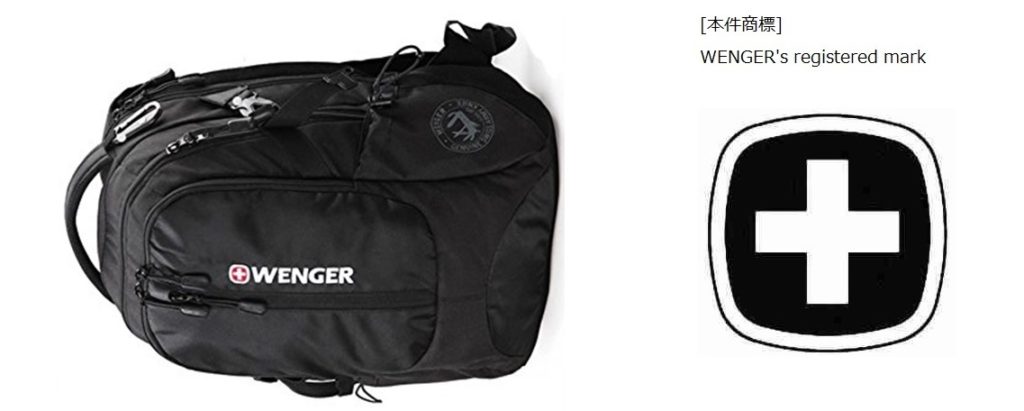
Wenger, the Swiss company, has owned international registration no. 1002196 for the cross mark (see below) for use on backpacks of class 18 and others goods in Japan since November 5, 2010.

SWISSWIN

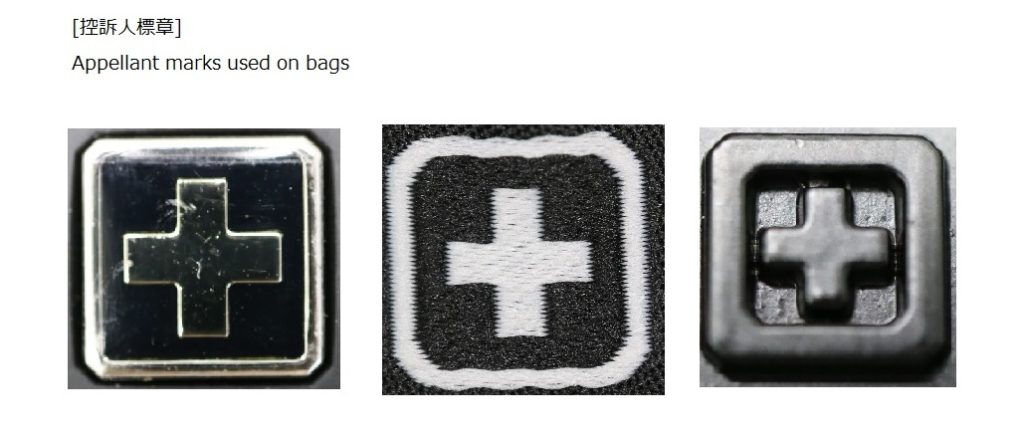
TravelPlus International (TI) distributed “SWISSWIN” brand backpacks adorned with a logo evoking the Swiss flag which consists of a cross surrounded by a square in Japan. According to the court decision, an affiliated company of TI has produced the Wenger bags as an OEM vendor.   

IP High Court ruling

The IP High Court dismissed the appeal entirely and issued a decision addressing the interpretation of similar marks evoking the Swiss flag that is unregistrable under the Trademark Law.

1. Evaluation of color difference on cross design

TI argued color difference shall be a crucial factor in this case based on Article 4(1)(iv) of the Japan Trademark Law that prohibits registration of an identical or similar mark to the Red Cross.


However, the judge denied the allegation by stating that any cross design dissimilar to the Red Cross can be registrable under the article. If so, it does not make sense to find the color difference on cross designs that would materially affect the similarity of the marks. Both marks should be assessed in their entirety by taking account of other elements as well.

2.  Assessing figurative element except for cross design

TI argued both marks should be assessed similarly on the assumption that the square plays a dominant role of source indicator based on Article 4(1)(i). Any mark identical or similar to a foreign national flag is unregistrable under the article. If so, it should not be allowed to claim trademark infringement based on the cross design which is undoubtedly similar to the Swiss flag.

However, the judge dismissed the allegation and reiterated its stance that in finding similarity of the mark, both marks should be assessed in their entirety, not only with the square but also the cross, since both marks just consist of these elements.

COCO vs COCOMIST – Decision of the Opposition Board of the Japan Patent Office

Chanel handed a loss in its attempt to block Japanese trademark registration no. 6202587 for wordmark “COCOMIST” to be used on cosmetics, perfumery, fragrances, incense, and other goods in class 3.
[Opposition case no. 2020-900047, Gazette issued date: February 26, 2021.]

COCOMIST

The opposed mark consists of the word “COCOMIST” written in standard character (see below). Applicant, a Japanese company, 196+ Inc., filed it for use on ‘cosmetics, perfumery, fragrances, incense, toiletry preparations’ and other goods in Class 3 on January 7, 2019.

The mark was published for post-grant opposition on December 24, 2019, without confronting any office action from the JPO examiner.

It is apparent that the applicant actually uses the opposed mark on cleaning mist.

Opposition by CHANEL

On February 20, 2020, CHANEL SARL filed an Opposition and argued the opposed mark shall be canceled in contravention of Article 4(1)(xi), (xv), and (xix) of the Trademark Law on the grounds that:

  1. Since 1995, the opponent has owned senior trademark registration no. 2704127 for wordmark “COCO” over cosmetics, perfumery, and fragrances, which has unquestionably acquired a remarkable degree of reputation and popularity as a source indicator of the opponent’s cosmetics as well as a nickname or short name of French fashion designer “Gabrielle COCO CHANEL”, the founder of the Chanel brand.
  2. The term “MIST” lacks distinctiveness in relation to cosmetics. If so, relevant consumers at the sight of the opposed mark would easily conceive “COCO” as a prominent portion when used on goods in question.
  3. In view of the close resemblance between two marks and goods, presumably, the applicant must have applied the opposed mark for use on cosmetics with prior knowledge of the cited mark and fraudulent intention of free-riding on its reputation.

JPO Decision

The JPO Opposition Board admitted a high degree of reputation and popularity of “COCO” as a source indicator of the opponent’s perfumery and fragrances among relevant consumers based on substantial use of the cited mark in Japan but questioned its famousness in relation to other cosmetics except for perfumery and fragrances.

The JPO denied the similarity between the opposed mark and “COCO”, stating that the opposed mark shall be taken as a whole in view of a tight combination of its literal element from appearance. If so, the opposed mark does not give rise to any specific meaning and the Board has no reasonable ground to believe that the opposed mark “COCOMIST” shall be similar to “COCO” from visual, phonetic, and conceptual points of view.

Given a low degree of similarity between the marks, the Board held the opposed mark is unlikely to cause confusion even when used on perfumery and fragrances.

Assuming that both marks are dissimilar, the Board was not convinced that the applicant aimed for free-riding on the goodwill of Chanel.

Based on the foregoing, the JPO dismissed the entire allegations of CHANEL SARL and allowed the opposed mark to register as the status quo.

Montblanc Unsuccessful in Trademark Opposition

The Japan Patent Office (JPO) dismissed a trademark opposition claimed by Montblanc-Simplo GmbH, Germany, against Japanese trademark registration no. 6240752 for “MONTBLANC PROFESSIONAL PRIDES” with a device mark, stating that the opposed mark is unlikely to cause confusion with “Montblanc” known around the world for its superior writing instruments when used on the goods in question of class 25.
[Opposition case no. 2020-900159, Gazette issued date: February 26, 2021]

MONTBLANC PROFESSIONAL PRIDES

Opposed mark, consisting of words “MONTBLANC” and “PROFESSIONAL PRIDES” combined with a three-vertical-line design (see below) , was filed on April 17, 2019, by a Japanese business entity, SUMISHO MONTBLANC Co., Ltd. for use on ‘Medical scrubs; nurse dresses; nurse overalls; nurse pants; nurse uniforms; nurse caps; clothing; nurse shoes; footwear’ and other goods in class 25, and published for opposition on April 21, 2020, after registration on March 30, 2020.

Opposition by Montblanc-Simplo GmbH

On June 18, 2020, Montblanc-Simplo GmbH filed an opposition and claimed that the opposed mark shall be cancelled in contravention of Article 4(1)(xv) of the Japan Trademark Law due to a likelihood of confusion with the wordmark “MONTBLANC” known for its superior writing instruments.

Article 4(1)(xv)

Article 4(1)(xv) prohibits registering a trademark which is likely to cause confusion with the business of other entities.

Among other things, Montblanc argued the word “MONTBLANC” shall be considered as a prominent portion of the opposed mark since it does not indivisibly combine with the rest of the elements, namely, “PROFESSIONAL PRIDES” and three-vertical-line design. If so, taking account of a remarkable degree of reputation and popularity to the Montblanc writing instruments, relevant consumers would misconceive the source of goods bearing the opposed mark with the opponent.

Board Decision

It does not surprise me that the Opposition Board admitted a remarkable degree of reputation and popularity of the “Montblanc” mark in connection with fountain pens and ball-point pens based on the facts that the opponent has made and sold writing instruments identified by the MONTBLANC trademark for more than a hundred years since 1906 and operates 121 brick-and-mortar stores in Japan as of now.

Meanwhile, the Board questioned if “Montblanc” has been widely known even among relevant consumers of the goods in class 25 since the Board was unable to find a reasonable ground to believe that medical scrubs, nurse shoes and other goods in question are closely associated with the writing instruments. In this respect, a mere fact that the opposed mark contains the word “MONTBLANC” would be insufficient to find a likelihood of confusion with the opponent when used on goods in question.

Based on the foregoing, the Board decided the opposed mark shall not be subject to cancellation in contravention of Article 4(1)(xv) and allowed registration as the status quo.

JPO rejects “AIR NECKTIE” due to similarity to NIKE “AIR”

The Japan Patent Office (JPO) dismissed an appeal filed by a Japanese individual who sought registration for use of the wordmark “AIR NECKTIE” on neckties in class 25 due to the similarity to NIKE “AIR.”
[Appeal case no. 2020-4106, Gazette issued date: February 26, 2021.]

AIR NECKTIE

The mark in question, consisting of two English words “AIR” and “NECKTIE”, and its transliteration in a Japanese katakana character (see below), was filed for use on ‘neckties’ in class 25 with the JPO on July 6, 2018 [TM Application no. 2018-88482].

TM App no. 2018-88482

AIR

The examiner raised her objection based on Article 4(1)(xi) of the Trademark Law by citing senior registration nos. 502137 and 4327964 for the mark “AIR” owned by NIKE Innovate C.V. (see below) which cover clothing, shoes, neckties, and other goods in class 25.

TM Reg no. 502137
TM Reg no. 4327964

Article 4(1)(xi) is a provision to prohibit registering a junior mark that is deemed identical with, or similar to, any senior registered mark.

Regardless of the arguments made on a written response to the office action by the applicant, the JPO examiner entirely rejected the “AIR NECKTIE” mark based on the ground.

On March 6, 2020, the applicant filed an appeal against the refusal with the JPO and disputed that the applied mark “AIR NECKTIE” is dissimilar to the cited mark “AIR.”

JPO decision

The JPO Appeal Board referred to the tests established by the Supreme Court ruling in 2008 to determine whether it is permissible to take out respective elements of the composite mark when assessing the similarity of two marks.

“Where a mark in dispute is recognized as a composite mark consisting of two elements or more, it is not permissible to assess the similarity of marks simply by means of taking out an element of the composite mark and then comparing such element with the other mark, unless consumers or traders are likely to perceive the element as a dominant portion indicating its source of origin of goods/service, or remaining elements truly lack inherent distinctiveness as a source indicator in view of sound and concept.”

Based on the tests, the Board found that it is permissible to take out a literal element “AIR” from the applied mark and compare it with the citations by stating the following grounds:

  1. The applied mark can be seen as a composite mark consisting of ‘AIR’ and ‘NECKTIE’ because of the space between two words.
  2. “NECKTIE” is unquestionably recognized as a generic term in connection with ‘neckties’ in class 25.
  3. Relevant consumers at the sight of neckties bearing the mark “AIR NECKTIE” would conceive the term “AIR” as a prominent source indicator.
  4. “AIR NECKTIE” does not give rise to any specific meaning in its entirety.
  5. The above facts suggest that “NECKTIE” lacks inherent distinctiveness in relation to the goods in question, and it would not play the role of source indicator of the applied mark in view of sound as well as concept.

Based on the foregoing, the Board affirmed the examiner’s rejection and decided that the applied mark “AIR NECKTIE” is similar to the cited marks as a whole given the remarkable similarity in sound and concept, even if the word “NECKTIE” differentiates two marks in appearance.