SMART vs SMART TYRE

The Japan Patent Office (JPO) dismissed an opposition against trademark registration no. 6227071 for work mark “SMART TYRE” over a tire and other goods in class 12 claimed by Daimler AG who argued the mark is confusingly similar to senior registrations for the “SMART” mark in the same class owned by smart Automobile Co., Ltd.
[Opposition case no. 2020-900136, Gazette issued date: December 25, 2020]

“SMART TYRE”

The opposed mark, composing of wordmark “SMART TYRE” written in standard character, was sought for registration by Sumitomo Rubber Industries, Ltd., famous for “DUNLOP” tire brand, by designating various tires, automobiles, motorcycles, bicycles, and its structural parts and accessories in class 12 on August 21, 2018.  
[TM Application no. 2018-105830]
The mark was registered and published for opposition on March 10, 2020.

Opposition by Daimler AG

On May 11, 2020, just before the lapse of a two-months opposition period, Daimler AG filed an opposition before the JPO and claimed that the opposed mark shall be canceled in contravention of Article 4(1)(xi) and (xvi) of the Japan Trademark Law by citing senior trademark registrations for the “SMART” mark (see below) in class 12, which the opponent allegedly has used on the micro compact cars since 1998.
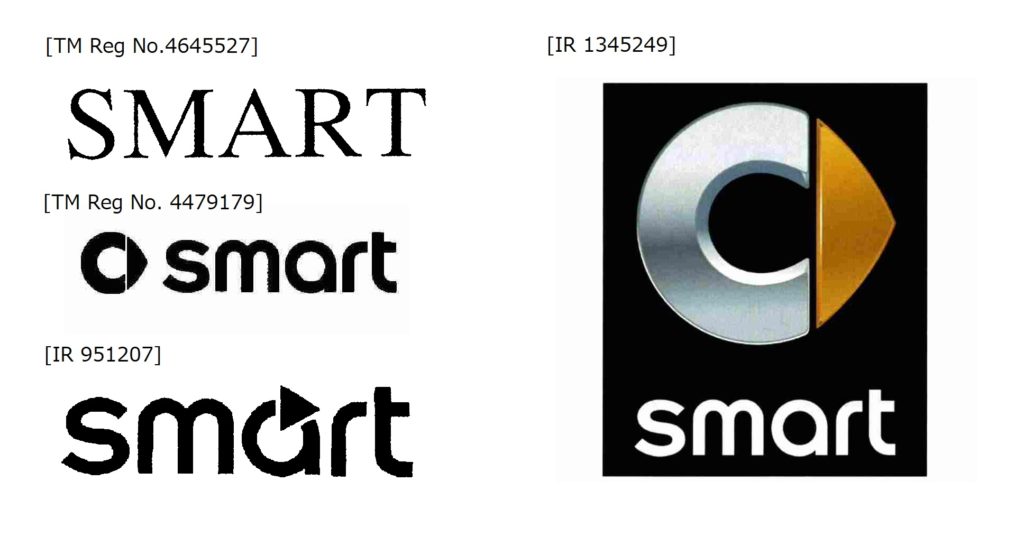
Daimler AG argued the opposed mark is a composite mark consisting of “SMART” and “TYRE”. The term “TYRE” undoubtedly lacks distinctiveness in relation to the goods of ‘tires’. If so, the dominant portion of the opposed mark shall be the term “SMART” which is identical to the cited marks. Besides, the ‘tires’ is considered as a structural part of automobiles and thus deemed similar to automobiles designated under the citations.

Therefore, the opposed mark shall be canceled based on Article 4(1)(xi).

Article 4(1)(xi) is a provision to prohibit registering a junior mark that is deemed identical with, or similar to, any senior registered mark.

Board decision

Surprisingly, the Opposition Board of the JPO found the opposed mark “SMART TYRE” shall be considered in its entirety irrespective of the fact that the term “TYRE” means ‘tire’. In addition, the Board held the opposed mark does not give rise to any specific meaning at all, and it is deemed a coined word.

Based on this finding, the Board assessed the similarity of marks as follows.

From appearance, both marks are sufficiently distinguishable since the opposed mark contains the term “TYRE” unlike the citations.

Phonetically, the opposed mark consists of seven sounds. In the meantime, the citations have four sounds. Due to the difference, relevant consumers are unlikely to confuse both marks.

The citations truly give rise to adjective meanings of ‘clever, bright, intelligent’. Meanwhile, the opposed mark has no meaning.

Therefore, the opposed mark “SMART TYRE” is dissimilar to the citations from visual, phonetical, and conceptual points of view even if the goods in question is deemed similar to the citations.

By stating that the term “TYRE” is inseparably and tightly incorporated into the opposed mark to the extent that relevant consumers would not conceive it as a descriptive indication in relation to the goods of class 12, the Board concluded the opposed mark shall not cause misapprehension of quality even when used on goods in question other than tires.

Based on the foregoing, the Board decided the opposed mark shall not be canceled in contravention of Article 4(1)(xi) and (xvi) of the Trademark Law and allowed “SMART TYRE” to survive.


The JPO’s finding does not look reasonable to me. It is clear that “TYRE” indicates ‘tire’. I suppose the Board rather should have mentioned the term “SMART” nowadays becomes generic when used in combination with the descriptive word(s) on the goods in question.
Mercedes-Benz StarParts vs Star-Parts

In an administrative decision, the Japan Patent Office (JPO) held the “Mercedes-Benz Star Parts” with a car device mark is dissimilar to the “Star-Parts” word mark.
[Appeal case no. 2020-650009, Gazette issued date: November 27, 2020]

Mercedes-Benz StarParts

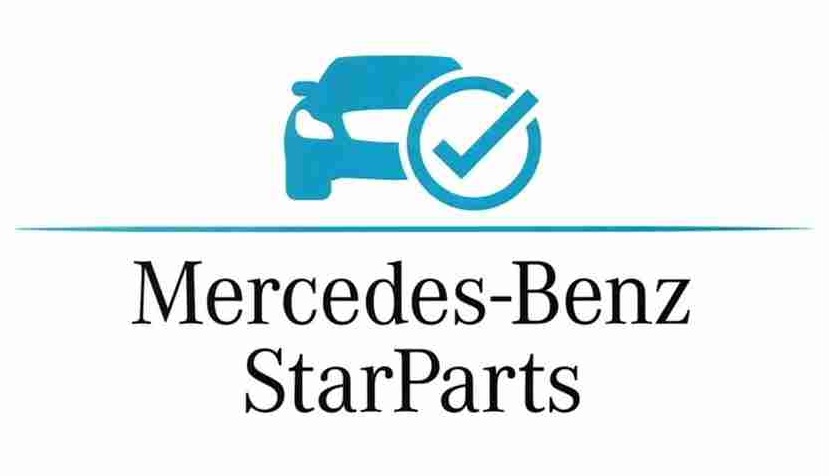
Daimler AG applied for registration of a composite mark consisting of “Mercedes-Benz StarParts” in two lines, a car device overlapping with checkmark icon, and a blue horizontal line in between (see below), in relation to ‘Parts for vehicles for locomotion by land, air, water or rail’ of class 12 via the Madrid Protocol (IR No. 1402813).

On December 5, 2019, the JPO examiner refused the applied mark based on Article 4(1)(xi) of the Trademark Law due to a conflict with senior trademark registration no. 5806962 for word mark “Star-Parts” in standard character which designates retail services or wholesale services for automobiles, parts, and accessories thereof in class 35.

Daimler AG filed an appeal against the refusal on March 4, 2019.

JPO Appeal Board’s decision

The Appeal Board overturned the examiner’s rejection by stating that the respective element of the applied mark shall be separably conceivable in view of a low degree of phonetic and conceptual association between figurative and literal elements. In the meantime, “StarParts” shall not be perceived as a dominant portion appealing its source of origin of goods, given “Mercedes-Benz” unquestionably plays an impressive role in identifying the source known for Germany luxury car maker. If so, it is not permissible to assess the similarity between the cited mark “Star-Parts” and the applied mark by dissecting the literal portion of “StarParts” from the applied mark.

Based on the foregoing, the Board concluded the refusal shall be disaffirmed since the examiner erroneously assessed the similarity between the marks.


I am of the view that the JPO’s decision looks unreasonable. From this viewpoint, any composite mark containing a famous or strong source indicator can be deemed dissimilar and eligible for registration.

iPad vs MI PAD

JPO sided with Apple Inc. in a dispute with a China-based consumer electronics company, Xiaomi that registers and uses the “MI PAD” trademark on tablet computers by finding that “MI PAD” is likely to cause confusion with “iPad”.
[Opposition case no. 2019-685002, Gazette issued date: November 27, 2020]

Xiaomi “MI PAD”

Xiaomi, a China-based electronics manufacturer headquartered in Beijing, filed a trademark application for word mark “MI PAD” via the Madrid Protocol (IR 1223839) in respect of various goods including table computers, downloadable music files, downloadable image files in class 9, and telecommunication access services and others in class 38 on August 22, 2017.

Prior to filing the application, Xiaomi newly introduced its first tablet, the Tegra K1-powered “Mi Pad” in 2014.

The JPO admitted registration of the MI PAD mark on December 7, 2018.

Opposition by Apple “iPad”

The Opponent, whose earlier ‘iPad’ trademark for its computer tablet products was also registered in Classes 9 and 38, is the U.S. tech giant, Apple Inc.

The heart of this dispute concerned the grounds of opposition raised by Apple Inc. against Xiaomi’s ‘MI PAD’ mark registration in Japan under Article 4(1)(xv) of the Japan Trademark Law.

Article 4(1)(xv) is a provision to prohibit any mark from registering if it is likely to cause confusion with other business entities ’ well-known goods or services.

The Opponent argued the “MI PAD” mark shall cause confusion with Apple “iPad” when used tablet computers and related goods and services, given a remarkable reputation of “iPad” holding a top market share (42% in 2017, 43.2% 2018) in Japan and the close resemblance between “iPad” and “MI PAD”.

JPO decision

The Opposition Board admitted a remarkable degree of reputation and popularity of opponent trademark “iPad” based on the produced evidence boasting the top market share consecutively for the past nine years in Japan. Besides, the Board found “iPad”, consisting of “i” and “Pad”, is highly unique because the term “Pad” is anything but descriptive in relation to tablet computers.

In the assessment of mark, the Board held the dissimilarity between the signs at issue, resulting from the presence of the additional letter ‘m’ at the beginning of “MI PAD”, is not sufficient to offset the high degree of visual and phonetic similarity between the two signs. It is unquestionable that the designated goods and services are closely associated with tablet computers and consumed by the same consumers.

If so, it is likely that the consumers at the sight of disputed goods and services bearing the “MI PAD” mark would confuse or misconceive its source with Apple Inc. or any entity systematically or economically connected with the opponent.

Based on the foregoing, the Board decided opposed mark shall be canceled in contravention of Article 4(1)(xv).

LEGO Triumphs In ‘CATTYLEGO’ Trademark Battle at JPO

LEGO eventually scored a win over PETSWEET CO., Ltd., a Taiwanese company, in a trademark dispute against ‘CATTYLEGO’ thanks to the JPO’s finding a likelihood of confusion with “LEGO” famous for toy brick.
[Invalidation case no. 2018-890084, Gazette issued date: September 25, 2020]

CATTY LEGO

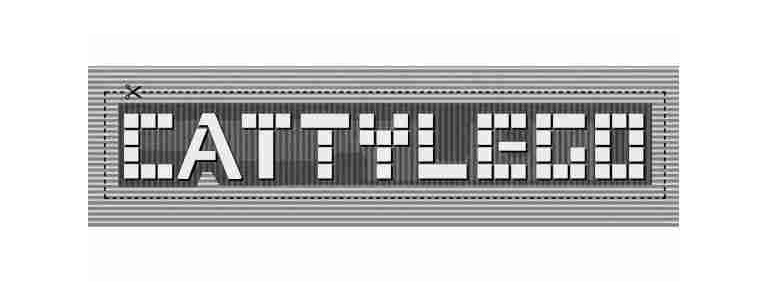
PETSWEEY Co. (派斯威特國際有限公司), Ltd., a Taiwanese company, applied for trademark registration in Japan for the mark consisting of a word “CATTYLEGO” and rectangle device (see below) on June 15, 2016, over toy boxes and chests, dog kennels, fodder racks, pet cushions, pet house in class 20 and toys for pets in class 28.

The Japan Patent Office (JPO) registered the mark on December 2, 2016 (TM Registration no. 5902786) and published for opposition on January 10, 2017.

LEGO

LEGO Juris A/S, the world’s largest Danish toy manufacturer, filed an opposition against the mark ‘CATTYLEGO’ on the final day of a two-month duration for the opposition, and argued it shall be canceled in contravention of Article 4(1)(viii), (xi), (xv) and (xix) of the Japan Trademark Law, but in vain. Click here to read more about the opposition.

Subsequently, LEGO lodged a trademark invalidation trial with the JPO on October 31, 2018, based on the same grounds.

JPO Decision

The Invalidation Board did not question a high degree of reputation and popularity of the LEGO trademark as a source indicator of toy brick by finding consecutive promotion of LEGO bricks in Japan for more than five decades, annual sales amounting to over 8 billion yen (Approx. USD 74 million ), its remarkable share in the sector of kids toys, and almost half of preschools in Japan have adopted the bricks for educational purpose.

Given the remarkable reputation of the LEGO mark, the Board held relevant consumers/traders at the sight of the ‘CATTYLEGO’ mark would inevitably conceive the term “LEGO” as a dominant portion. If so, both marks may give rise to a similar sound and concept pertinent to “LEGO”.

The Board also affirmed toy brick and the goods in question are closely associated in view of suppliers, commercial channels, usage, consumers.

Consequently, by taking into consideration the totality of the circumstances, the Board found relevant consumers with an ordinary care would confuse or associate the goods in question bearing the ‘CATTYLEGO’ mark with LEGO or any entity systematically or economically connected with LEGO, and thus the mark shall be invalidated based on Article 4(1)(xv) of the trademark law.

POLO RALPH LAUREN vs. US POLO ASSN

The Appeal Board of the Japan Patent Office (JPO) affirmed Examiner’s refusal to register the wordmark “U.S. POLO ASSN.” due to similarity to and a likelihood of confusion with earlier registered mark “POLO” owned by The Polo/Lauren Company, L.P.
[Appeal case no. 2018-5222, Gazette issued date: July 31, 2020]

“U.S. POLO ASSN.”

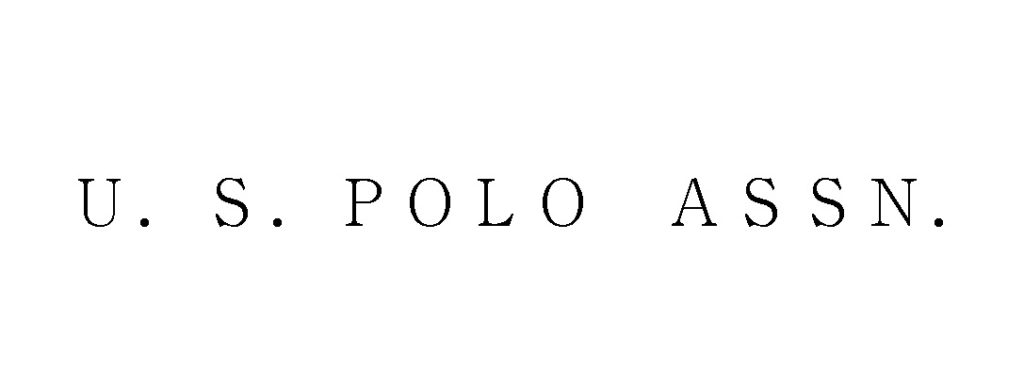
United States POLO Association filed a trademark registration for wordmark “U.S. POLO ASSN.” in standard character on January 13, 2016, over various kinds of bags, leather products, and other goods in class 18. [TM application no. 2016-3277]

On January 12, 2018, the JPO Examiner rejected the applied mark in contravention of Article 4(1)(xi) and (xv) of the Japan Trademark Law on the grounds that “U.S. POLO ASSN.” contains a term “POLO” which has become famous as a source indicator of The Polo/Lauren Company, L.P in connection with clothing and home décor. Relevant consumers with ordinary care would conceive the term as a prominent portion of the applied mark. If so, both marks shall be deemed similar or likely to cause confusion when used on the goods in question.
Article 4(1)(xi) is a provision to prohibit from registering a junior mark that is deemed identical with, or similar to, any senior registered mark.

Article 4(1)(xv) is a provision to prohibit any mark from being registered where it is likely to cause confusion with other business entity’s well-known goods or services, to the benefit of brand owner and users’ benefits.

U.S. POLO ASSN filed an appeal against Examiner’s refusal on April 16, 2018.

JPO decision

JPO admitted a high degree of reputation and popularity of “POLO” as a source indicator of The Polo/Lauren Company, L.P in connection with clothing as well as bags based on following fact-findings.

  1. American company Polo Ralph Lauren was founded in 1967 in New-York by fashion designer Ralph Lauren. The 1980s and 90s saw massive expansion for the Ralph Lauren brand and it became a worldwide phenomenon.
  2. “POLO” appears with definitions of ‘trademark of US designer, Ralph Lauren’ and ‘leather products designed by Ralph Lauren’ in some dictionaries which clearly demonstrate “POLO” is known as an abbreviation of ‘POLO RALPH LAUREN’.
  3. “POLO” has been substantially used adjacent to “RAPLH LAUREN” on various goods and frequently advertised as a famous brand of RALPH LAUREN in the media.
  4. A customer survey conducted in January 2010 from 900 adults age 20 years and older revealed that RALPH LAUREN has ranked 3rd-most popular brand in clothing after Burberry and UNIQLO.
  5. Annual sales exceed USD4,800 million in 2008, USD7,450 in 2013.

The Board found the applied mark “U.S. POLO ASSN.” shall be seen as a composite mark consisting of “U.S.”, “POLO” and “ASSN.” Since the last word “ASSN.” is too unfamiliar to average Japanese consumers to see it as an abbreviation of ‘association’, the applied mark would not give rise to any specific meaning as a whole. Besides, its pronunciation ‘ˌjuː.es poʊ.loʊ eɪeɪesén’ sounds redundant. Even if the second word “POLO” means ‘a game played on horseback by two teams of four players each’, given a high reputation of the word as a source indicator or an abbreviation of ‘POLO RALPH LAUREN’ the Board can’t overlook the fact that it has the same spelling as RALPH LAUREN’s famous apparel brand.

If so, relevant consumers would consider “POLO” as a prominent portion of the applied mark and it shall be permissible to compare the portion with the cited mark in assessing similarity of mark.

In this viewpoint, the applied mark would give rise to a sound of ‘poʊ.loʊ’ and the meaning of “RALPH LAUREN’s famous apparel brand”. Therefore, the applied mark shall be deemed confusingly similar to senior registered mark “POLO” owned by The Polo/Lauren Company, L.P in class 18, and others (TM Registration no. 4040052, 4931614, and 4931615).

Based on the foregoing, the Board found that Examiner didn’t error in fact-finding nor applying Article 4(1)(xi) and (xv) of the Trademark Law and decided to refuse the applied mark accordingly.

ZARA Fails in Japanese Trademark Opposition Against “ZORA”

The Japan Patent Office (JPO) dismissed an opposition filed by Industria de Diseño Textil, SA (INDITEX), owner of the fashion brand “ZARA” against trademark registration no. 6164247 for word mark “ZORA” in class 18 by finding dissimilarity to and less likelihood of confusion with “ZARA”.
[Opposition case no. 2019-900291, Gazette issued date: June 26, 2020]

Opposed mark

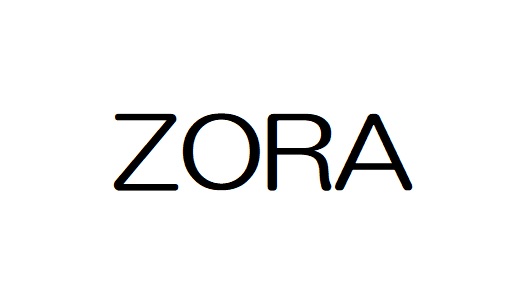
Opposed mark, consisting of a wordmark “ZORA” in standard character, was applied for registration in the name of CREST Co., Ltd., a Japanese company offering a wide variety of bags, pouches, and wallets for women or kids, on July 20, 2018, by designating bags, pouches, wallets in class 18, and published for opposition on August 13, 2019, without confronting with office action from the JPO.

Opposition by Inditex

Opponent, INDITEX, one of the world’s largest fashion retailers and owner of the fashion brand “ZARA”, claimed opposed mark “ZORA” shall be revocable in contravention of Article 4(1)(xi), (xv) and (xix) of the Japan Trademark Law by citing senior trademark registrations for word mark “ZARA” in relation with bags, pouches, wallets in class 18 and 35.

Article 4(1)(xi) is a provision to prohibit from registering a junior mark that is deemed identical with, or similar to, any senior registered mark.

INDITEX argued “ZORA” is similar to its own trademark “ZARA”, a worldwide famous fast-fashion brand, from visual, phonetic and conceptual points of view. Besides, the goods in question are identical.

Article 4(1)(xv) prohibits registering a trademark which is likely to cause confusion with the business of other entities.

INDITEX argued, given “ZARA” has acquired a remarkable reputation among relevant consumers and the close resemblance between the marks and goods, relevant consumers are likely to confuse or misconceive opposed mark with “ZARA”.

Article 4(1)(xix) prohibits registering a trademark that is identical with, or similar to, other entity’s famous mark, if such trademark is aimed for unfair purposes, e.g. gaining unfair profits, or causing damage to the entity.

INDITEX argued the applicant must have filed opposed mark aiming to gain unfair profits by the free-riding opponent famous trademark “ZARA”.

JPO Decision

The JPO Opposition Board admitted a high degree of reputation and popularity of “ZARA” among relevant consumers and traders as a source indicator of the opponent in connection with clothing based on the facts that (i) “ZARA” launched fashion business in Japan since 1998 and increased the number of its stores in Japan to 100 as of December 2019, (ii) worldwide sales in excess of EUR 18 billion. (iii) ZARA has been ranked No.24(2017), No.25(2018), No.29(2019) on Interbrand’s list of the most valuable global brands.

In the meantime, the Board held “ZORA” and “ZARA” are obviously dissimilar in appearance and pronunciation by stating that difference on the second letter and the first sound would be anything but negligible given both marks visually consists of four alphabets and aurally just two sounds. As for the concept, it is incomparable since either mark does not give rise to any specific meaning.

If so, both marks are unlikely to cause confusion due to dissimilarity between the marks. Besides, the Board could not identify any ground to believe the applicant filed opposed mark for unfair purposes or causing damage to the entity.

Based on the foregoing, the JPO dismissed the entire allegations of INDITEX and allowed “ZORA” to survive.

LEPUS vs. LEPS

In an appeal decision, the Japan Patent Office (JPO) overturned the examiner’s rejection and decided to register trademark “LEPS” by finding dissimilarity to senior registration for mark “LEPUS” even if both marks designate similar goods in class 12.
[Appeal case no. 2019-6626, Gazette issued date: March 27, 2020]

LEPS

Applicant, GS Yuasa Corporation, filed a trademark application for term “LEPS” in standard character over solar batteries, power distribution or control machines, and apparatus, rotary converters, phase modifiers of class 12 on December 18, 2017 (TM application no. 2017-165431).

JPO examiner rejected the applied mark in contravention of Article 4(1)(xi) of the Trademark Law by citing senior trademark registration no. 3194818 for mark “LEPUS”

Article 4(1)(xi) is a provision to prohibit registering a junior mark which is identical with, or similar to, any senior registered mark.

LEPUS

Cited mark “LEPUS” (see below), owned by Mitsubishi Motors Corporation, has been registered since September 1996 over automobiles and their parts and fittings, two-wheeled motor vehicles, bicycles, and their parts and fittings, AC motors or DC motors for land vehicles in class 12.

On April 25, 2019, GS Yuasa filed an appeal against the rejection and argued dissimilarity of the marks.

Appeal Board decision

In the decision, the Appeal Board held that:

From appearance, even if both marks start with “LEP” and end with “S”, with or without “U” in the middle of a short word consisting of four or five letters would be anything but negligible. Because of it, the marks as a whole give rise to a distinctive visual impression in the minds of relevant consumers. Accordingly, both marks are unlikely to cause confusion from appearance.

Applied mark “LEPS” is pronounced as “le-ps”. In the meantime, cited mark “LEPUS” shall be “le-pəs”. The difference in the 2nd sound, “p” and “pə”, would be influential in the overall pronunciation given both marks aurally consist of just three sounds. Due to the difference, both sounds can be distinguishable in tone and linguistic feeling when pronounced at a time.

Conceptually, applied mark is incomparable with cited mark since both marks would not give rise to any specific meaning at all.

Based on the foregoing, the Board concluded: “applied mark “LEPS” would be deemed dissimilar to cited mark “LEPUS” from the global appreciation of the visual, aural and conceptual similarity of the marks in question, and based on the overall impression and association given by the marks to relevant traders and consumers with ordinary care“.

Consequently, the Board reversed the examiner’s rejection due to the dissimilarity of the marks even if the goods in question are similar and allowed registration of the applied mark (TM registration no. 6234714).

HERMES scores victory in trademark battle over KELLY

In a trademark opposition at the Japan Patent Office (JPO), French luxury brand HERMES achieved victory to stop the registration of a word mark “D. KELLY” over bags and pouches in class 18.
[Opposition case no. 2018-900177, Gazette issue date: March 27, 2020]

Opposed mark

Opposed mark, “D.KELLY” was applied for registration on August 25, 2017 by designating bags and pouches in class 18, and published for registration on May 22, 2018 without any office action from the JPO examiner.

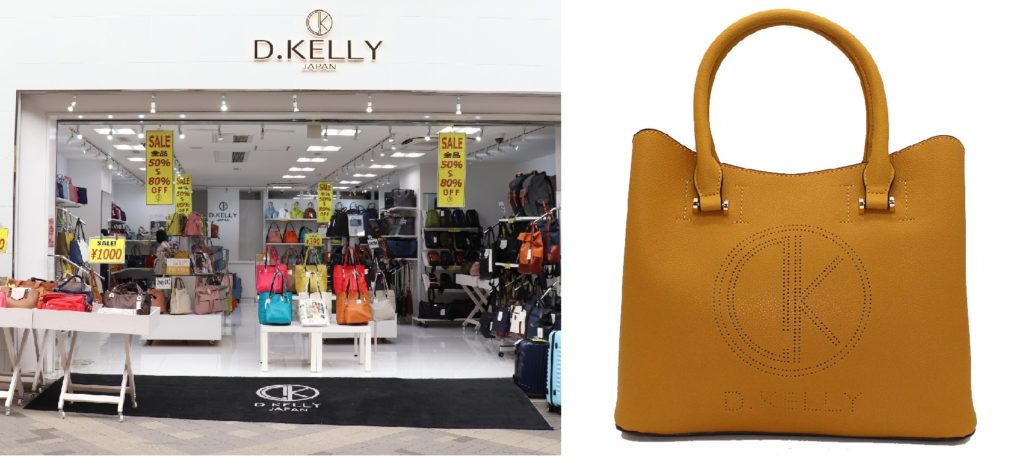
Applicant, a Japanese individual, apparently operates brick-and -mortar shops in Japan and on-line shop to promote hand bags, shoulder bags, tote bags, rucksacks/backpacks and other fashion items.
“D.KELLY” is used on the bags and as its shop name.

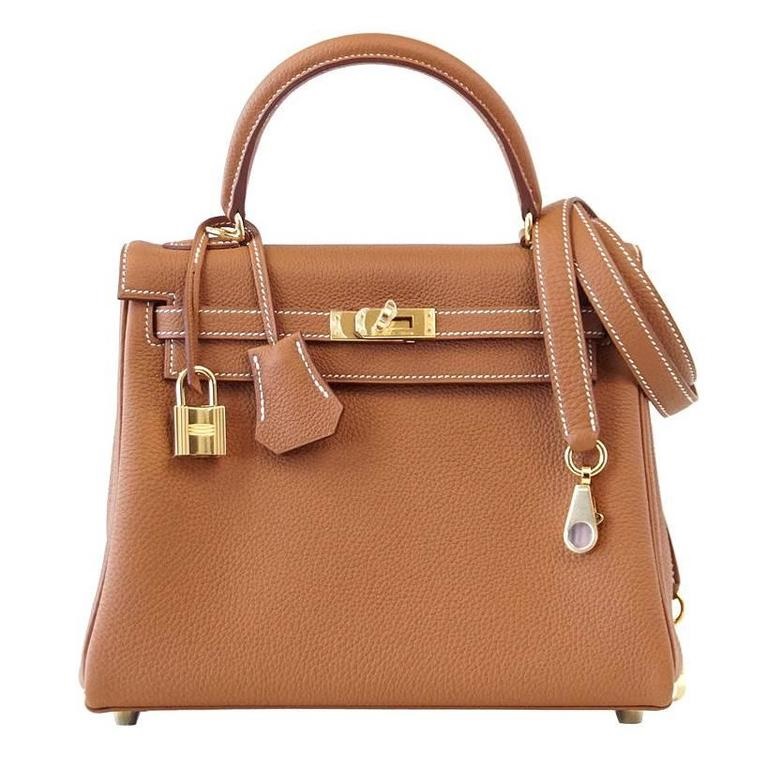
Hermes Kelly Bag

Opponent, HERMES INTERNATIONAL, a French luxury fashion house, claimed that the opposed mark “D.KELLY” shall be liable for cancellation under Article 4(1)(xi) and (xv) of the Japan Trademark Law by citing the Hermes Kelly Bag and an owned senior trademark registration no. 4341534 for word mark “KELLY” in standard character over bags, pouches and other goods in class 18.

Article 4(1)(xi) is a provision to prohibit from registering a junior mark which is deemed identical with, or similar to, any senior registered mark.

Hermes argued opposed mark is perceived as a combination of “D.” and “KELLLY”. The prefix “D.” per se lacks distinctiveness in relation to the goods in question. The mark as a whole does not give rise to any specific meaning at all. As a consequence, the literal portion of “KELLY” shall play a dominant role as a source indicator. If so, opposed mark is deemed confusingly similar to “KELLY” owned by Hermes. Besides, both marks designate same goods in class 18.
Article 4(1)(xv) provides that a mark shall not be registered where it is likely to cause confusion with other business entity’s well-known goods or services, to the benefit of brand owner and consumers.

Given a remarkable degree of reputation of Hermes “Kelly” Bag in relation to bags, relevant consumers with an ordinary care would associate “D.KELLY” with Hermes and confuse its source when used on bags and pouches because “KELLY” is not a common surname in Japan and thus the term is more distinctive than “D.”.

JPO decision

The Opposition Board of JPO sided with Hermes and decided to cancel opposed mark by stating that:

  1. From the produced evidences, Hermes has continuously used the cited mark on bag since 1956, inspired by an icon, Princess Grace Kelly of Monaco. The bag has been advertised or publicized in fashion magazines and internet frequently. Annual sales consecutively reach in the range of JPY 1.6 to 4.6 billion, which amounts 2,000 to 4,000 bags in quantity, for the past fifteen years. The Board admits a high degree of reputation and popularity of opponent mark “KELLY” as a source indicator of Hermes bag.
  2. The Board considers opposed mark is a compound mark of “D” and “KELLY” placing dot(.) in-between. Since an alphabetical letter “D” lacks distinctiveness, relevant consumers would conceive the portion of “KELLY” as a dominant source indicator. If so, opposed mark may give rise to a meaning of Hermes brand bag, identical pronunciation and appearance with opponent’s mark. It is unquestionable that goods in question belongs to that of the citation.
  3. Provided that Hermes “Kelly Bag” has been rather known for in a name of “Kelly Bag” than “Kelly”, the Board finds a high degree of similarity between the marks in relation to bags. If so, it is undeniable that relevant consumers and traders are likely to confuse opposed mark with Hermes “Kelly Bag” or misconceive a source from any entity systematically or economically connected with Hermes International.
  4. Based on the foregoing, opposed mark shall be liable for cancellation based on Article 4(1)(xi) and (xv).

OKLOK vs OKLOCK

In a trademark dispute, similarity between “OKLOK” and “OKLOCK”, the Appeal Board of the Japan Patent Office found both marks dissimilar and reversed examiner’s rejection.
[Appeal case no. 2019-16781, Gazette issued date: March 27, 2020]

OKLOK

A senior mark, consisting of a word “OKLOK” in standard character, was registered on September 21, 2018 (TM Reg no. 6083192) over electric locks; electronic key fobs being remote control apparatus; anti-theft warning apparatus; other goods in class 9 by a Chinese business entity, 深圳市龙兄弟数码锁有限公司 (Shenzhen Longbrothers Digital Co., Ltd.).

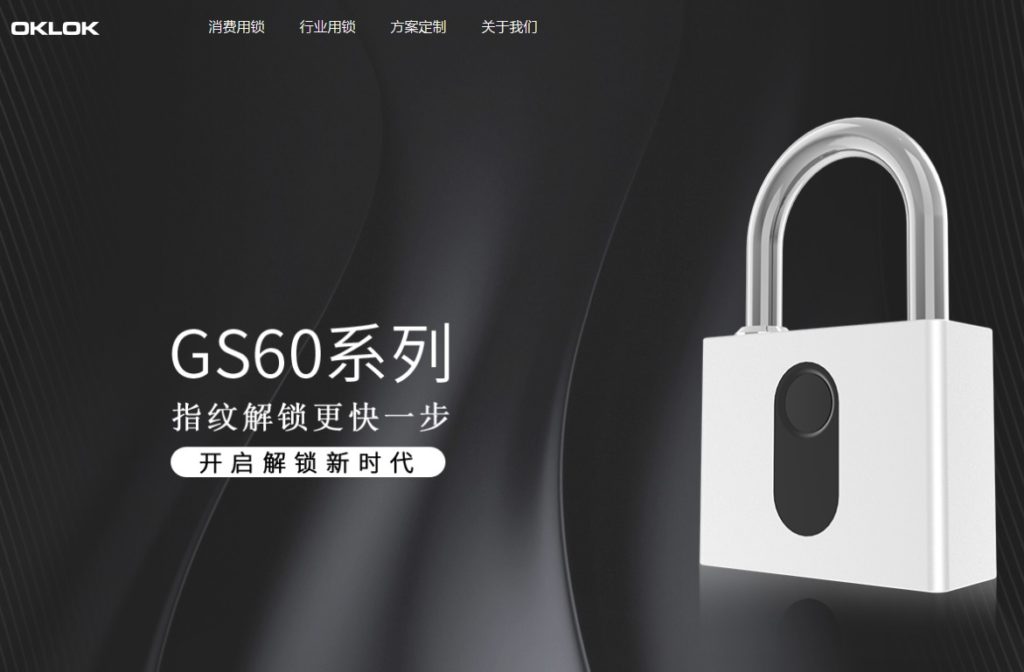
Owner has used “OKLOK” on fingerprint key less padlock, Smart Bluetooth Security Lock with USB Charge and other intelligent anti-theft devices (see below).

[Capture shot of OKLOK official site]

OKLOCK

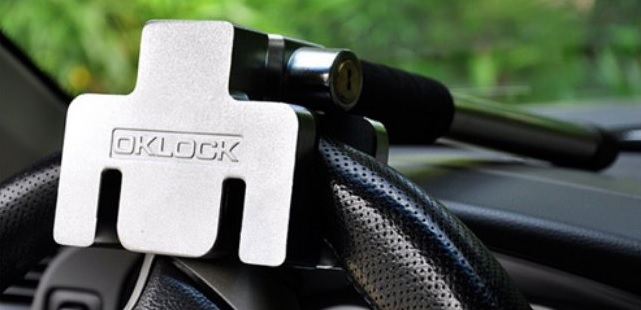
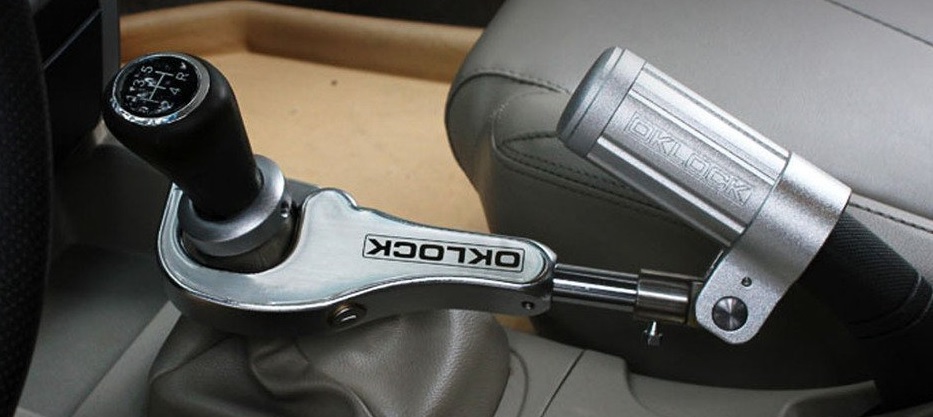
Applied junior mark, consisting of a word “OKLOCK” in standard character, was applied for registration on April 3, 2019 over anti-theft locks for use on automobile steering wheels and other goods in class 12 [TM application no. 2019-47122].

Applicant uses “OKLOCK” on car steering wheel locks and anti-theft car hand brake and gear lock (see below).

The JPO examiner rejected “OKLOCK” because of confusing similarity to “OKLOK” based on Article 4(1)(xi) of the Trademark Law.

Article 4(1)(xi) is a provision to prohibit registering a junior mark which is identical with, or similar to, any senior registered mark.

There is criterion that the examiner is checking when assessing the similarity between the marks:

  • visual similarity
  • aural similarity
  • conceptual similarity

and taking into account all these three aspects examiner makes a decision if a mark is similar (at least to some extent) with the earlier mark and if there is a likelihood of confusion for the consumers.

Applicant filed an appeal against the rejection on December 11, 2019 and argued dissimilarity of both marks.

Appeal Board decision

In the decision, the Appeal Board held that:

From appearance, applied mark “OKLOCK” contains a letter “C” unlike the cited mark “OKLOK”. This gives rise to a distinctive impression visually in the mind of relevant consumers where respective mark consists of five or six-letter words, anything but long.

Next, applied mark is pronounces as [oʊˈkeɪ lɑːk]. In the meantime, the cited mark just gives rise to a pronunciation of [oʊˈkeɪ el ə keɪ] because relevant consumers are likely to see “OKLOK” as a combination of five alphabets and read it as each letter sounds since “OKLOK” does not appear in dictionary.

Thirdly, applied mark does not give rise to any specific meaning in its entirety even though it is perceived as a combination of “OK” and “LOCK”. Likewise, relevant consumers would not conceive any meaning from “OKLOK” and just see it as a coined word. If so, both marks are incomparable from concept.

Based on the foregoing, the Board found no reasonable ground to affirm examiner’s rejection from visual, phonetic, and conceptual points of view and decided to reverse examiner’s rejection.

BRIDGESTONE Victorious in Trademark Dispute for B Mark Logo

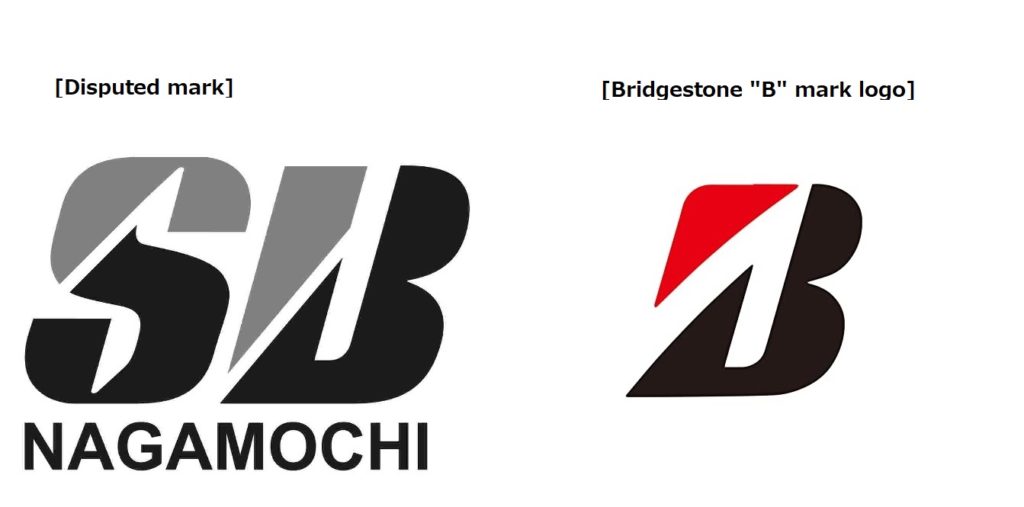
The Japan Patent Office (JPO) upheld an invalidation petition by the world’s largest tire and rubber company, Bridgestone Corporation against TM Reg. no. 5664068 for the “SB NAGAMOCHI” mark due to a likelihood of confusion with its well-known B mark logo.
[Invalidation case no. 2018-890068, Gazette issue date: March 27, 2020]

TM Registration no. 5664068

Disputed mark, consisting of “SB” logo and a word “NAGAMOCHI” in a smaller plain letter (see below left), was applied for registration on September 13, 2013 in respect of non-electric prime movers for land vehicles, not including their parts; AC motors or DC motors for land vehicles, not including their parts; automobiles and their parts and fittings; two-wheeled motor vehicles, bicycles and their parts and fittings; adhesive rubber patches for repairing tubes or tires in class 12.

Without confronting with a refusal during substantive examination, disputed mark was registered on April 18, 2014.

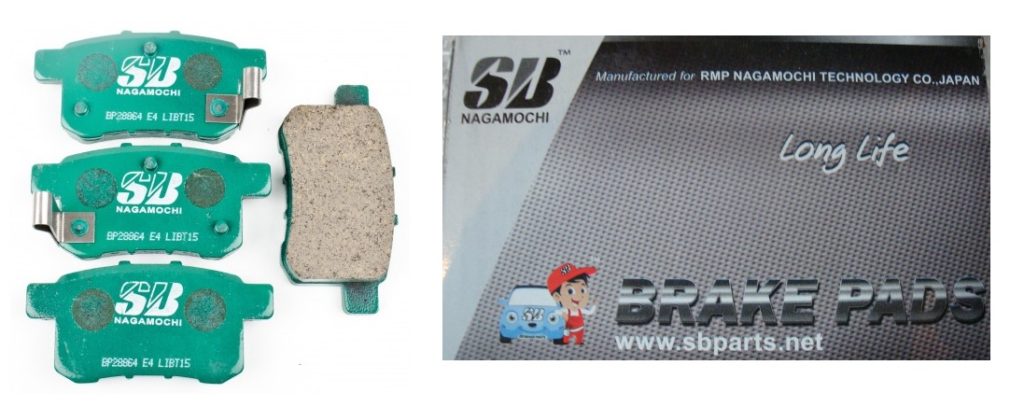
Applicant of disputed mark, RMP NAGAMOCHI Technology Japan Ltd promotes various structural parts for automobiles, e.g. cylinders, brakes and clutch hoses, brake calipers, brake pads, rubber parts, filters, gaskets. Disputed mark was actually used on brake pads (see below).

Petition for invalidation

Japan Trademark Law has a provision to retroactively invalidate trademark registration for certain restricted reasons specified under Article 46 (1) provided that interested party files an invalidation petition within five-year statute of limitations.

Bridgestone Corporation, a Japanese tire and rubber company, filed a petition for invalidation against disputed mark on September 5, 2018. Bridgestone argued the mark shall be invalidated due to a likelihood of confusion with its famous “B” mark logo (see above right) when used on all goods in class 12 based on Article 4(1)(xv) of the Trademark Law.

Article 4(1)(xv) provides that a mark shall not be registered where it is likely to cause confusion with other business entity’s well-known goods or services, to the benefit of brand owner and users.

Board Decision

In the decision, JPO Trial Board sided with Bridgestone by finding that:

  1. In 2016, Bridgestone holds top-ranked market share (14.6%) of automobiles tires in the world, the largest market share (55.9%) of tires and rubber products in Japan.
  2. Bridgestone has consecutively used “B” mark logo on goods and promotions as a symbolic house mark of Bridgestone group since 1984 and even when announcing sponsorship partnership with the Olympic Games and Tokyo2020 Paralympic Games Gold Partner.
  3. Based on the foregoing, it is unquestionable that “B” mark logo has acquired strong and considerable reputation as a source indicator of Bridgestone tires and rubber products among relevant traders and consumers of goods in question.
  4. “B” logo is a ‘strong’ mark because it is depicted with distinctive figurative element so that the mark as a whole can be seen sufficiently distinguishable from an ordinary “B” letter.
  5. Both marks look different when compared in its entirety, however, 2nd letter of “SB” logo is considered highly similar to “B” mark logo from visual point of view.
  6. Disputed goods “automobiles and their parts and fittings; two-wheeled motor vehicles, bicycles and their parts and fittings” and “tires” have the potential to be connected in the minds of the consumers. Since respective products share distributors or can be found in the same stores, there finds proximity in channels of trade and marketing of the products on which the marks are used.
  7. Foregoing weighs in favor of finding confusion. Thus, disputed mark shall be invalidated in violation of Article 4(1)(xv) of the Trademark Law.