Economic Forum Trademark Dispute

World Economic Forum, the International Organization for Public-Private Cooperation committed to improving the state of the world, failed in their attempt to cancel trademark registration no. 6137205 for wordmark “Junior Economic Forum” at the Japan Patent Office (JPO).
[Opposition case no. 2019-900192, Gazette issued date: July 31, 2020]

Junior Economic Forum

Opposed mark (TM Registration no. 6137205), consisting of three words “Junior Economic Forum” in standard character, was applied for registration on June 4, 2018, for ‘educational and instruction services relating to arts, crafts, sports or general knowledge; arranging, conducting and organization of seminars; production of videotape film in the field of education, culture, entertainment or sports; organization of entertainment events’ in class 41 by a Japanese individual and published for opposition on May 14, 2019.

Opposition by WORLD ECONOMIC FORUM

On July 12, 2019, before the lapse of a two-months opposition period, World Economic Forum (WEF), an independent international organization hosting an annual opportunity for leaders across business and government to come together to discuss solutions to the world’s most pressing economic and social challenges in Davos, filed an opposition to the opposed mark.

WEF claimed that the opposed mark “Junior Economic Forum” shall be partially canceled in contravention of Article 4(1)(xi) of the Japan Trademark Law in relation to the service of “arranging, conducting and organization of seminars” of class 41 by citing an owned senior international registration no. 1309337 for word mark “WORLD ECONOMIC FORUM” over the services of ‘Organization, arranging and conducting of colloquiums, conferences, congresses, seminars, symposiums; organization of congresses and conferences for cultural and educational purposes with the purpose to promote discussions on industrial, regional and global changes and issues’ in class 41 and others, which has been effectively registered in Japan since July 21, 2017.

Article 4(1)(xi) is a provision to refrain from registering a junior mark that is deemed identical with, or similar to, any senior registered mark.

WEF argued that since both marks consist of three words and two of them, “Economic Forum” are the same, the opposed mark “Junior Economic Forum” as a whole is deemed similar to “WORLD ECONOMIC FORUM” from visual, phonetic and conceptual points of view.
Besides, the service in question ‘arranging, conducting, and organization of seminars’ is unquestionably similar to the designated services of the citation.

JPO Decision

The Opposition Board decided both marks are distinctively dissimilar by stating that:

  1. From appearance, the difference in the prefix, “Junior” and “WORLD”, would give rise to a distinctive impression between the mark as a whole since the prefix is considered as the dominant element in visual assessment.
  2. Likewise, both marks shall be sufficiently distinguishable in sound as a whole due to the difference in prefix.
  3. It would not happen confusion in concept since both marks are unlikely to give rise to any specific meaning.
  4. From the totality of the circumstances, relevant consumers would neither associate nor connect “Junior Economic Forum” with “WORLD ECONOMIC FORUM”

Consequently, the opposed mark is not subject to Article 4(1) (xi) and remains valid as a status quo.
POLO RALPH LAUREN vs. US POLO ASSN

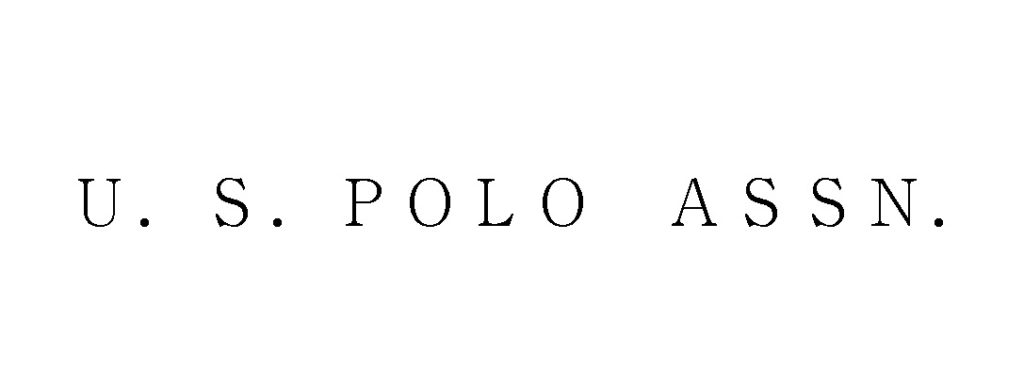
The Appeal Board of the Japan Patent Office (JPO) affirmed Examiner’s refusal to register the wordmark “U.S. POLO ASSN.” due to similarity to and a likelihood of confusion with earlier registered mark “POLO” owned by The Polo/Lauren Company, L.P.
[Appeal case no. 2018-5222, Gazette issued date: July 31, 2020]

“U.S. POLO ASSN.”

United States POLO Association filed a trademark registration for wordmark “U.S. POLO ASSN.” in standard character on January 13, 2016, over various kinds of bags, leather products, and other goods in class 18. [TM application no. 2016-3277]

On January 12, 2018, the JPO Examiner rejected the applied mark in contravention of Article 4(1)(xi) and (xv) of the Japan Trademark Law on the grounds that “U.S. POLO ASSN.” contains a term “POLO” which has become famous as a source indicator of The Polo/Lauren Company, L.P in connection with clothing and home décor. Relevant consumers with ordinary care would conceive the term as a prominent portion of the applied mark. If so, both marks shall be deemed similar or likely to cause confusion when used on the goods in question.

Article 4(1)(xi) is a provision to prohibit from registering a junior mark that is deemed identical with, or similar to, any senior registered mark.

Article 4(1)(xv) is a provision to prohibit any mark from being registered where it is likely to cause confusion with other business entity’s well-known goods or services, to the benefit of brand owner and users’ benefits.

U.S. POLO ASSN filed an appeal against Examiner’s refusal on April 16, 2018.

JPO decision

JPO admitted a high degree of reputation and popularity of “POLO” as a source indicator of The Polo/Lauren Company, L.P in connection with clothing as well as bags based on following fact-findings.

  1. American company Polo Ralph Lauren was founded in 1967 in New-York by fashion designer Ralph Lauren. The 1980s and 90s saw massive expansion for the Ralph Lauren brand and it became a worldwide phenomenon.
  2. “POLO” appears with definitions of ‘trademark of US designer, Ralph Lauren’ and ‘leather products designed by Ralph Lauren’ in some dictionaries which clearly demonstrate “POLO” is known as an abbreviation of ‘POLO RALPH LAUREN’.
  3. “POLO” has been substantially used adjacent to “RAPLH LAUREN” on various goods and frequently advertised as a famous brand of RALPH LAUREN in the media.
  4. A customer survey conducted in January 2010 from 900 adults age 20 years and older revealed that RALPH LAUREN has ranked 3rd-most popular brand in clothing after Burberry and UNIQLO.
  5. Annual sales exceed USD4,800 million in 2008, USD7,450 in 2013.

The Board found the applied mark “U.S. POLO ASSN.” shall be seen as a composite mark consisting of “U.S.”, “POLO” and “ASSN.” Since the last word “ASSN.” is too unfamiliar to average Japanese consumers to see it as an abbreviation of ‘association’, the applied mark would not give rise to any specific meaning as a whole. Besides, its pronunciation ‘ˌjuː.es poʊ.loʊ eɪeɪesén’ sounds redundant. Even if the second word “POLO” means ‘a game played on horseback by two teams of four players each’, given a high reputation of the word as a source indicator or an abbreviation of ‘POLO RALPH LAUREN’ the Board can’t overlook the fact that it has the same spelling as RALPH LAUREN’s famous apparel brand.

If so, relevant consumers would consider “POLO” as a prominent portion of the applied mark and it shall be permissible to compare the portion with the cited mark in assessing similarity of mark.

In this viewpoint, the applied mark would give rise to a sound of ‘poʊ.loʊ’ and the meaning of “RALPH LAUREN’s famous apparel brand”. Therefore, the applied mark shall be deemed confusingly similar to senior registered mark “POLO” owned by The Polo/Lauren Company, L.P in class 18, and others (TM Registration no. 4040052, 4931614, and 4931615).

Based on the foregoing, the Board found that Examiner didn’t error in fact-finding nor applying Article 4(1)(xi) and (xv) of the Trademark Law and decided to refuse the applied mark accordingly.

Is “You Tuber” a source indicator of Google?

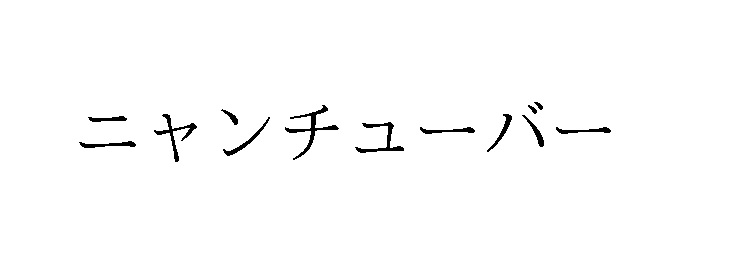
The Japan Patent Office (JPO) recently dismissed Google LLC’s invalidation petition against TM Reg. no. 5999063 for word mark “NYAN TUBER” by finding “YouTuber” would be famous, but not as a source indicator of Google.
[Invalidation case no. 2018-890081, Gazette issued date: June 26, 2020]

Disputed mark

PECO Co., Ltd., a Japanese business entity working on the health benefits of the human-animal bond, filed a trademark application for word mark “NYAN TUBER” written in Japanese Katakana character (see below) on pet-related services in class 35 and 42 to the JPO on April 3, 2017.

“Nyan” is the sound cats make in Japan. Cats don’t make the same sounds in other countries. In the United States, it sounds like meow. In Germany, it’s miau; and, in France, it’s miaou.

So, “NYAN TUBER” easily reminds Japanese consumers of a person who frequently uploads videos of cats to ‘YouTube’.

The disputed mark was registered on November 24, 2017 (TM Registration no. 5999063).

Invalidation petition by Google

On October 24, 2018, Google LLC filed a petition for invalidation and alleged among others the disputed mark shall be invalidated in contravention of Article 4(1)(vii),(x),(xi),(xv),(xix) of the Trademark Law due to similarity to, or a likelihood of confusion with “YouTuber”

Google argued “YouTuber” has become famous as an indication closely associated with Google’s well-known online video sharing services ‘YouTube’. Because of it, relevant consumers and traders at sights of the disputed mark would connect or associate it with ‘YouTuber’.

YOU TUBER

According to recent polls, becoming a YouTuber or vlogger becomes the most popular career goal for Japanese children and teenagers.

TOP 5 JOBS BOYS WANT (2019)
1. Youtuber/Vlogger, 2. Soccer player, 3. Baseball player, 4. Driver, 5. Policeman

PECO counterargued that it becomes usual for YouTubers to use him/her YouTube name “___Tuber”. If so, relevant consumers at the sight of “NYAN TUBER” videos would just consider the disputed mark represents the video or a person who uploaded it and never conceive the mark as a source indicator of Google or YouTube.

Invalidation Board decision

The JPO Invalidation Board did not question a high degree of popularity and reputation of “YouTube” as a source indicator of Google’s online video sharing services.

In the meantime, the Board found “YouTuber” would be recognized as a generic term to represent ‘a person who creates and uploads videos on the YouTube online video sharing service’ by referring to some dictionaries. In fact, Google does not register the term over any goods and services at all, and thus the Board denied the famousness of “YouTuber” as a source indicator of Google’s service.

With regard to the assessment of the similarity between “YouTuber” and “NYAN TUBER”, the Board found that both marks are dissimilar as a whole even though they have partially the same in the suffix. The difference in the prefix, “NYAN” and “YOU” substantially gives rise to a distinctive impression from appearance, sound, and concept as a whole in the minds of relevant consumers. Accordingly, both marks would be anything but confusingly similar.

Based on the foregoing, the Board dismissed Google’s allegations entirely and declared validation of the disputed mark.

Is “MAHARAJA” a generic term in relation to Indian restaurants?

On July 8, 2020, the Japan IP High Court affirmed the JPO’s rejection in a trademark dispute over the “MAHARAJA” mark for Indian restaurant services in class 43. [Judicial case no. Reiwa2(Gyo-ke)10022]

Disputed mark

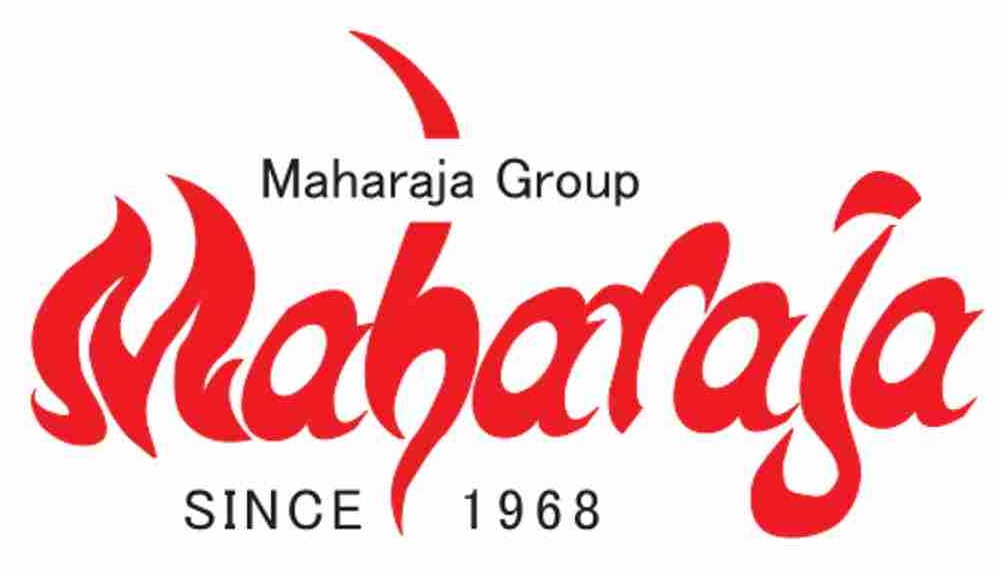
The disputed mark prominently consists of “Maharaja” with stylization in red (see below).

The mark was filed by MAHARAJA.CO., LTD, on December 25, 2017, designating the services of providing Indian cuisine; providing alcoholic beverages, tea, coffee, or juices; providing hotel accommodation in class 43 [TM application no. 2017-168406].

The applicant allegedly opened the first “Maharaja” Indian restaurant at Shinjuku (Tokyo) in 1968 and now operates the “Maharaja” restaurants at some places in Japan.

JPO decision

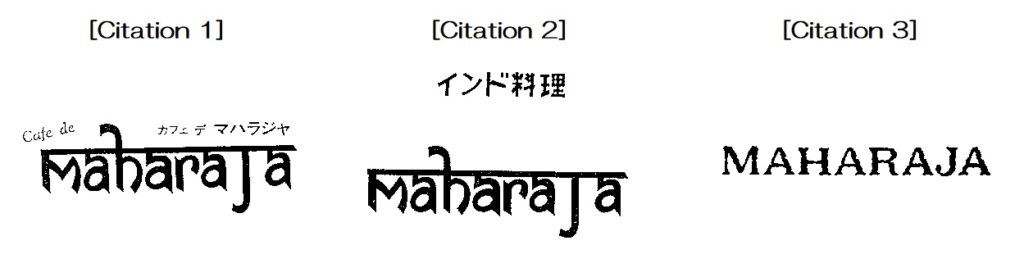
The Japan Patent Office (JPO) rejected the disputed mark in contravention of Article 4(1)(xi) of the Japan Trademark Law by citing the following senior registrations.

Article 4(1)(xi) is a provision to prohibit registering a junior mark which is identical with, or similar to, any senior registered mark.

The JPO found that the stylized “Maharaja” term, due to its position, larger font, and color, dominates the perception of the disputed mark. If so, the disputed mark obviously gives rise to the same sound and meaning with the Citations. “MAHARAJA” means the head of one of the royal families that used to rule parts of India (Collins English Dictionary). Because of a high degree of phonetic and conceptual similarity, the mere difference in appearance is not sufficient to neutralize the similarity.

Besides, it is unquestionable that the disputed mark designates identical or similar services with the Citations.

For the reader’s reference, I had better explain that the Citations are respectively co-existing on similar services of providing Indian cuisine; providing alcoholic beverages in the same class. It is because these were filed just after the implementation of Servicemark in 1992 and the Trademark Law exceptionally secured for registration to protect the existing business status even if similar marks are filed by other entities on the condition that business owners apply for registration within a statutory period for the implementation.

To contest the JPO decision [Appeal case no. 2019-4961], the applicant appealed to the IP High Court on February 19, 2020.

IP High Court ruling

Applicant argued that since “MAHARAJA” has become a generic term in relation to Indian restaurant services, relevant consumers would find the appearance of the “MAHARAJA” mark rather than sound and meaning as a material clue to distinguish such restaurants. To bolster the argument, the applicant referred to the fact that 14 (fourteen) restaurants managed by an entity other than the applicant provide Indian foods using tradename “MAHARAJA” in Japan.

Given relevant consumers are accustomed to seeing the term “MAHARAJA” in close connection with Indian foods, it would likely be a generic term in relation to the service in question. If so, the aural and conceptual elements of generic term shall not be taken into consideration in assessing the similarity of the mark. The JPO errored in finding the background of the case appropriately.

The court, however, did deny the applicant’s allegation, stating that the on-line database of NTT telephone directory (town page) shows 2162 Indian restaurants exist in Japan as of 2017. It means more than 2,100 Indian restaurants use a tradename other than “MAHARAJA”. Under the circumstances, the court would not find a reasonable reason to believe “MAHARAJA” has become a generic term in relation to the service.

Even though there are plenty of Indian restaurants under the tradename of “MAHARAJA” in Japan as the applicant argues, the court would not be convinced if relevant consumers distinguish such restaurants simply by means of the visual elements of a mark (tradename). Because the court finds it commercial practice for shop owners to modify the font and color of mark (tradename) depending on its place and venue.

Based on the foregoing, the court decided that the JPO did not error in finding similarity of the mark and dismissed the appeal entirely.

ZARA Fails in Japanese Trademark Opposition Against “ZORA”

The Japan Patent Office (JPO) dismissed an opposition filed by Industria de Diseño Textil, SA (INDITEX), owner of the fashion brand “ZARA” against trademark registration no. 6164247 for word mark “ZORA” in class 18 by finding dissimilarity to and less likelihood of confusion with “ZARA”.
[Opposition case no. 2019-900291, Gazette issued date: June 26, 2020]

Opposed mark

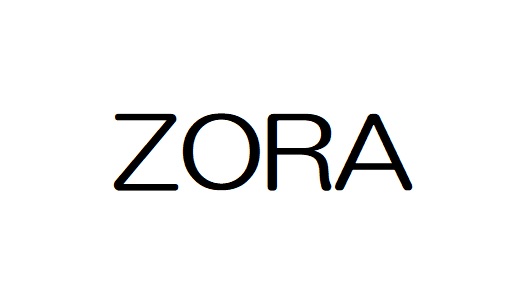
Opposed mark, consisting of a wordmark “ZORA” in standard character, was applied for registration in the name of CREST Co., Ltd., a Japanese company offering a wide variety of bags, pouches, and wallets for women or kids, on July 20, 2018, by designating bags, pouches, wallets in class 18, and published for opposition on August 13, 2019, without confronting with office action from the JPO.

Opposition by Inditex

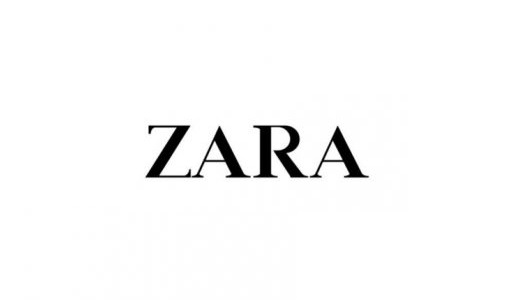
Opponent, INDITEX, one of the world’s largest fashion retailers and owner of the fashion brand “ZARA”, claimed opposed mark “ZORA” shall be revocable in contravention of Article 4(1)(xi), (xv) and (xix) of the Japan Trademark Law by citing senior trademark registrations for word mark “ZARA” in relation with bags, pouches, wallets in class 18 and 35.

Article 4(1)(xi) is a provision to prohibit from registering a junior mark that is deemed identical with, or similar to, any senior registered mark.

INDITEX argued “ZORA” is similar to its own trademark “ZARA”, a worldwide famous fast-fashion brand, from visual, phonetic and conceptual points of view. Besides, the goods in question are identical.

Article 4(1)(xv) prohibits registering a trademark which is likely to cause confusion with the business of other entities.

INDITEX argued, given “ZARA” has acquired a remarkable reputation among relevant consumers and the close resemblance between the marks and goods, relevant consumers are likely to confuse or misconceive opposed mark with “ZARA”.

Article 4(1)(xix) prohibits registering a trademark that is identical with, or similar to, other entity’s famous mark, if such trademark is aimed for unfair purposes, e.g. gaining unfair profits, or causing damage to the entity.

INDITEX argued the applicant must have filed opposed mark aiming to gain unfair profits by the free-riding opponent famous trademark “ZARA”.

JPO Decision

The JPO Opposition Board admitted a high degree of reputation and popularity of “ZARA” among relevant consumers and traders as a source indicator of the opponent in connection with clothing based on the facts that (i) “ZARA” launched fashion business in Japan since 1998 and increased the number of its stores in Japan to 100 as of December 2019, (ii) worldwide sales in excess of EUR 18 billion. (iii) ZARA has been ranked No.24(2017), No.25(2018), No.29(2019) on Interbrand’s list of the most valuable global brands.

In the meantime, the Board held “ZORA” and “ZARA” are obviously dissimilar in appearance and pronunciation by stating that difference on the second letter and the first sound would be anything but negligible given both marks visually consists of four alphabets and aurally just two sounds. As for the concept, it is incomparable since either mark does not give rise to any specific meaning.

If so, both marks are unlikely to cause confusion due to dissimilarity between the marks. Besides, the Board could not identify any ground to believe the applicant filed opposed mark for unfair purposes or causing damage to the entity.

Based on the foregoing, the JPO dismissed the entire allegations of INDITEX and allowed “ZORA” to survive.

Japan IP High Court sided with Apple Inc. in “CORE ML” trademark dispute

On May 20, 2020, the Japan IP High Court denied the JPO decision and sided with Apple Inc. by finding the “CORE ML” mark is dissimilar to senior trademark registration no. 5611369 for word mark “CORE” in connection with computer software of class 9.
[Case no. Reiwa1(Gyo-ke)10151]

CORE ML

Apple Inc. filed a trademark application for word mark “CORE ML” in standard character by designating computer software in class 9 on November 6, 2017 (TM App no. 2017-145606).

Apple’s Core ML is its own framework for Machine Learning used across Apple products for performing fast prediction or inference with easy integration of pre-trained machine learning models on the edge, which allows you to perform real-time predictions of live images or video on the device.

JPO decision

The Japan Patent Office (JPO) rejected “CORE ML” in contravention of Article 4(1)(xi) of the Trademark Law due to a conflict with senior trademark registration no. 5611369 for word mark “CORE” in standard character over electronic machines, computer software, and other goods in class 9 owned by Seiko Holdings Corporation.

Article 4(1)(xi) is a provision to prohibit from registering a junior mark that is deemed identical with, or similar to, any senior registered mark.

In the decision, the JPO stated applied mark apparently consists of two words, “CORE” and “ML”. The term “CORE”, a familiar English word meaning ‘a central and foundational part’, would play a role of source indicator in connection with the goods in question. In the meantime, “ML” is a descriptive term since it is commonly used as an abbreviation of ‘Machine Learning’ in the computer software industry. If so, it is permissible to select the term “CORE” as a dominant portion of applied mark and compare it with the cited mark “CORE”.

To contend against the decision, Apple Inc. filed an appeal to the IP High Court.

IP High Court ruling

The IP High Court, at the outset, referred to the Supreme Court ruling in 2008 which established the criterion to grasp a composite mark in its entirety in the assessment of similarity of the mark.

“Where a mark in dispute is recognized as a composite mark consisting of two elements or more, it is not permissible to assess the similarity of mark simply by means of taking out an element of the composite mark and then comparing such element with the other mark, unless consumers or traders are likely to perceive the element as a dominant portion indicating its source of origin of goods/service, or remaining elements truly lack inherent distinctiveness as a source indicator in view of sound and concept.”

Based on the criteria, the court found that applied mark shall be assessed in its entirety on the following grounds:

  1. “CORE” would be merely recognized as a term to mean ‘a central and foundational part’ in connection with goods in question.
  2. It is unlikely that relevant consumers at the sight of “CORE ML” used on computer software conceive the term “ML” as an abbreviation of ‘machine learning’. If so, “ML” would not give rise to any specific meaning.
  3. The above facts suggest that “CORE” would never play a dominant role and “ML” shall not be considered less distinctive than “CORE” as a source indicator in view of the concept.
  4. From appearance and sound, there is no reasonable ground to believe “CORE” and “ML” shall be recognized individual and separable.

Based on the foregoing, the court pointed out the JPO erred in finding applied mark appropriately and decided that the applied mark “CORE ML” is deemed dissimilar to the cited mark “CORE” as a whole given the remarkable difference in sound and appearance, even if both marks resemble in concept.

LEPUS vs. LEPS

In an appeal decision, the Japan Patent Office (JPO) overturned the examiner’s rejection and decided to register trademark “LEPS” by finding dissimilarity to senior registration for mark “LEPUS” even if both marks designate similar goods in class 12.
[Appeal case no. 2019-6626, Gazette issued date: March 27, 2020]

LEPS

Applicant, GS Yuasa Corporation, filed a trademark application for term “LEPS” in standard character over solar batteries, power distribution or control machines, and apparatus, rotary converters, phase modifiers of class 12 on December 18, 2017 (TM application no. 2017-165431).

JPO examiner rejected the applied mark in contravention of Article 4(1)(xi) of the Trademark Law by citing senior trademark registration no. 3194818 for mark “LEPUS”

Article 4(1)(xi) is a provision to prohibit registering a junior mark which is identical with, or similar to, any senior registered mark.

LEPUS

Cited mark “LEPUS” (see below), owned by Mitsubishi Motors Corporation, has been registered since September 1996 over automobiles and their parts and fittings, two-wheeled motor vehicles, bicycles, and their parts and fittings, AC motors or DC motors for land vehicles in class 12.

On April 25, 2019, GS Yuasa filed an appeal against the rejection and argued dissimilarity of the marks.

Appeal Board decision

In the decision, the Appeal Board held that:

From appearance, even if both marks start with “LEP” and end with “S”, with or without “U” in the middle of a short word consisting of four or five letters would be anything but negligible. Because of it, the marks as a whole give rise to a distinctive visual impression in the minds of relevant consumers. Accordingly, both marks are unlikely to cause confusion from appearance.

Applied mark “LEPS” is pronounced as “le-ps”. In the meantime, cited mark “LEPUS” shall be “le-pəs”. The difference in the 2nd sound, “p” and “pə”, would be influential in the overall pronunciation given both marks aurally consist of just three sounds. Due to the difference, both sounds can be distinguishable in tone and linguistic feeling when pronounced at a time.

Conceptually, applied mark is incomparable with cited mark since both marks would not give rise to any specific meaning at all.

Based on the foregoing, the Board concluded: “applied mark “LEPS” would be deemed dissimilar to cited mark “LEPUS” from the global appreciation of the visual, aural and conceptual similarity of the marks in question, and based on the overall impression and association given by the marks to relevant traders and consumers with ordinary care“.

Consequently, the Board reversed the examiner’s rejection due to the dissimilarity of the marks even if the goods in question are similar and allowed registration of the applied mark (TM registration no. 6234714).

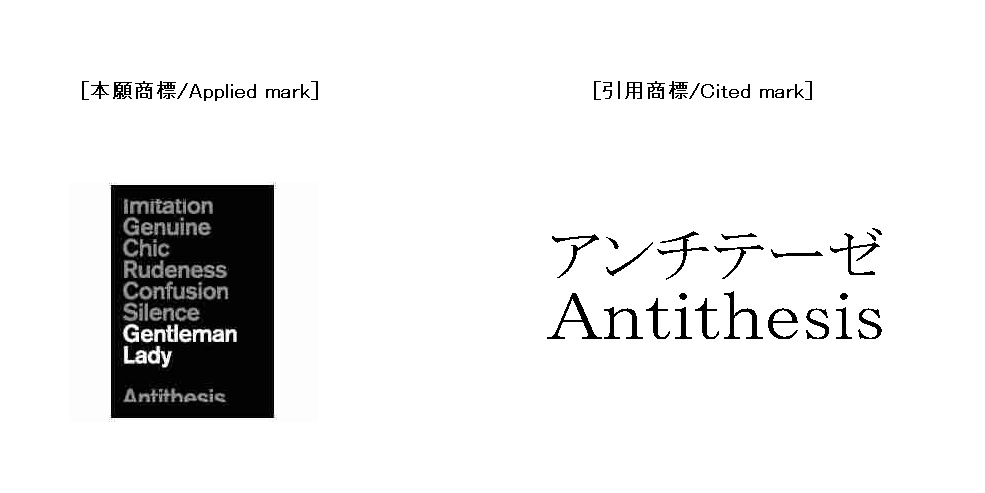
JPO decided “Antithesis” dissimilar to a mark consisting of it and other eight terms placed in 9 rows

In an administrative appeal disputing trademark similarity between TM registration no. 5661343 for word mark “Antithesis” with its transliteration in Japanese katakana and junior application no. 2017-101730 for a mark consisting of “Antithesis” and the other eight English terms placed in 9 rows, JPO found both marks dissimilar and reversed the examiner’s rejection.
[Appeal case no. 2019-652, Gazette issued date: March 27, 20]

TM Registration no. 5661343

Cited mark, the term “Antithesis” with its transliteration in a Japanese katakana character (see below) has been registered over clothing, footwear, and other goods in class 25 since April 4, 2014.

Junior Application no. 2017-101730  

Applied mark, consisting of nine English terms “Imitation”, “Genuine”, “Chic”, “Rudeness”, “Confusion”, “Silence”, “Gentleman”, “Lady”, and “Antithesis” placed in 9 rows inside a black rectangle (see right), was applied for registration on August 1, 2017, over clothing, footwear, and other goods in class 25 by Element Rule Co., Ltd.

JPO examiner entirely rejected applied mark on the ground that the term “Antithesis” on the bottom row can play a role of source indicator independently because of overall configuration and space above the bottom row. If so, the applied mark as a whole shall be deemed similar to the cited mark.

The applicant filed an appeal against the rejection on May 20, 2019, and argued dissimilarity of both marks.

Appeal Board decision

In the decision, the Board found that:

“From the appearance, “Antithesis” on the bottom row shall not be separable since the term is written in the same font, color, size with other terms “Imitation”, “Genuine”, “Chic”, “Rudeness”, “Confusion”, “Silence” even if there is space in the trademark.
Besides, nine terms do not give rise to any specific meaning in its entirety.  Neither do eight terms except “Antithesis”.
If so, there is no reasonable reason to believe that relevant consumers consider the term “Antithesis” on the bottom row or any other terms a dominant part of the applied mark.
It rather does mark sense that applied mark shall be perceived as a whole displaying respective English word in a different row inside a black rectangle.”

Based on the foregoing, the Board held that the Examiner erred in finding the term “Antithesis” separable as an independent source indicator of the applied mark, and decided to reverse the examiner’s rejection.


I don’t quite agree with the Appeal Board decision. In my view, the respective term contained in a junior mark shall be considered separable unless it gives rise to different meanings in a tight combination with other distinctive terms.

TWITTER Unsuccessful in “TWEET” Trademark Opposition at JPO

The Japan Patent Office (JPO) dismissed a trademark opposition claimed by social media giant, Twitter, Inc. against trademark registration no. 6138010 for word mark “TWEET” in class 33 by finding the TWEET mark is relatively unknown as a source indicator of Twitter Inc.
[Opposition case no. 2019-900193, Gazette issued date: April 24, 2020]

Opposed mark

A wordmark “TWEET” in standard character was filed by a Japanese sake brewery, Shirataki Sake on June 21, 2018, over Japanese sake [Nihonsyu]; sake, distilled rice spirits; sake substitute; Japanese white liquor [Shochu]; Japanese sweet rice-based mixed liquor [Shiro-zake]; Naoshi [Japanese liquor]; Japanese Shochu-based mixed liquor [Mirin]; western liquors; alcoholic fruit beverages; Japanese Shochu-based beverages [Chuhai]; Chinese liquors; flavored liquors in class 33, and published for opposition on May 14, 2019, after registration on April 12, 2019.

Opposition by Twitter, Inc.

On July 12, 2019, US social media giant, Twitter, Inc. filed an opposition and argued opposed mark shall be revocable in contravention of Article 4(1)(xv) and (xix) of the Japan Trademark Law due to a likelihood of confusion with, or identical with its famous “TWEET” mark registered in various classes other than 33.

Article 4(1)(xv)

Article 4(1)(xv) prohibits registering a trademark which is likely to cause confusion with the business of other entities.

Twitter is a ‘microblogging’ system that allows users to send and receive short posts called “tweets”. Tweets can be up to 140 characters long and can include links to relevant websites and resources. The Japanese version of Twitter was launched in 2008 and its MAU (monthly active users) has been increasing since. Compared to the American population, 35.7% of Japanese actively use Twitter actively while only 20.7% of Americans actively use Twitter. Now, 17% of Twitter’s worldwide revenue comes from the Japanese market.

Twitter, Inc. argued that the above facts suggest “TWEET” has acquired substantial reputation and popularity among the general public in Japan as a source indicator of the opponent.

Even though goods in dispute are remotely associated with SNS services, a lot of alcoholic consumers have obviously made use of Twitter and “tweet” since major breweries advertise their goods on Twitter so frequently and gain a substantial number of followers on Twitter.

If so, relevant consumers of goods in dispute are likely to misconceive the source of goods bearing opposed mark with Twitter, Inc., or any entity systematically or economically connected with the opponent.

Board Decision

The Opposition Board admitted a remarkable degree of reputation and popularity of opponent trademark “Twitter” in connection with a real-time communication service based on the produced evidence boasting more than 45 million MAU in Japan as of December 2018.

Meanwhile, the Board questioned if “TWEET” has been used as a source indicator of opponent business since the evidence shows the term has been used to indicate function or usage of Twitter in a descriptive manner. Consequently, the Board found “TWEET” is relatively unknown as a source indicator of Twitter Inc.

Based on the foregoing, the Board decided opposed mark shall not be revocable in contravention of Article 4(1)(xv) and (xix) since it is unlikely that relevant consumers conceive of the opponent or connect the alcoholic beverages bearing opposed mark “TWEET” with Twitter.

Never Register “BOND GIRL” Never Again

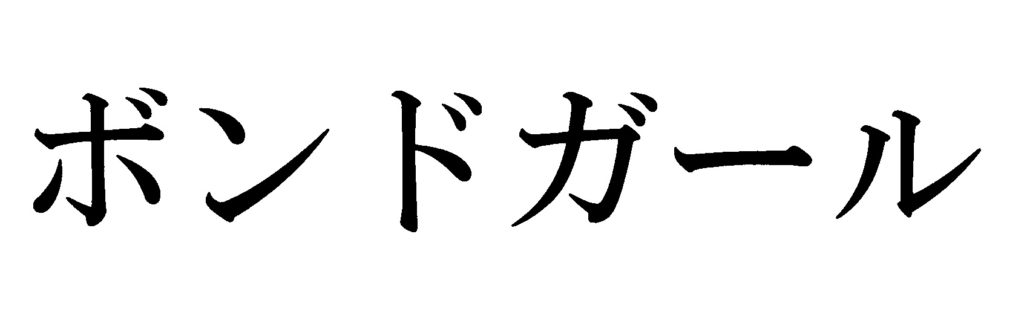
In a recent administrative decision, the Japan Patent Office (JPO) sided with Danjaq, LLC, and declared invalidation of a wordmark “BOND GIRL” written in a Japanese katakana character in contravention of Article 4(1)(vii) of the Trademark Law.

[Invalidation case no. 2019-890044, Gazette issued date: April 24, 2020]

Disputed mark

“BOND GIRL” written in a Japanese katakana character (see below) was filed to JPO on the service of ‘arranging, conducting, and organization of seminars’ in class 41 by a Japanese individual on November 4, 2015, and registered on December 2, 2016.

Opposition & Invalidation petition by Danjaq, LLC

On March 9, 2017, just before the lapse of a two-months opposition period, Danjaq, LLC, the holding company responsible for the copyright and trademarks to the characters, elements, and other material related to James Bond on screen, filed an opposition to the disputed mark.

However, since Danjaq failed to supplement arguments for opposition within a statutory period, the JPO decided to dismiss the opposition entirely.

On August 2, 2019, Danjaq filed a petition for invalidation and argued disputed mark shall be invalid in contravention of Article 4(1)(vii), (xv) and (xix) of the Trademark Law by citing world-famous cinematic heroine “BOND GIRL” in the James Bond film series “007”.

Article 4(1)(vii)

Article 4(1)(vii) of the Trademark Law prohibits any mark likely to cause damage to public order or morality from registration.

In the petition, Danjaq argued “BOND GIRL” has appeared as a love interest of James Bond in the movies for over 55 years since 1962. Due to frequent appearances in magazines, other public media, and various events pertinent to the Japes Bond movie, the name and sign of “BOND GIRL” has been well-known for cinematic heroine in association with the film series “007”.

If so, it is presumed that the applicant intentionally applied disputed mark with an aim to monopolize the term. Since the applicant does not have any legal interest with Danjaq, a legitimate owner of trademarks and copyrights pertaining to the 007 movies, it must impermissibly cause not only damage to public order but the disorder in domestic and foreign trade.

Invalidation Board decision

The Invalidation Board initially noted that the James Bond film series “007” is world-widely known motion pictures. From the produced evidence, the cinematic heroine “Bond girl” has regularly attracted audiences through screens, magazines, and promotional events of the movie. The sign “BONG GIRL” had further extensive marketing and licensing to companies in vastly different product categories, not only with products associated with the motion pictures, e.g. nails, cosmetics, dolls, cards, calendars, and others. Relevant consumers at the sight of the disputed mark would conceive nothing but the cinematic heroine in the film. The Board, therefore, considered that “BOND GIRL” has become worldly famous as a cinematic heroine that appeared in the “007” film series.

The Board continued in analyzing efforts made by Danjaq to enhance the commercial value of “BOND GIRL” by means of trademark registrations in various jurisdictions and licensing to different product categories.

The Board finally concluded that taking into account the foregoing, since it appears that the applicant makes less contribution to establishing reputation and goodwill on “BOND GIRL”, it shall be impermissible for the applicant to monopolize the term on service in question.

To prevent damage to public order, the disputed mark shall be retroactively invalidated in contravention of Article 4(1)(vii).

In the meantime, surprisingly, the Board denied Danjaq’s allegation regarding a likelihood of confusion because “BOND GIRL” is just famous for cinematic heroine, not as a source indicator of Danjaq.