General Motors defeated in trademark opposition over HUMMER

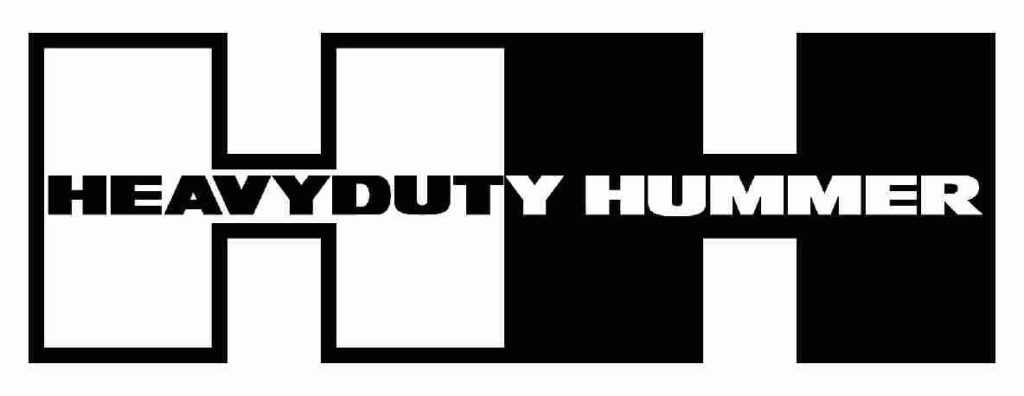
The Japan Patent Office (JPO) dismissed a trademark opposition claimed by General Motors LLC against TM Reg no. 6387036 for “HEAVYDUTY HUMMER” with “HH” device by finding dissimilarity to and the unlikelihood of confusion with the automotive brand “HUMMER.

[Opposition case no. 2021-900295, Gazette issued date: September 30, 2022]

HEAVY DUTY HUMMER

The opposed mark, consisting of a word “HEAVYDUTY HUMMER” and “HH” device (see below), was filed with the JPO on February 18, 2021, for use on bicycles in class 12 and tent in class 22.

By virtue of the accelerated examination procedure, the mark was granted protection in two months (April 21, 2021) and published for opposition on June 1, 2021.


Opposition by General Motors

On August 2, 2021, before the lapse of a two-month opposition period, General Motors LLC filed an opposition by citing earlier TM Reg no. 2682898 for the wordmark “HUMMER” in classes 6,9,12,13,22.

In the opposition, GM contended that the opposed mark shall be canceled in contravention of Article 4(1)(xi) and (xv) of the Japan Trademark Law.

Article 4(1)(xi) is a provision to refrain from registering a junior mark that is identical with, or similar to, any senior registered mark.

Article 4(1)(xv) provides that a mark shall not be registered where it is likely to cause confusion with other business entities’ well-known goods or services, to the benefit of the brand owner and users.

GM argued that the opposed mark is similar to earlier registration for the mark “HUMMER” and relevant consumers are likely to confuse or misconceive the opposed mark with GM or any business entity systematically or economically connected with the opponent due to the high popularity of the opponent’s automotive brand “HUMMER” and the close resemblance between the opposed mark and “HUMMER”.


JPO decision

The Board negated a certain degree of reputation and popularity of the HUMMER mark among relevant consumers and traders as a source indicator of GM by stating:

“From the produced evidence, the opponent allegedly has used the cited mark as a brand name for four-wheel drive vehicles since 1999 that have been imported and sold in Japan since at least 2002. However, GM terminated its production in May 2010. Besides, being that there is no clear evidence to demonstrate the timing, sales volume, sales amount, market share, scale of marketing, and advertising in relation to “automobiles” and “bicycles” in Japan, the Board has no reason to find the cited mark has been widely recognized by the relevant public as a source indicator of the opponent business.”

In assessing the similarity of mark, the Board found that the literal portion “HEAVYDUTY HUMMER”, represented in the same font and the same size, gives a coherent and unified impression from appearance. The sound is not particularly redundant and can be pronounced in a series without difficulty. The term “HEAVYDUTY” is anything but an English word that is commonly used in Japan. If so, it is not permissible to separate and extract the term “HUMMER” from the opposed mark and compare it with the cited mark.

Based on the above findings, the Board compared the opposed mark with the cited mark in its entirety.

“In the presence or absence of the HH device and the term HEAVYDUTY, both marks are clearly distinguishable and there is no risk of confusion in appearance and sound. Since both marks do not give rise to any specific meaning, both marks are not comparable in concept.”

Consequently, the Board concluded that relevant traders or consumers would not confuse or misconceive a source of the opposed mark with GM or any entity systematically or economically connected with the opponent when used on any goods in question and allowed the opposed mark to survive.

Trademark Dispute over Side Stripe on Footwear

In a trademark dispute along the side of shoes between Vans Incorporated and Revenge X Storm Limited, the Japan Patent Office (JPO) did not side with Vans Incorporated.

[Invalidation case no. 2021-890049, Decision date: September 29, 2022]

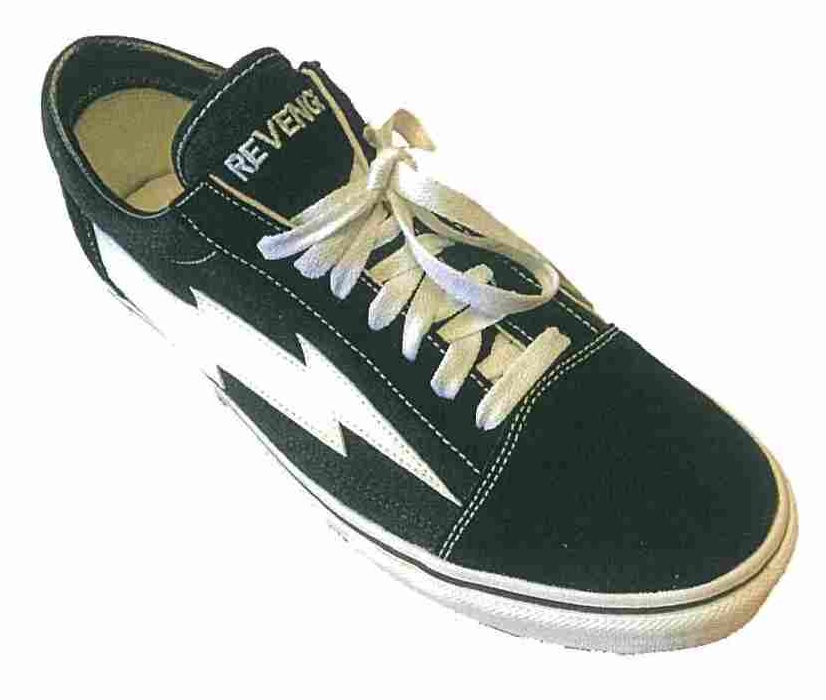
REVENGE shoes

Revenge X Stream Limited filed a device mark representing a shoe for the right leg with a thunder-shaped line along the side of the shoe for use on ‘sports shoes’ in class 25 with the JPO on June 5, 2018.

The mark was successfully registered on October 2, 2020 (TM Reg no. 6299288).


Invalidation action by VANS

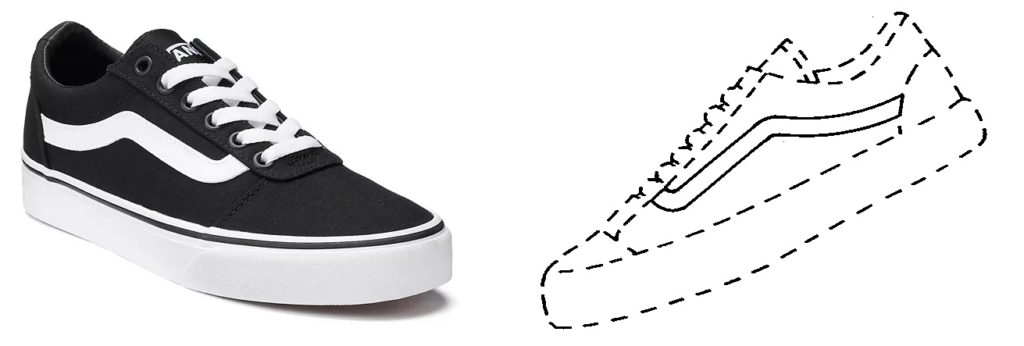
VANS INC. filed an invalidation action on September 16, 2021, and argued the mark shall be invalidated in contravention of Article 4(1)(x), (xi), and (xv) of the Japan Trademark Law by citing earlier trademark registrations for the iconic Vans Side stripe used on OLD SKOOL (see below) since 1977.

VANS alleged the appearance of Vans OLD SKOOL perse has become famous to indicate VANS’ shoes among relevant consumers of sports shoes in Japan.


JPO Decision

To my surprise, the JPO Invalidation Board denied a certain degree of reputation and popularity of the Vans Side stripe as a source indicator of VANS’ shoes from the totality of the produced evidence.

Besides, the Board negated the similarity of both marks by stating:

The mark in question represents a thunder-shaped sideline along the side of sports shoes. On the other hand, the Vans Side stripe consists of a gently wavy curved sideline along the side of the shoes.

Therefore, the appearance of the two marks clearly differs in the shape of the sideline on the side of the shoe and is clearly distinguishable.

In this way, even if both marks cannot be compared in terms of concept, they are dissimilar and unlikely to be confused in terms of appearance and pronunciation, and therefore, the degree of similarity shall be quite low.

Given a low degree of similarity between the two marks, the Board has a reason to believe that relevant consumers are unlikely to confuse a source of sports shoes bearing the mark in question with VANS.

Based on the foregoing, the Board found the entire allegations of VANS groundless and decided to dismiss invalidation action accordingly.

Failed Opposition by Chanel over Monogram

The Japan Patent Office (JPO) dismissed a trademark opposition filed by Chanel against TM Reg no. 6351256 for a composite mark containing a device made of two inverted and interlocked “C” by finding dissimilarity to and the unlikelihood of confusion with Chanel’s monogram.

[Opposition case no. 2021-900169, Decision date: September 30, 2022]

Opposed mark

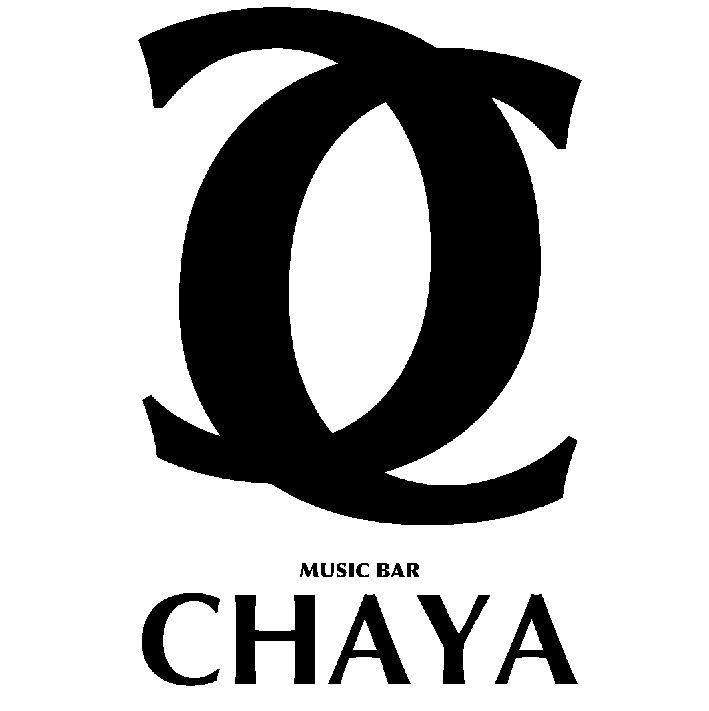
The opposed mark consists of the words “MUSIC BAR” and “CHAYA”, and a device made of two inverted and interlocked “C” (see below).

HIC Co., Ltd. filed the opposed mark for use on restaurant service in class 43 on August 27, 2020, with the JPO. The examiner granted protection on January 19, 2022, and published for opposition on February 10, 2021.


Opposition by Chanel

Chanel filed an opposition on April 30 and argued the opposed mark shall be canceled in contravention of Article 4(1)(xi), (xv), and (xix) of the Japan Trademark Law by citing earlier trademark registrations for Chanel’s monogram on the ground that:

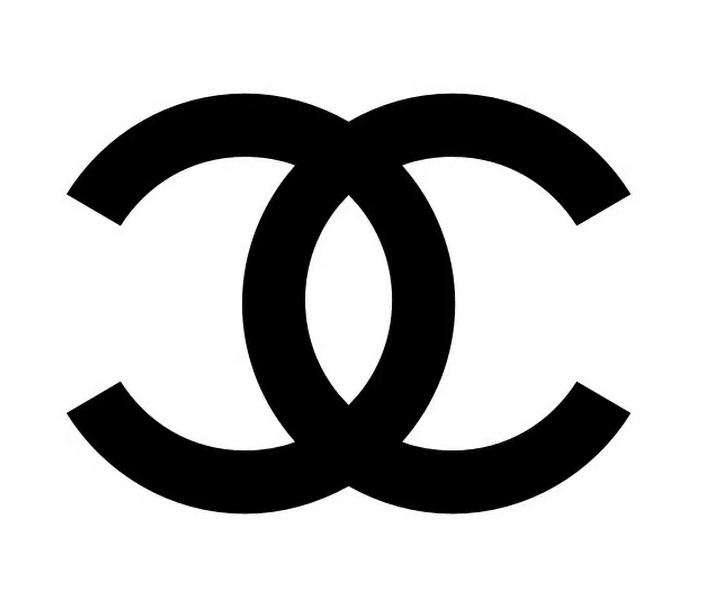
  1. The figurative element of the opposed mark is similar to the prestigious Chanel’s monogram made of two inverted “c” displayed as an ellipse in its central point (see below).
  2. Given the remarkable degree of popularity and reputation of Chanel’s monogram, relevant consumers with ordinary care are likely to confuse a source of the service in question bearing the opposed mark with CHANEL.
  3. Applicant must have applied the opposed mark, confusingly similar to Chanel’s monogram with an unfair intention to take advantage of the reputation and goodwill associated with Chanel’s famous trademark.

JPO Decision

The JPO Opposition Board admitted that Chanel’s monogram has acquired a high degree of reputation among relevant consumers of the service in question. Allegedly, CHANEL spent more than 5 billion JP-Yen on advertising in Japan each year since 2014. Annual sales revenue exceeds 50 billion JP-Yen. Jewelry accounts for 3 billion JP-Yen of the revenue.

In the meantime, the JPO denied visual similarity between the figurative element of the opposed mark and the monogram by stating:

They share a similarity in that they are both figures with two “C”-shaped curves placed back-to-back on the left and right sides so that parts of the curves overlap. However, in addition to differences in the way the “C”-shaped curves are represented (whether the thickness varies or is uniform and whether the opening is wide or narrow), there are also differences in the way the entire composition is represented, such as asymmetrical and symmetrical figures, vertical figures with two deeply overlapping curves and horizontal figures with two shallowly overlapping curves. Furthermore, the overall impression of the composition is clearly different in terms of asymmetrical and symmetrical figures, vertical figures with two curves deeply superimposed and horizontal figures with two curves shallowly superimposed. Therefore, there is no likelihood of confusion in terms of appearance.”

Obviously, there is no likelihood of confusion in terms of appearance and conception. Therefore, taking account of the impression, memory, and association given to traders and consumers by means of the appearance, concept, and pronunciation of two marks as a whole, the Board has a reason to believe that two marks are dissimilar and there is no likelihood of confusion.

Based on the foregoing, the Board dismissed the entire allegations of Chanel and allowed the opposed mark to register as the status quo.

ZARA Unsuccessful in Trademark Opposition against ZARAHA

The Japan Patent Office (JPO) dismissed a trademark opposition claimed by INDITEX, S.A. against TM Reg no. 6423743 for the wordmark “ZARAHA” by finding dissimilarity of the mark and unlikelihood of confusion with a famous fashion brand “ZARA”.

[Opposition case: 2021-900373, Decision date: September 8, 2022]

ZARAHA

ZARAHA BEAUTY CO., LTD., a Japanese company, filed a word mark “ZARAHA” in standard character for use on beauty care cosmetics and preparations (cl. 3); retail services for beauty care cosmetics (cl. 35); beauty arts instruction (cl. 41); aesthetician services, beauty salon services (cl. 44) with the JPO on October 15, 2020 (TM App no. 2020-127458).

The applicant opens the ZARAHA BEAUTY shop in Tokyo to provide beauty salon services. Click here.

The JPO granted protection of the applied mark on July 6, 2021, and published for opposition on August 24, 2021


Opposition by INDITEX

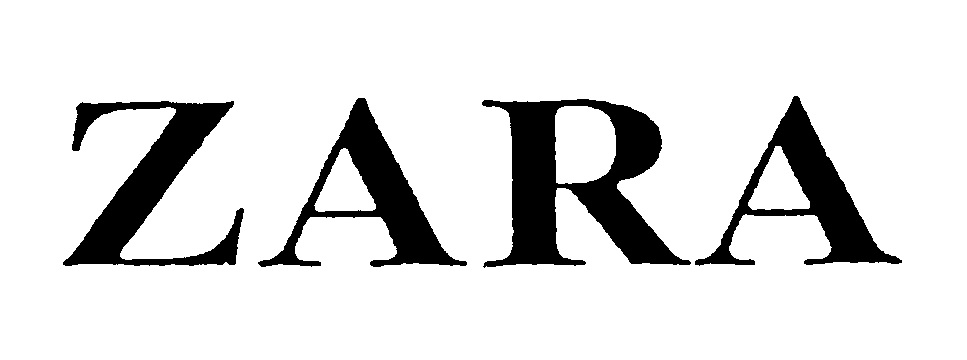
Inditex, S.A., an international fashion manufacturer, and distribution group filed an opposition against the wordmark “ZARAHA” by citing its flagship brand “ZARA” on October 21, 2021.

Inditex argued the opposed mark shall be canceled in contravention of Article 4(1)(xi) and (xv) of the Japan Trademark Law by taking into consideration the remarkable reputation of “ZARA” as a famous fashion brand, resemblance of both marks, and close association between apparels and cosmetics, beauty care-related services.


JPO Decision

The JPO Opposition Board admitted a certain degree of the reputation of the mark ZARA as a source indicator of the opponent’s apparel. However, the Board questioned if “ZARA” has acquired a substantial degree of popularity among relevant consumers of the goods and services in question from the totality of the produced evidence.

Besides, the Board found that “ZARAHA” and “ZARA” shall be easily distinguishable in appearance and pronunciation. Conceptually, both marks are not similar because they do not give rise to any specific meaning. Therefore, the Board has a reason to believe both marks are dissimilar.

Given that “ZARA” has not become famous among relevant consumers of the goods and services in question, and a low degree of similarity between the marks, it is unlikely that the consumers confuse a source of cosmetics and beauty care-related services bearing the opposed mark “ZARAHA” with Inditex.

Based on the foregoing, the Board dismissed the entire allegations and decided that the opposed mark shall remain valid as the status quo.

JPO rejected “BAMBI MAMA&BABY” due to a conflict with “BAMBI”

In a trademark appeal disputing the similarity between “BABMI MAMA&BABY” and “BAMBI”, the Japan Patent Office (JPO) affirmed the examiner’s refusal and decided to reject a junior mark “BAMBI MAMA&BABY” due to a conflict with earlier trademark registrations for word mark “BAMBI” owned by Disney Enterprises Inc.

[Appeal case: 2022-786, Decision date: September 7, 2022]

BAMBI

Bambi, a familiar name for a baby deer, has long been famous for a 1942 American animated film produced by Walt Disney.

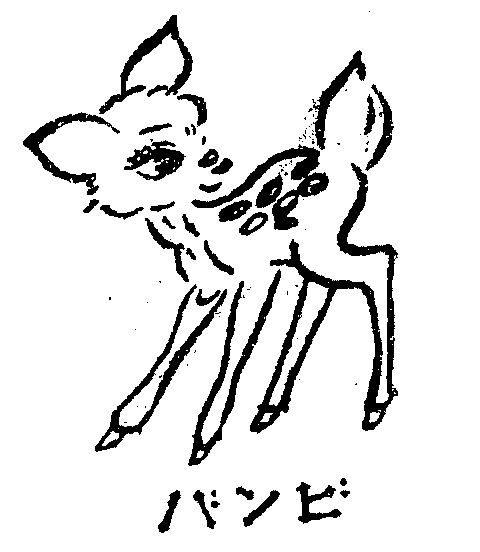
Disney Enterprises Inc. has owned trademark registration for the wordmark “BAMBI” in various classes (including class 3) since 2008 in Japan (TM Reg no. 5127816). Bambi character design with “BAMBI” written in Japanese (see below) has been registered for five decades.


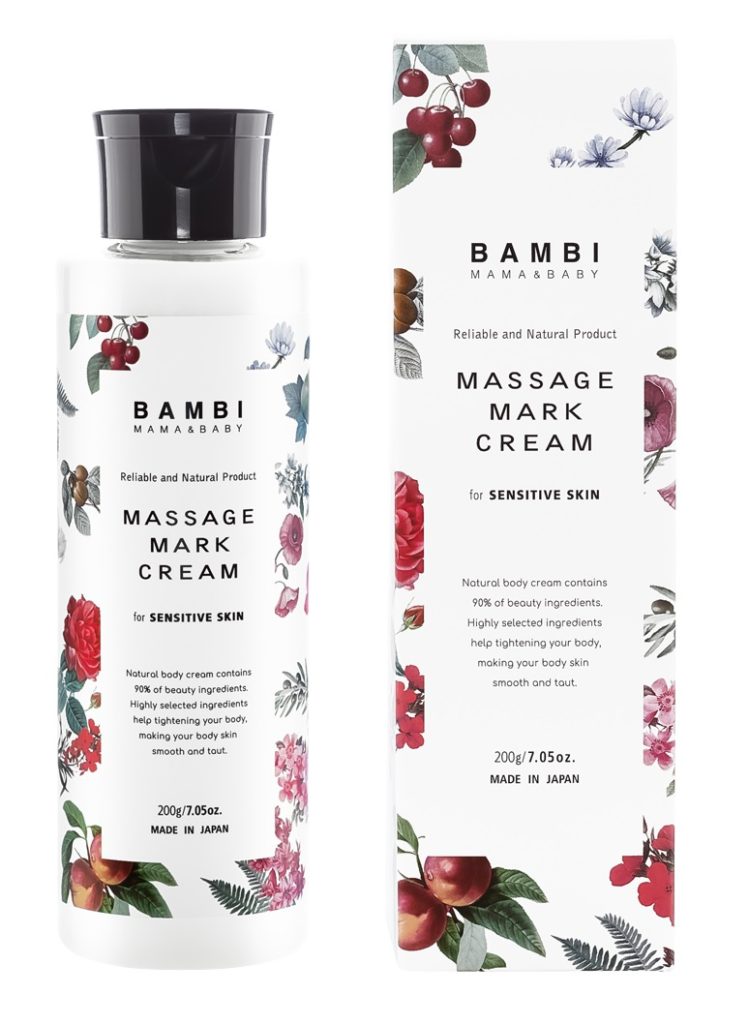
BAMBI MAMA&BABY

Langley Inc., a Japanese company, filed a trademark application for the wordmark “BAMBI MAMA&BABY” in standard character to be used on cosmetics; soaps and detergents; dentifrices; perfumes and flavor materials; false nails; false eyelashes in class 3 with the JPO on March 2, 2021.

In fact, Langley promotes skin care creams, skin milk, and supplements bearing the BAMBI MAMA&BABY mark. Click here.

Screen capture from https://bambiwater.jp/gold/mamababy/

The JPO examiner rejected the mark based on Article 4(1)(xi) of the Japan Trademark Law by citing TM Reg no. 5127816 “BAMBI” on October 14, 2021.

Langley filed an appeal against the refusal on January 19, 2022, and argued the dissimilarity of mark between “BAMBI” and “BAMBI MAMA&BABY”.


JPO Decision

The JPO Appeal Board found the literal elements of “MAMA&BABY” lacks distinctiveness in relation to the applied goods of class 3 because there are plenty of care products for babies and mothers by competitors on which the term “MAMA&BABY” has been used as a descriptive indication. In the meantime, the term “BAMBI”, famous for the Disney film, shall evidently give an impression of source indicator in the mind of relevant consumers.

If so, it is permissible to find the term “BAMBI” as a prominent portion of the applied mark, and thus compare the portion with the earlier mark in assessing the similarity of the mark.

Undoubtedly, the prominent portion of the applied mark is identical to the cited mark “BAMBI” from visual, phonetical, and conceptual points of view.

Being that TM Reg no. 5127816 designates the goods identical to the applied mark, there is no room to argue the dissimilarity of goods.

Based on the foregoing, the Board decided to dismiss the appeal and rejected “BAMBI MAMA&BABY” due to a conflict with the earlier registered mark “BABMI” based on Article 4(1)(xi).

MARC JACOBS Failed Trademark Opposition over J Marc

The Japan Patent Office (JPO) dismissed trademark opposition filed by Marc Jacobs Trademarks, L.L.C. against TM Reg no. 6462764 for an oval device mark due to dissimilarity to earlier registration for the J Marc logo.

[Opposition case no. 2022-900007, decided on August 24, 2022]

Opposed mark

ORPHE Inc., a Japanese business entity, applied trademark registration for an oval device mark (see below) to be used on goods and services in classes 9, 25, and 42, including computer software, PDAs, and footwear with the JPO on July 14, 2021.

The JPO examiner did not raise any objection in the course of the substantive examination and granted protection on October 19, 2021.

The mark was registered on October 27 and published for opposition on November 16, 2021.


Opposition by Marc Jacobs

On January 12, 2022, Marc Jacobs Trademarks, L.L.C. filed an opposition and alleged the opposed mark shall be canceled in relation to the designated goods of classes 9 and 25 in contravention of Article 4(1)(xi) of the Japan Trademark Law by citing IR no. 1282779 for the J Marc logo (see below), effectively registered on classes 3, 9, 14, 18 and 25 in Japan since 2017.

Article 4(1)(xi) is a provision to prohibit the registration of a junior mark that is identical with, or similar to, any senior registered mark.

Marc Jacobs argued both marks share the overall appearance consisting of two letters, “J” and “J”, combined in a way that constitutes an oval. A mere difference of direction (vertical or horizontal) would be anything but significant in assessing the similarity of marks because consumers would not consider the horizontal direction of the J Marc logo as a material factor to indicate the source. By taking into account of close resemblance in appearance and the same sound of “JJ”, the opposed mark shall be deemed similar to the J Marc.


JPO decision

The JPO Appeal Board stated both marks are sufficiently distinguishable for three reasons.

  1. The opposed mark has an impression of a rounded oval because of smoothly curved portions and shorter straight portions. On the other hand, the cited mark gives rise to an impression of a thin oval because of steeply curved portions and longer straight portions.
  2. Encircled blank of the cited mark also looks narrow due to an equal width with the surrounding oval lines. In the meantime, encircled blank of the opposed mark looks wider by virtue of the narrower width of an oval line.
  3. The cutout portion of the opposed mark gives the impression that the entire oval line is cut diagonally. The cited mark would never give such an impression to relevant consumers.

Taking into consideration the above findings, the Board had a reason to believe that relevant consumers are unlikely to consider, contrary to the opponent’s allegations, that both marks consist of two letters “J” and “J”. A mere coincidence of oval configuration is insufficient to find both marks similar in view of the remarkable distinctions of respective marks mentioned above.

Based on the foregoing, the Board concluded the opposed mark shall not be deemed similar to the J Marc logo and decided to dismiss the opposition entirely.

Trademark dispute: LAPPI vs LAPPY

In a recent appeal decision, the Japan Patent Office (JPO) disaffirmed the examiner’s rejection and found “LAPPI” is dissimilar to and unlikely to cause confusion with “LAPPY” when used on computer-related goods in class 9.

[Appeal case no. 2022-6493, decided on August 24, 2022]


LAPPI

Kabushiki Kaisha LAPPI filed a trademark application for the wordmark “Lappi” in standard character for use on various goods and services in classes 9, 35, 41, and 42 with the JPO on October 15, 2020.

On March 15, 2022, the JPO examiner rejected the LAPPI mark due to a conflict with earlier trademark registration no. 6360979 for the word mark “Lappy” in standard character in connection with computer-related goods and software of class 9 based on Article 4(1)(xi) of the Japan Trademark Law.

Article 4(1)(xi) is a provision to prohibit the registration of a junior mark that is identical with, or similar to, any senior registered mark.

The applicant filed an appeal and argued the dissimilarity of mark between “Lappi” and “Lappy” on April 28, 2022.


JPO Appeal decision

The JPO Appeal Board assessed the similarity between the marks from three aspects (visual similarity, aural similarity, and conceptual similarity) and stated:

Visual similarity

“Although the applied mark and the cited mark share the letter “Lapp” from the beginning of the respective word, they differ in the letters “i” and “y” at the end of the word. In a mark consisting of five letters, the difference at the end of the word shall be easily noticeable, visually impressive, and memorable. Therefore, both marks are sufficiently distinguishable from appearance.”

Aural similarity

The difference between the pronunciation of “Lappi” and “Lappy” rests on the presence or absence of a long vowel at the end of the word. The plosive sound in between makes the sound “pi” and “pi:” be pronounced strongly and clearly. In the short three- or four-note configuration, such differences have a significant impact on the overall pronunciation. Therefore, both marks are sufficiently distinguishable aurally.

Conceptual similarity

Being that either mark does not give rise to a specific meaning, the applied mark “Lappi” is incomparable with the cited mark “Lappy” in concept.

Based on the foregoing, the Board held both marks are dissimilar from the totality of the circumstances and decided to disaffirm the examiner’s rejection and grant protection of the applied mark.

Unsuccessful opposition against LEGOHAIR

On August 3, 2022, the JPO Opposition Board dismissed a trademark opposition filed by toy giant, Lego Juris A/S against TM Reg no. 6445411 for the “Lego Hair” mark with a device in class 44 by finding dissimilarity to and the unlikelihood of confusion with “LEGO”.

[Opposition case no. 2021-900432]


Lego Hair

The opposed mark, consisting of the word “Lego Hair” and a device (see below), was filed by the hair salon provider Lego Hair Co., Ltd., for use in hair styling services, hair treatment salon services, hair coloring services, skin caring, body caring, manicuring, beauty salon services, barbershops, and other related services in class 44 with the JPO on October 26, 2020.

The JPO granted protection of the Logo Hair mark on September 13, 2021, and the mark was published for opposition on October 12, 2021.


Opposition by Lego

LEGO Juris A/S, the world’s largest Danish toy manufacturer, filed an opposition on the final day of a two-month duration for opposition, and argued the Lego Hair mark shall be canceled in contravention of Article 4(1)(viii), (xi), (xv) and (xix) of the Japan Trademark Law by citing earlier TM Reg no. 2621425 and IR 1006003 for the stylized LEGO mark (see below).

LEGO argued that given the word “Hair” is descriptive in relation to the services in question, the term “Lego” shall be a prominent portion of the opposed mark as a source indicator accordingly. In view of the high reputation and popularity of the stylized LEGO mark, relevant consumers are likely to associate the opposed mark with LEGO and confuse the source when used on hair salon services.


JPO decision

The Opposition Board admitted the stylized LEGO mark has acquired a remarkable degree of reputation and popularity as a source indicator of the opponent’s goods and business. In the meantime, the Board questioned whether the term “LEGO” perse has become famous among relevant consumers as well by taking into consideration the produced evidence.

The Board had a view that the literal portion “Lego Hair” of the opposed mark shall be considered in its entirety. Based on the finding, the Board held the opposed mark is dissimilar to the stylized LOGO mark from visual and phonetical points of view. In concept, the stylized LEGO mark gives rise to a meaning of “famous brick- toy brand by LEGO”, but the opposed mark has no specific meaning. If so, both marks are incomparable from the concept.

Because of a low degree of similarity of the mark and less relatedness between toys and hair salon services, the Board has no reason to believe relevant consumers would confuse a source of the services in question bearing the opposed mark with the opponent or any entity systematically or economically connected with LEGO.

Based on the foregoing, the Opposition Board found the opposed mark shall not be canceled in contravention of Article 4(1)(viii), (xi), (xv), and (xix) and decided to remain valid.

NIVEA vs NYFEA

On August 2, 2022, the JPO Opposition Board found “NYFEA” is dissimilar to “NIVEA” and unlikely to cause confusion with international skin care major Beiersdorf AG even when used on goods in class 3 including skin-care cream.

[Opposition case no. 2021-900350]


NYFEA

The opposed mark, consisting of a stylized word “NYFEA” (see below), was filed by a Chinese company, Shenzhen VKK Technology Co., Ltd for use on various goods in classes 3, 8, 9, 10, 11, 16, and 21 with the JPO on July 2, 2020.

The application designates cakes of toilet soap, cleansing milk for cosmetic purposes, detergents, beauty masks, nail varnish, dentifrices, perfume, and incense in class 3.

The JPO admitted registration of the NYFEA mark on June 15, 2021, and published for post-grant opposition on July 20, 2021.


Opposition by Beiersdorf AG

The German cosmetics giant, Beiersdorf AG filed an opposition against the NYFEA mark on September 21, 2021, and argued the opposed mark shall be canceled in contravention of Article 4(1)(xi) and (xv) of the Japan Trademark Law due to a conflict or likelihood of confusion with the world’s largest skincare brand “NIVEA”.

Beiersdorf alleged the NIVEA mark has been substantially used on skin-care creams in Japan since 1968. By virtue of effective advertising, sales promotion, and marketing for long years, NIVEA has acquired a remarkable degree of reputation and popularity among relevant consumers in Japan. As matter of fact, the mark “NIVEA” written in Japanese Katakana character is included in the famous trademark database managed by the JPO.

In view of the close resemblance between NIVEA and NYFEA, and the famousness of NIVEA, relevant consumers would confuse the source of the goods in class 3 bearing the opposed mark with the opponent.


JPO decision

To my surprise, the JPO negated the famousness of the NIVEA mark by stating “the opponent failed to produce sales amount, market share, and materials of promotional advertising in our jurisdiction at all. A mere allegation that the opponent promoted skin-care creams bearing the NIVEA mark for over five decades is insufficient to find a remarkable degree of the reputation of the opponent’s mark in Japan. Besides, the Board held a fact that the mark “NIVEA” written in Japanese Katakana character is included in famous trademark database would not affect the above finding. Being that the opponent did not prove a high degree of reputation and popularity of “NIVEA” at the time of filing and registration of the opposed mark with evidence, the Board had no reason to believe the opponent mark remains famous as a source indicator of skin-care goods by Beiersdorf AG.

In the assessment of similarity, the Board found both marks are distinguishable in appearance because of differences in the second and third letters, “YE” and “IV” among five letters in total. Likewise, the difference in the second sound would give rise to a distinctive impression in view of a few phonetic compositions of three sounds in total. Both marks are incomparable to the concept.

Based on the foregoing, the Opposition Board found no reasonable ground to cancel the opposed mark in contravention of Article 4(1)(xi) and (xv) and decided to dismiss the opposition entirely.

LE MANS, Unsuccessful Trademark Race spending more than 24 Hours

On July 29, 2022, the Opposition Board of Japan Patent Office (JPO) dismissed a trademark opposition filed by AUTOMOBILE CLUB DE L’OUEST (A.C.O.), an owner of the mark “LE MANS”, against TM Reg no. 6374059 for wordmark “Le mans de elegance” on apparels in class 25.

[Opposition case no. 2021-900248]


Le mans de elegance

The opposed mark, consisting of the word “Le mans de elegance” in standard character, was applied for use on clothing, garters, sock suspenders, braces [suspenders] for clothing, waistbands, belts [clothing], footwear, masquerade costumes, sports shoes, clothes for sports in class 25 by a Japanese company named Analogue Co., Ltd. on October 15, 2020.

The JPO granted protection on March 12, 2021, and published for opposition on April 27, 2021.


Opposition by ACO

Opponent, AUTOMOBILE CLUB DE L’OUEST, alleged the opposed mark shall be canceled in contravention of Article 4(1)(xi), (xv), and (xix) of the Japan Trademark Law by citing earlier trademark registrations for the LE MANS mark in classes 25.

ACO argued that the mark “LE MANS” is famous to indicate the oldest sports car race “24 hours of Le Mans”. Due to the remarkable reputation of the mark “LE MANS” and the descriptive meaning of the term “de elegance” in relation to apparel, relevant consumers would see the literal element “Le mans” as a prominent portion of the opposed mark. If so, both marks shall be deemed similar from phonetical and conceptual points of view. Besides, there are precedent cases in which the JPO admitted close relatedness between automobile races and clothing. Taking into consideration the above facts, it is likely that relevant consumers would confuse the source of goods in question bearing the opposed mark with 24 hours of Le Mans and its organizer, or an entity systematically or economically connected with ACO.


JPO decision

The JPO found “The 24 hours of Le Mans” has been known for a major car race, however, questioned whether the term “LE MANS” has also become famous to indicate the race from the totality of the circumstances and the produced evidence by pointing out a fact that the term “LE MANS” has been frequently used with “24”. Consequently, the Board held the mark “LE MANS” has not acquired a certain degree of reputation and popularity as a source indicator of auto races among relevant consumers in Japan.

The Board assessed the similarity of mark in its entirety and found the opposed mark is dissimilar to the mark “LE MANS” from visual, phonetical, and conceptual points of view by stating that the cited mark gives rise to a meaning of a city in northwestern France.

In view of a low degree of similarity between the marks and recognition of the mark “LE MANS”, the Board has no reason to believe relevant consumers would confuse a source of goods in question bearing the opposed mark with the opponent.

Based on the foregoing, the Board dismissed the entire allegations and decided the opposed mark to remain valid as the status quo.