KUMAMON triumphs over bear mascot trademark battle

The Japan Patent Office (JPO) sided with Kumamon and declared invalidation of trademark registration no. 5997141 for a bear-like design mark due to a likelihood of confusion with Kumamon.
[Invalidation case no. 2019-890004, Gazette issue date: February 28, 2020]

KUMAMON

Have you ever heard of “Kumamon”?

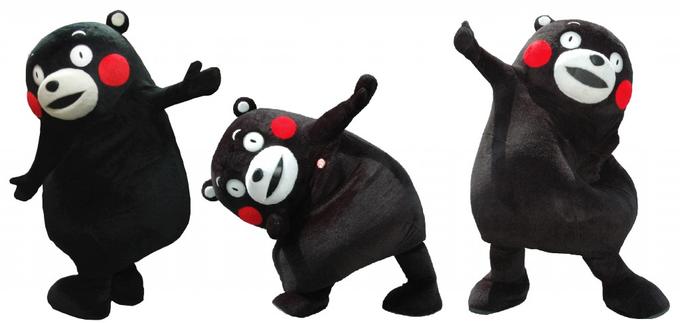
Nowadays, we are accustomed to see there are many organizations that create and use mascots to further their brands. Kumamon is a cuddly character with its pitch-black fur, red cheeks and white eyes designed as the official mascot (see below) of the Kumamoto Prefecture, a small prefecture in western Japan.

Kumamon made its debut in 2011 as part of a tourism promotion campaign for the Kyushu high-speed railway line. At the time a wave of local municipalities and companies sought to use ‘yuru-kyara’, or ‘relaxing characters’, to promote local products and attractions. Kumamon was hired as a part-time civil servant at Kumamoto before being elevated to sales manager. Such topics generated headlines and helped push Kumamon’s popularity beyond Kumamoto.

As an iconic symbol of ‘relaxing characters’, Kumamon has become a social and cultural phenomenon nationwide. Sales of goods using the Kumamon mascot topped 150 billion yen ($1.4 billion) in 2018.

To protect and promote the mascot, the Kumamoto Prefecture has registered its figurative image reproduced in 2D for various classed of goods and services in Japan as well as neighboring countries.

Disputed Mark

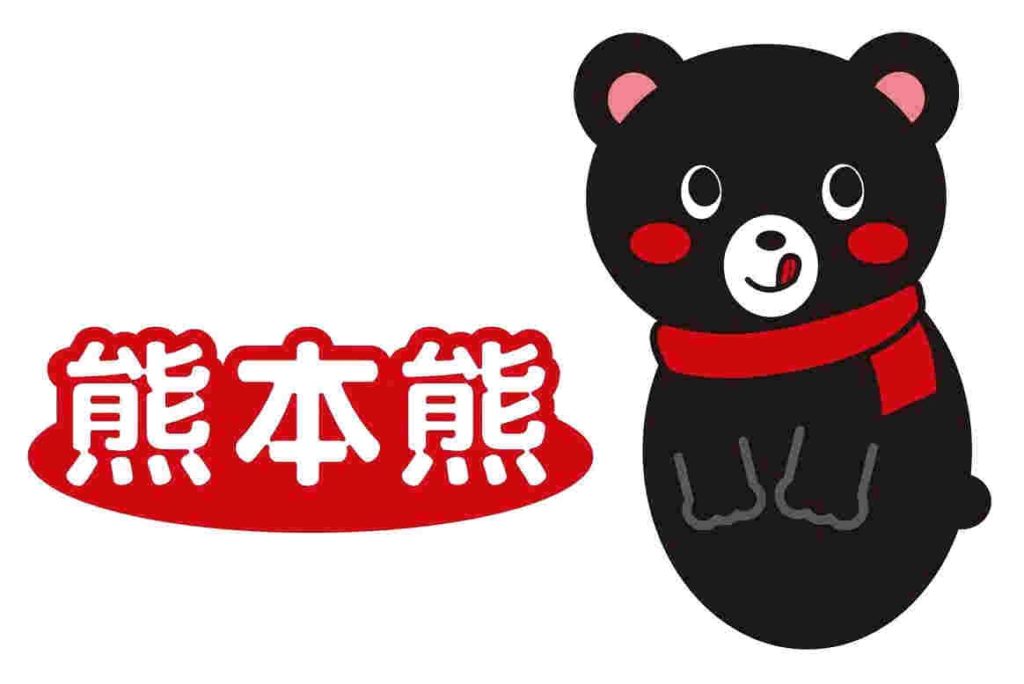
On March 21, 2017, Unique Design Company Limited (Belize) , sought to register the mark consisting of a bear-like design and three Chinese characters “熊本熊” which mean Kumamoto’s bear (see below) to be used on goods in class 11. The JPO granted protection of opposed mark on October 27, 2017.

Invalidation Trial

To challenge the validity of disputed mark, on January 25, 2019, the Kumamoto Prefecture filed an invalidation action to the JPO based on Article 4(1)(vi), (vii), (xi), (xv) and (xix) of the Japan Trademark Law. Kumamoto Prefecture argued that the figurative element of disputed mark closely resembles to the Kumamon character well-known for the official mascot of the Kumamoto Prefecture from appearance. Besides, the literal element of disputed mark gives rise to a similar meaning related to the Kumamoto Prefecture and Kumamon. If so, disputed mark as a whole shall be invalid due to a likelihood of confusion with Kumamon.

JPO Decision

The Invalidation Board of JPO found that:

  1. Unquestionably, Kumamon has acquired a remarkable degree of reputation and popularity nationwide as the official mascot of the Kumamoto Prefecture well before the filing date of disputed mark through continuous activities, promotions, and actual use on various goods since 2011. In addition, it becomes public among relevant consumers that the literal element of disputed mark “熊本熊” gets to be known as a Chinese name of Kumamon in China and neighboring countries.
  2. Since Kumamon has distinctive features visually different from wild bear, the mascot shall be deemed unique, creative, and impressive in itself.
  3. From appearance the bear-like design of disputed mark is confusingly similar to Kumamon. It gives rise to a similar meaning to Kumamon, the mascot originated from bear in the Kumamoto Prefecture. Likewise, the literal element of disputed mark gives rise to the same meaning. If so, both marks are considered highly similar.
  4. Due to free-use policy for brand promotion to domestic merchants (Kumamoto lets domestic companies use the character for free, but charges a license fee of a few percent on product sales by foreign companies), Kumamon mascot has been commercially used on wide range of goods over 10,000 items. 7-year cumulative sales exceed 510 billion JP-yen. If so, disputed goods in class 11, e.g. oil stoves, heaters, pocket warmers, electric foot warmers, shall be closely associated with the Kumamon goods in channels and consumers.

Based on the above findings, the Board concluded that relevant consumers and traders are likely to confuse disputed mark with Kumamon or misconceive a source from any entity systematically or economically connected with the Kumamoto Prefecture. Thus, disputed mark shall be invalidated in violation of Article 4(1)(xv) of the Trademark Law.

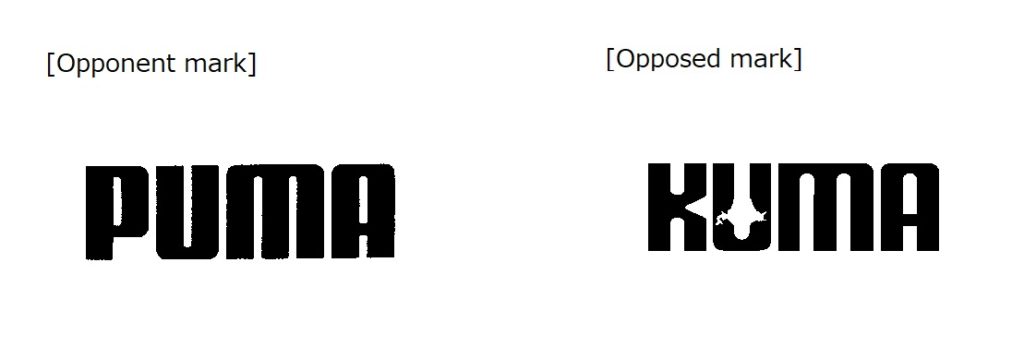
Trademark Battle – PUMA vs KUMA

The Japan Patent Office (JPO) decided to invalidate trademark registration no. 5661816 for a stylized word “KUMA”, which means ‘bear’ in Japanese, due to similarity to, and a likelihood of confusion with a world-renowned sports brand, PUMA. [Invalidation case no. 2019-890021, Gazette issue date: January 31,2020]

KUMA mark

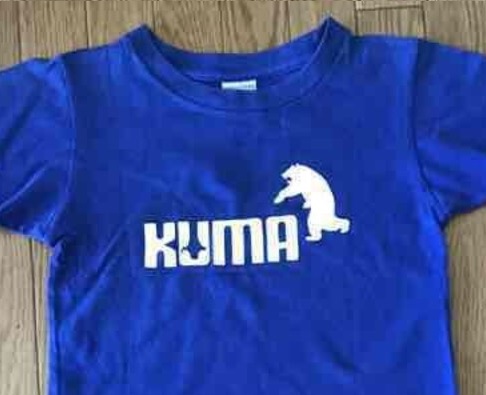
Disputed mark (see below),consisting of a stylized word “KUMA” with a partial island shape of Hokkaido, Japan’s most northerly main island, depicted on the inside of letter “U”, was filed on October 24, 2013 by a Japanese business entity having its principal place of business in Hokkaido over various goods in class 25 including sportswear and shoes.

It was found Applicant has used the KUMA mark on T-shirts and other goods with a bear silhouette facing left in the upper right of the mark.

The JPO admitted registration on April 4, 2014 and published for opposition on May 13, 2014.

PUMA’s Opposition / Invalidation Trial

On June 13, 2014, PUMA SE filed an opposition against the KUMA mark based on Article 4(1)(vii) and 4(1)(xv) of the Trademark Law. PUMA argued relevant consumers or traders are likely to confuse or misconceive a source of disputed mark with PUMA when used on designated goods in class 25 because of a high reputation and close resemblance between PUMA word logo and the KUMA mark.

The Opposition Board admitted a high degree of popularity and reputation of PUMA word logo, however, Board dismissed the opposition entirely due to unlikelihood of confusion because of a low degree of similarity between the marks (Opposition case no. 2014-900177).

Subsequently, PUMA SE entrusted the case to us. On April 3, 2019, just one day before the lapse of five-year Statute of limitations, MARKS IP LAW FIRM on behalf of PUMA SE requested for an invalidation trial and challenged invalidating the KUMA mark based on Article 4(1)(vii), (xi), (xv) and (xix) of the Japanese Trademark Law.

Article 4(1)(vii) of the Trademark Law prohibits any mark likely to cause damage to public order or morality from registration.

Article 4(1)(xi) is a provision to refrain from registering a junior mark which is deemed identical with, or similar to, any senior registered mark on identical or similar goods/service.

Article 4(1)(xv) prohibits to register a trademark which is likely to cause confusion with a business of other entity.

Article 4(1)(xix) prohibits to register a trademark which is identical with, or similar to, other entity’s famous mark, if such trademark is aimed for unfair purposes, e.g. gaining unfair profits, or causing damage to the entity.

Invalidation Decision

The Invalidation Board reversed the opposition decision and decided in favor of PUMA on all grounds by finding that:

  1. PUMA word logo has been continuously well-known in Japan for a source indicator of PUMA in connection with sports shoes, sportswear and others among relevant consumers and traders.
  2. A mere difference on initial letter of both marks and the Hokkaido island shape shall be insufficient to overturn an overall impression of the mark from visual and phonetic points of view. Conceptually, the KUMA mark, having a meaning of bears in Japanese, would give rise to a similar meaning with PUMA word logo, four-footed mammal. If so, by taking into consideration a high degree of reputation and popularity of PUMA word logo, both marks shall be deemed similar.
  3. Configuration of PUMA word logo looks unique, creative, and impressive in itself.
  4. Besides, given close association between designated goods in class 25 and PUMA’s business, relevant consumers of the goods in question with an ordinary care are likely to confuse its source with PUMA.
  5. It has good reasons to believe that the applicant of disputed mark did fraudulently apply the KUMA mark for registration with an aim to free-ride and dilute PUMA’s goodwill based on totality of the circumstances.
  6. If so, applicant must have filed disputed mark with a malicious intention to dilute or do harm to PUMA’s goodwill, which was impermissible to protect public order and morals

Based on the foregoing, the JPO decided to invalidate the KUMA mark based on Article 4(1)(vii), (xi), (xv) as well as 4(1)(xix) of the Japan Trademark Law.

SCOTT Bikes Failed Trademark Opposition against “PRESCOTT”

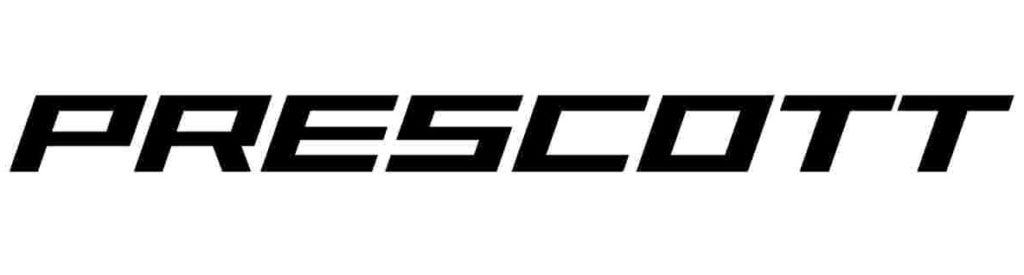
The Japan Patent Office (JPO) dismissed a trademark opposition claimed by SCOTT USA Inc. against trademark registration no. 6025819 for stylized word mark “PRESCOTT” on bicycles in class 12 by finding dissimilarity to “SCOTT”.
[Opposition case no. 2018-900134, Gazette issue date: December 27, 2019]

“PRESCOTT”

Opposed mark, stylized word mark “PRESCOTT” (see below), was filed by a Chinese individual to the JPO on June 19, 2017 by designating ‘electric bicycles, motorized bicycles, bicycles and accessories/structural parts, motorcycles’ in class 12.

The JPO admitted registration on March 9, 2018 and published for registration on April 3, 2018.

Opposition by SCOTT

To contend registration within a statutory period of two months counting from the publication date, SCOTT USA Inc. filed an opposition on June 1, 2018.

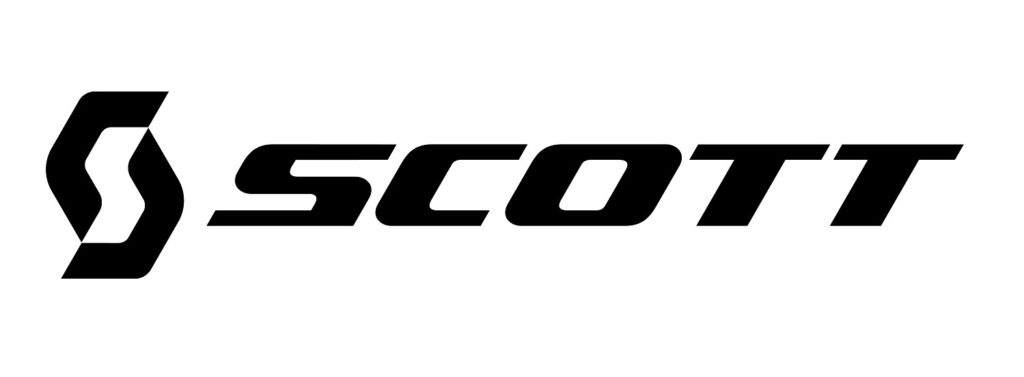
In the opposition brief, SCOTT USA Inc. asserted the opposed mark shall be cancelled in violation of Article 4(1)(viii), (xi) and (xix) of the Japan Trademark Law given a remarkable reputation of opponent mark “SCOTT” to indicate opponent’s mountain bicycles and close resemblance between a senior registration no. 2700543 “SCOTT” in class 12 and opposed mark.

Article 4(1)(viii) prohibits registration of trademarks which contain the representation or name of any person, famous pseudonym, professional name or pen name of another person, or famous abbreviation thereof.

Article 4(1)(xi) is a provision to refrain from registering a junior mark which is deemed identical with, or similar to, any senior registered mark.

Article 4(1)(xix) prohibits to register a trademark which is identical with, or similar to, other entity’s famous mark, if such trademark is aimed for unfair purposes, e.g. gaining unfair profits, or causing damage to the entity.

Scott, founded in 1958 in Sun Valley, Idaho, began as a manufacturer of aluminum ski poles before it branched out into a huge range of other sectors in the sporting goods industry. These days the brand produces bikes for a whole range of disciplines, but it cut its teeth with mountain bikes, introducing its first model way back in 1986. Nowadays, as the leading bike manufacturer in Europe, designing and fabricating an extensive line of high-quality mountain bikes, road bikes, kids bikes and urban city bikes, the SCOTT bikes have been ranked top mountain bicycles brands. In Japan, SCOTT USA has progressively promoted the SCOTT bikes through its subsidiary, SCOTT Japan since 2013. SCOTT Japan spent more than 20 million JP-Yen on advertisement annually.

SCOTT USA Inc. argued that these facts are sufficient to demonstrate “SCOTT” has acquired a high degree of reputation and popularity in the field of sports bicycles as an abbreviation or source indicator of opponent. Given the reputation, it is undeniable that applicant of opposed mark must have acquainted with opponent famous mark “SCOTT” before the filing. Besides, opponent mark “SCOTT” is actually used in an italic font (see below) on the bikes, which truly gives rise to a more resembled impression with opposed mark in the mind of consumers visually.

If so, opposed mark “PRESCOTT” shall be revocable because it contains a famous trademark name “SCOTT” without permission of opponent and looks confusingly similar to opponent’s famous mark when used on sports bicycles in fact. It is obvious that the applicant aims to gain unfair profits by free-riding opponent famous trademark.

JPO decision

The Opposition Board denied a certain degree of reputation and popularity of opponent trademark “SCOTT” in connection with mountain bicycles by stating that the produced evidences have no reference to sales amount and total number of participants to promotional events of the SCOTT bikes in Japan. 20 million JP-Yen (approx. USD182,000) for advertising expenses would be anything but a sufficient amount to prove famous bicycle brands.

Even if it is true that SCOTT sold more than 420,000 bicycles in European market in 2010 and achieved the largest market share in the high-end sports bicycles in ten EU countries, e.g. Germany, Norway, Sweden, the Board considers it insufficient to find a high degree of reputation among consumers in specific country in EU from the produced evidences.

In the assessment of mark, the Board held “PRESCOTT” and “SCOTT” are totally dissimilar from visual and phonetical points of view. Unless the Board finds a term “SCOTT” becomes famous in relation to the goods in question, there is no reason to see it as the dominant portion of opposed mark.

Based on the foregoing, the Board decided opposed mark shall not be cancelled on the grounds of Article 4(1)(viii), (xi) and (xix).

I often see the case like this where the JPO gives an unfavorable decision to famous brand owner. One reason is just due to insufficient production of evidences to show its famousness outside of Japan. Provided that Japanese consumers recognize such circumstance in foreign countries, the brand shall be broadly protected under the Japan Trademark Law.

San Miguel defeat in trademark dispute over ‘AGUA MIGUEL’

In a recent trademark decision, the Opposition Board of Japan Patent Office (JPO) dismissed an opposition against TM Reg. no. 6104642 for word mark ‘AGUA MIGUEL’ filed by Philippines-based San Miguel Brewing International Ltd. who argued a likelihood of confusion with its famous beer brand ‘San Miguel’.
[Opposition case no. 2019-900077, Gazette issued on December 27, 2019]

Opposed mark – AGUA MIGUEL

Opposed mark ‘AGUA MIGUEL’ written in standard character was filed in the name of NIPPON BEER CO., LTD., a Japanese importer and wholesaler of beers and beverage from abroad.

The mark was filed to JPO on March 29, 2018 and, without confronting with office action from the JPO examiner, published for registration on January 8, 2019 over the goods of “mineral water” in class 32.

Opposition by San Miguel

On March 8, 2019, before the lapse of a two-months opposition period, San Miguel Brewing International Ltd. filed an opposition. In the opposition, San Miguel contended opposed mark shall be cancelled based on Article 4(1)(xv) of the Trademark Law.

Article 4(1)(xv) prohibits to register a trademark which is likely to cause confusion with a business of other entity.

Likelihood of confusion is a key criteria when assessing the similarity of trademarks. To establish whether there is likelihood of confusion, the visual, phonetic and conceptual similarity will be assessed as well as the goods and/or services involved. This assessment is based on the overall impression given by those marks, account being taken, in particular, of their distinctive and dominant components. A low degree of similarity between the goods or services may be offset by a high degree of similarity between the marks, and vice versa.

San Miguel argued opposed mark is likely to cause confusion with opponent’s beer brand ‘San Miguel’, which occupies 90% of the market share in Philippines and its reputation has been widely known in Asian countries including Japan. Opposed mark consists of terms ‘AGUA’ and ‘MIGUEL’. ‘AGUA’ is less distinctive in relation to mineral water since it means water in Spanish. If so, it is apparent that the portion of ‘MIGUEL’ relatively plays a dominant role of source indicator of opposed mark. Likewise, presumably relevant consumers would pay more attention to the term ‘Miguel’ from famous beer brand. In view of close association between mineral water and beers and resemblance between the marks, it is undeniable that relevant consumers are likely to confuse or misconceive opposed mark with San Miguel or any business entity systematically or economically connected with opponent.

Board decision

The Opposition Board found a low degree of similarity between ‘San Miguel’ and ‘AGUA MIGUEL’ from visual, phonetic and conceptual points of view. Even if the term ‘AGUA’ means water in Spanish, relevant consumers with an ordinary care at the sight of opposed mark would be unlikely to see the portion of ‘MIGUEL’ as a dominant part, but rather gasp opposed mark in its entirety.

The Board found a certain degree of popularity and reputation of beer brand ‘San Miguel’ among traders and beer drinkers, but, to my surprise, the Board questioned if the beer has been widely known among general consumers regardless of continuous domestic use of the mark in commerce since 1972, by stating that produced materials have no reference to actual sales performance in Japan. A mare fact of continuous use for the last 47 years is insufficient and non-objective to demonstrate famousness of the San Miguel beer brand in Japan.

Provided that opponent failed to demonstrate ‘San Miguel’ has been well-known for opponent’s beer among relevant consumers, the Board held that opposed mark is unlikely to cause confuse with opponent or any business entity systematically or economically connected with San Miguel in view of a remote resemblance between both marks. Thus, opposed mark shall not be revocable to Article 4(1)(xv) of the Trademark Law and dismissed the opposition entirely.

Empire Steak House loses to trademark its restaurant name in Japan IP High Court battle

On December 26, 2019, the Japan IP High Court ruled to uphold a rejection by the Japan Patent Office (JPO) to International Registration no. 1351134 for the mark “EMPIRE STEAK HOUSE” in class 43 due to a conflict with senior trademark registration no. 5848647 for word mark “EMPIRE”. [Judicial case no. Reiwa1(Gyo-ke)10104]

EMPIRE STEAK HOUSE

The case was brought into the IP High Court after the JPO decided to dismiss an appeal (case no. 2018-650052) filed by RJJ Restaurant LLC (Plaintiff), an owner of IR no.1351134 for mark consisting of stylized-words “EMPIRE STEAK HOUSE” in two lines and a golden cow design (see below) on restaurant services; carry-out restaurant services; catering services in class 43.

EMPIRE STEAK HOUSE, one of the top steakhouses in New York City since 2010, has opened their first restaurant aboard on the first floor of the new Candeo Hotel in Roppongi, Tokyo (JPN) on October 17, 2017. To secure the restaurant name in Japan, RJJ Restaurant LLC applied for registration of disputed mark via the Madrid Protocol with a priority date of March 2, 2017 in advance of the opening.

Senior registered mark “EMPIRE”

The JPO rejected disputed mark by citing senior trademark registration no. 5848647 for word mark “EMPIRE” in standard character on grilled meat and sea foods restaurant services in class 43 based on Article 4(1)(xi) of the Trademark Law.

Article 4(1)(xi) is a provision to prohibit from registering a junior mark which is deemed identical with, or similar to, any senior registered mark.

Senior registered mark was applied for registration on December 8, 2015 and registered on May 13 ,2016. Apparently, senior mark is actually used as a name of restaurant, “Dining Bar Empire”, located in the city of Ueda, Nagano Prefecture (JPN).

To contend against the decision, plaintiff filed an appeal to the IP High Court on July 19, 2019.

IP High Court Decision

Plaintiff argued the literal elements of disputed mark “EMPIRE STEAK HOUSE” shall be assessed in its entirety by citing web articles relating to applicant’s restaurant which referred to the restaurant as Empire Steak House in full. Like ‘Empire State Building’ and ‘Empire Hotel’, the term “EMPIRE” gives rise to unique meaning and plays a role of source indicator as a whole when used in combination with other descriptive word. Besides, disputed mark contains an eye-catching golden cow which attracts attention to relevant consumers. If so, it is evident that the JPO erred in assessing similarity of mark between “EMPIRE STEAK HOUSE” and “EMPIRE”.

The IP High Court, at the outset, mentioned the Supreme Court decision rendered in 2008 which established general rule to grasp a composite mark in its entirety in the assessment of similarity of mark.

“Where a mark in dispute is recognized as a composite mark consisting of two elements or more, it is not permissible to decide similarity of mark as a whole simply by picking out an element of the composite mark and then comparing such element with other mark, unless consumers or traders are likely to perceive the element as a dominant portion appealing its source of origin of goods/service, or remaining elements truly lack inherent ability to serve as a source indicator in view of sound and concept.”

Next, the court analyzed the configuration of disputed mark and found it is allowed to grasp a literal element “EMPIRE” of disputed mark as dominant portion in light of the criteria applied by the Supreme Court by stating that:

  1. A term “STEAK HOUSE” is commonly used to indicate steak restaurant even in Japan.
  2. Where the term is included in restaurant name, it sometimes happens that relevant consumers over leap the term to shorten the name.
  3. In restaurants, it becomes common practice to display cucina and foodstuffs to be served on signboard or advertisement. Likewise, there are many steak and grilled meat restaurants displaying cow design. If so, relevant consumers at the sight of disputed mark would perceive the cow design as a mere indication to represent foodstuffs at the restaurant.
  4. From appearance, given the configuration of disputed mark, respective element can be considered separable.

Finally, based on the above findings, the court dismissed plaintiff’s arguments and concluded the JPO was correctly assessing similarity of mark. Given dominant portion of disputed mark is identical with the cited mark “EMPIRE” and both marks designate the same or similar services in class 43, disputed mark shall be unregistrable under Article 4(1)(xi) of the Trademark Law.

Happiness Diamond makes Chopard Happy Diamonds unhappy

Swiss manufacturer and retailer of luxury watches, jewelry and accessories, CHOPARD INTERNATIONAL S.A. failed in their attempt to stop the registration of a word mark “Happiness Diamond” at the Japan Patent Office.
[Opposition case no. 2019-900134, Gazette issue date: November 29, 2019]

HAPPINESS DIAMOND

Opposed mark (TM Registration no. 6118600), consisting of two words “Happiness Diamond” in standard character, was applied for registration on November 26,2018 for jewelry, accessories, watches in class 14 by Happiness and D Co., Ltd., a Japanese company.

At an initial application, applicant requested the JPO to expedite substantive examination. In accordance with the request, JPO examiner put a priority on the mark and admitted to grant registration in two months subsequent to substantive examination.

Accelerated Examination

JPO applies the accelerated examination system to trademark application on the condition that the application meets the following condition.

  1. Applicant/licensee uses or will use applied mark on one of designated goods/services at least, and there exists an urgency to registration, e.g. unauthorized use by third parties
  2. All designated goods/services are actually or shortly used by applicant/licensee, or
  3. Applicant/licensee uses or will use applied mark on one of designated goods/services at least, and all the goods/services are designated in accordance with a standard description based on Examination Guidelines for Similar Goods and Services.

Accelerated examination system enables applicant to obtain examination results in less than two months on average, which is six months shorter than regular examination nowadays.

Opposition by Chopard

On April 26, 2019, before the lapse of a two-months opposition period, CHOPARD INTERNATIONAL S.A., a Swiss manufacturer and retailer of luxury watches, jewelry and accessories, filed an opposition to opposed mark.

Opponent (CHOPARD) claimed that the opposed mark “Happiness Diamond” shall be retroactively cancelled under Article 4(1)(x), (xi), (xv), (xix) of the Japan Trademark Law in relation to all designated goods in class 14 by citing an owned senior international registration no. 446502 for word mark “Happy Diamonds” covering ‘Mechanical hand-winding and self-winding watches; electric and electronic watches; chronometers; jewelry; jewelry watches; all these goods adorned with diamonds’ in class 14, which has been effectively registered in Japan since September 24, 2010.

Article 4(1)(x) prohibits to register a trademark which is identical with, or similar to, other entity’s well-known mark over goods or services closely related with the entity’s business.

Article 4(1)(xi) is a provision to refrain from registering a junior mark which is deemed identical with, or similar to, any senior registered mark.

Article 4(1)(xv) prohibits to register a trademark which is likely to cause confusion with a business of other entity.

Article 4(1)(xix) prohibits to register a trademark which is identical with, or similar to, other entity’s famous mark, if such trademark is aimed for unfair purposes, e.g. gaining unfair profits, or causing damage to the entity.

To stop registration of opposed mark, CHOPARD has to prove “Happy Diamonds” is similar to “Happiness Diamond”. Even if both marks are deemed dissimilar, CHOPARD is still able to win the case by demonstrating likelihood of confusion resulting from fame of CHOPARD “Happy Diamonds”.

Board Decision

To my surprise, the Board held “Happiness Diamond” is sufficiently dissimilar to “Happy Diamonds” by stating that:

  1. From appearance and pronunciation, both marks, consisting of two words, are unlikely to cause confusion given the difference on the first word “Happiness” and “Happy”.
  2. Besides, both marks do not give rise to any specific meaning. If so, it is incomparable in concept.
  3. Thus, from the totality of the circumstances, relevant consumers would neither associate nor connect opposed mark with “Happy Diamonds”.

The Board questioned whether CHOPARD “Happy Diamonds” has acquired a sufficient degree of reputation and popularity among relevant consumers in Japan to be protectable under Article 4(1)(xv) of the Trademark Law in view of produced evidences although opponent alleged its first use dates back to 1976. If so, it is unlikely that relevant consumers confuse or misconceive a source of the opposed mark with CHOPARD or any entity systematically or economically connected with the opponent.

Consequently, opposed mark is not subject to Article 4(1)(x), (xi), (xv) and (xix), and remains valid as a status quo.

JAGUAR LAND ROVER Lost Trademark Opposition over Jaguar Logo

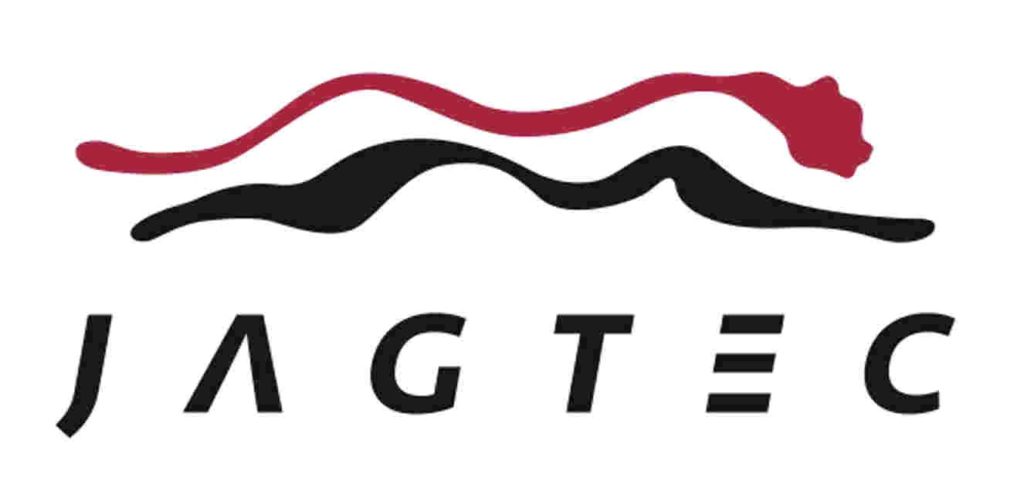
The Opposition Board of the Japan Patent Office (JPO) held a junior trademark registration no. 6104905 for a composite mark comprised of “JAGTEC” and feline device is neither similar to, nor likely to cause confusion with senior trademark registrations for leaping jaguar logo owned by Jaguar Land Rover Ltd. when used on automobiles in class 12.
[Opposition case no. 2019-900064, Gazette issued date: October 25, 2019]

Opposed mark

Opposed mark (see below) was applied for registration on March 29, 2018 by designating automobiles and its structural parts in class 12, and published for registration on January 8, 2019 without confronting any office action from the JPO examiner.

Opposition by Jaguar Land Rover

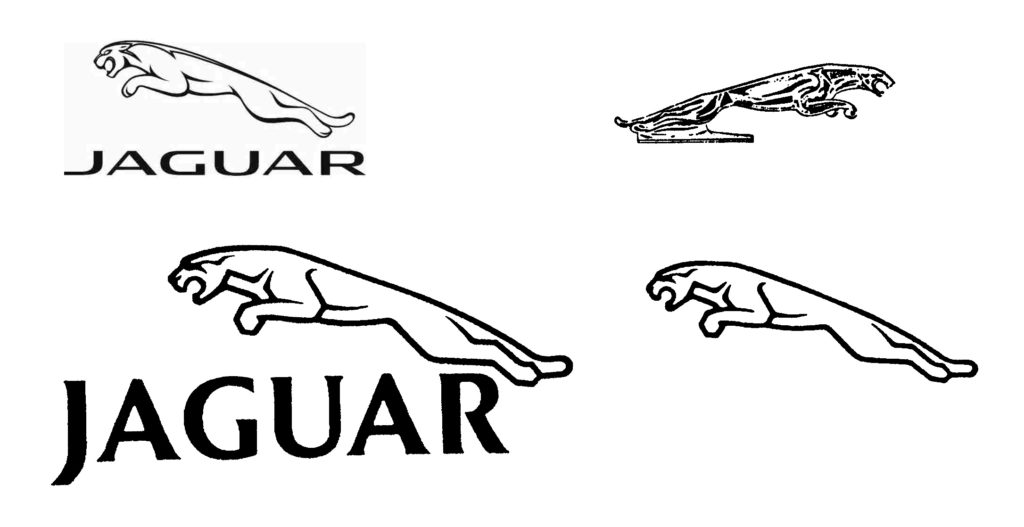
Jaguar Land Rover Ltd. filed an opposition on February 28, 2019 before the JPO and claimed that opposed mark shall be cancelled based on Article 4(1)(xi) and (xv) of the Trademark Law by citing trademark registrations for its iconic jaguar logos (see below) which include the image of a leaping jaguar, accompanied by the word “jaguar”, which the opponent claims to be used over 75 years old.

Article 4(1)(xi) is a provision to prohibit from registering a junior mark which is deemed identical with, or similar to, any senior registered mark.

Article 4(1)(xv) provides that a mark shall not be registered where it is likely to cause confusion with other business entity’s well-known goods or services, to the benefit of brand owner and users’ benefits.

Jaguar Land Rover claimed that , inter alia, opposed mark, consisting of a leaping feline device and literal element starting from “JAG”, looks confusingly similar to the cited marks from visual, oral, and conceptual points of view. Besides, the goods in question is identical with that of cited marks. If so, opposed application “for the contested goods would be recognized as uniquely and unmistakably identifying or suggesting a connection to opponent , and thus relevant consumers are likely to confuse or misconceive opposed mark with a famous car brand “JAGUAR”.

Opposition decision

To my surprise, the Opposition Board pointed out that Jaguar Land Rover alleged the leaping jaguar logo has been used since 1938 and well-acquainted with relevant consumers though, it is questionable whether cited marks have acquired a substantial reputation as a result of consecutive use from the produced evidences.

Besides, the Board flatly negated similarity between opposed mark and cited marks respectively.

By taking into consideration uncertain famousness of cited marks and low degree of similarity between the marks, the Board concluded relevant traders and consumers are unlikely to confuse or associate opposed mark with opponent or any business entity economically or systematically connected with Jaguar Land Rover even when used on automobiles. Based on the foregoing, opposed mark shall not be cancelled under Article 4(1)(xi) and (xv) of the Trademark Law.

Volkswagen Unsuccessful in Trademark Opposition to Baidu’s “Car-pollo” mark

In a trademark opposition involving the Volkswagen Polo, the Opposition Board of Japan Patent Office (JPO) decided that VW’s famous car model name “Polo” is dissimilar to, and unlikely to cause confusion with, the word mark “Car-pollo” even when used in relation to car navigation.
[Opposition Case no. 2019-900054, Gazette issued date: October 25, 2019]


Trademark opposition

German car giant Volkswagen AG filed an opposition against TM registration no. 615016 for word mark “Car-pollo” written in standard character (Opposed mark) sought for registration by Baidu Online Network Technology Beijing Company Limited, a Chinese language internet search company, on the grounds that Opposed mark shall be objectionable under Article 4(1)(xi) and 4(1)(xv) of the Japan Trademark Law based on senior trademark registrations for word mark “POLO”.

The opposed mark designates navigation apparatus (GPS) for vehicles [on-board computers]; car video recorders; batteries for vehicles; battery charging devices for motor vehicles; electric locks for vehicles and others in class 9, wheel barrows; airplanes; vessels; bicycles; electric bicycles in class 12, and automatic driving cars design in class 42.

Article 4(1)(xi) is a provision to prohibit from registering a junior mark which is deemed identical with, or similar to, any senior registered mark.

Volkswagen argued opposed mark is a compound word consisting of “Car”, which would be unregistrable alone in relation to the designated goods and service, and “pollo” formed with hyphen. If so, the term “pollo” would constitute the dominant portion of opposed mark. Since the term is an unfamiliar Italian and Spanish word in Japan, relevant consumers would not conceive its meaning of ‘chicken’ at all. The term “pollo” gives rise to a same sound with “POLO” and resembles with “POLO” from appearance. Also, the designated goods in class 12 of both marks are identical or similar. Therefore, opposed mark shall be objectionable under Article 4(1)(xi).

Article 4(1)(xv) provides that a mark shall not be registered where it is likely to cause confusion with other business entity’s well-known goods or services, to the benefit of brand owner and users’ benefits.

Volkswagen argued “POLO” has acquired substantial popularity and reputation as a source indicator of VW’s famous car model name. Thus, it is highly likely that relevant traders and consumers confuse or misconceive the source of goods and services using opposed mark “Car-pollo” with opponent or a business entity systematically or economically connected with VW. If so, opposed mark shall be objectionable under Article 4(1)(xv).


Board decision

The Board admitted “POLO” has become remarkably famous for a car mode name of Volkswagen by taking into consideration of the facts that the Volkswagen Polo has been continuously imported to Japan since 1982 and ranked in the top 5 of new imported automobile registrations for the past decade.

In the meantime, the Board found “POLO” and “Car-pollo” are totally dissimilar from visual, sound and conceptual points of view. Regarding opponent’s allegation the Board stated the term “Car” isn’t a usual word to indicate ‘wheel barrows; airplanes; vessels; bicycles; electric bicycles’ of class 12. From the produced evidence, there does not exist any circumstance to admit the term “pollo” shall be conceived as a dominant portion of opposed mark in fact. If so, it looks rather appropriate to consider relevant consumers would grasp opposed mark in its entirety.

Given a lower degree of similarity between both marks and lack of originality for the term “POLO”, which means a game played on horseback between two teams, each of four players, the Board also negated a likelihood of confusion between “POLO” and “Car-pollo” even when opposed mark is used on car video recorders; batteries for vehicles; battery charging devices for motor vehicles; electric locks for vehicles, and car-related services.

Based on the foregoing, the Board dismissed opposition and allowed “Car-pollo” to survive.

HUGO BOSS fails in attempt to block trademark registration

German luxury fashion house Hugo Boss has failed in their attempt to stop the registration of a composite mark consisting of “BOSSWASH” and a spread-eagle device at the Japan Patent Office (JPO).
[Opposition case no. 2017-900382, Gazette issue date: October 25, 2019]

Opposed mark

Opposed mark, filed in April 2017, consists of the literal element “BOSSWASH” and a spread-eagle in black with crown over its head, a letter “B” on its right wing and “W” on left wing (see below).

The application was for bags and pouches in class 18 and published for registration (TM Registration no. 5985092) by the JPO on October 24, 2017.

Opposition by Hugo Boss

To oppose against registration within a statutory period of two months counting from the publication date, HUGO BOSS Trademark Management GmbH & Co KG filed an opposition on December 20, 2017.

Hugo Boss’s opposition to stop the registration was based on claims that the “BOSSWASH” mark could be similar to or confused with sixteen of their earlier trademarks (#2190696, #3236870, IR746972, IR754225, IR773035, IR782587, IR827260, IR827261, IR831750, IR952458, IR964946, IR1023719, IR1055000, IR1058629, IR1072604, IR1263822), which prominently contain the term “BOSS”.

Board Decision

In the decision, the JPO found that, given the literal portion of opposed mark “BOSSWSH” shall be inseparable and perceived in its entirety, opposed mark and Hugo Boss’s trademarks were sufficiently distinguishable in visual, phonetic and conceptual points of view.

To my surprise, the Opposition Board of JPO admitted a high degree of popularity and reputation of “HUGH BOSS” as a trade name of opponent, however, it denied popularity of Hugo Boss’s trademarks, stating that produced materials are insufficient and non-objective to demonstrate substantial use and famousness of the cited marks.

Based on the foregoing, the JPO concluded it is unlikely that consumers confuse or misconceive a source of the opposed mark with Hugo Boss and dismissed the opposition totally.

Trademark Dispute Over Cigarette Sub-Brand “SIGNATURE”

In a decision dated September 12, 2019, the Japan IP High Court affirmed the Japan Patent Office’s (JPO) determination to refuse registration for the STATE EXPRESS 555 “SIGNATURE” cigarette package design due to a conflict with senior Trademark Registration No. 4658792 for word mark “SIGNATURE”.
[Court case no. Heisei31(Gyo-ke)10020]

STATE EXPRESS 555 “SIGNATURE” cigarette package design

CTBAT International Company Limited, a joint investment of subsidiaries of China National Tobacco Corporation and British American Tobacco and incorporated in Hong Kong, filed a trademark application for device mark representing cigarette package design (see below) by designating cigarette, tobacco, electronic cigarette and others in class 34 on November 28, 2016 (TM application No. 2016-134074).

It the center, “No. 555 STATE EXPRESS” is written in three lines inside a circle. “SIGNATURE” is written independently on the upper side of the design.

Senior trademark “SIGNATURE”

The JPO examiner refused registration by citing a senior Trademark Registration No. 4658792 for word mark “SIGNATURE” in standard character overt the goods of cigarette in class 34 owned by PT Gudang Garam TBK, one of Indonesia’s leading cigarette manufacturers, best known for its kretek clove cigarettes, headquartered in Kediri, Indonesia, which was acquired by Philip Morris in 2005.

PT Gudang Garam TBK has used the registered mark as a cigarette sub-brand of Gudang Garam.

CTBAT filed an appeal against the JPO examiner’s refusal and argued dissimilarity between the marks, but in vain. [Appeal case no. 2018-002007]
Subsequently, CTBAT appealed to the IP High Court and demanded cancellation of the administrative decision to refuse registration for plaintiff’s mark.

Qualitative description

CTBAT argued the term ‘SIGNATURE’ lacks distinctiveness in relation to cigarette because several cigarette manufacturers, e.g. Dunhill, Camel, Davidoff, W.O.Larsen, have been using it as a qualitative term to indicate the cigarette has a specific feature of symbolic brand.

Besides, plaintiff’s mark contains distinctive terms, “No. 555 STATE EXPRESS”, which has acquired a certain degree of popularity of the cigarette brand through substantial use for more than 100 years. If so, it is unlikely that relevant consumers and traders would recognize the term “SIGNATURE” on the upper side as a source indicator in itself.

IP High Court Ruling

The court dismissed the allegation entirely, by stating that:

  1. From overall appearance of plaintiff’s mark, the term “SIGNATURE” shall not be perceived to combine with other figurative and literal elements.
  2. From the produced evidences, it is unclear if “No. 555 STATE EXPRESS” and “555” has acquired a certain degree of popularity because the cigarette brand has never been distributed in Japan so far.
  3. It is questionable that relevant Japanese consumers fully understand the term “SIGNATURE” and associated words, “Signature model”, “Signature Blends” have a qualitative or descriptive meaning in connection with cigarette.
  4. It has been often seen that a sub-brand is used on cigarette package separable from its main brand.
  5. The court finds the cited mark is used as a source indicator (sub-brand) on its cigarette package as well.
  6. Given the term “SIGNATURE” does not inseparably combine with other elements of plaintiff’s mark, it shall be permissible to cut out the portion and assess similarity of both marks based on the portion as long as it does meet with trade practice.

Based on the foregoing, the IP High Court sided with the JPO and upheld the refusal decision.