LEGO lost a trademark battle in Japan over the mark CATTYLEGO

LEGO has lost a trademark battle it lodged against PETSWEET Co., Ltd., a Taiwanese company, over its registration of the mark “CATTYLEGO” in Japan.
[Opposition case no. 2017-900077, Gazette issued date: Feb 23, 2018]


OPPOSED MARK “CATTYLEGO”

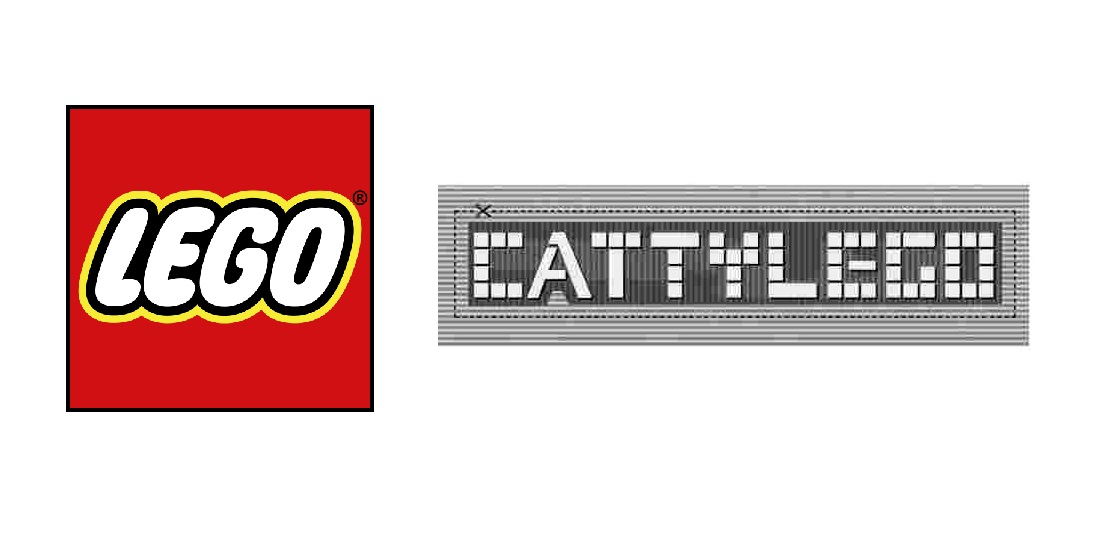
PETSWEEY Co., Ltd., a Taiwanese company, applied for trademark registration in Japan for the mark consisting of a word “CATTYLEGO” and rectangle device (see below in right) on June 15, 2016 by designating toys for pets in class 28. Apparently, PETSWEET Co., Ltd. promotes various categories of cat toys, e.g. Cat Tree, Cart Playground as you can review by accessing their website.

The Japan Patent Office (JPO) admitted registration of the mark on November 15, 2016 and published the gazette under trademark registration no. 5902786 on January 10, 2017.


LEGO Trademark

LEGO Juris A/S, the world’s largest Danish toy manufacturer, filed an opposition against the mark CATTYLEGO on the final day of a two-month duration for opposition.

LEGO argued that the mark CATTYLEGO shall be cancelled due to a conflict with the famous LEGO trademark (see above in left) based on Article 4(1)(viii), (xi), (xv) and (xix) of the Trademark Law.


BOARD DECISION

The Opposition Board admitted a high degree of reputation and population of the LEGO trademark as a source indicator of opponent in relation to brick toys by taking account of consecutive promotion of LEGO bricks in Japan for more than five decades, annual sales amount over 8 billion yens (Approx. USD 74 million ), its remarkable share in the sector of kids toys, and almost half of preschools in Japan have adopted the bricks for educational purpose.

In the meantime, the Board negated similarity between the CATTYLEGO mark and the LEGO trademark, stating that it is unconvincing to consider “CATTY” descriptive from overall appearance of the opposed mark. If so, opposed mark is unlikely to giver rise to any meaning and pronunciation in association with LEGO bricks or opponent.

Based on the foregoing, the Board concluded opposed mark shall not subject to Article 4(1)(xi) so long as both marks are dissimilar.

Board also found less likelihood of confusions due to a remote association between toys for pets and brick toys (for kids) in view of different manufacturers, consumers, usage, commercial channel for these goods as well as dissimilarity of the marks.

Article 4(1)(viii) is a provision to prohibit registration of trademarks which contain the representation or name of any person, famous pseudonym, professional name or pen name of another person, or famous abbreviation thereof. A term of “Person” is construed to include a legal entity as well as individual. It is obvious that opposed mark contains “LEGO” which corresponds to an abbreviated name of opponent. However, it is noteworthy that the Board, in adopting the article, dismissed opponent’s allegation by stating that opponent failed to demonstrate the use of the LEGO trademark in a manner that relevant consumers would conceive it as an abbreviation of opponent’s name.

Under Armour Lost Trademark Battle Against AGEAS in Japan

The Opposition Board of the Japan Patent Office (JPO) dismissed an opposition filed by Under Armour Incorporated, an American sporting goods manufacturer which supplies athletic and casual apparel, as well as footwear, against trademark registration no. 5924494 for the “H” device mark designating apparels, footwear, headgear, gloves, cycling wears in class 25.
[Opposition case no. 2017-900163, Gazette issue date:  February 23, 2018]

Under Armour logo

In an opposition, Under Armour claimed trademark registration no. 5924494 violates Article 4(1)(x), (xi), (xv) and (xix) of the Japan Trademark Law by citing a senior trademark registration no. 4701254 for the Under Armour logo (see below in left). Cited registration has been effectively registered since 2003 by designating clothing, footwear, sportswear, sports shoes in class 25.

Opposed mark

Opposed mark was applied for trademark registration on August 26, 2016 in the name of AGEAS INC. (USA) covering various goods in class 25 (see above in right).

Without any refusal notice from the JPO, opposed mark was granted for registration on January 16, 2017, and published in gazette for opposition on March 21, 2017.

Subsequently, Under Armour filed an opposition in May.


Opposition grounds

Article 4(1)(x) prohibits to register a trademark which is identical with, or similar to, other entity’s well-known mark over goods or services closely related with the entity’s business.
Article 4(1)(xi) is a provision to refrain from registering a junior mark which is deemed identical with, or similar to, any senior registered mark.
Article 4(1)(xv) prohibits to register a trademark which is likely to cause confusion with a business of other entity.
Article 4(1)(xix) prohibits to register a trademark which is identical with, or similar to, other entity’s famous mark, if such trademark is aimed for unfair purposes, e.g. gaining unfair profits, or causing damage to the entity.

To sum up, Under Armour wins if the Under Armour logo is considered confusingly similar to opposed mark. Meanwhile, even if the Under Amour logo obtains a high degree of popularity and reputation among relevant public in Japan, the opposition is overruled as long as both marks are dissimilar and unlikely to cause confusion.


Board decision

The Opposition Board admitted a high degree of popularity and reputation of the Under Armour logo as a source indicator of opponent among relevant consumers in the fields of sports.

In the assessment of mark appearance, the Board concluded:

“It is apparent that respective mark gives rise to a diverse visual impression in the mind of consumers because of different configuration. Opposed mark can be perceived as a device deriving from ‘H’. In the meantime, the cited mark as a device consisting of ‘U’ and upside-down ’U’. Besides, from phonetical and conceptual points of view, there exists no element to find similarity of the marks. Based on the foregoing, both marks shall be less likely to cause confusion due to a remarkable degree of visual difference.”


As a conclusion, the Board decided opposed mark is not subject to Article 4(1)(x), (xi), (xv) and (xix) of the Trademark Law, and admitted to continue a status quo.

Appeal Board reversed examiner’s rejection in the BOB trademark dispute

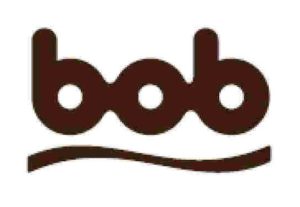
In an administrative appeal disputing trademark similarity between TM registration no. 5719997 for word mark “BOB” and a junior application no. 2016-49394 for the “bob” device mark represented as below, the Appeal Board of the Japan Patent Office decided that both marks are deemed dissimilar and reversed examiner’s rejection.
[Appeal case no. 2017-10420, Gazette issued date: January 26, 2018]


TM Registration no. 5719997

The cited mark, consisting of a word “BOB” in standard character, was registered on November 21, 2014 by designating various items of furniture in class 20.


Junior Application no. 2016-49394

Applied junior mark consists of the following “bob” device mark.

It was applied for registration on May 5, 2016 by designating furniture in class 20.

As a result of substantive examination by the JPO examiner, applied mark was rejected due to a conflict with the cited mark based on Article 4(1)(xi) of the Trademark Law.
Subsequently, the applicant filed an appeal against the rejection and disputed dissimilarity of both marks.


Board decision

In the decision, the Appeal Board held that:

applied mark is a device in dark brown, consisting of two circles protruding upward on the left side, a circle connected with the two circles in line, and wavy lines underneath.

From appearance, even if it may happen the circle design is recognized as a stylized design of “bob”, the Board opines that the design is unlikely to be considered as alphabetical letters due to a remarkable extent of stylization or abstraction. Thus, it is reasonable to conclude that applied mark shall not give rise to any specific pronunciation and meaning.

Based on the foregoing, in the assessment of trademark similarity, the Board decided that:

Obviously, both marks are distinguishable in appearance. As long as applied mark does not give rise to a specific pronunciation and meaning, it is meaningless to compare the pronunciation and meaning of both marks. Consequently, the Board finds no ground to affirm examiner’s rejection from visual, phonetic, and conceptual point of view.


Astonishingly, JPO considered the bob device mark is unreadable.