Top 10 Trademark News in Japan, 2025

As the year 2025 comes to an end, it is a good time to share the top 10 trademark news in Japan by counting the total number of likes on the Linkedin “Like” Button.


1: JPO Grants TM Registration for 3D Shape of the Popular Pocky Cookie

The Japan Patent Office (JPO) granted trademark registration for the three-dimensional (3D) shape of Ezaki Glico’s iconic “Pocky” cookie, recognizing that the shape had acquired distinctiveness in relation to chocolate confections in Class 30 [TM Reg. No. 6951539].


2: UNIQLO Lost in Trademark Opposition against UNIPRO

UNIQLO lost in its attempt to oppose TM Reg no. 6746724 for the mark “UNIPRO” in class 28 due to dissimilarity and unlikelihood of confusion with a world-famous Japanese clothing brand “UNIQLO”.


3: STARBUCKS Unsuccessful Invalidation Action against Trademark “STARBOSS”

The Japan Patent Office (JPO) dismissed an invalidation action claimed by Starbucks Inc. against TM Reg no. 6595964 for wordmark “STARBOSS” in class 32 due to dissimilarity to and unlikelihood of confusion with the world’s largest coffee chain “STARBUCKS”.


4: IP High Court ruling: STARBUCKS vs STARBOSS

The Japan IP High Court did not side with Starbucks Corporation in a trademark dispute between “STARBUCKS” and “STARBOSS”, and affirmed the JPO decision that found “STARBOSS” dissimilar to, and less likelihood of confusion with “STARBUCKS when used on beverages.


5: Trademark dispute: SONY vs SONIMART

The Japan Patent Office (JPO) sided with SONY in a trademark invalidation action against TM Reg no. 6162062 for word mark “SONIMARK” in classes 35 and 42 by finding a likelihood of confusion with famous mark “SONY”.


6: MONSTER STRIKE vs MONSTER ENERGY

The Japan Patent Office (JPO) did not decide in favour of Monster Energy Company in its opposition to Defensive Mark Reg. No. 5673517 for the word mark “MONSTER STRIKE” in Classes 29, 30, and 32.


7: YONEX Scored Win in Registering Color mark

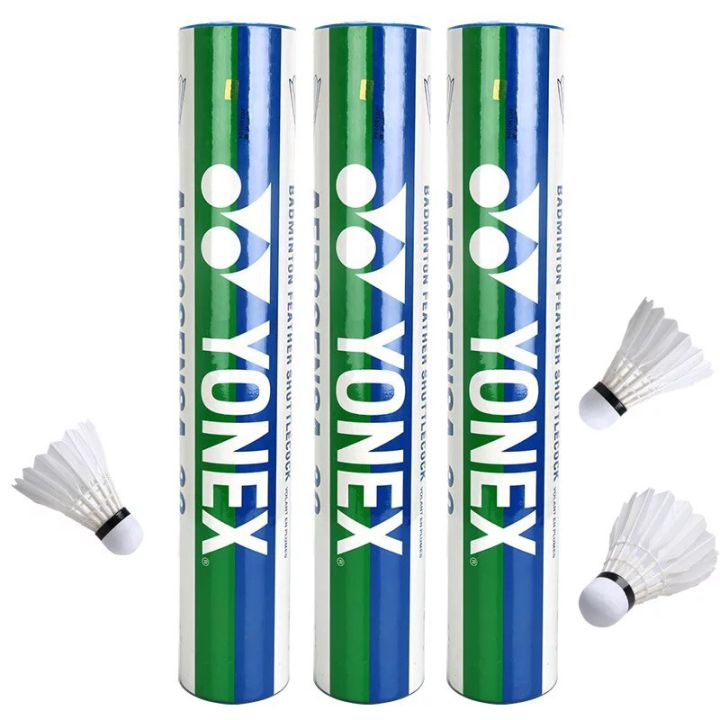
On October 21, 2025, the Japan Patent Office (JPO) granted registration of a color mark that consists of blue and green colors, filed by Yonex Co., Ltd. to use on badminton shuttlecocks by finding acquired distinctiveness of the color combination.


8: HERMES Defeated with Trademark Opposition against KIMONO TWILLY

The Japan Patent Office (JPO) dismissed an opposition filed by Hermes International against TM Reg no. 6753650 for the word mark “KIMONO TWILLY” in Class 18, claiming a likelihood of confusion with the Hermes scarves “TWILLY”.


9: JPO Said No to Register Kawasaki Green Color Mark

On March 19, 2025, the Japan Patent Office (JPO) finally decided to reject a color mark application filed a decade ago by Kawasaki Heavy Industries, Ltd., which sought to register a green color used on the world-famous Kawasaki motorcycles.


10: TOMMY HILFIGER vs TOMTOMMY

The Japan Patent Office (JPO) did not side with Tommy Hilfiger Licensing B.V. in an opposition against TM Reg no. 6604265 “TOMTOMMY” due to dissimilarity and unlikelihood of confusion with “TOMMY” and “TOMMY HILFIGER”.

YONEX Scored Win in Registering Color mark

On October 21, 2025, the Japan Patent Office (JPO) granted registration of a color mark that consists of blue and green colors, filed by Yonex Co., Ltd. to use on badminton shuttlecocks by finding acquired distinctiveness of the color combination.
[Appeal case no. 2022-17481]


YONEX Color Mark

Yonex Co., Ltd. filed a trademark application with the Japan Patent Office on September 6, 2019, for a mark that consists of a combination of blue (Pantone 2935C) and green (Pantone 355C) (color ratio 50%:50%), designating “sports equipment; badminton equipment” and other goods in Class 28 [TM App no. 2019-118815].


Rejection by JPO examiner

On July 27, 2022, the JPO examiner rejected the mark under Article 3(1)(iii) of the Japan Trademark Law, due to a lack of inherent distinctive character. Furthermore, while acknowledging that a certain number of traders and consumers recognize the color combination perse as an indicator of the applicant’s goods in view of the applicant’s extensive use of the mark on badminton shuttlecocks for years, and its leading market share, the examiner had an opinion that a significant number of people do not recognize it as a source indicator to distinguish from others. Accordingly, the examiner concluded that the mark does not satisfy the requirements to apply Article 3(2) since the applicant failed to demonstrate acquired distinctiveness of the mark in relation to the goods in question.

Subsequently, the applicant filed an appeal against the rejection on November 1, 2022, and then restricted the designated goods to “Shuttlecocks” in Class 28.


JPO Appeal Board decision

The JPO Appeal Board observed that the evidence submitted by the applicant would sufficiently demonstrate that the color combination has played a role in identifying the specific source of Shuttlecocks by taking into account the following facts.

  1. The mark has been used continuously for over 48 years, since at least 1976, on Yonex Badminton shuttlecocks. The color combination appears on the applicant’s website, in product catalogs, internet articles, magazines, newspapers, and television programs. The shuttlecocks bearing the mark have been officially used at numerous international badminton tournaments, including the Olympic Games and World Championships.
  2. Yonex shuttlecocks ranked first in the domestic market for 11 consecutive years from 2009 to 2019, with a market share of approximately 70% to 80% during that period.
  3. According to survey results targeting 1,053 men and women aged 15 to 59 who currently play or have played badminton or tennis, 57.87% of the respondents who have played both tennis (including soft tennis) and badminton could associate the color combination with the applicant in the answer to an open or closed (multiple choice) question. For those who have experienced badminton, but not tennis, 56.59% could associate it with the applicant in either question.

Based on the foregoing, the Board found that the examiner erred in applying Article 3(2), and thus decided to register the color combination as a trademark.