“MONA LISA” May Smile At You

In a recent decision, the Japan Patent Office (JPO) disaffirmed the examiner’s refusal and accepted for registration of the world-famous painting, ‘Mona Lisa’ by Leonardo da Vinci.
[Appeal case no. 2020-9377, Gazette issued date: May 28, 2021]


“MONA LISA”

Disputed mark, consisting of a wordmark “MONA LISA” written in a Japanese katakana character (see below), was filed by a Japanese company, Negibito Co., Ltd on February 20, 2019, for use on ‘edible live aquatic animals; edible unprocessed seaweeds; fresh vegetables; fresh fruits; live mammals, fish [not for food], birds and insects and other goods in class 32.
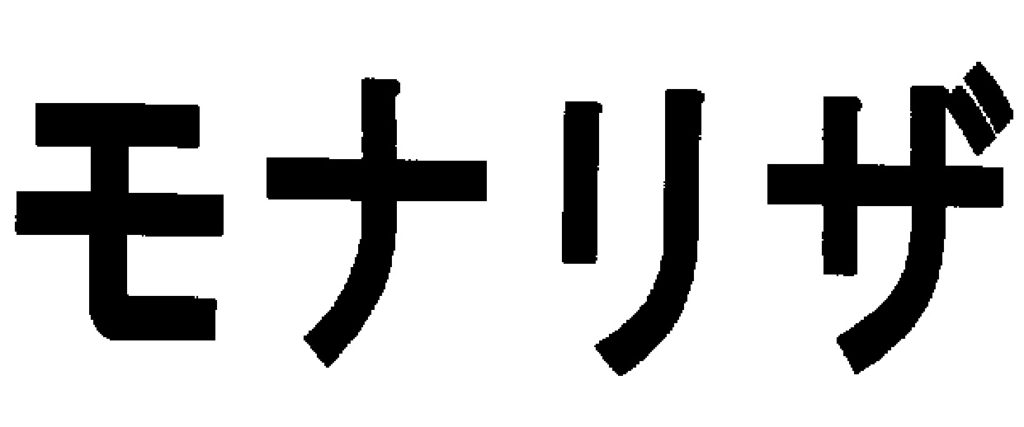
Apparently, the company uses the disputed mark on specially grown scallions with a high sugar content of more than 20 degrees to be sold at JPY10,000 (USD92) for one stalk!


Article 4(1)(vii)

JPO examiner raised her objection by stating that since “MONA LISA” has been known for the world-famous painting, ‘Mona Lisa’ by Leonardo da Vinci, it shall contravene the generally accepted sense of morality or the international faith if registered. Accordingly, the disputed mark shall be rejected in contravention of Article 4(1)(vii) of the Japan Trademark Law.

Article 4(1)(vii) of the Trademark Law prohibits any mark likely to cause damage to public order or morality from registration.

Trademark Examination Guidelines 42.107.05 provides seven criteria to take into consideration to determine if a mark, consisting of valuable cultural products (works of art), shall contravene the article.

(i) Famousness of the cultural products
(ii) Recognition of the cultural products among citizens or local residents
(iii) State of use of the cultural products
(iv) Relationship between the state of use of the cultural products and the designated goods or services
(v) Background, purpose, and reason for filing an application
(vi) Relationship between the cultural products and the applicant
(vii) Authorized entity that manages and owns the cultural products (if any)

The applicant filed an appeal against the refusal on July 3, 2020.


JPO Appeal Board decision

The Appeal Board assessed seven criteria pertinent to the works of art “MONA LISA” in accordance with the Trademark Examination Guideline.

The Board admitted a remarkable degree of recognition and reputation of “MONA LISA” among the general public in Japan as the world-famous painting by Leonardo da Vinci.

In the meantime, the Board questions if the goods in question are closely related to works of art and art exhibitions that the term “MONA LISA” has been used.

Besides, the Board found that the term is not used to promote or develop certain regions associated with the painting in relation to the goods in question.

Based on the foregoing, the Board held that it is unlikely that registration of the disputed mark would constitute a genuine and sufficiently serious threat to a fundamental interest of society when used in connection with the goods in class 32. Therefore, the disputed mark “MONA LISA” shall not be refused on the basis of the public policy exception provided for in Article 4(1)(vii) of the Trademark Law.

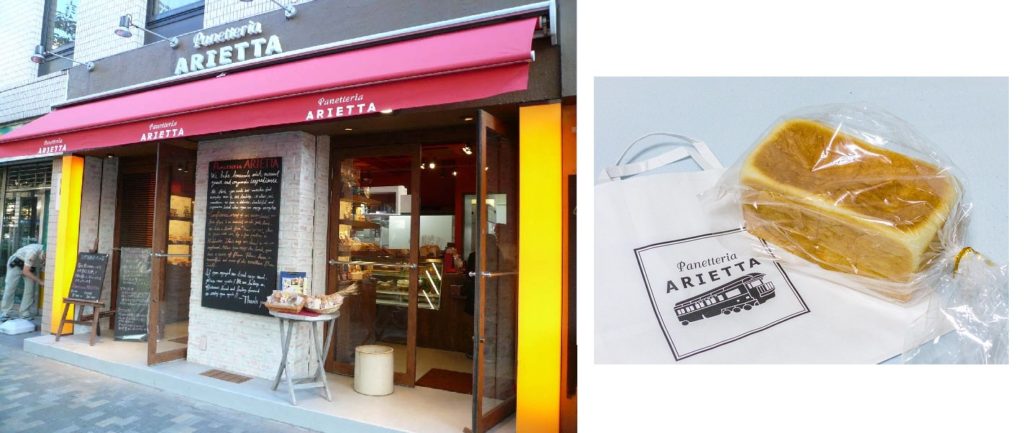
JPO found Italian word “Panetteria” distinctive in relation to restaurant service

In a recent administrative decision, the Appeal Board of the Japan Patent Office (JPO) disaffirmed the examiner’s refusal and found “Panetteria ARIETTA” and “ARIETTA” are dissimilar by virtue of distinctiveness of the term “Panetteria.”

[Appeal case no. 2020-9688, Gazette issued date: May 28, 2021]

Panetteria ARIETTA

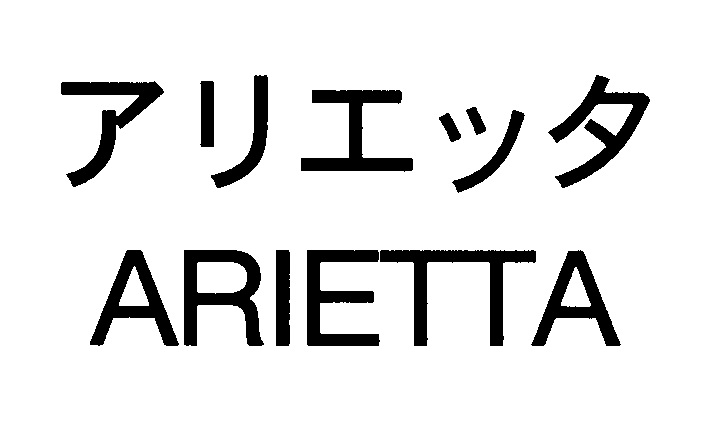
FOOD ENGINEERING DESIGN INC., a Japanese commercial bakery and restaurant, filed a trademark registration for word mark consisting of the term “Panetteria ARIETTA” in a gothic type and its transliteration written in a Japanese katakana character (see below) for use on confectionery and bread in class 30 and restaurant service in class 43 on January 15, 2019 [TM App no. 2019-8176].

The applicant has used the applied mark as a shop name on bakeries located in Tokyo.


ARIETTA

The JPO examiner raised her objection on the ground that the applied mark is deemed similar to senior trademark registration no. 5106118 for word mark consisting of the term “ARIETTA” and its transliteration written in a Japanese katakana character (see below) on restaurants and other services in class 43.

In the refusal decision dated May 7, 2020, the examiner asserted the term “Panetteria” is an Italian word meaning ‘bakery’ and thus lacks distinctiveness in relation to bread and restaurant service. If so, other term “ARIETTA” of the applied mark would play a dominant role of its source indicator. Accordingly, the examiner rejected the applied mark in contravention of Article 4(1)(xi) of the Japan Trademark Law.

The applicant filed an appeal against the refusal on July 10, 2020.


JPO Appeal Board decision

The Appeal Board questioned whether an Italian word “Panetteria” is commonly used as a descriptive indication in relation to restaurant service in Japan. The Board found the term as well as its meaning is not familiar among the general public. Under the circumstance, the examiner errored in assessing distinctiveness of the word. A mere fact that the term “Panetteria” appears in an Italian language dictionary is insufficient to conclude a portion of the term “ARIETTA” per se plays a role of source indicator of the applied mark.

Provided that relevant consumers would not conceive any specific meaning from the term “Panetteria”, the Board held the applied mark “Panetteria ARIETTA” and cited mark “ARIETTA” are obviously dissimilar as a whole from visual, phonetic, and conceptual points of view.

Based on the foregoing, the JPO Appeal Board disaffirmed the examiner’s rejection and decided to register the applied mark accordingly.

Katakana to prevent mispronunciation of brands

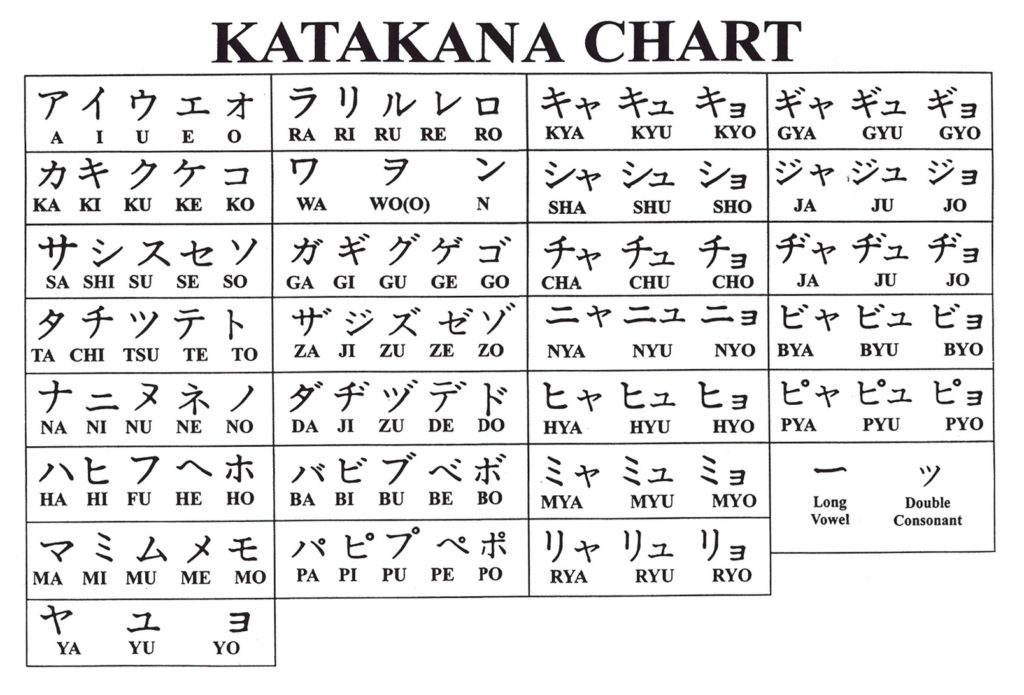
The unique writing system of the Japanese language consists of three different character sets: Kanji (several thousands of Chinese characters), and Hiragana and Katakana (two syllabaries of 46 characters each).

Specifically, Katakana gets used to writing foreign loanwords phonetically.

By virtue of Katakana, we get a clue to learn the proper pronunciation of unpronounceable alphabetical words. In this regard, Katakana is obviously of great help to avoid phonetic slip-ups and mispronouncing high-profile brand names in Japan.

For instance, when we come across the word “YVES SAINT LAURENT” for the first time, we most likely call it “i-bes-sein-to-lo-ren-to”.
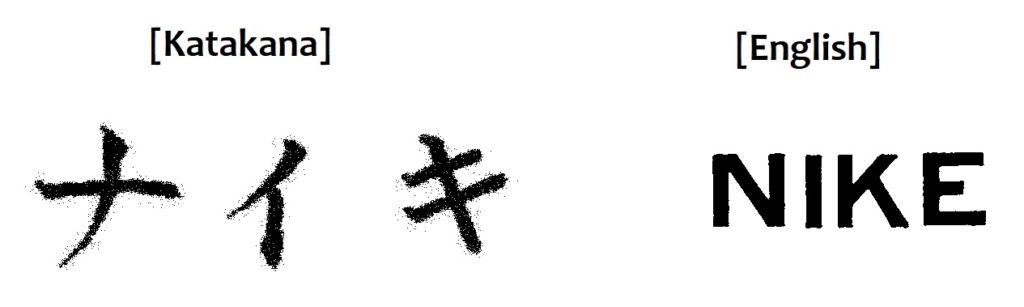
Likewise, we are likely to call “Uber” as “yu-be:ru”, “Google” as “go:gu-lu”, “NIKE” as “ni-ke”, “Levis” as “le-vi-su”, “XLARGE” as “eks-la:ji”, “Michelin” as “mi-sye-lin”, “XXIO” as “eks-esk-ai-ou”.

In other words, less attention to Katakana in promoting alphabetical brand names is likely to result in mispronunciation among the relevant public in Japan as you can see from the above instances.

What’s worse, it may give rise to a tragedy that trademark registration for the alphabetical name is insufficient to force an unauthorized entity to cease its use of a mark consisting of Katakana to represent the correct pronunciation of the name due to dissimilarity of the marks.

Provided that trademark registration is solely composed of alphabetical words, the pronunciation of the mark is construed based on the most natural, logical way to pronounce it.

In this regard, it was a bit surprised that the Supreme Court judged a wordmark written in Katakana to be read as “reeru-dyu-tan” is phonetically identical with a registered mark “L’Air du Temps” in Case 1998 (Gyo-Hi) 85. Undoubtedly the judgment was based on the facts that “L’Air du Temps” had become well-known as a brand of perfume and the registered mark had been advertised accompanying a Katanaka “reeru-dyu-tan” as well.

When we come across the word “L’Air du Temps” for the first time, little thought is given to call it “reeru-dyu-tan”. The most natural way to pronounce it is “lu-ea:-dyu-ten-po-su” indeed. Thus, the Supreme Court judgment should not be considered to negate the necessity of Katakana in avoiding mispronounced marks.

It is advisable to use and register a Katakana character representing the correct pronunciation of the brand name as well as the alphabetical letters, especially where the letters are unpronounceable to the Japanese and thus natural pronunciation is not what a brand owner expects the Japanese to call it.

NIKE uses and registers its corporate name in both respectively.