Top 10 Trademark News in Japan, 2025

As the year 2025 comes to an end, it is a good time to share the top 10 trademark news in Japan by counting the total number of likes on the Linkedin “Like” Button.


1: JPO Grants TM Registration for 3D Shape of the Popular Pocky Cookie

The Japan Patent Office (JPO) granted trademark registration for the three-dimensional (3D) shape of Ezaki Glico’s iconic “Pocky” cookie, recognizing that the shape had acquired distinctiveness in relation to chocolate confections in Class 30 [TM Reg. No. 6951539].


2: UNIQLO Lost in Trademark Opposition against UNIPRO

UNIQLO lost in its attempt to oppose TM Reg no. 6746724 for the mark “UNIPRO” in class 28 due to dissimilarity and unlikelihood of confusion with a world-famous Japanese clothing brand “UNIQLO”.


3: STARBUCKS Unsuccessful Invalidation Action against Trademark “STARBOSS”

The Japan Patent Office (JPO) dismissed an invalidation action claimed by Starbucks Inc. against TM Reg no. 6595964 for wordmark “STARBOSS” in class 32 due to dissimilarity to and unlikelihood of confusion with the world’s largest coffee chain “STARBUCKS”.


4: IP High Court ruling: STARBUCKS vs STARBOSS

The Japan IP High Court did not side with Starbucks Corporation in a trademark dispute between “STARBUCKS” and “STARBOSS”, and affirmed the JPO decision that found “STARBOSS” dissimilar to, and less likelihood of confusion with “STARBUCKS when used on beverages.


5: Trademark dispute: SONY vs SONIMART

The Japan Patent Office (JPO) sided with SONY in a trademark invalidation action against TM Reg no. 6162062 for word mark “SONIMARK” in classes 35 and 42 by finding a likelihood of confusion with famous mark “SONY”.


6: MONSTER STRIKE vs MONSTER ENERGY

The Japan Patent Office (JPO) did not decide in favour of Monster Energy Company in its opposition to Defensive Mark Reg. No. 5673517 for the word mark “MONSTER STRIKE” in Classes 29, 30, and 32.


7: YONEX Scored Win in Registering Color mark

On October 21, 2025, the Japan Patent Office (JPO) granted registration of a color mark that consists of blue and green colors, filed by Yonex Co., Ltd. to use on badminton shuttlecocks by finding acquired distinctiveness of the color combination.


8: HERMES Defeated with Trademark Opposition against KIMONO TWILLY

The Japan Patent Office (JPO) dismissed an opposition filed by Hermes International against TM Reg no. 6753650 for the word mark “KIMONO TWILLY” in Class 18, claiming a likelihood of confusion with the Hermes scarves “TWILLY”.


9: JPO Said No to Register Kawasaki Green Color Mark

On March 19, 2025, the Japan Patent Office (JPO) finally decided to reject a color mark application filed a decade ago by Kawasaki Heavy Industries, Ltd., which sought to register a green color used on the world-famous Kawasaki motorcycles.


10: TOMMY HILFIGER vs TOMTOMMY

The Japan Patent Office (JPO) did not side with Tommy Hilfiger Licensing B.V. in an opposition against TM Reg no. 6604265 “TOMTOMMY” due to dissimilarity and unlikelihood of confusion with “TOMMY” and “TOMMY HILFIGER”.

JPO Rejected 3D shape of KitKat 2 Finger Mini Chocolate Wafers as Trademark

The Japan Patent Office (JPO) Appeal Board upheld the examiner’s decision to reject TM App no. 2020-121513 for the 3D shape of Nestle’s KitKat 2 Finger Mini Chocolate Wafers, due to a lack of inherent and acquired distinctiveness.
[Appeal case no. 2024-75, decided on September 29, 2025]


KitKat 2 Finger Mini Chocolate Wafers

Société des Produits Nestlé S.A. filed a trademark application for the 3D shape of KitKat 2 Finger Mini Chocolate Wafers (see below) in connection with chocolate confections (Cl. 30) with the JPO on October 1, 2020. [TM App no. 2020-121513]

The JPO examiner gave Nestle a notice of grounds for refusal on August 30, 2021, based on Article 3(1)(iii) of the Japan Trademark Law due to a lack of inherent distinctiveness.

As a response, Nestle argued not only the inherent distinctiveness of the 3D shape, but also acquired distinctiveness since the shape has been used since 2011 on their world-famous chocolate wafers “KitKat 2 Finger Mini”. To demonstrate the acquired distinctiveness, Nestle conducted market research targeting 1,001 men and women aged 15 to 64 residing in Tokyo or Osaka, or these neighboring areas, and who have purchased and eaten chocolate confections more than once a month. 85% of respondents, when shown the 3D shape of the KitKat 2 Finger Mini chocolate wafers without any accompanying text, identified it as “KitKat” in response to an open-ended question.

However, the examiner considered the market research biased by excluding children aged under 15 and over 65, who are unquestionably relevant consumers, and limiting respondents who reside in the Tokyo or Osaka areas and have purchased and eaten chocolate confections more than once a month.

On October 2, 2023, the examiner decided to reject the mark based on Article 3(1)(iii), and noted that the evidence is insufficient to find 3D shape perse has already played a role in identifying the source of the KitKat 2 Finger Chocolate Wafers.

To contest, Nestle filed an appeal with the JPO on January 4, 2024.

Subsequently, Nestle conducted 2nd market research targeting 1,080 men and women aged 15 to 99 without restricting their residence and preference to chocolate confections. The result shows that 72.9% of respondents, when shown the 3D shape of the KitKat 2 Finger Mini chocolate wafers without any accompanying text, identified it as “KitKat” in response to an open-ended question.


JPO Appeal Board decision

The JPO Appeal Board recognized the high popularity and recognition of KitKats sold in Japan since 1973, which holds a 17% market share — the top ranking in Japan. Annual sales exceeded 27 billion JPY in 2019.

In the meantime, the Board questioned whether the applied 3D shape perse has acquired distinctiveness in connection with the KitKat 2 Finger Mini chocolate wafers by stating that:

  1. KitKats come in various shapes, such as spherical or stick-shaped, as well as the ‘2 Finger Mini’. Therefore, the applied 3D shape would not be identical to all KitKat chocolates.
  2. KitKats are sold in individually wrapped pieces that are then packed in boxes or bags for display and sale. This suggests that the 3D shape would not be distinctive enough to catch consumers’ attention at the time of purchase.
  3. Of the sixty KitKats, only two represent an image of the 3D mark on their packaging.
  4. There is insufficient evidence to conclude that relevant consumers can securely identify the source of KitKats by relying solely on the 3D mark in question.
  5. Advertising for KitKats has not prominently featured the 3D shape to the extent that it could be perceived as a source indicator by consumers. Even if market research shows that many consumers associate the 3D shape with KitKats, it cannot be concluded that consumers distinguish KitKats based solely on the shape of the goods.

Based on the above findings, the JPO upheld the examiner’s decision, and declared rejection of the 3D shape due to a lack of inherent and acquired distinctiveness.

The JPO’s decision is appealable until February 11, 2026.

JPO Grants TM Registration for 3D Shape of the Popular Pocky Cookie

On July 25, 2025, the Japan Patent Office (JPO) granted trademark registration for the three-dimensional (3D) shape of Ezaki Glico’s iconic “Pocky” cookie, recognizing that the shape had acquired distinctiveness in relation to chocolate confections in Class 30 [TM Reg. No. 6951539].


Ezaki Glico’s Pocky

Pocky, first introduced in 1966 by Ezaki Glico—one of Japan’s leading confectionery manufacturers—is a slender biscuit stick coated in chocolate, with the lower end intentionally left bare to allow for easy handling without getting chocolate on the fingers.

On March 13, 2024, MARKS IP LAW FIRM, acting as trademark counsel to Ezaki Glico, filed a 3D trademark application with the JPO for the shape of the Pocky cookie, covering confectionery in Class 30 [TM App. No. 2024-26132].


Acquired Distinctiveness

During the substantive examination, as anticipated, the JPO issued a Notification of Reasons for Refusal pursuant to Article 3(1)(iii) of the Japan Trademark Law. This provision bars registration of marks that consist solely of indications commonly used to designate, inter alia, the place of origin, quality, raw materials, intended purpose, shape (including packaging), price, or method/time of production or use.

In response, we submitted that the Pocky cookie’s 3D shape had, through long-standing and widespread use, come to function as a source identifier. Accordingly, it should qualify for exception under Article 3(2) of the Japan Trademark Law, which permits registration of marks otherwise barred under Article 3(1)(iii)–(v), provided that the mark has acquired distinctiveness among relevant consumers.

To substantiate the claim of acquired distinctiveness, we submitted extensive evidence, including market research targeting 1,036 men and women aged 16 to 79. Remarkably, 91.6% of respondents, when shown the 3D shape of the Pocky cookie without any accompanying text, identified it as “Pocky” or “Pocky chocolate” in response to an open-ended question.


JPO Decision

Following the submission of evidence and subsequent restriction of the designated goods to “chocolate confections” in Class 30, the JPO approved the registration on June 24, 2025 by admitting acquired distinctiveness of the 3D mark.


To date, the JPO has granted a total of eight registrations for the 3D shape of confectionery products. Of these, only two—prior to Pocky—were registered on the basis of acquired distinctiveness under Article 3(2). The Pocky case therefore represents only the third such registration in Japan and is particularly noteworthy given the simplicity and lack of ornamentation in the claimed product shape.

Japan IP High Court gives Green Light to 3D “Godzilla” shape as Trademark

On October 30, 2024, the Japan IP High Court disaffirmed the administrative decision by the Japan Patent Office (JPO) not to register the 3D shape of the eponymous character from the film “Shin Godzilla” as a trademark.
[Judicial case no. Riewa6(Gyo-ke)10047]


GODZILLA

Godzilla, a science-fiction monster spawned from the waste of nuclear tests that resembles an enormous bipedal lizard was released in Japanese film in 1954. The character has since become an international pop culture icon. After the original 1954 cinematic masterpiece, Godzilla has appeared in more than 30 films spanning seven decades and several eras produced by Toho Co., Ltd.

On July 29, 2016, the film “Shin Godzilla (Godzilla Resurgence)” produced by Toho was theatrically released as a 31st film of Godzilla trilogy. The film grossed $79 million worldwide, making it the highest-grossing live-action Japanese film of 2016. It received 11 Japan Academy Prize nominations and won seven, including Picture of the Year and Director of the Year.

Toho Co. filed a trademark application with the JPO for the 3D shape of Godzilla’s fourth form in the film “Shin Godzilla”, the final evolutionary form of the character appearing in the film, as a trademark for use in stuffed toys, figures, dolls and toys of class 28 on September 29, 2020 (TM App no. 2020-120003).

The JPO examiner, however, rejected the 3D mark based on Article 3(1)(iii) of the Trademark Law due to a lack of distinctiveness in relation to the goods. The JPO Appeal Board also dismissed an appeal on the same ground and held that the 3D shape has not acquired distinctiveness because of insufficient use of the 3D mark in relation to the goods in question (Appeal case no. 2021-11555).

On May 10, 2024, Toho filed an appeal to the IP High Court and called for the JPO decision to be revoked.


IP High Court decision

The IP High Court affirmed the findings of the JPO to reject the 3D shape due to a lack of inherent distinctiveness in relation to the goods in question.

In the meantime, the court found that the JPO errored in applying Article 3(2) and assessing the acquired distinctiveness of the 3D mark by stating that:

  1. Toho has produced and distributed 30 films in the “Godzilla” series over a 69-year period from 1954 to 2023, and although the shape of the “Godzilla” character in these films changed slightly, the basic shape of the character was largely the same, and the form of the Godzilla character with its countless folds and complex rocklike texture is distinctive among other monster characters of the same type.
  2. The applied mark represents the 3D shape of Godzilla’s fourth form in the film “Shin Godzilla”, the final evolutionary form of the character appearing in the film. It has the same features with the monster appeared in the previous “Godzilla” films. It is obvious that the basic shape of the “Godzilla” character has been widely recognized among general public to indicate a monster character produced by Toho even before the release of the film “Shin Godzilla”.
  3. Even if the term “use” under Article 3(2) of the Trademark Law should be limited to actual use of a sign strictly identical with the applied mark, in determining whether a consumer has come to “recognize the goods bearing the applied mark to indicate a specific source” under the article, it should be reasonable or rather necessary to consider the influence of the entire “Godzilla” films including “Shin Godzilla” on consumers’ recognition to the applied 3D mark.
  4. The interview conducted in September, 2021, targeting 1,000 interviewees of men and women aged 15 to 69 nationwide, showed an extremely high level of recognition, namely, 64.4% answered “Godzilla” or “Shin Godzilla” to the open-ended responses (70.8% among men).

Japan IP High Court Decision: 3D shape of Stokke “TRIPP TRAPP” high chair Unprotectable under Copyright Law

On September 25, 2024, the Japan IP High Court dismissed an appeal by Peter Opsvik AS and Stokke AS who had claimed copyright protection for their award-winning, best-selling children’s chair, “TRIPP TRAPP.”

[Court case no. Reiwa5(ne)10111]

TRIPP TRAPP

In 2021, Peter Opsvik AS and Stokke AS, as co-plaintiffs, initiated legal proceedings against Noz Corporation at the Tokyo District Court on the grounds of copyright infringement and the Unfair Competition Prevention Law.

The plaintiffs have asserted that Noz Hopple’s “Choice Kids” and “Choice Baby” chairs (see below right) are liable for copyright infringement and prohibited under the Unfair Competition Prevention Law in relation to their iconic “TRIPP TRAPP” high chair (see below left), and sought damages in the amount of 14 million JPY (approximately 98,000USD) in the complaint.

However, the Tokyo District Court did not rule in favor of the plaintiffs in a decision on the merits, rendered on September 28, 2023 [Reiwa3(wa)31529].

To contest, the plaintiffs filed an appeal with the IP High Court, requesting the cancellation of the District Court decision.


IP High Court decision

The IP High Court found that the distinctive shape of “TRIPP TRAPP” perse has played a significant role in identifying the source of the plaintiff’s chair. However, the court questioned resemblance between the “TRIPP TRAPP” chair and the defendant chairs by globally taking account of their respective appearances and overall impressions.

Pertinent to a legal protection to the “TRIPP TRAPP” chair under the Copyright Law, the court held that:

In determining appropriate protection for creative works on the shape of utility articles, it is necessary to pay due attention to the purposes, nature, and content of rights provided by the Copyright Law and the Design Law in Japan.

To the extent that creative expression on utility articles is visible and causes aesthetical effect in the mind of consumers, it will not require protection under the Copyright Law since the Design Law takes an initiative to provide sufficient protection for such expression.

Based on these points, it is reasonable to conclude that creative shape of utility articles is protectable under the Copyright Law only where it contains an independent part that is an object of aesthetic appreciation apart from its practical function or when the entire article is deemed to have been created exclusively for the purpose of aesthetic appreciation.

The court has an opinion that the unique features of the “TRIPP TRAPP” chair are mainly serving to realize the practical function as a height adjustable children’s chair and aim to achieve basic function of chair as a whole. Therefore, it is difficult to separate the features apart from basic function of the plaintiff’s product as a chair. In other words, even if the plaintiff’s chair gives rise to an aesthetic effect in the mind of consumers as a whole, the unique feature of the chair is not an object of independent aesthetic appreciation apart from its practical function as a chair.

Obviously, there is no evidence to find that the plaintiff’s chair was made exclusively for the purpose of aesthetic appreciation.

Besides, the defendant’s chairs do not have the unique function of the plaintiff’s product. Due to a clear distinction in overall impression of respective products, the IP High Court believes the defendant was not liable for copyright infringement consequently.

P&G Unsuccessful attempt to register 3D shape of SK-II bottle

In an attempt to register TM App no. 2020-1611 for 3D mark representing a bottle shape of the SK-II Facial Moisturizing Lotions, the Japan Patent Office (JPO) upheld the examiner’s rejection and dismissed the appeal filed by The Procter & Gamble Company (P&G).
[Appeal case no. 2022-6, decided on May 9, 2024]


SK-II

P&G filed a trademark application for 3D bottle shape of the SK-II cosmetic lotions (see below) in class 3 with the JPO on February 14, 2020 (TM App no. 2020-1611).

SK-II is a Japanese-based multinational beauty brand with premium skincare solutions sold in East Asia, North America, Europe, and Australia, launched in the early 1980s.

Allegedly, domestic sales of the “SK-II” facial treatment essence (moisturizing lotions) contained in the applied 3D mark were approximately JPY 10 billion to 16.5 billion in each of the fiscal years from 2016 to 2020.


Article 3(1)(iii)

The JPO examiner rejected the 3D mark based on Article 3(1)(iii) of the Japan Trademark Law due to a lack of inherent distinctiveness.

Article 3(1)(iii) is a provision to prohibit registration of any mark that is descriptive in relation to designated goods and service. Trademark Examination Guideline (TEG) refers to 3D bottle shape of goods as an example subject to the article.

Where trademark is merely recognized as the shapes of designated goods (including shape of packages), it is evaluated just to indicate the “shape” of the goods. Moreover, the same principle shall apply to cases where a trademark is recognized as part of the shapes of designated goods (including their packages).


Article 3(2)

P&G argued acquired distinctiveness of the 3D mark as a result of substantial use. However, the examiner rejected the argument, stating that since the applied mark has been consistently used with the word mark “SK-II” on every bottle, there is no reason to believe that the 3D shape perse has played a role in identifying the source of the cosmetics.
Therefore, the applied mark shall not be registrable based on Article 3(2) of the Trademark Law due to a lack of acquired distinctiveness.


JPO decision

The JPO Appeal Board found the applied mark should be rejected in accordance with Article 3(1)(iii) due to the prevalence of cylindrical bottles in the contexts of cosmetics and other industries.

In its decision, the Board noted that a considerable amount of sales had been made to date and that advertising and promotional activities had been conducted at a considerable expense. The SK-II cosmetics bearing the 3D mark have been extensively advertised through a variety of channels, including magazine advertisements, TV commercials, events, and other campaign activities. They have also been widely covered by the web media and other media outlets.

In the meantime, the Board pointed out the use of distinctive words, such as “SK-II”, “SECRET KEY II”, “MAX FACTOR” etc., on the bottle of the CK-II facial moisturizing lotions. In this respect, there is no sufficient evidence and material featuring the 3D mark so that consumers at the sight of advertisements can consider the bottle shape as a source indicator.

Besides, P&G did not produce evidence of brand awareness survey to demonstrate acquired distinctiveness of the bottle shape. The registration of the same mark in other jurisdictions, such as the United Arab Emirates and South Korea, does not have any binding power in Japan when it comes to evaluating distinctiveness.

Based on the above findings, the Board concluded that the 3D mark per se has not acquired distinctiveness and should not apply Article 3(2).

Hermes Victory with Invalidating Birkin Lookalike Design

The Japan IP High Court has ruled in favor of Hermes in a dispute over the validity of Design Reg no. 1606558 by finding a likelihood of confusion with Hermes.
[Court case no. Reiwa5(Gyo-ke)10113, decided on February 19,2024]


Design Registration no. 1606558

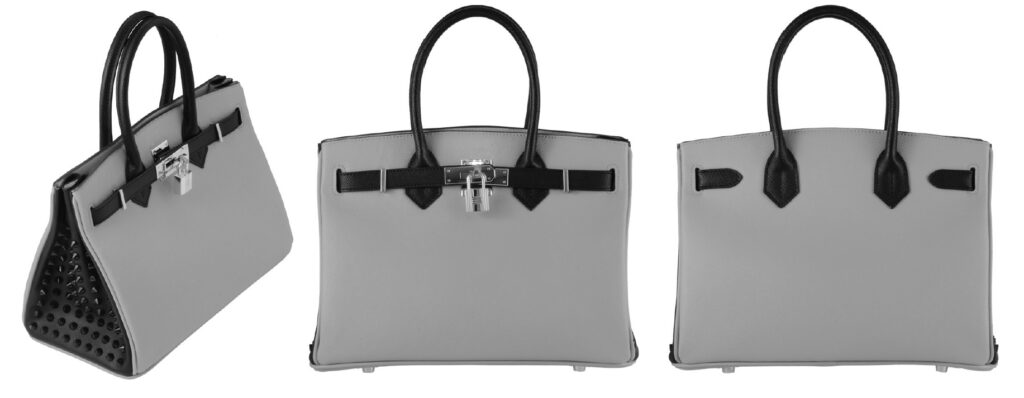
Plaintiff, Toms and Collective Co., Ltd applied a 3D shape of bag (see below) with the JPO on August 23, 2017 (Design App no. 2017-18064). The JPO, as a result of substantive examination, granted protection of the design on May 18, 2018.

Defendant, Hermes International filed an invalidation action with the JPO on January 13, 2023 and claimed the design registration shall be invalidated in contravention of Article 5(ii) of the Japan Design Law.

Article 5(ii) provides a design that has a risk of causing confusion with goods of another person’s business may not be registered.

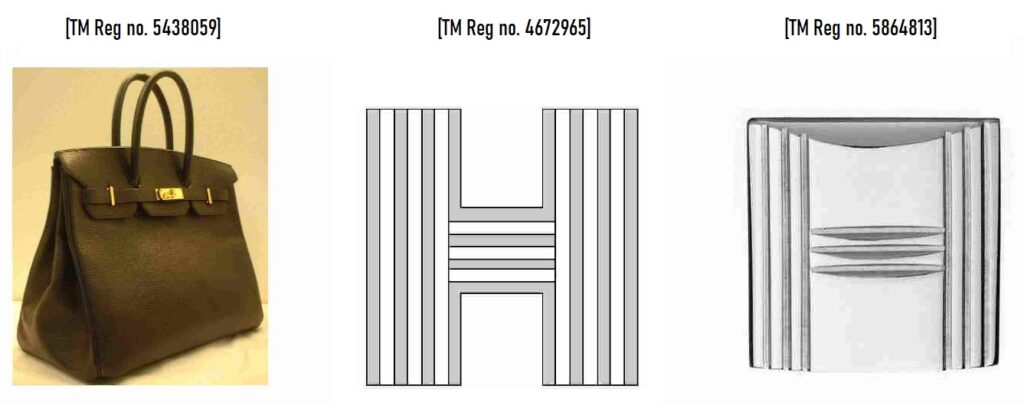
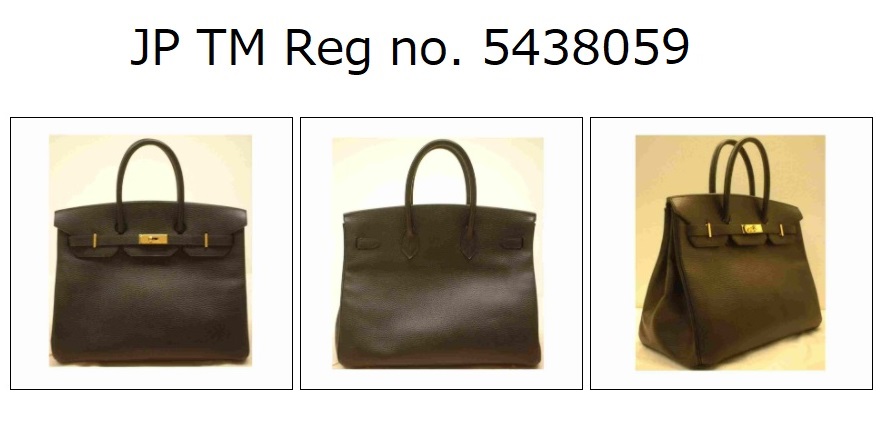
Hermes referred to three trademark registrations that are relevant to the 3D shape of Birkin bags (TM Reg no. 5438059) and two “H” logos (TM Reg nos. 4672965 and 5864813) in class 18. They argued that the disputed design is likely to cause confusion with Hermes when used on bags due to the famousness of the registered marks and the resemblance between the disputed design and Hermes’ marks.


Invalidation decision by JPO

On September 4, 2023, the JPO Trial Board decided to invalidate the disputed mark by stating that:

  1. As there is a remarkable gap between the disputed design and 3D shape of Birkin bags, the Board has no reason to find a likelihood of confusion with TM Reg no. 5438059.
  2. The Board questions whether the “H” logo for TM Reg no. 4672965 (H1 mark) has become famous as a source indicator of Hermes. Therefore, the disputed design would not cause confusion with H1 mark.
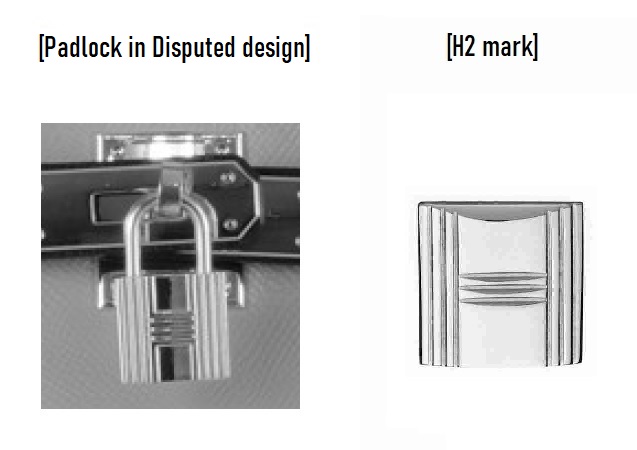
  3. Meanwhile, Meanwhile, the plaintiff admits that the ‘H’ logo for TM Reg no. 5864813 (H2 mark) has become famous for identifying Hermes. The padlock in the disputed design bears a resemblance to the H2 mark that has been used on the buckles of Hermes bags. As a result, relevant consumers are likely to confuse the bags with Hermes upon seeing the disputed design, particularly the padlock.

IP High Court decision

On October 11, 2023, the Plaintiff filed an appeal with the IP High Court and requested the cancellation of the invalidation decision made by JPO.

In the lawsuit, Plaintiff argued that the padlock should not be considered a prominent element of the design, as it is merely an accessory to the disputed design that represents a shape of the bag as a whole.

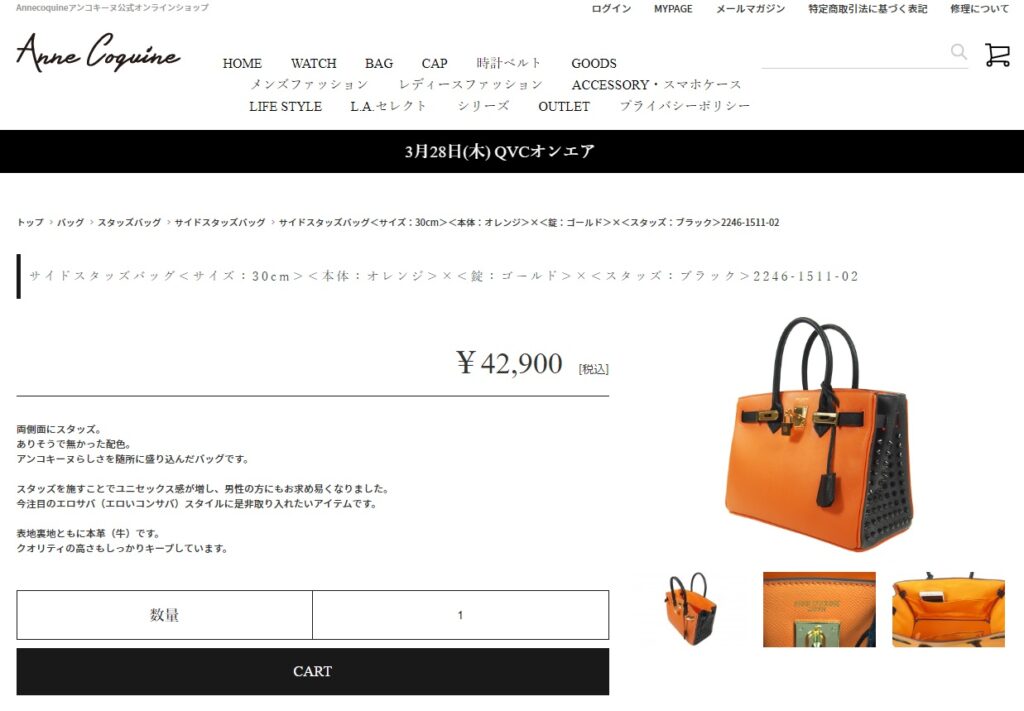
Screenshot taken from https://annecoquine.com/

The judge stated that any partial shape of the entire design is subject to assessment in adapting Article 5(ii). It is unrelated to the “prominent element” used to assess design similarity under Article 3(1)(iii) of the Design Law.

The judge also addressed that it is irrelevant to consider whether Plaintiff promotes bags representing the disputed design but without the padlock.

Based on the foregoing, the court dismissed all allegations and invalidated the disputed design due to a likelihood of confusion with Hermes.

CASIO Successful in Registering 3D Shape of “G-SHOCK” Watch

The Japan Patent Office (JPO) disaffirmed the examiner’s rejection and granted protection to the 3D shape of the Casio “G-Shock” watch by finding acquired distinctiveness as a result of substantial use over the past four decades.

[Appeal case no. 20212-11052, Gazette issued date: June 30, 2023]

CASIO “G-SHOCK” Watch

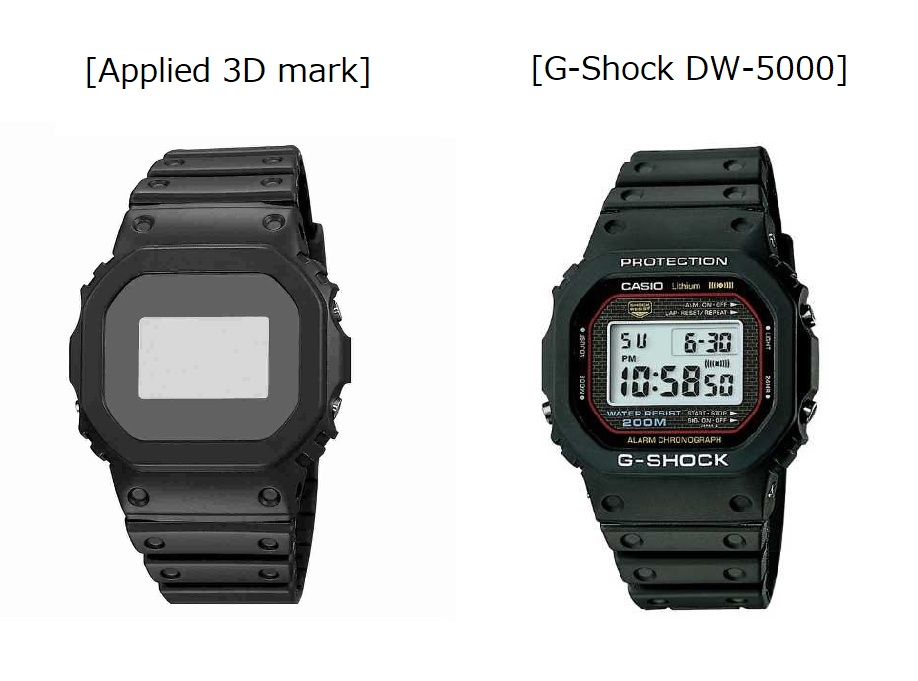
On April 28, 2021, Casio Computer Co., Ltd. filed a trademark application for the 3D shape of the first-released G-Shock, the DW-5000 (see below) to be used on ‘watches’ in class 14 with the JPO (TM application no. 2021-52961).


Rejection by JPO Examiner

On April 11, 2022, the JPO examiner rejected the 3D mark based on Article 3(1)(iii) of the Japan Trademark Law.

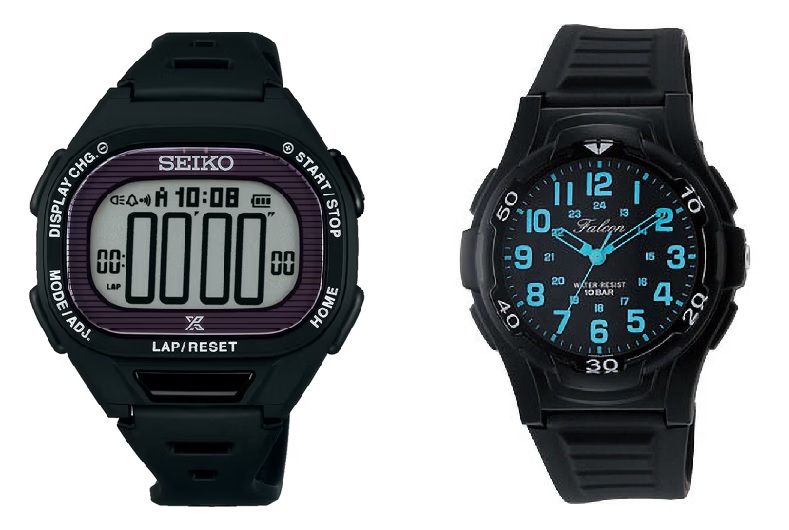
In the rejection, taking into consideration various decorations or patterns on the belt and case of wristwatches by other watchmakers (see below), the examiner considered the 3D shape of the applied mark lacks distinctiveness as a source indicator of wristwatch because relevant consumers and traders would recognize it simply represents a common shape of wristwatch adopted to enhance aesthetic function and psychological effect on the goods in question.

The examiner negated the acquired distinctiveness of the 3D shape of “G-Shock”, the DW-5000 regardless of continuous use on Casio’s wristwatches for 40 years on the grounds that:

  1. On the goods, catalogs, and advertisements, wordmarks “CASIO” and “G-SHOCK” have been constantly used as well.
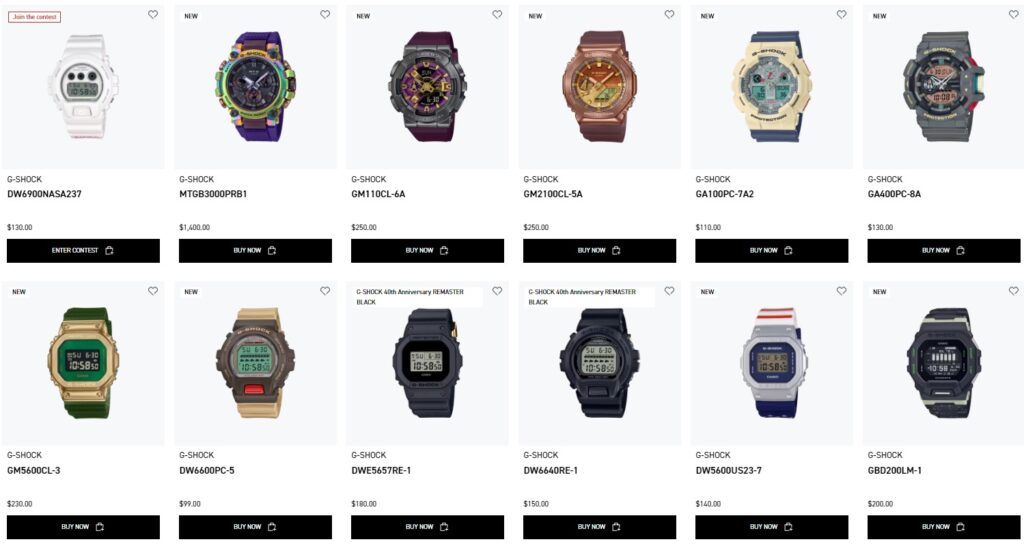
  2. The “G-Shock” wristwatch collection has a lot of models that have a different appearance from the applied 3D shape.
  3. The market research that targeted a total of 1,100 men and women aged over 16 resulted in 55.52% of the interviewees answering “Casio” or “G-Shock” to an open-ended question when shown the 3D shape of the DW-5000. The percentage is insufficient to admit the 3D shape per se has acquired distinctiveness as a source indicator.
A screen shot from casio.com

On July 15, 2022, Casio filed an appeal against the rejection and disputed the acquired distinctiveness.


JPO Appeal Board decision

The Appeal Board affirmed the examiner’s finding in applying Article 3(1)(iii) of the Trademark Law.

In the meantime, the Board paid attention to the fact 66.27% of the interviewees selected “Casio” or “G-Shock” to a closed-ended question, where it mentions G-Shock along with other close competitors.

Provided that more than 60% of consumers associate the 3D shape with Casio or G-Shock, and the shape has the reputation as a representative model of the G-Shock with its unique shock-resistance form, the Board has a reason to believe the 3D shape per se has acquired a substantial degree of recognition among relevant consumers and played a role in source indicator of Casio’s wristwatches. If so, the examiner errored in applying Article 3(2) of the Trademark Law.

Based on the foregoing, the Board decided to cancel the examiner’s rejection and admitted registration of the applied mark exceptionally based on Article 3(2).

Hermes Wins Birkin & Kelly Bag’s 3D Trademark Infringement Lawsuit

On March 9, 2023, the Tokyo District Court awarded HERMES INTERNATIONAL JPY5,640,112 for infringement of its trademark right pertinent to the 3D shape of the Birkin bag and Kelly bag.

[Judicial case no. Tokyo District Court – Reiwa3(wa)22287]

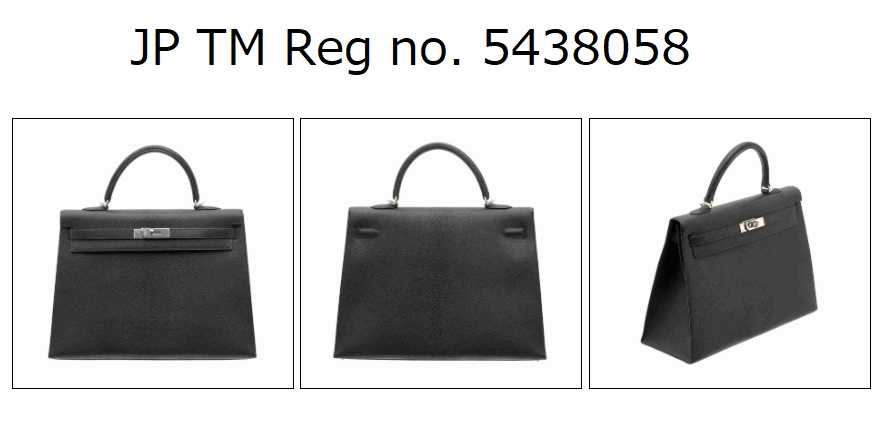
3D mark of Hermès Birkin and Kelly Bag

HERMES INTERNATIONAL, a French luxury fashion house, has owned Japanese trademark registration no. 5438059 for the 3D shape of the “Birkin” bag and no. 5438058 for the “Kelly” bag in connection with handbags (class 25) since 2011 by successfully demonstrating acquired secondary meaning as a specific source indicator of Hermès’ luxury bags.


Birkin and Kelly Bag Imitations

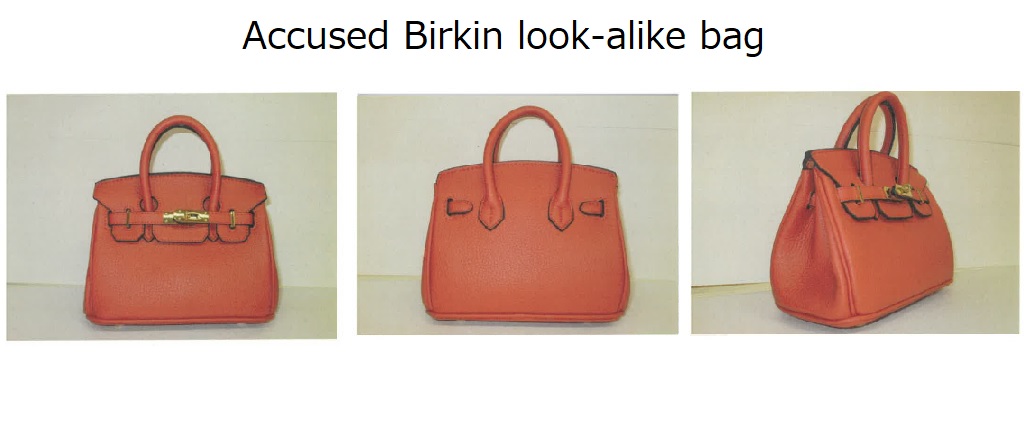
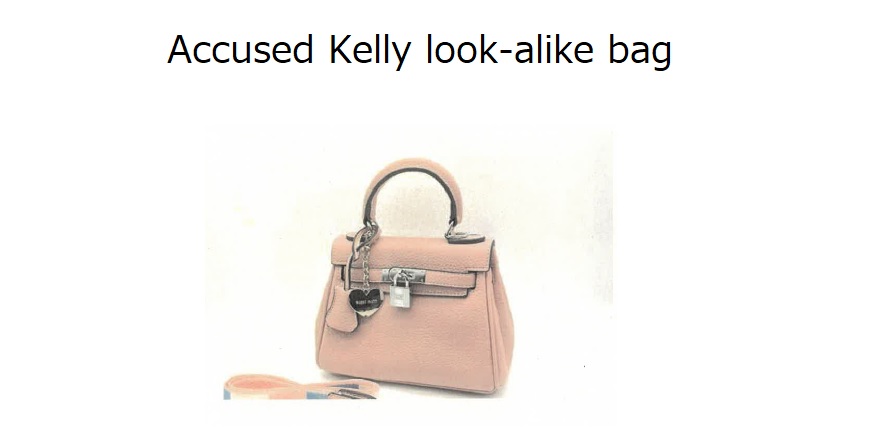
Hermes sued NAO INTERNATIONAL Co., Ltd. at the Tokyo District Court for violating its trademark right and the unfair competition prevention law by allegedly selling 214 Birkin look-alike bags and 184 Kelly look-alike bags in Japan with a price tag of JPY2,270 (approx. USD20) at their brick-and-mortal shops and online shop from December 20, 2019, to February 13, 2021.


Court decision

The Tokyo District Court found that the defendant’s bags respectively resemble 3D marks representing Hermès Birkin and Kelly Bag in an appearance on the ground that the defendant’s bags contain a basic and unique configuration enabling to distinguish Hermès Birkin and Kelly Bag from others. A difference in details is trivial and would not give rise to a distinctive impression in the mind of consumers.

Taking into consideration the fact that both bags are promoted for sale at the department store, the court has a reason to believe relevant consumers are likely to confuse the source of the defendant’s bags with Hermes.

Even though there is a severe price gap between the Hermes bag and the defendant bag, bearing in mind that authentic second-hand Hermès handbags are sold relatively at low prices, such a price gap would be anything but sufficient to negate the likelihood of confusion.

The court measured damages to recover (i) the defendant’s actual profits of infringing bags (JPY5,150,140) by reducing 20% (not attributable to goodwill on Hermès bags) for JPY4,120,112, (ii) “mental suffering” caused by an infringement for JPY1,000,000, and (iii) reasonable attorney fee for JPY520,000.

To read a full text of the Tokyo District Court decision (Japanese only), click here.

JPO Decision: the Volkswagen Beetle 3D shape Lacks Distinctiveness

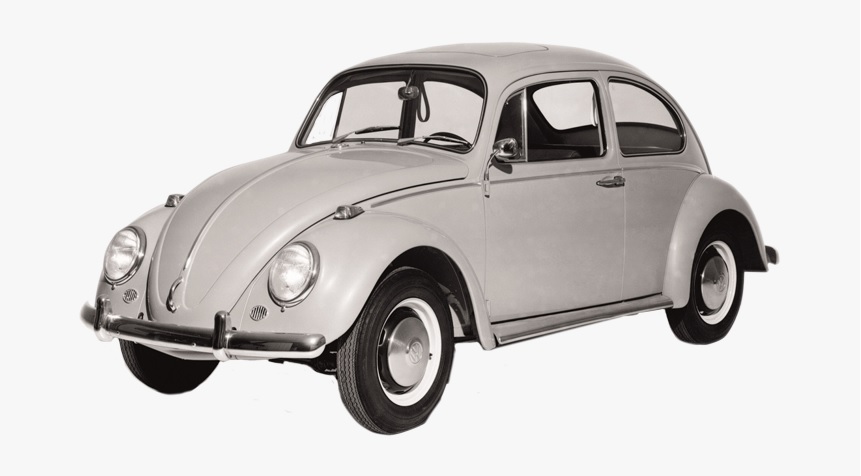
The JPO Appeal Board affirmed the examiner’s rejection and decided to refuse IR no. 1379178 for the 3D shape of the Volkswagen Beetle due to a lack of inherent and acquired distinctiveness in relation to goods of classes 9, 28, and 30.

[Appeal case no. 2020-650030, Gazette issued date: January 27, 2023]

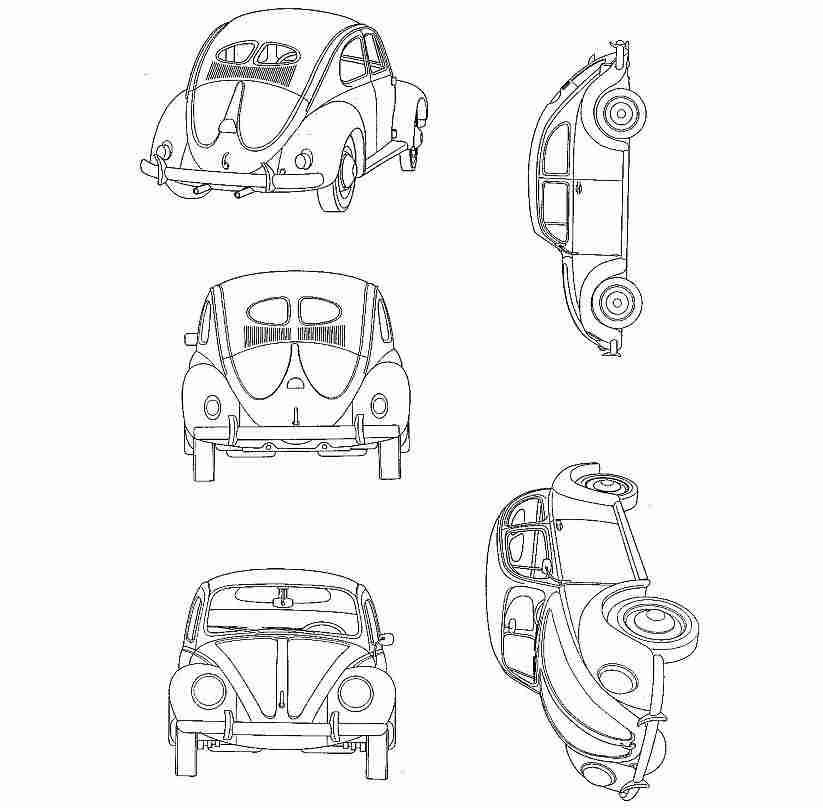
VW Beetle

German car giant Volkswagen AG filed a 3D mark representing the iconic VW Beetle car (see below) in relation to various goods including navigation apparatus for vehicles [onboard computers], toy automobiles, scale model automobiles of classes 9, 28, and 30 with the JPO via the Madrid Protocol on December 7, 2017.

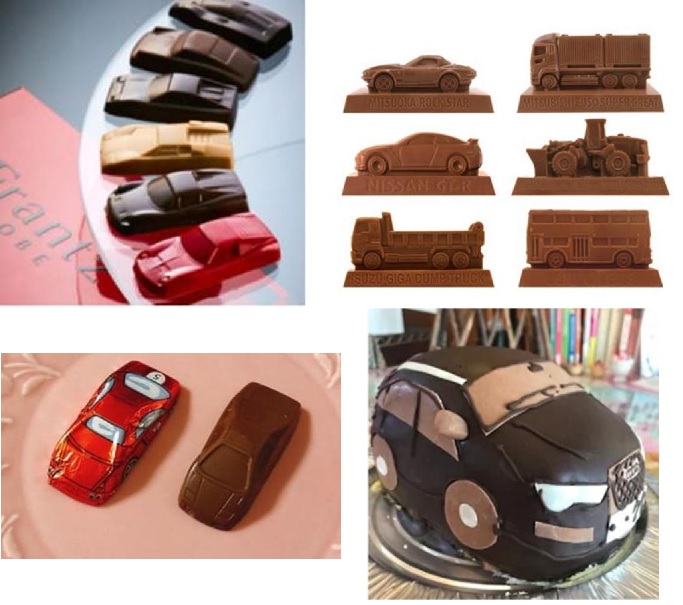
The JPO examiner rejected the mark in contravention of Article 3(1)(iii) and 4(1)(xvi) of the Japan Trademark Law on March 19, 2020, by stating that the mark merely represents a common shape of goods when used on toy automobiles, scale model automobiles of class 28 and chocolate and desserts, ice creams, frozen yogurts and sorbets of class 30, and consumers will misunderstand the quality of goods when used on other designated goods.


Appeal by Volkswagen

Volkswagen filed an appeal against the rejection on July 2, 2020, and argued the inherent and acquired distinctiveness of the 3D mark as a result of substantial use on VW’s automobiles (cl. 12) for more than six decades and around 21.5 million units cumulatively.


JPO Decision

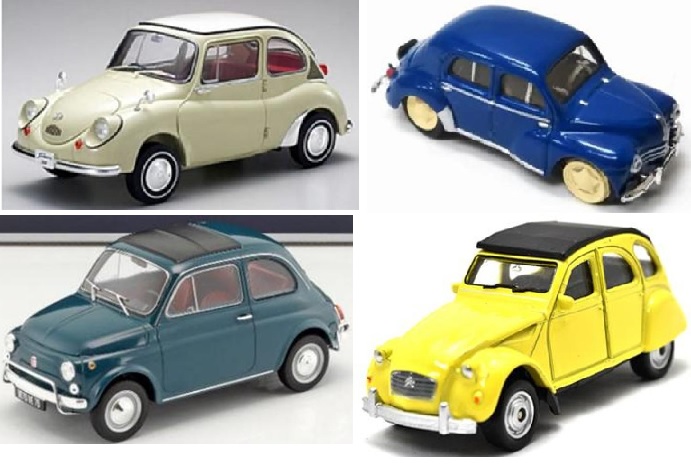
The Appeal Board at its discretion found plenty of goods in the shape of cars promoted for sale in relation to toy automobiles, scale model automobiles (cl. 28), and chocolate and desserts, frozen yogurts, and sorbets (cl. 30).

Bearing this fact in mind, the Board has a reason to believe the applied mark is adopted for a purpose of enhancing function or the aesthetic appeal of the goods in question. If so, the shape still remains within the scope of the descriptive shape of goods and shall be unregistrable due to a lack of inherent distinctiveness in relation to these goods.

Furthermore, the Board pointed out that Volkswagen stopped manufacturing cars in the shape of the applied mark in 2003. There is reasonable doubt that the 3D mark has been famous as a source indicator of VW cars after a lapse of twenty years. Besides, the applicant has not produced any evidence to demonstrate the actual use of the 3D shape on goods in classes 9, 28, and 30 and its sales.

Based on the foregoing, the Board found the 3D mark lacks inherent and acquired distinctiveness in relation to the goods in question and dismissed the appeal entirely.