“MONA LISA” May Smile At You

In a recent decision, the Japan Patent Office (JPO) disaffirmed the examiner’s refusal and accepted for registration of the world-famous painting, ‘Mona Lisa’ by Leonardo da Vinci.
[Appeal case no. 2020-9377, Gazette issued date: May 28, 2021]


“MONA LISA”

Disputed mark, consisting of a wordmark “MONA LISA” written in a Japanese katakana character (see below), was filed by a Japanese company, Negibito Co., Ltd on February 20, 2019, for use on ‘edible live aquatic animals; edible unprocessed seaweeds; fresh vegetables; fresh fruits; live mammals, fish [not for food], birds and insects and other goods in class 32.
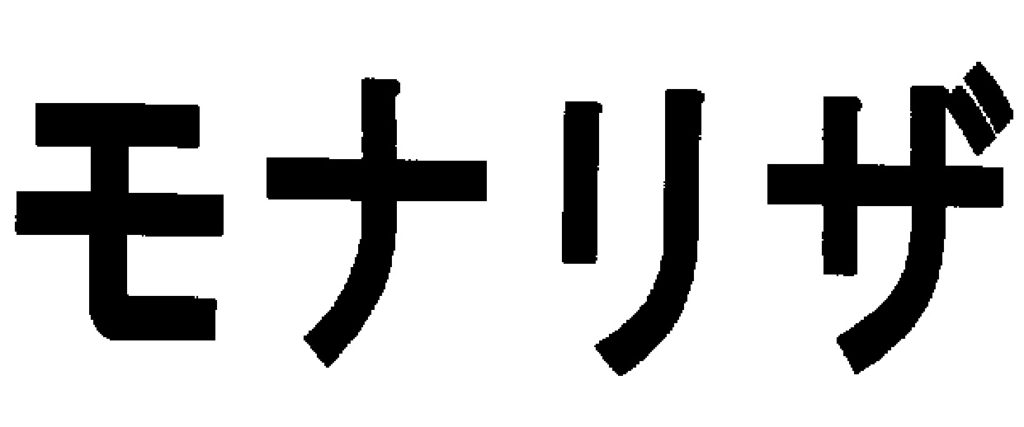
Apparently, the company uses the disputed mark on specially grown scallions with a high sugar content of more than 20 degrees to be sold at JPY10,000 (USD92) for one stalk!


Article 4(1)(vii)

JPO examiner raised her objection by stating that since “MONA LISA” has been known for the world-famous painting, ‘Mona Lisa’ by Leonardo da Vinci, it shall contravene the generally accepted sense of morality or the international faith if registered. Accordingly, the disputed mark shall be rejected in contravention of Article 4(1)(vii) of the Japan Trademark Law.

Article 4(1)(vii) of the Trademark Law prohibits any mark likely to cause damage to public order or morality from registration.

Trademark Examination Guidelines 42.107.05 provides seven criteria to take into consideration to determine if a mark, consisting of valuable cultural products (works of art), shall contravene the article.

(i) Famousness of the cultural products
(ii) Recognition of the cultural products among citizens or local residents
(iii) State of use of the cultural products
(iv) Relationship between the state of use of the cultural products and the designated goods or services
(v) Background, purpose, and reason for filing an application
(vi) Relationship between the cultural products and the applicant
(vii) Authorized entity that manages and owns the cultural products (if any)

The applicant filed an appeal against the refusal on July 3, 2020.


JPO Appeal Board decision

The Appeal Board assessed seven criteria pertinent to the works of art “MONA LISA” in accordance with the Trademark Examination Guideline.

The Board admitted a remarkable degree of recognition and reputation of “MONA LISA” among the general public in Japan as the world-famous painting by Leonardo da Vinci.

In the meantime, the Board questions if the goods in question are closely related to works of art and art exhibitions that the term “MONA LISA” has been used.

Besides, the Board found that the term is not used to promote or develop certain regions associated with the painting in relation to the goods in question.

Based on the foregoing, the Board held that it is unlikely that registration of the disputed mark would constitute a genuine and sufficiently serious threat to a fundamental interest of society when used in connection with the goods in class 32. Therefore, the disputed mark “MONA LISA” shall not be refused on the basis of the public policy exception provided for in Article 4(1)(vii) of the Trademark Law.


Coronavirus Force Japan to Eliminate Signature on POA

Both Hanko seals and paper documents have long been regarded as important parts of Japan’s working or administrative culture. Along with this, it has been an established practice that the country’s authority requires the original document signed by a foreigner to be submitted. By virtue of the COVID-19 pandemic, Japan has taken its latest step to bring government at all levels further into the digital age.
Recently, the Japanese parliament enacted six laws to promote electronic government, with steps such as ending Hanko seals on official documents and allow digital data to be used instead of paper documents.


On June 11, 2021, the new governmental and ministerial ordinances concerning registration procedures of intellectual property were promulgated.

Based on the new ordinances, from June 12, 2021, the Japan Patent Office (JPO) would not require an original Power of Attorney (POA) with the signature of a foreign company or individual who entrusts the case to an IP attorney in Japan anymore. As long as the POA clearly specifies the name and address of the foreign company and its representative, the JPO would accept it genuine and consider the entrusted attorney as an agent of subsequent action with the JPO even if the POA does not have a signature on it.


It should be noted that, as a result of the new ordinances, the JPO decided to eliminate Hanko seals or signatures on 764 paper documents among 797 in total. The remaining 33 documents pertaining to the ownership or license of IP right still require an original with inked-signature or Hanko seals to prevent harm by document falsification.

JPO found Italian word “Panetteria” distinctive in relation to restaurant service

In a recent administrative decision, the Appeal Board of the Japan Patent Office (JPO) disaffirmed the examiner’s refusal and found “Panetteria ARIETTA” and “ARIETTA” are dissimilar by virtue of distinctiveness of the term “Panetteria.”

[Appeal case no. 2020-9688, Gazette issued date: May 28, 2021]

Panetteria ARIETTA

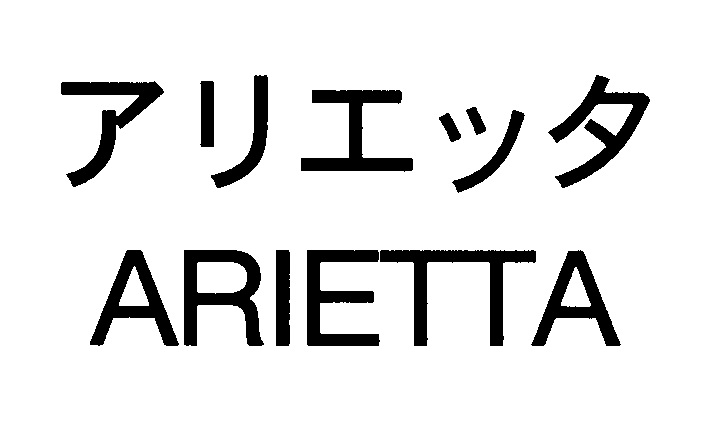
FOOD ENGINEERING DESIGN INC., a Japanese commercial bakery and restaurant, filed a trademark registration for word mark consisting of the term “Panetteria ARIETTA” in a gothic type and its transliteration written in a Japanese katakana character (see below) for use on confectionery and bread in class 30 and restaurant service in class 43 on January 15, 2019 [TM App no. 2019-8176].

The applicant has used the applied mark as a shop name on bakeries located in Tokyo.


ARIETTA

The JPO examiner raised her objection on the ground that the applied mark is deemed similar to senior trademark registration no. 5106118 for word mark consisting of the term “ARIETTA” and its transliteration written in a Japanese katakana character (see below) on restaurants and other services in class 43.

In the refusal decision dated May 7, 2020, the examiner asserted the term “Panetteria” is an Italian word meaning ‘bakery’ and thus lacks distinctiveness in relation to bread and restaurant service. If so, other term “ARIETTA” of the applied mark would play a dominant role of its source indicator. Accordingly, the examiner rejected the applied mark in contravention of Article 4(1)(xi) of the Japan Trademark Law.

The applicant filed an appeal against the refusal on July 10, 2020.


JPO Appeal Board decision

The Appeal Board questioned whether an Italian word “Panetteria” is commonly used as a descriptive indication in relation to restaurant service in Japan. The Board found the term as well as its meaning is not familiar among the general public. Under the circumstance, the examiner errored in assessing distinctiveness of the word. A mere fact that the term “Panetteria” appears in an Italian language dictionary is insufficient to conclude a portion of the term “ARIETTA” per se plays a role of source indicator of the applied mark.

Provided that relevant consumers would not conceive any specific meaning from the term “Panetteria”, the Board held the applied mark “Panetteria ARIETTA” and cited mark “ARIETTA” are obviously dissimilar as a whole from visual, phonetic, and conceptual points of view.

Based on the foregoing, the JPO Appeal Board disaffirmed the examiner’s rejection and decided to register the applied mark accordingly.

Glenfiddich Wins Trademark Dispute Over Deer Design

The Japan Patent Office (JPO) sided with Glenfiddich, the world’s most awarded Single Malt Scotch Whisky, who fought against trademark registration for the BLACK FOREST composite mark in class 33 due to close resemblance to the Glenfiddich deer design. [Opposition case no. 2018-685017, Gazette issued date: April 30, 2021]


BLACK FOREST composite mark

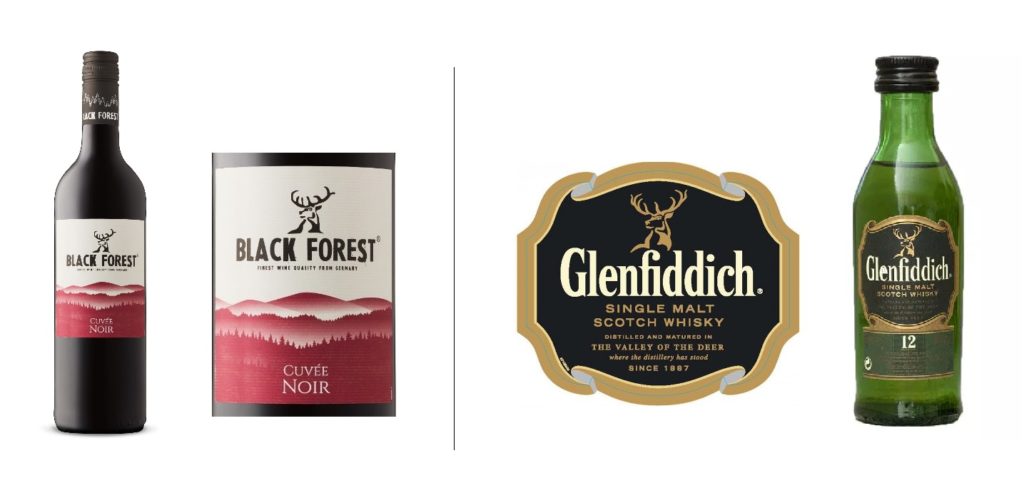
The opposed mark, consisting of the words “BLACK FOREST”, “FINEST WINE QUALITY FROM GERMANY” and a stylized stag’s head (see below), was filed with the JPO on May 12, 2017, for use on ‘Wines and sparkling wines; all the above goods made in Germany’ in class 33 by Badischer Winzerkeller eG via the Madrid Protocol (IR no. 1353061).

On June 6, 2018, the JPO granted protection of the opposed mark and published for post-registration opposition.


Opposition by Glenfiddich

Glenfiddich owner William Grant & Sons opposed on the basis of its earlier international registrations (IR no. 919341&919342) in the mark GLENFIDDICH and a stylized stag head (see below) for use on whisky and whisky-based liqueurs are concerned, only scotch whisky and scotch whisky-based liqueurs produced in Scotland of class 33, in contravention of Article 4(1)(xi) of the Japan Trademark Law.

Article 4(1)(xi) is a provision to prohibit registering a junior mark that is deemed identical with, or similar to, any senior registered mark.

In the opposition, the opponent argued, inter alia, a close resemblance of the stylized deer design. Taking into consideration the design element is visually separable from literal elements, relevant consumers at the sight of the stylized stag head of the opposed mark that appeared on a wine label are likely to connect it with Glenfiddich.

JPO decision

The Opposition Board of the JPO found that judging from the configuration of each mark, it is allowed to assess the similarity of both marks by means of comparing its design element.

The Board held the stylized stag head of both marks would give rise to a resembled impression from appearance and the same concept regardless of some differences in detail.

If so, even though the pronunciation of respective design is incapable of comparison, from the totality of the circumstances, relevant consumers are likely to confuse the origin of the goods in question bearing the opposed mark with Glenfiddich.

Based on the foregoing, the JPO decided to retroactively cancel IR no. 1353061 in contravention of Article 4(1)(xi) of the Trademark Law.
Japan: Trademark Law Revision Act promulgated on May 21, 2021

The Japan Trademark Law Revision Act of 2021 (Act No. 42) passing congress on May 14, 2021, was promulgated on May 21.

Hot topics of trademark-related revision are:

1. On-line oral hearing

Under the current law, the Japan Patent Office (JPO) has no choice but to hold an oral hearing for administrative proceedings only when the parties are physically present in the oral proceedings. The revised act enables the JPO to hold oral proceedings by video conference.

2. Notifications by email

Under the current law, trademark applicant via the Madrid Protocol gets to know the status of registration only by means of receiving written notification from the JPO. The revised act allows the JPO to electronically send registration notifications to the applicant via the International Bureau by email.

3. Customs enforcement

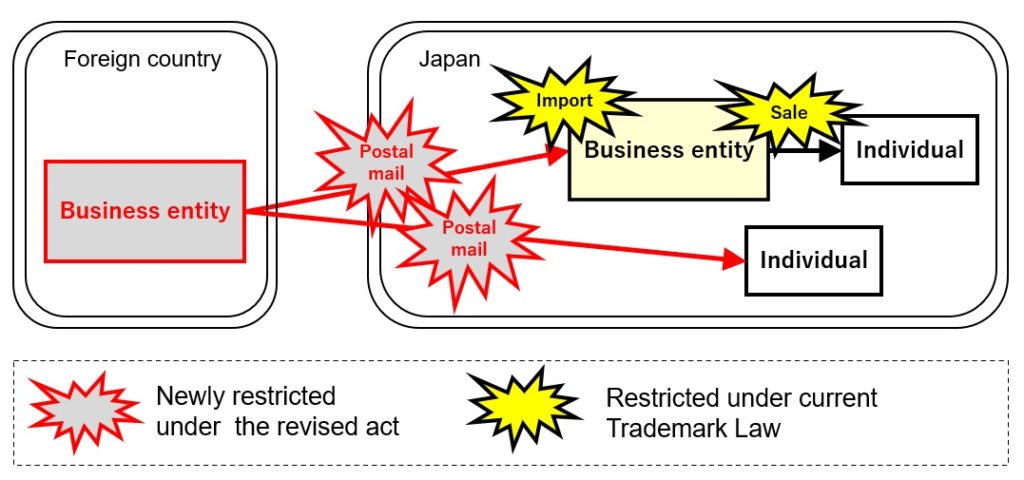
In view of an increasing number of counterfeits imported for private use, the revised act restricts the counterfeits that were exported from a foreign country via postal mail by a business entity even if purchased by a private person in Japan and constitute trademark infringement at the time when they enter the territory of Japan.

4. Payment of second official fee for registration via the Madrid Protocol

Article 68-30 of the revised act looks attractive to Madrid users indeed. The Madrid users are no longer required to pay a second official fee to the JPO in order to accomplish trademark registration in Japan.

5. Fee increase

The revised act increases official fees for trademarks by more than 10%. Details will be decided by the JPO.

Official feeExistingRevised act
Filing feeJPY28,200/classLess than JPY32,900/class (17% increase)
Registration feeJPY38,800/classLess than JPY43,60/class (12% increase)

When does the revised act come into force?

The revised act is set to become effective within a year from the promulgation date.

Trademark Similarity: APLAY vs applay

In a trademark dispute pertinent to the similarity between “APLAY” and “applay”, the Appeal Board of the Japan Patent Office found both marks dissimilar and reversed the examiner’s rejection.
[Appeal case no. 2020-6380, Gazette issued date: April 30, 2021]

APLAY

A senior mark, consisting of the word “APLAY” in standard character, was registered on April 28, 2017 (TM Reg no. 5943175) over computer programs; application software; game programs for home video game machines; electronic circuits, and CD-ROMS recorded with programs for hand-held games with liquid crystal displays; electronic publications; earphones; headphones in class 9, and software as a service [SaaS]; other related computer services in class 42 by Nain Inc.

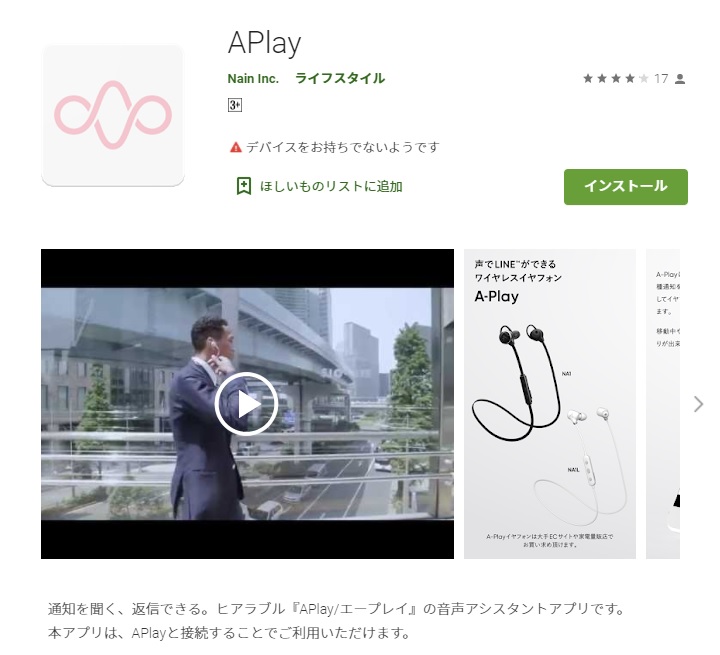
Apparently, Nain has used “APLAY” on wireless earphones and connect app for android (see below).

applay

Applied junior mark, consisting of the word “applay”, was sought for registration on August 7, 2019, over toys in class 28 [TM application no. 2019-107218] by Ed. Inter Co., Ltd.

The applicant uses the mark on wooden toys for kids (see below).

The JPO examiner rejected “applay” because of similarity to “APLAY” based on Article 4(1)(xi) of the Trademark Law.

Article 4(1)(xi) is a provision to prohibit registering a junior mark that is identical with, or similar to, any senior registered mark.

There is the criterion that the examiner is checking when assessing the similarity between the marks:

  • visual similarity
  • aural similarity
  • conceptual similarity

and taking into account all these three aspects, the examiner would decide if a mark is similar (at least to some extent) to the earlier mark and if there is a likelihood of confusion for the consumers.

Applicant filed an appeal against the rejection on May 12, 2020, and argued dissimilarity of the marks.

Appeal Board decision

In the decision, the Appeal Board held that:

In appearance, there are differences in the third letter ‘p’, and lower case or upper-case letters. These would give rise to a distinctive impression visually in the mind of relevant consumers where the respective mark consists of five or six-letter words, anything but long.

Next, assessing the pronunciation between applied mark [ˈæpleɪ] and the cited mark [əˈpleɪ], the difference in the first sound would be anything but negligible in view of a few phonetic compositions of four sounds in total. Relevant consumers would be unlikely to confuse each sound when pronounced because of phonetical distinction in overall nuance and tone as a whole

Thirdly, the respective mark does not give rise to any specific meaning at all. If so, both marks are incomparable from the concept.

Based on the foregoing, the Board found no reasonable reason to affirm the JPO examiner’s rejection from visual, phonetic, and conceptual points of view as well as consumer perception and decided to reverse the examiner’s rejection.

Coronavirus vs the Tokyo Olympic Games

With fewer than 80 days to go until the Tokyo Olympics, Japan just extended a state of emergency in the capital, Tokyo until May 31, 2021, to stem a surge in coronavirus cases.

Japanese trademark applications in 2020

One year has passed since Japan’s first state of emergency was declared on April 7 last year and lasted into late May.

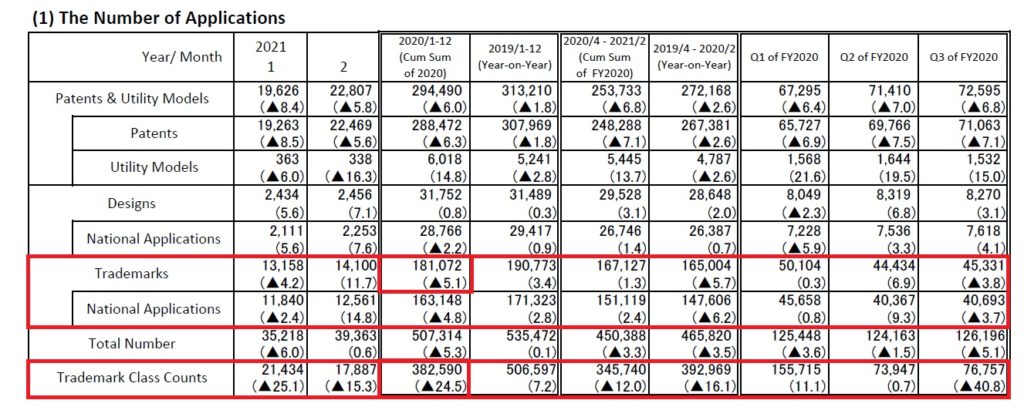
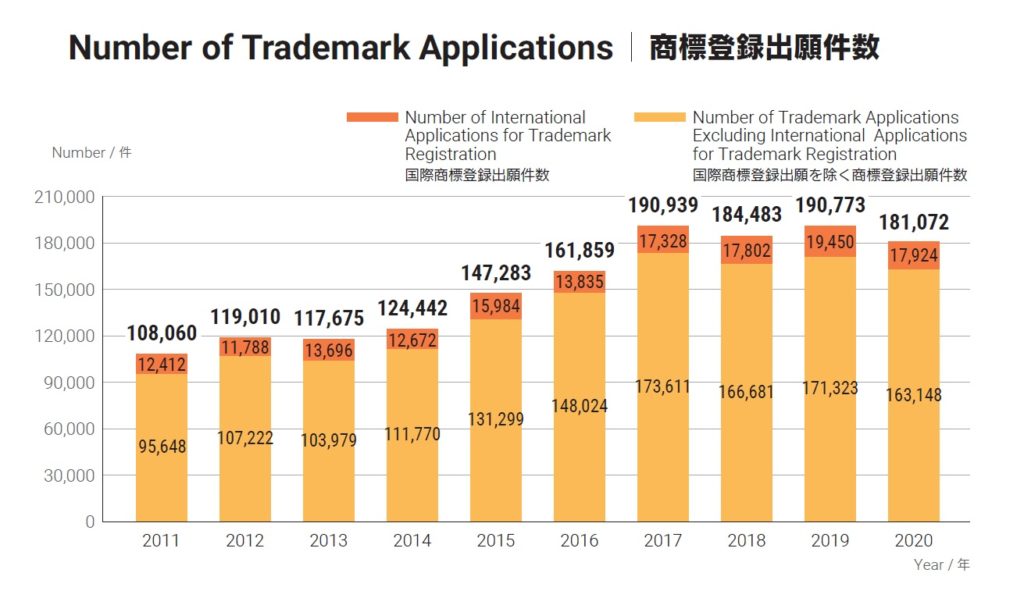
Recent JPO statistical data, released on April 30, 2021, revealed the number of trademark applications newly filed in the Japan Patent Office (JPO) in 2020 fell by 5.1% to 181,072 compared to the previous year, 2019. When counting the total number of classes specified the trademark applications in 2020, it fell by 24.5% from the previous year.

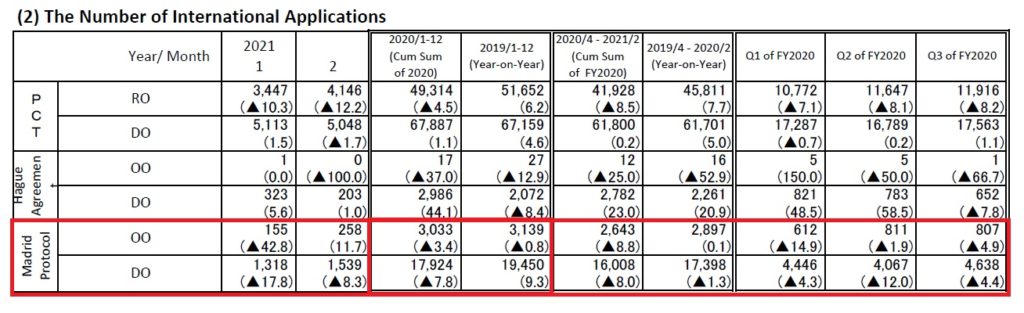
A total of 17,924 trademarks were filed in the JPO via the Madrid Protocol in 2020. The number dropped by 7.8% from 2019.

The data also showed a 3.4% decrease in the number of international trademark applications filed with the JPO as the office of origin in 2020 to 3,033.

The Tokyo Olympic Games

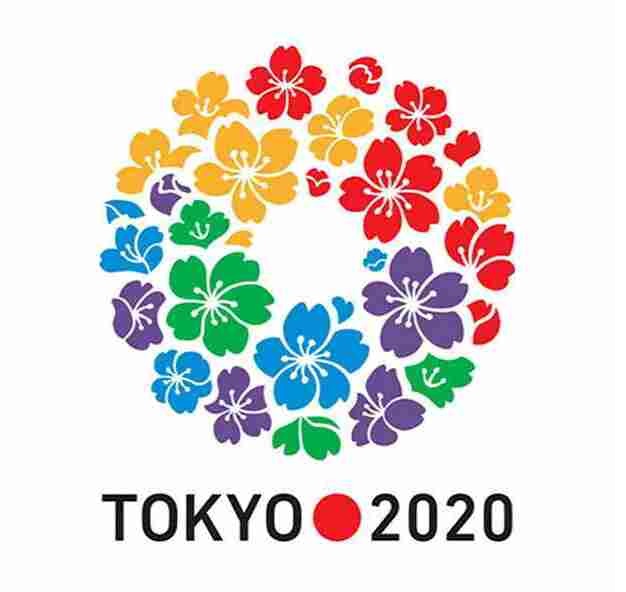
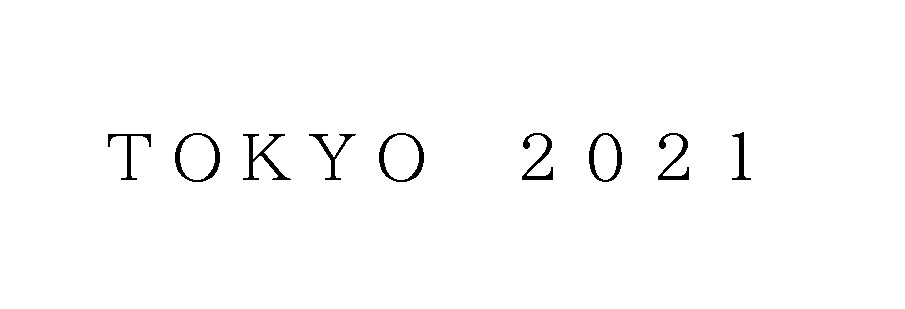
The Tokyo Olympic Committee filed an initial trademark application for the “TOKYO 2020” mark (see below) in 2011, two years before the IOC decision.

In January 2012, the Committee applied for registration for the wordmark “TOKYO 2020” in standard character covering all 45 classes to which the JPO granted protection in November 2013.

However, because of the pandemic, the Tokyo 2020 Olympic and Paralympic Games have been postponed to 2021. The Olympics will now run from July 23 to August 8 2021 and the Paralympics will be held from August 24 until September 5, 2021.

On March 25, 2020, the Committee filed a trademark application for the wordmark “TOKYO 2021” for use on goods and services in 45 classes and subsequently divided the application so that the mark would remain pending the JPO examination as long as possible in fear of trademark theft.

It came to my notice that the following trademarks are filed with the JPO by other entities.

TM application no. 2020-27573 “tokyo 2022” (cl. 32)
TM application no. 2020-32238 “Tokyo 2022” (cl.18)
TM application no. 2020-35399 “TOKYO 2020+1” (cl. 41)
TM application no. 2020-14136 “TOKYO2032” (cl. 35, 41)
TM application no. 2020-125468 “Tokyo 2021 Samurai Athlete” (cl. 41)
TM application no. 2021-16249 “TOKYO 2020-2032” (cl. 41)


Who knows when and how the Tokyo Olympic Games are safely held?
Rather, I would eager to know when will the COVID-19 pandemic end.

AlphaGo Unsuccessful in Defeating AlphaMini

“AlphaGo” AI system, developed by Google-owned artificial intelligence company DeepMind, has gained the world’s attention after defeating the top human players of the world in a game of go in the year 2016. But, in a recent opposition decision, the Japan Patent Office (JPO) did not admit the famousness of the trademark “AlphaGo”.
[Opposition case no. 2020-900207, Gazette issued date: March 26, 2021]

AlphaMini

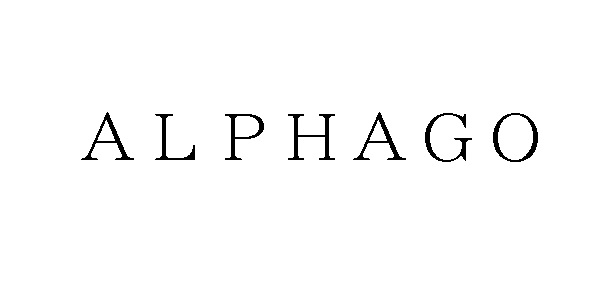
Opposed mark “AlphaMini” (see below) was filed with the JPO by UBTECH Robotics, Inc., Chinese artificial intelligence and humanoid robotic company on July 26, 2019, and designated ‘computer programs; AI-powered humanoid robots; application software for smartphones; security surveillance robots; sensors; teaching robots; navigational instruments; mobile phones; facial recognition software; cameras’ in class 9 and ‘games; toy robots; toys; board games; balls for games; body-building apparatus; fishing tackle; archery implements’ in class 28.

According to the website of URTECH Robotics, Inc., the mark is used as a name of their humanoid educational robot.

Opposition by DeepMind “AlphaGo”

DeepMind Technologies Limited filed an opposition against “AlphaMini” and argued the opposed mark shall be canceled in contravention of Article 4(1)(xv) of the Japan Trademark Law because relevant consumes would confuse the source of goods bearing the opposed mark “AlphaMini” with DeepMind due to a close resemblance between two marks and famousness of “AlphaGo”.

Article 4(1)(xv) is a provision to prohibit registration of a trademark which is likely to cause confusion with the business of other entities.

Besides, DeepMind owns several trademarks that begin with the term “ALPHA”, namely, “ALPHACHESS”, “ALPHAZERO”, “ALPHAFOLD”, “ALPHASHOGI”. Taking into consideration a highly renowned computer program “AlphaGo” as the very first AI program that was able to beat one of the highest-ranked human players in the world in 2016, as well as a naming strategy for “ALPHA” AI system series, relevant consumers are likely to associate the opposed mark “AlphaMini” with DeepMind when used on its designated goods in class 9 and 28.

JPO Decision

The Opposition Board of the JPO had concluded that insufficient evidence had been submitted to support the assumption of a well-known mark that is protectable under Article 4(1)(xv).

The Board pointed out that most of the produced newspapers and magazines did not prove the use of the mark “AlphaGo” as a source indicator of the computer program for Go developed by DeepMind. Instead, they just revealed the term “アルファ碁” has been used to represent the AI system by DeepMind. “アルファ碁” is precisely a translation and transliteration of “AlphaGo” written in Japanese character.

The JPO held the mere fact that the first word of both marks is identical would be insufficient. Overall impression of “AlphaGo” and “AlphaMini” is remarkably different from visual, phonetic, and conceptual points of view. Thus, the Board found a low level of similarity between the two marks.

Even if the goods in dispute are closely associated with DeepMind’s business, given a low level of similarity and insufficient evidence to assume the famousness of “AlphaGo”, the Board had no reason to believe the opposed mark would cause confusion with DeepMind when used on the disputed goods in class 9 and 28.

Based on the foregoing, the Board decided the opposed mark would not be canceled in contravention of Article 4(1)(x) of the Trademark Law and dismissed the opposition entirely.

JPO Status Report 2021 – The impact of Covid-19 on Japan trademarks

Unquestionably, 2020 was remarkably a tough and soul-destroying year for businesses around the world. The coronavirus pandemic has had a major impact on every aspect of day-to-day life, including the world of business. Just as the fluctuations in the economy and our changing work and lifestyles due to long months spent at homes destroyed our understanding of “normal.” Business mentality, preferences, and actions taken during the crisis have all changed. As a result, it was inevitable for trademark filings to be affected by these changes.

According to “JPO Status Report 2021” released on March 31, 2021, by the Japan Patent Office (JPO), a total of 181,072 trademark applications were filed in 2020. This number is down 5% compared to the previous year when the number of applications amounted to 190,773.

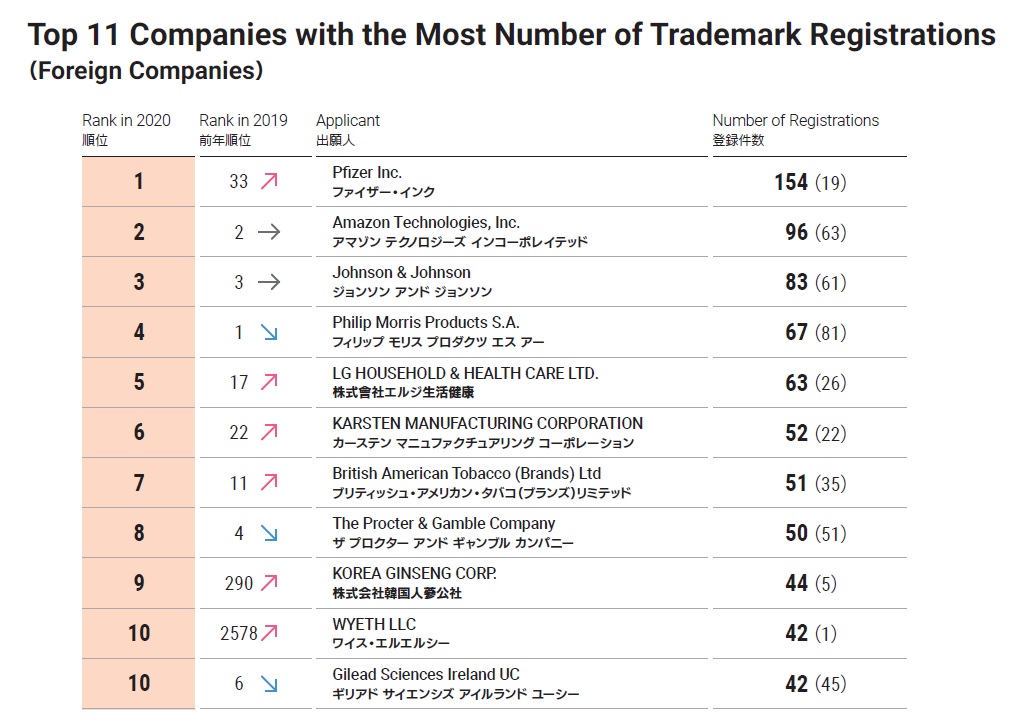
It is interesting to see that Pfizer Inc. became a top-ranking foreign registrant in 2020 who could successfully register 154 trademarks in Japan, drastically increased from the previous year.

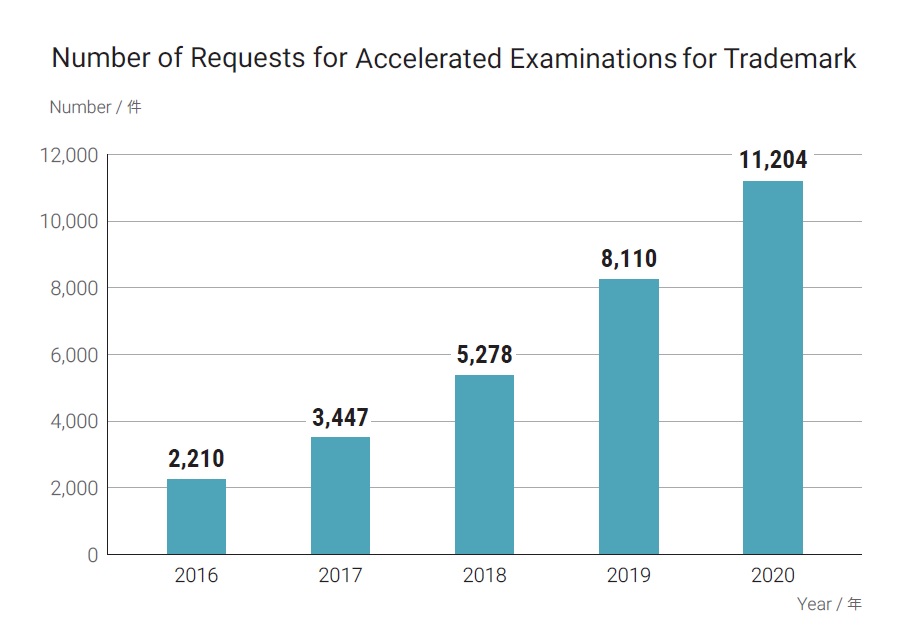
Requests for accelerated examination consecutively increased to 11,204 by 38% in 2020, which enables applicants to obtain trademark registration within 2months.

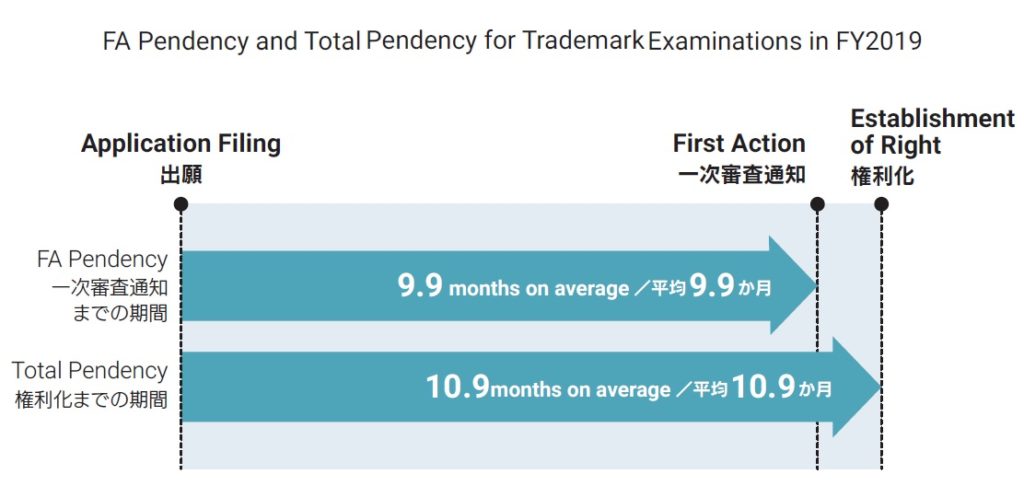
As a background, it should be noted that the entire trademark process for general examination at the JPO (the total time of application from filing to registration) takes 10.9 months on average, which is nearly 2 months longer than the previous year.

You can access and download the full text of “JPO Status Report 2021” from here.